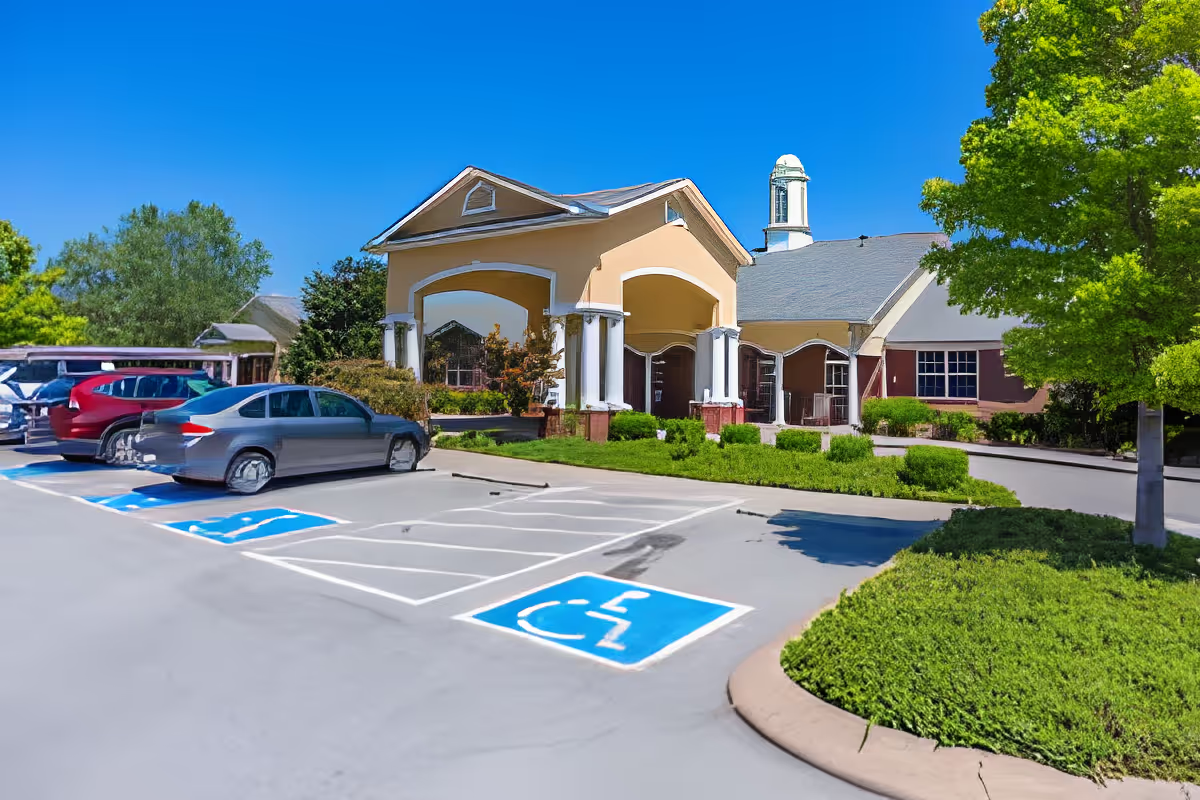
The reviews present a mixed but coherent portrait of Lebanon Center for Rehabilitation and Healing: many families describe strong rehabilitation outcomes and a warm, family‑oriented culture, while a subset of reviews raises operational and clinical concerns. Strengths most consistently cited are the therapy teams and patient-focused rehab programming — reviewers frequently credit physical and occupational therapy staff with measurable mobility gains and successful discharges home. Nursing assistants, therapy techs, and several named staff members are often described as compassionate, attentive, and helpful; front-desk and guest-relations personnel also draw frequent praise for being accommodating.
Care-quality impressions are polarized. Positive accounts emphasize coordinated interdisciplinary care, effective wound and specialized therapies, and staff who provide timely updates and emotional support to families. Conversely, other accounts indicate inconsistent responsiveness to call lights and requests, delays in personal-care tasks (bathing, dressing, feeding assistance), and concerns about how acute clinical changes are handled and communicated. These operational gaps are sometimes linked to serious outcomes in individual cases, creating a notable contrast with the otherwise favorable rehab narratives.
Dining and nutrition receive mixed assessments. Several reviewers praise the dining environment, menu variety, and responsive dietary staff; others report errors in tray contents, failures to follow modified-diet instructions, and missing beverage/condiment service. Those variations suggest that meal-service processes may be reliable at times but vulnerable to lapses in diet adherence and service continuity.
Activities and the social environment are frequently highlighted as organizational strengths. The facility is described as offering engaging programs, a welcoming atmosphere, and efforts that promote resident morale. Physical spaces and housekeeping earn many positive comments for being clean, odor‑controlled, and well maintained; however, a number of accounts cite localized sanitation or room‑condition problems and occasional maintenance shortfalls (room temperature control, mattress condition, cobwebs), indicating variability in environmental consistency.
Management and systems-level themes include effective discharge planning and home‑health coordination in many cases, alongside recurring concerns about staffing levels, documentation accuracy, and medication-administration processes. A portion of reviews raise serious administrative questions, including allegations related to benefits or contract arrangements; these items are less common but significant and may warrant direct inquiry by prospective families.
Overall, prospective residents and families will find meaningful strengths at this facility—particularly in rehabilitation services, many compassionate caregivers, and an active program of activities—but should also assess operational reliability. Recommended lines of inquiry before placement include staffing ratios and turnover, protocols for call-response and incontinence care, diet-modification procedures, incident escalation and family-notification practices, medication-administration safeguards, and any facility-specific contract/benefit arrangements. Those steps can help match the facility’s strong rehab capabilities and community environment with the specific clinical and safety needs of an individual resident.