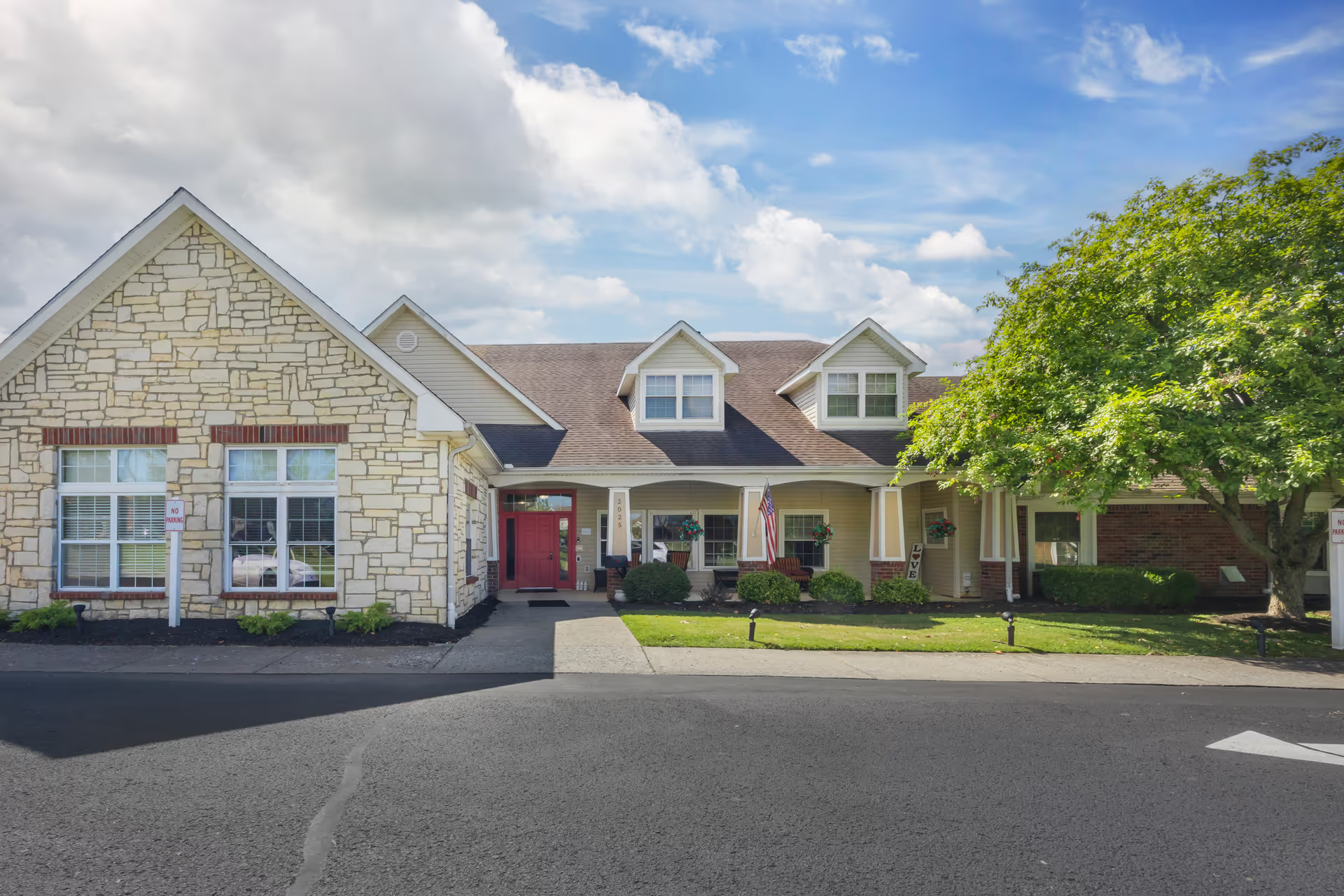
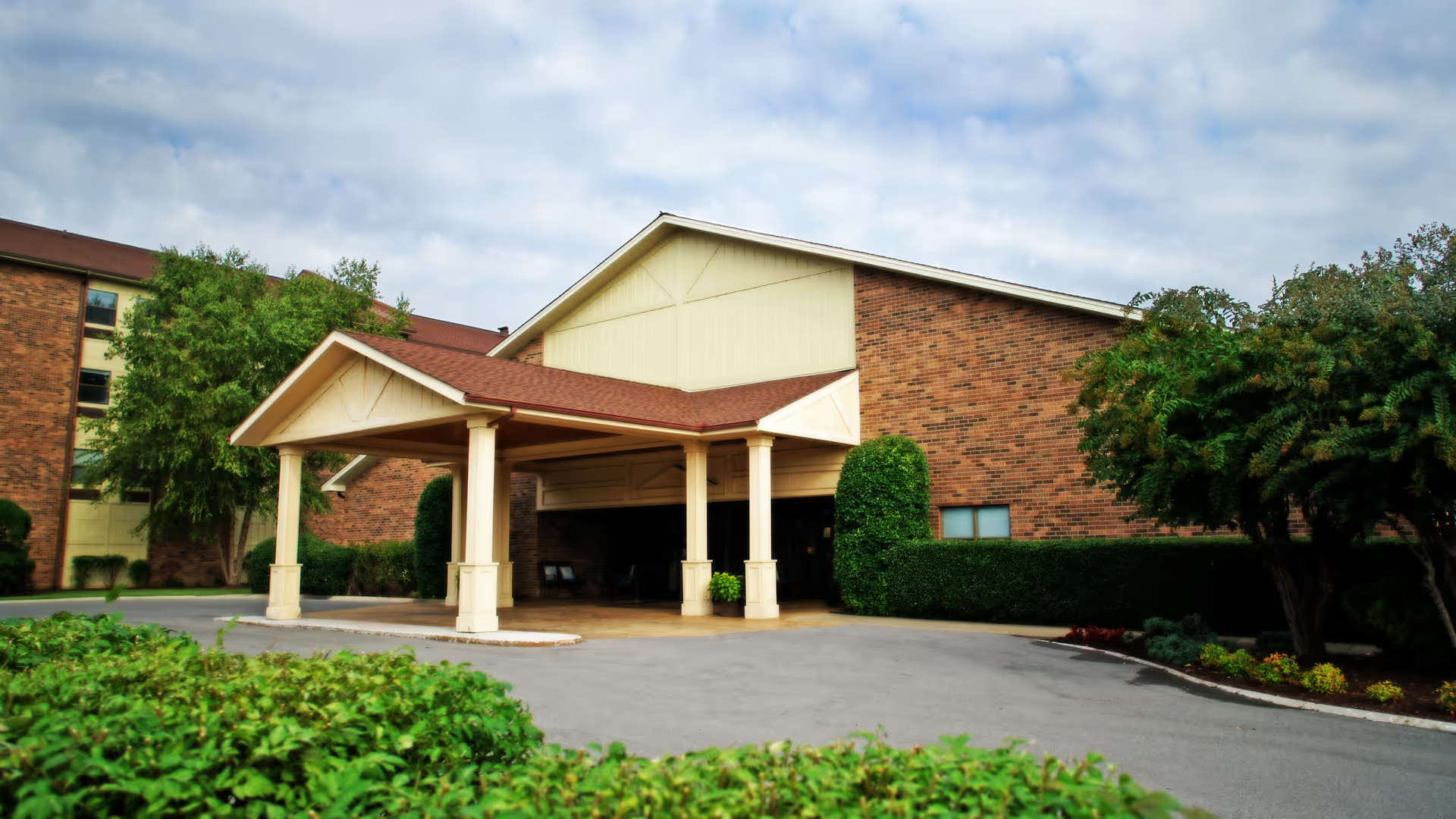
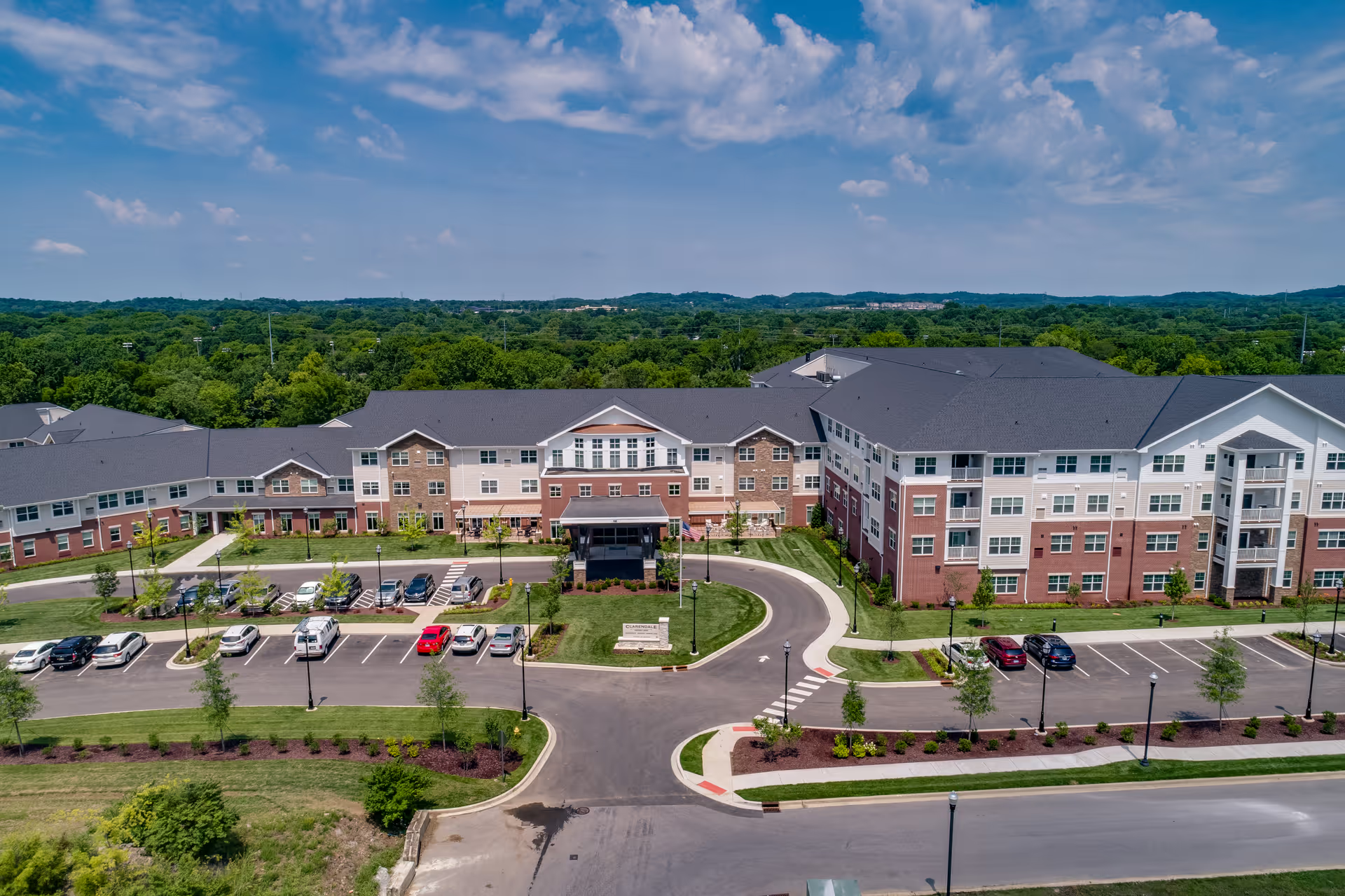
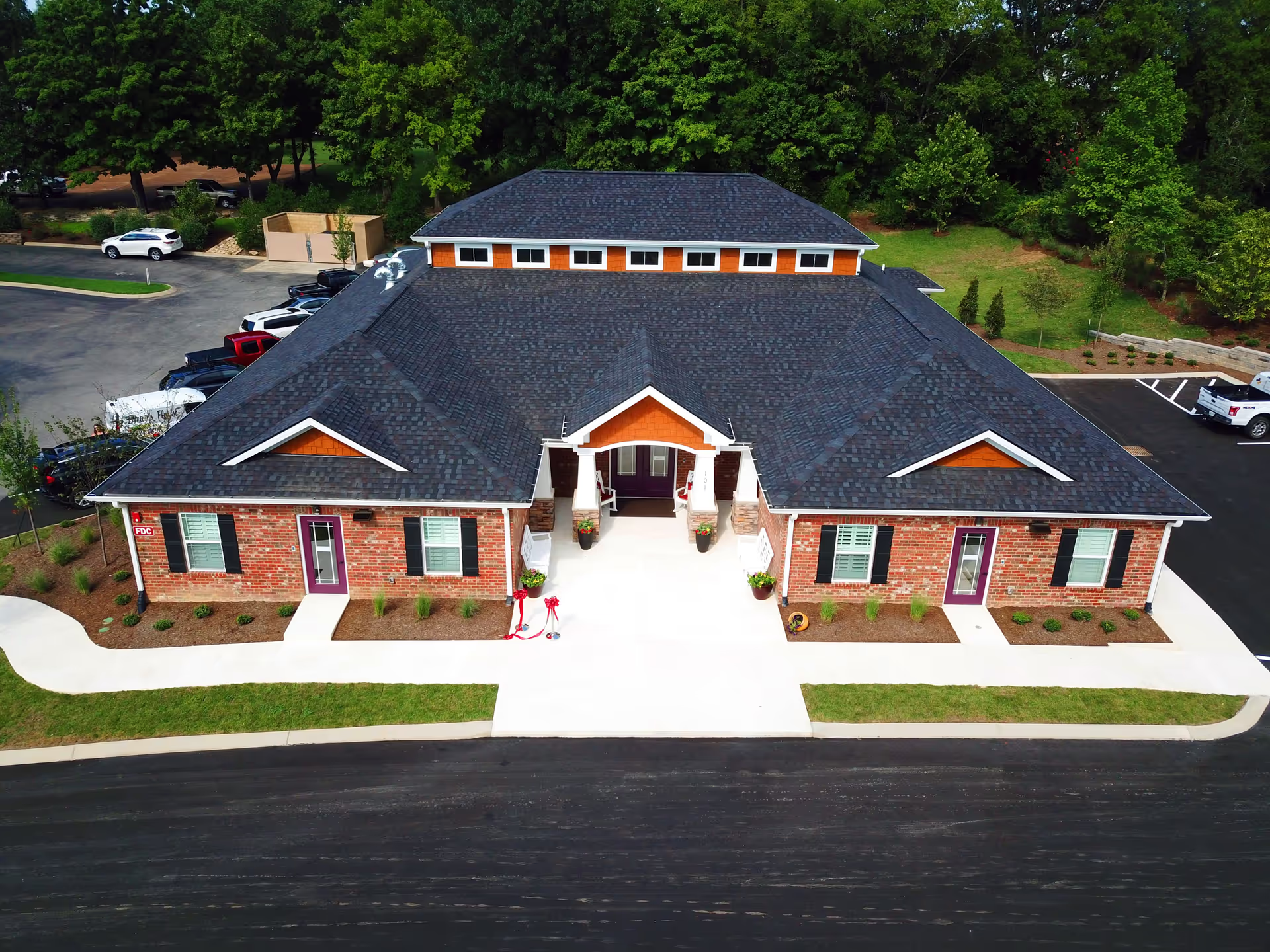
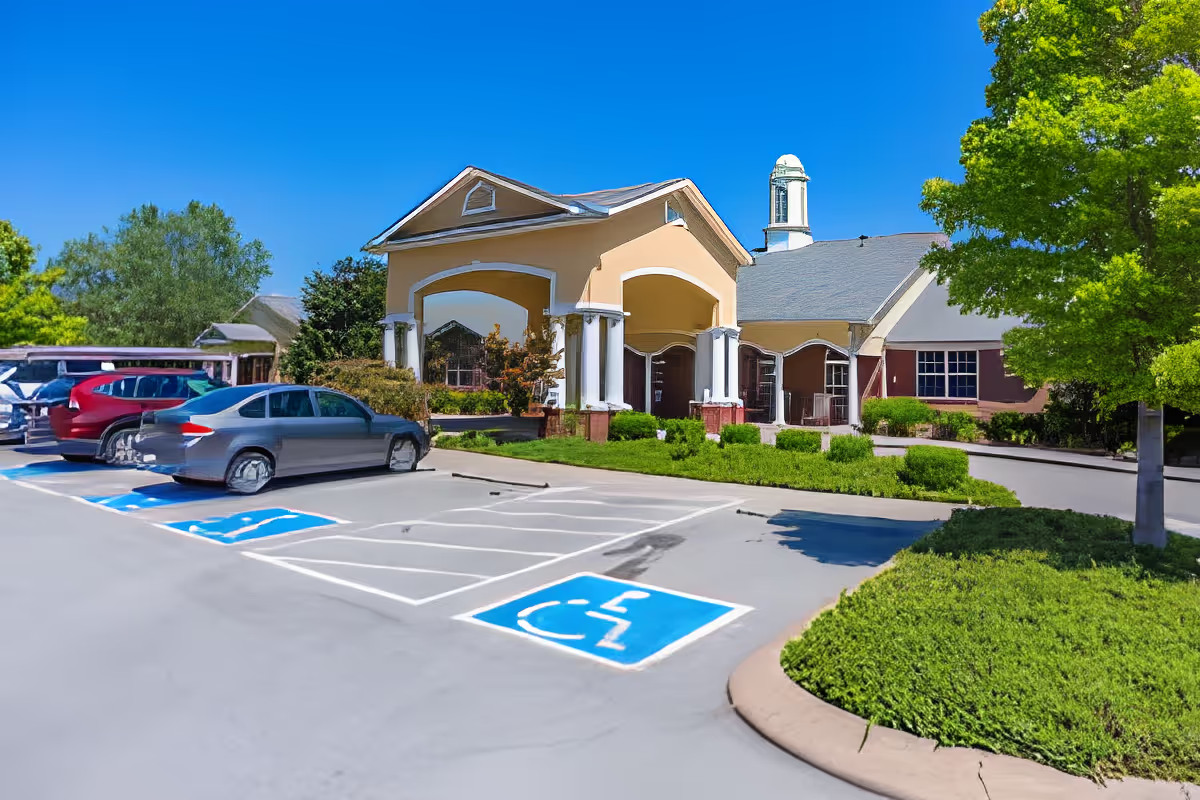
The Carriages of Rivergate elicits strongly mixed experiences. Many reviewers praise the community’s social environment, physical plant, and frontline staff: residents and families frequently cite a welcoming atmosphere, engaging activities (music, outings, Bingo, arts and regular social events), a well-maintained and recently remodeled facility, and apartments with accessible bathrooms and comfortable layouts. The property’s secured design, central courtyard, transportation services, and a dining room organized for communal meals are recurring strengths. Several families found the pricing attractive for the level of amenities offered and described useful transition support from admissions staff.
Care-quality impressions are variable. Positive accounts describe attentive aides and nurses, routine showers and laundry service, and staff who remember residents’ names and needs. Conversely, a substantial pattern of concern centers on staffing reliability: reviewers describe frequent turnover and apparent understaffing that correlate with delays in assistance, inconsistent bathing schedules, and occasional lapses in supervision. Related themes include inconsistent medication/clinical coordination for residents whose needs escalate past standard assisted-living levels, and questions about whether the community can sustain higher-acuity or memory-care needs over time.
Dining and housekeeping receive mixed evaluations. Some families commend the chef, menu accommodations for dentures, social dining environment, and special meals; others describe inconsistent meal quality, limited daily options at times, and occasions when menu execution felt substandard. Housekeeping and laundry are offered, but several reviewers reported irregular timing for sheet changes and cleaning tasks. Sanitation concerns are mentioned in some accounts, typically tied to variability in housekeeping thoroughness rather than a uniform facility condition.
Management, communication, and safety are the most frequently cited operational concerns. Families report uneven communication from leadership, inconsistent follow-through on promises made at admission, and surprising billing changes. There are also descriptions suggesting weaknesses in security and personal-belongings controls, plus at least one account alleging employee financial misconduct. Emergency systems and response procedures were questioned in multiple narratives, including instances that reviewers framed as fall-risk or wandering-safety issues; these point to gaps in transfer-safety practices and call-system reliability. Some reviewers noted improvements after leadership changes (new director of nursing or administrator), indicating that management transitions can materially affect operations.
Taken together, the pattern is one of a property with clear strengths in social programming, facility amenities, and affordability, paired with operational inconsistencies that affect day-to-day care and family communication. Prospective residents and families should weigh the community’s physical environment and activity offerings against the variability in clinical staffing, emergency-response reliability, and management stability. If care continuity or higher-acuity support is a priority, visitors should ask for written details about staffing ratios, emergency-response protocols, housekeeping schedules, billing practices, and how the community manages transitions when a resident’s care needs increase. Touring during a meal service and meeting current clinical leaders can also help assess whether recent management changes have addressed the operational issues noted by families.