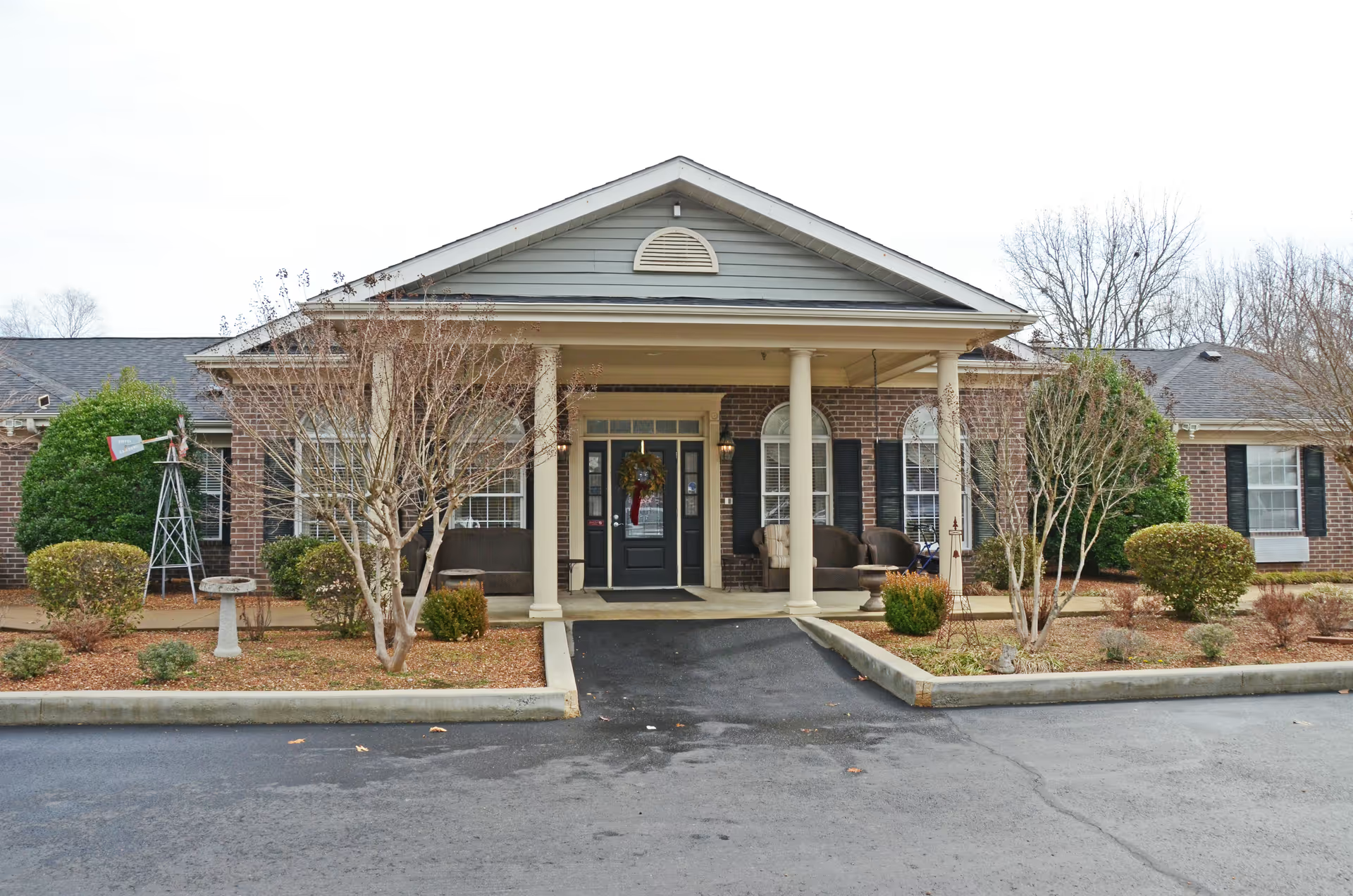
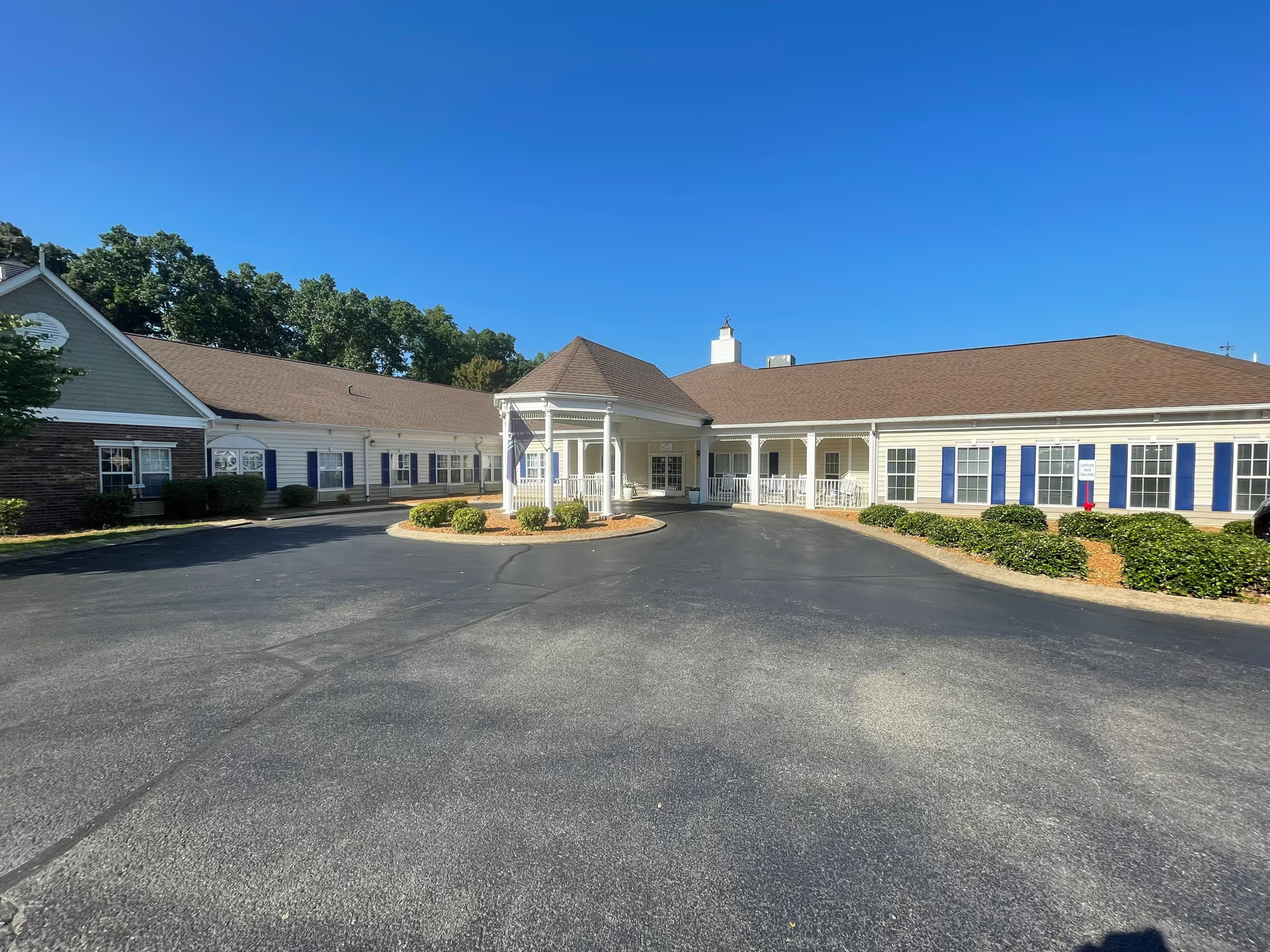
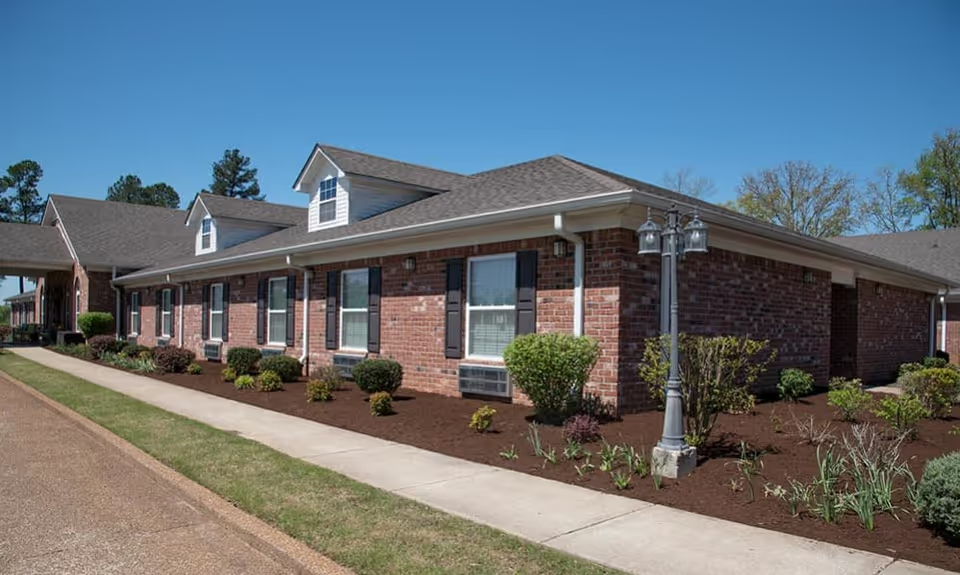
Reviewers describe a facility with several clear operational strengths alongside concerning inconsistencies. On the positive side, Cherrywood Post Acute is repeatedly praised for its active programing and therapeutic offerings: reviewers highlight a robust daily activities schedule, strong rehab and physical-therapy services, and opportunities for social connection that contribute to a cohesive community feel. The dining experience receives positive comments about enjoyable meals, and there are convenient on-site amenities such as a beauty/grooming shop. Multiple accounts emphasize a clean, well-maintained interior and visible infection‑control practices, including COVID-19 precautions.
Staff competence and compassion are recurring strengths in many accounts. Numerous reviewers characterized the nursing and therapy teams as attentive, professional, and knowledgeable; families reported helpful admissions assistance and proactive health updates. This combination of clinical capability and social programming appears to support good outcomes for many residents, particularly those in short-term rehab or receiving active therapy.
However, the reviews show a notable pattern of operational weaknesses that merit attention. Several accounts raise concerns about medication-management inconsistencies and gaps in safety monitoring, including instances where injuries or marks were not clearly documented or communicated. Related to this are repeated comments about variable staff responsiveness—delays in attending to residents and difficulty reaching staff by phone—which point to weaknesses in communication channels and shift-level staffing or procedures. Some reviewers also describe staff as standoffish or uneven in interpersonal tone, suggesting variability in resident–staff interactions.
Taken together, the pattern is one of polarization: many families report a high-quality, compassionate environment with good therapy and activities, while a distinct subset raise serious clinical and communication concerns. Prospective residents and families should verify current medication‑management protocols, incident-reporting and family-notification practices, staffing levels by shift, and phone/communication procedures during a visit. Observing staff–resident interactions, asking for recent inspection or quality reports, and requesting specifics about therapy plans and safety checks can help assess whether the facility’s strengths are consistent with the prospective resident’s needs.