Reviews for The Waters of McKenzie present a mixed but consistent set of themes: many families and visitors praise the staff, therapy services, cleanliness, and social programming, while a subset of accounts raise operational concerns around staffing consistency, personal-care routines, and management responsiveness.
Care quality and clinical services are a clear strength in several accounts. The facility's skilled nursing unit, therapy programs, and physician rounds receive positive comments; physical and occupational therapy are described as helpful, and bedside nursing is often characterized as attentive and compassionate. At the same time, reviewers indicate variability in day-to-day personal care — examples include inconsistent bathing, unmade beds, and hygiene maintenance — which suggests uneven execution of routine care processes across shifts or units. There are also mentions of medication-administration and documentation gaps and at least one allegation of impaired staff conduct; these are serious concerns families will likely want to explore during a tour and in pre-admission discussions.
Staffing and workforce issues appear to underlie many of the negative experiences. Numerous comments note that caregivers work long hours and feel understaffed, particularly overnight, which reviewers link to slower response times and inconsistent attention to resident needs. Conversely, staff are frequently described as compassionate, respectful, and family-oriented when they are present; this discrepancy suggests that staffing levels and shift coverage — rather than staff attitude — are a major determinant of family satisfaction.
Dining and activities are generally cited positively. Meals are described as well prepared and residents appear to enjoy programming such as seasonal events and social activities; the social-work and admissions teams receive praise for being welcoming and helpful. However, occasional meal-preparation errors and inconsistencies in service are mentioned, indicating variability in the dining experience.
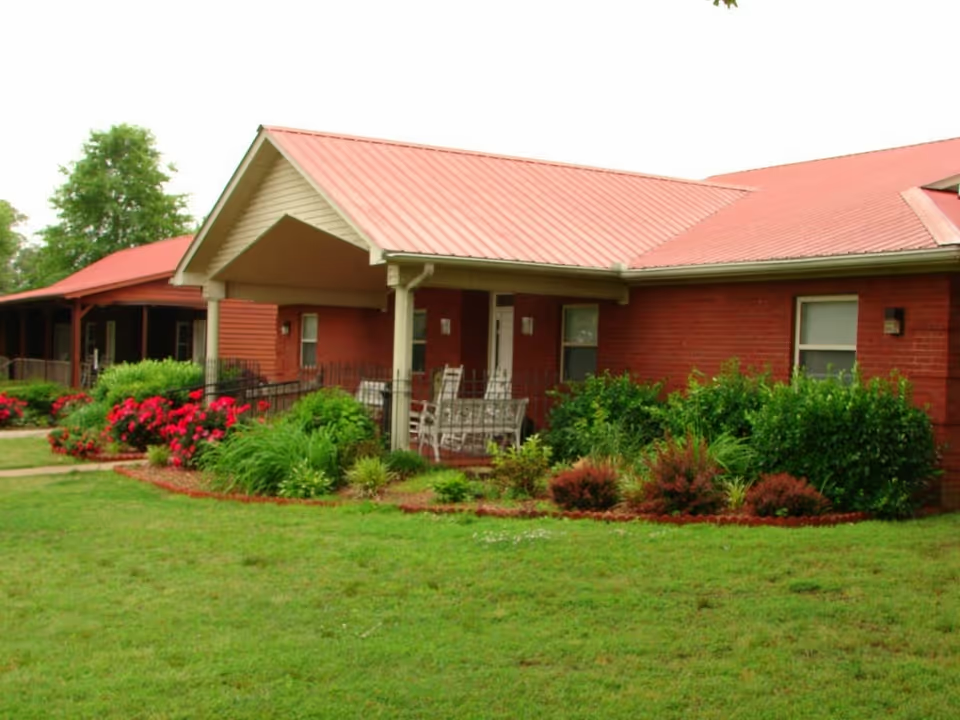
Facility and environment feedback is similarly mixed. Many notes highlight a clean, attractive, home-like building with fresh, well-maintained common areas. Counterbalancing those comments are reports of odor concerns in some areas, perceptions of cramped resident rooms with limited closet space, and inconsistent housekeeping in individual rooms. For residents requiring more intensive rehab equipment, reviewers noted a lack of a dedicated gym on-site which required transfers to other providers for certain programs.
Management and communication elicit divergent views. Several families praise hands-on managers, clear communication, and timely responses, while others describe delays in addressing concerns and request escalation to corporate or home-office leadership. Cost is another frequent topic: families note the facility's relatively high monthly fees and urge prospective residents to confirm precisely which services are included and how the facility handles care-plan changes.
Recommendation: prospective residents and families should schedule a guided tour that includes the skilled unit and therapy spaces, request written staffing ratios (including night coverage), ask about protocols for personal-care schedules and medication administration, verify available rehab equipment, and clarify escalation pathways for unresolved concerns. The Waters of McKenzie shows substantive strengths in therapy, clinical oversight, and social programming, but variation in staffing and routine-care execution means outcomes can depend heavily on shift and unit assignments.