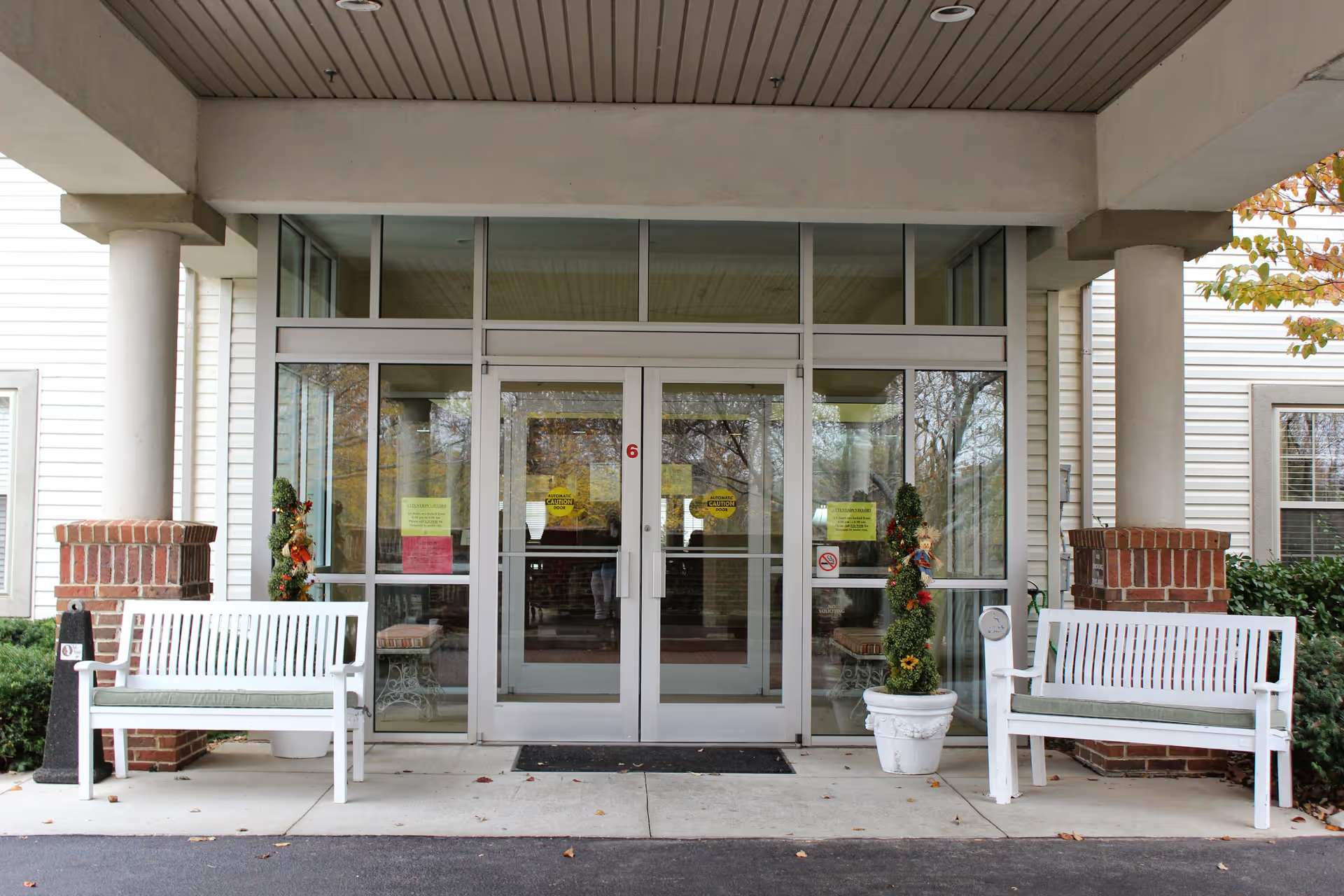
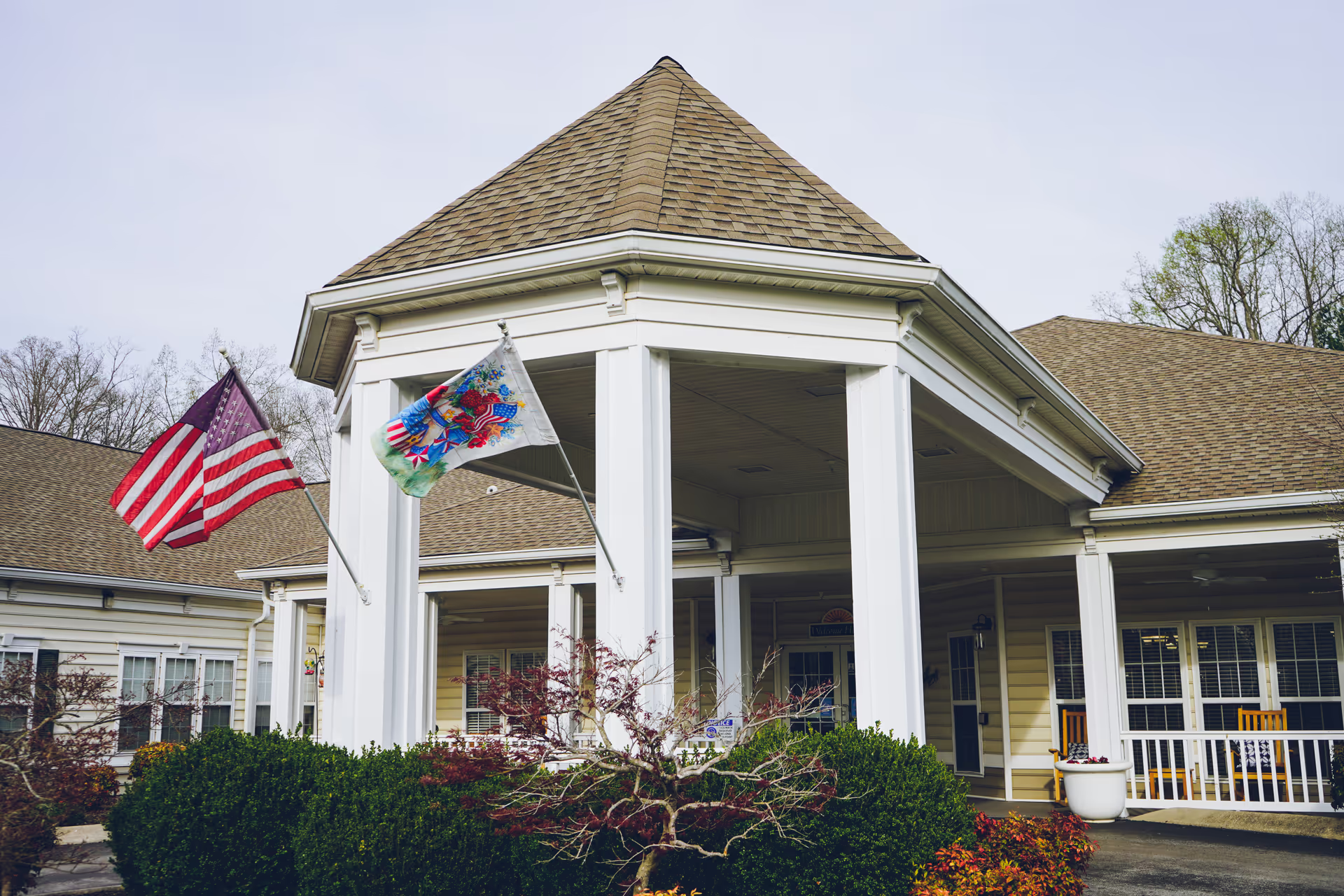
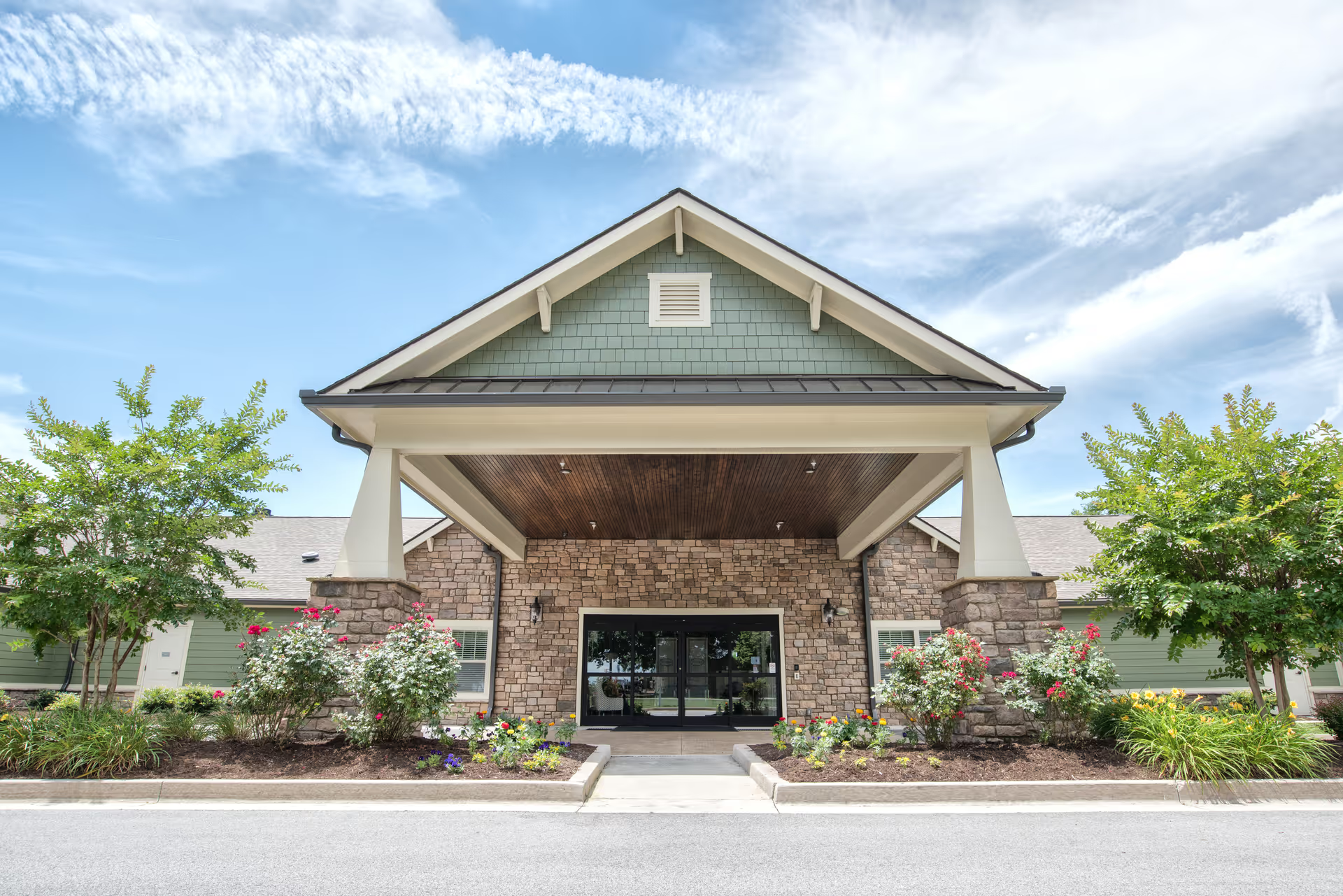
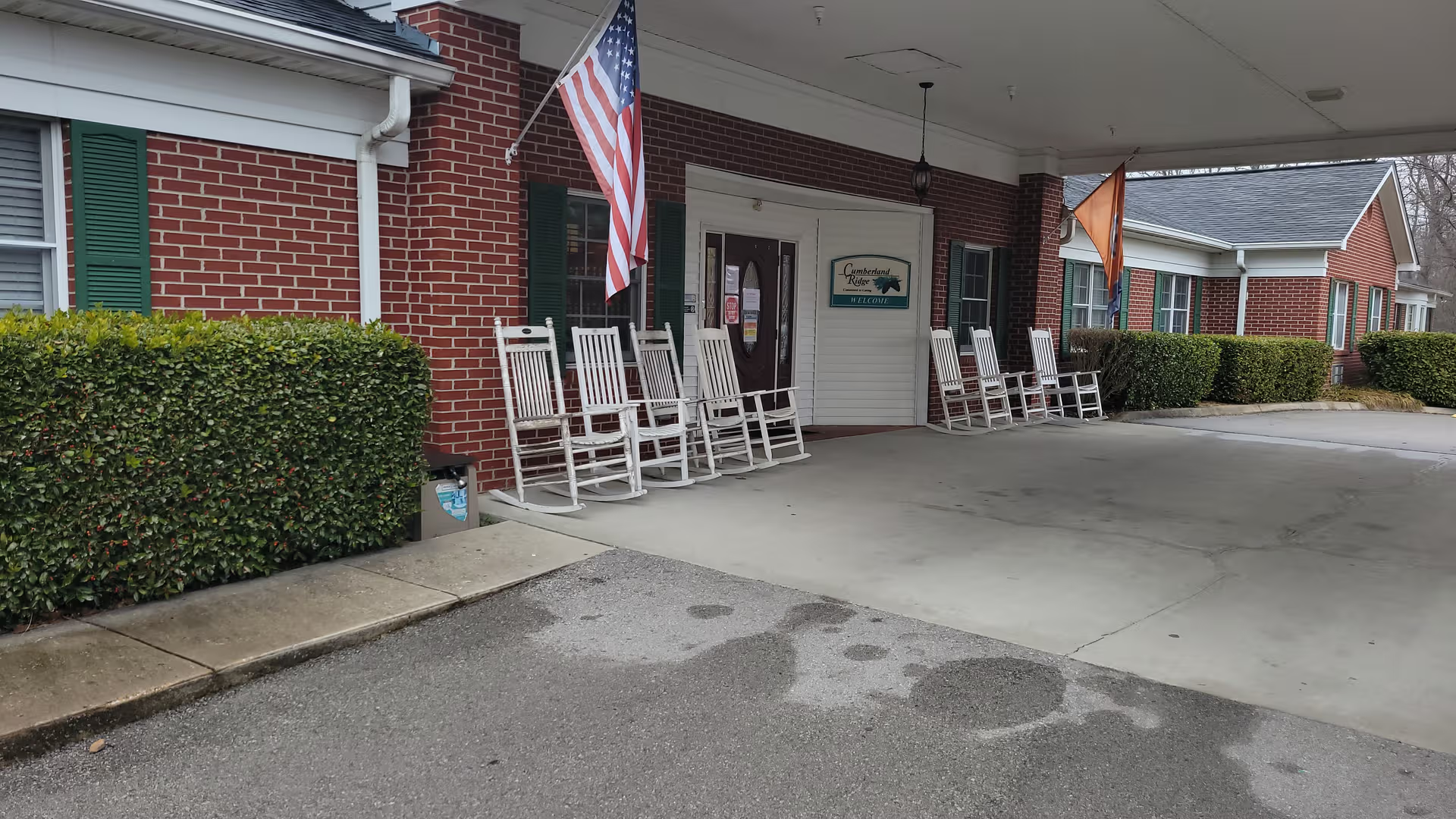
The reviews present a polarized picture of Standing Stone Care & Rehabilitation Center. Many families and residents describe genuinely high-quality elements: compassionate nursing and CNA attention, effective therapists who produce measurable functional improvements, an active and engaging activities program (arts and crafts, music, volunteer involvement), and a facility environment that can feel clean and homelike with family-friendly visiting areas. Several accounts single out clinical leadership, an involved Director of Nursing, and skilled wound-care nursing as clear strengths that supported positive clinical outcomes.
Counterbalancing those positive descriptions are a number of operational concerns that recur across accounts. Staffing and coverage are cited as inconsistent, with delayed responses to call lights and resident requests; reviewers connect those delays to timely assistance shortfalls and elevated safety risk. Multiple reviews describe medication-administration issues and documentation inconsistencies, as well as lapses in infection-control practices and PPE use. There are repeated references to gaps in pressure-injury prevention and wound surveillance, and to serious adverse outcomes including infection and sepsis following pressure injuries in individual accounts.
Dining and amenities elicit mixed impressions: some reviewers find the facility clean and appreciate the cafeteria for family gatherings, while others note variable food quality and sanitation or odor concerns in common areas. The activities program and therapy resources are a clear strength for many residents, though a subset of reviewers describe inconsistent therapy quality or disagreement over discharge and rehabilitation decisions.
Management and administrative themes include uneven family communication, occasional unprofessional communication with callers, and concerns about billing and bed-hold practices that can be confusing or burdensome for families. There are also reports indicating weaknesses in personal-property handling and post-discharge security. Overall, the pattern is one of meaningful strengths in clinical leadership, therapy, and resident engagement coexisting with operational variability—particularly around staffing, infection control, medication safety, and administrative consistency. Prospective residents and families should weigh both the facility’s demonstrated clinical and social strengths and the potential for inconsistent operational performance; if possible, observe current staffing levels, ask about infection-control protocols, medication-safety checks, wound-prevention practices, and clarify billing/bed-hold policies before admission.