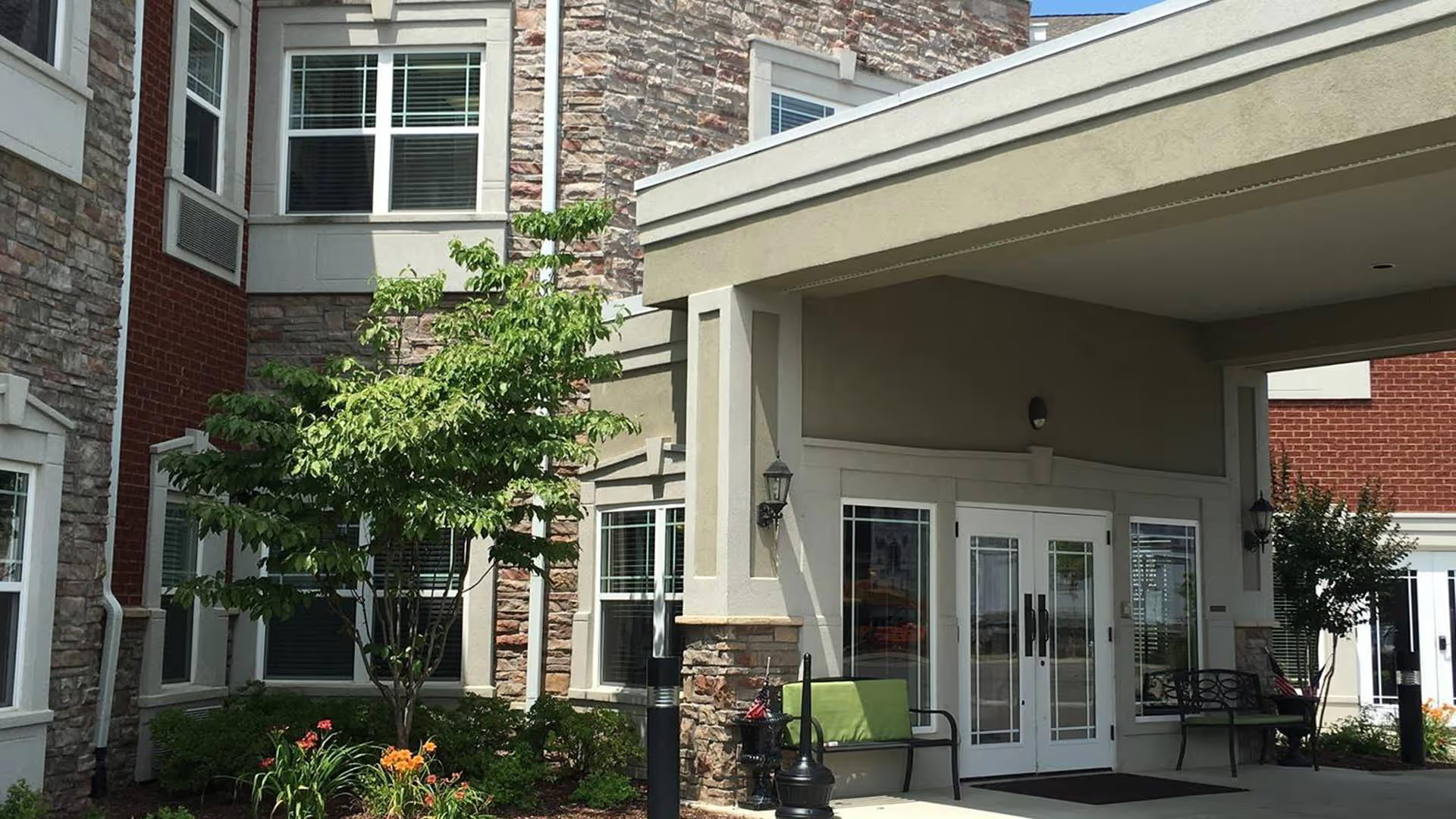
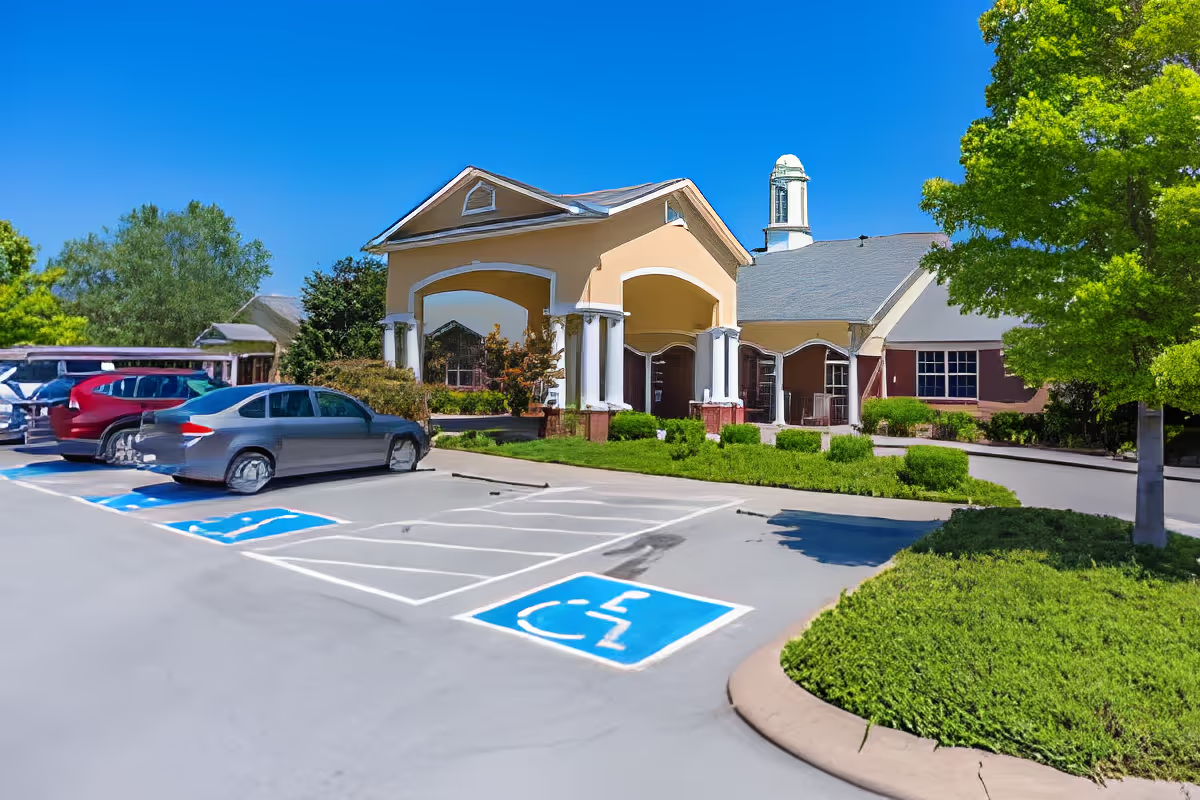
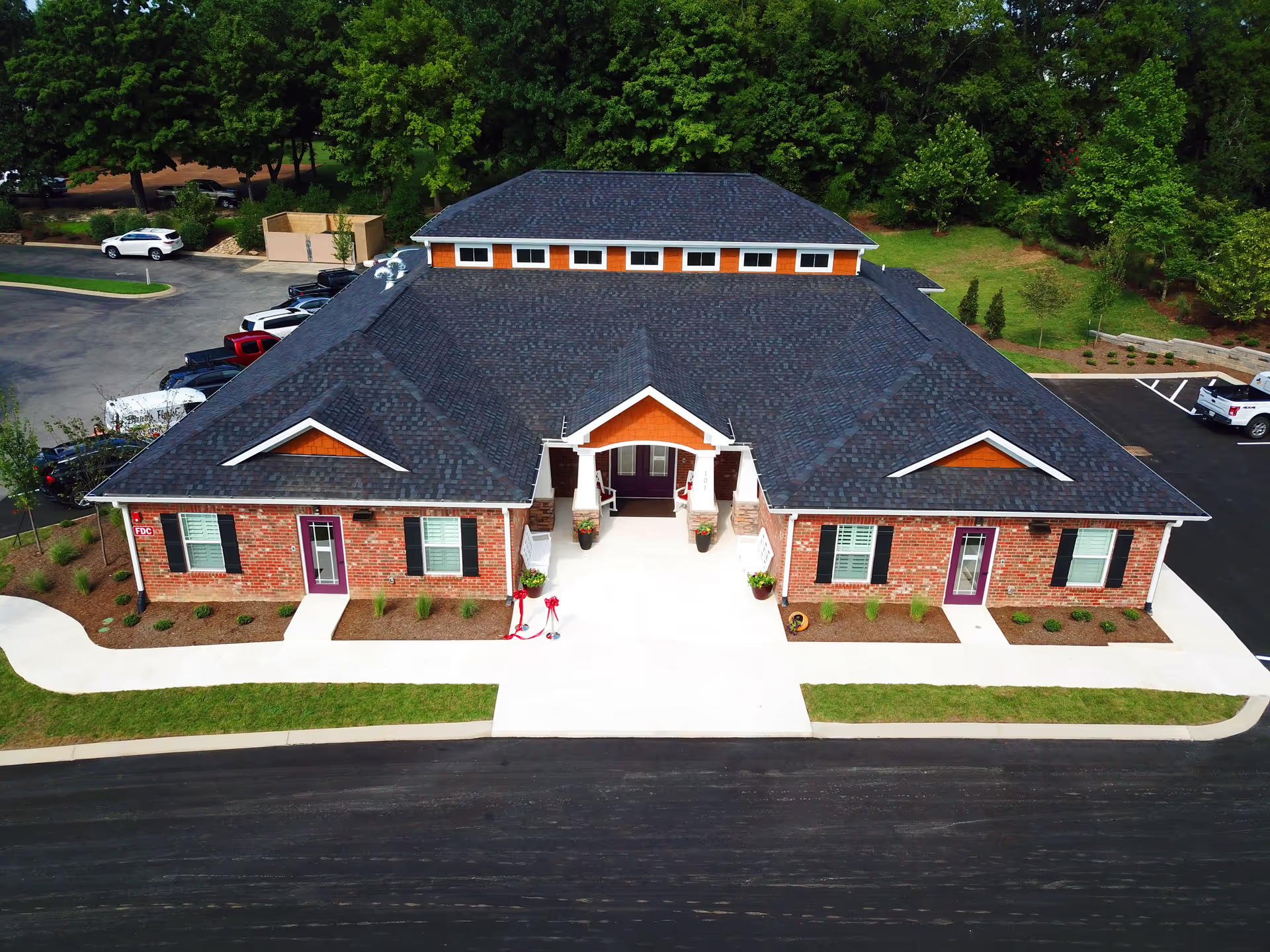
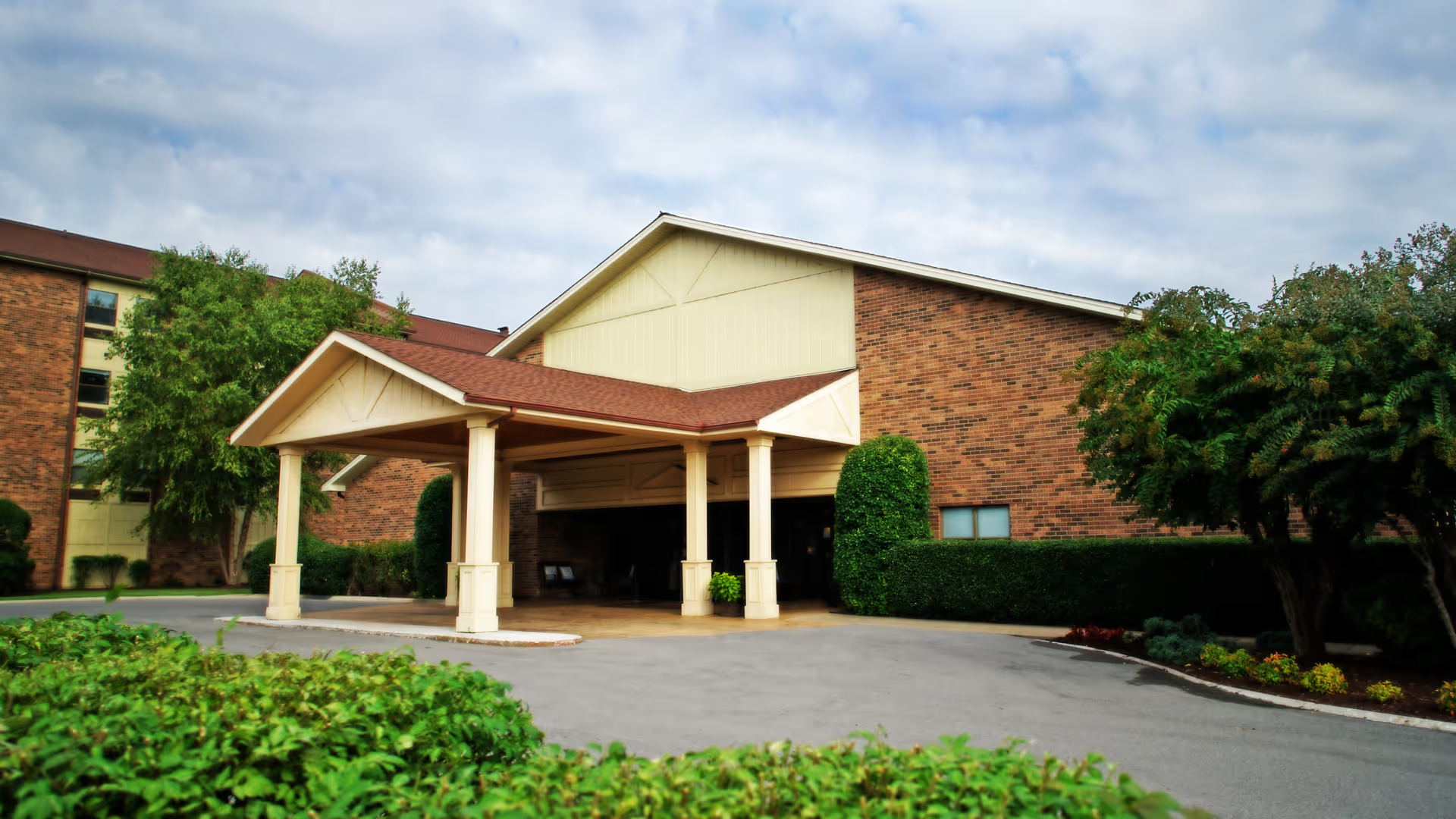
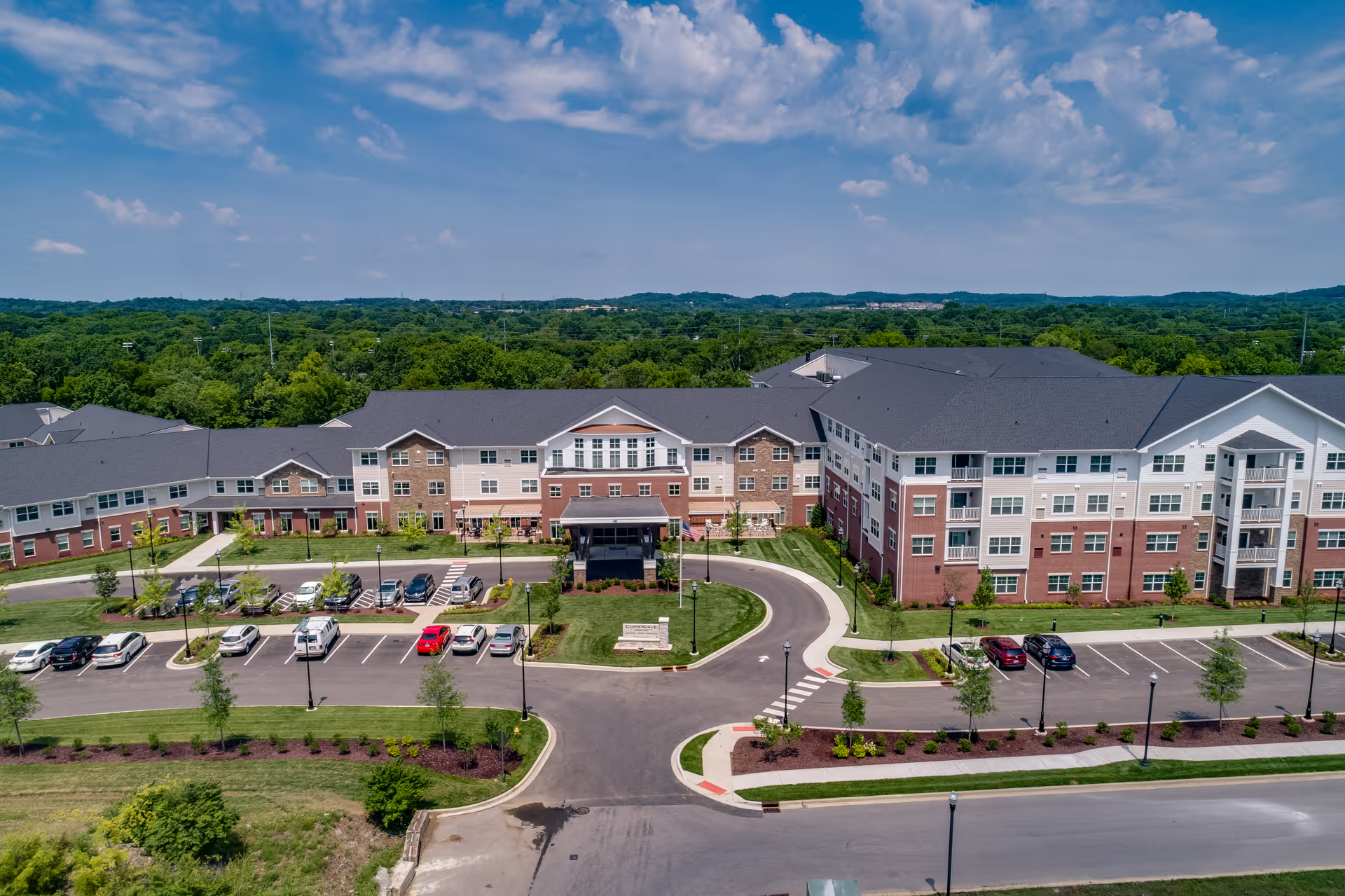
The reviews present a mixed but consistent pattern of strengths and operational weaknesses. On the positive side, Carrick Glen is frequently described as an attractive, recently renovated community with spacious apartments and villas, many of which feature porches or attached garages. The property and common areas are often called clean and welcoming, and the small, family‑style environment is repeatedly praised for fostering familiarity between staff and residents. Onsite therapy (PT/OT) and rehabilitation resources are commonly cited as strengths; several accounts note daily therapy availability and a stable, effective therapy team that supports short‑term recovery and functional gains.
Care quality is a polarizing theme. Numerous families describe attentive, compassionate nurses, CNAs, and RA staff who are responsive, proactive, and capable of noticing subtle clinical changes. These accounts highlight strong family communication, investigative follow‑up on concerns, and individualized attention to resident preferences. Conversely, other accounts raise concerns about inconsistent staffing, frequent turnover, and reliance on agency or third‑party personnel. Those concerns are associated with variable staff competency and instances where the facility’s ability to manage higher‑acuity dementia or complex medical needs was questioned. Prospective residents with significant clinical needs should therefore verify staffing ratios, staff qualifications, and the facility’s clinical scope before admission.
Dining and programming receive mixed feedback. Several reviews laud enjoyable meals, social dining, and food‑related outings, while others describe repetitive, low‑quality meal options and discouraged enrollment in the meal plan by some families. Activities are generally viewed as a strength when an active director is present; organized outings, family nights, worship services, and weekly programming contribute to a home‑like, social environment. A few reviewers, however, found activities to be basic or limited depending on staffing levels.
Operational and management issues are another recurrent theme. Multiple reviewers flagged pricing and billing transparency problems, including high prorated daily costs and disputes over charges for periods when services were not delivered. There are also repeated references to inflexible respite and readmission policies, with some families reporting difficulty obtaining a return admission after hospitalization. Maintenance and technical reliability concerns appear in several accounts (for example, mechanical or emergency‑equipment gaps), along with isolated pest‑control and sanitation issues; in at least one account a pest concern was addressed promptly. Infection‑control practices and staff morale/pay issues were also noted as areas for clarification.
Taken together, the pattern suggests a facility with solid physical amenities, strong therapy and caregiving capacity in many cases, and an engaging social program — but with meaningful variability in operational consistency. For prospective residents and families: arrange a detailed tour, meet the clinical leadership and activity staff, request written policies on staffing ratios, agency use, readmission/respite rules, infection control, and billing practices, and sample meals. Those steps will help determine whether the facility’s strengths align with the incoming resident’s clinical needs and family expectations.