Reviews of Cedar Creek Post Acute present a polarized picture in which consistently praised clinical strengths coexist with recurring operational weaknesses. Many accounts highlight a skilled, compassionate clinical team — including wound nurses, therapy staff, and specific nursing and administrative personnel — who deliver effective rehabilitation, wound care, and hospice/long-term support. Families frequently credit physical, occupational, and speech therapy with measurable recovery, and they note engaging activities, bilingual communication, and administrative help with paperwork and benefits as meaningful supports.
At the same time, a consistent set of operational concerns emerges. Staffing levels and task responsiveness are described as uneven, producing delays in medication administration, assistance with toileting and mobility, and delayed escalation of acute issues. These gaps are associated with additional clinical risks in some reports, including repeated hospital transfers and wound-care or skin integrity problems. Reviewers also describe lapses in care coordination and clinical documentation (for example, missing orders or delayed transfers) that can complicate transitions and clinical continuity.
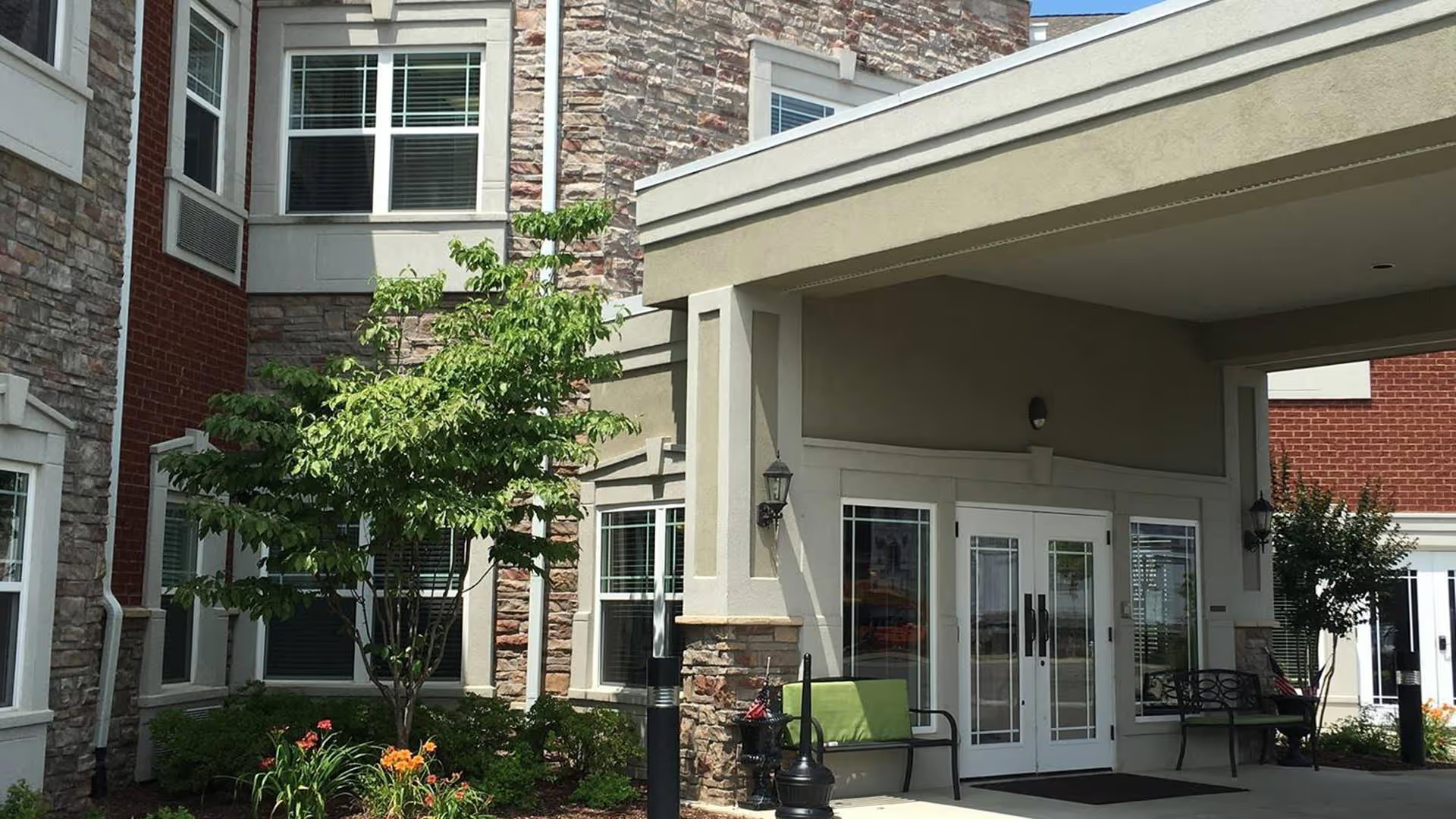
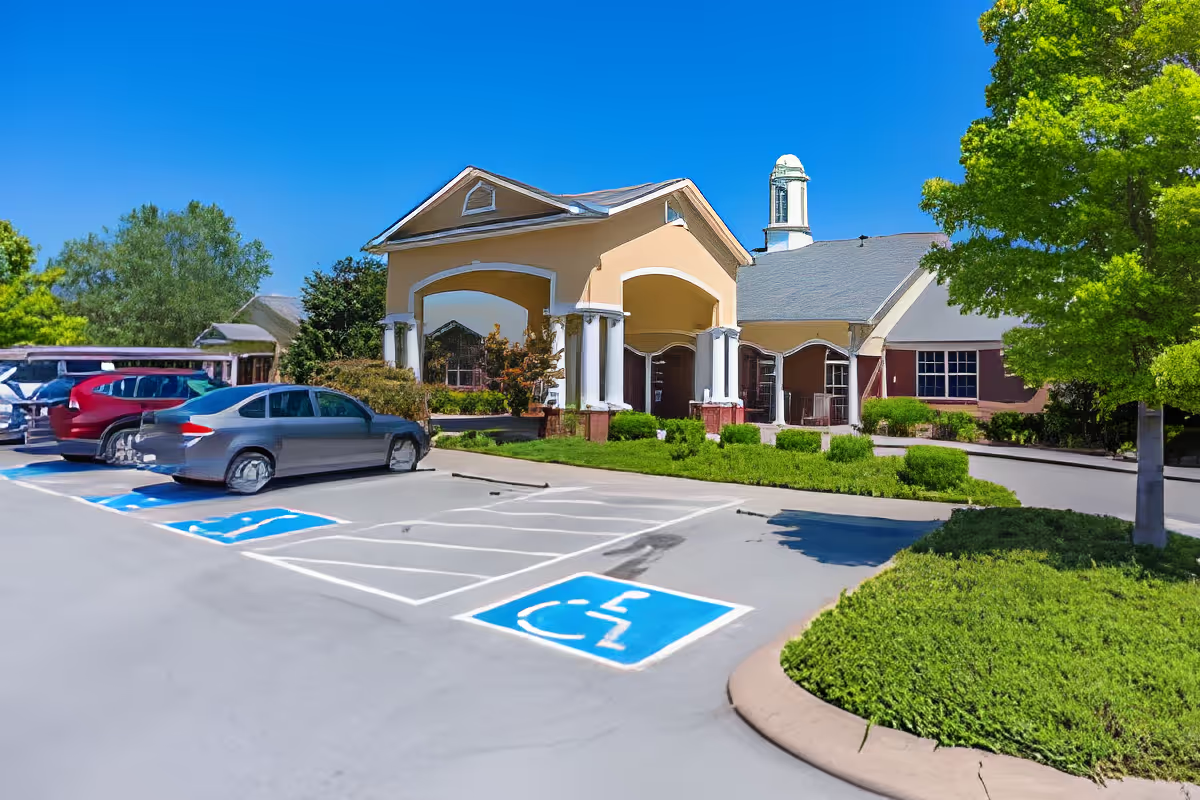
Facility and housekeeping accounts are mixed. Several reviewers praise cleanliness, refreshed common areas, and recent renovations; others document sanitation and odor-control concerns, inconsistent housekeeping, cosmetic deficits such as holes and peeling paint, and isolated pest-control mentions. Dining receives generally positive comments about taste and variety, while some practical inconveniences are raised (vending pricing, broken TVs, variable parking).
Management and communication show a clear pattern of change over time. New leadership and named administrators are credited with measurable improvements in responsiveness, transparency, and community outreach; yet other families describe poor after-hours access, unreliable entry systems, unanswered calls, and inadequate family notification during incidents. There are also recurrent remarks about inconsistent staff conduct and professionalism — experiences range from highly attentive caregivers to accounts of brusque or defensive communication.
A notable theme is variability: many reviewers strongly recommend the facility based on clinical outcomes and specific staff members, while others describe experiences that raise operational concerns. Prospective residents and families should ask targeted questions about current staffing ratios for the unit they are considering, medication-administration protocols and monitoring, property-protection procedures, sanitation and housekeeping schedules, after-hours communication policies, and recent regulatory or certification updates. Visiting the unit during different shifts, meeting therapy and nursing leaders, and requesting written care-coordination plans can help determine whether the facility’s current practices meet a family’s expectations.