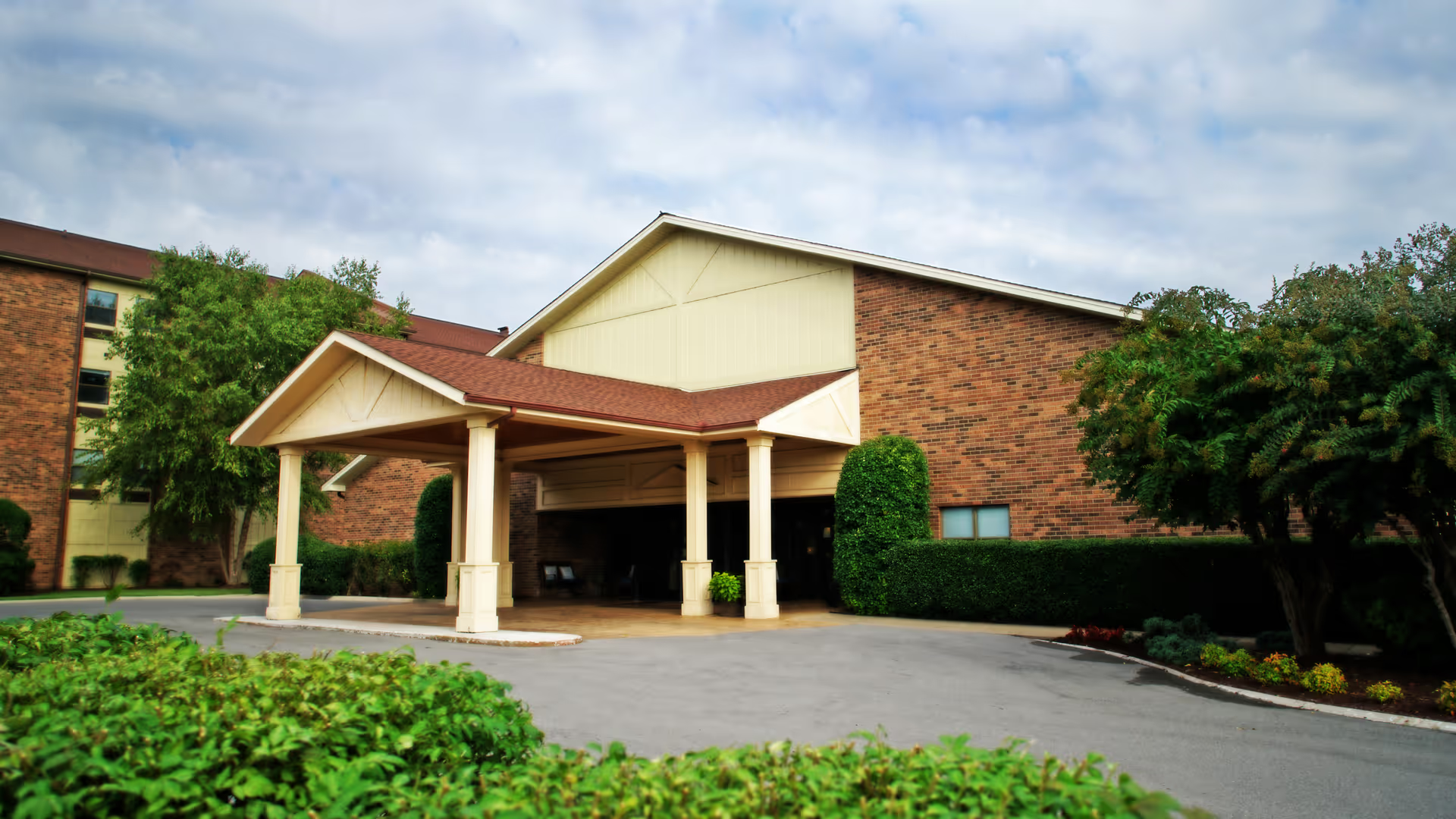
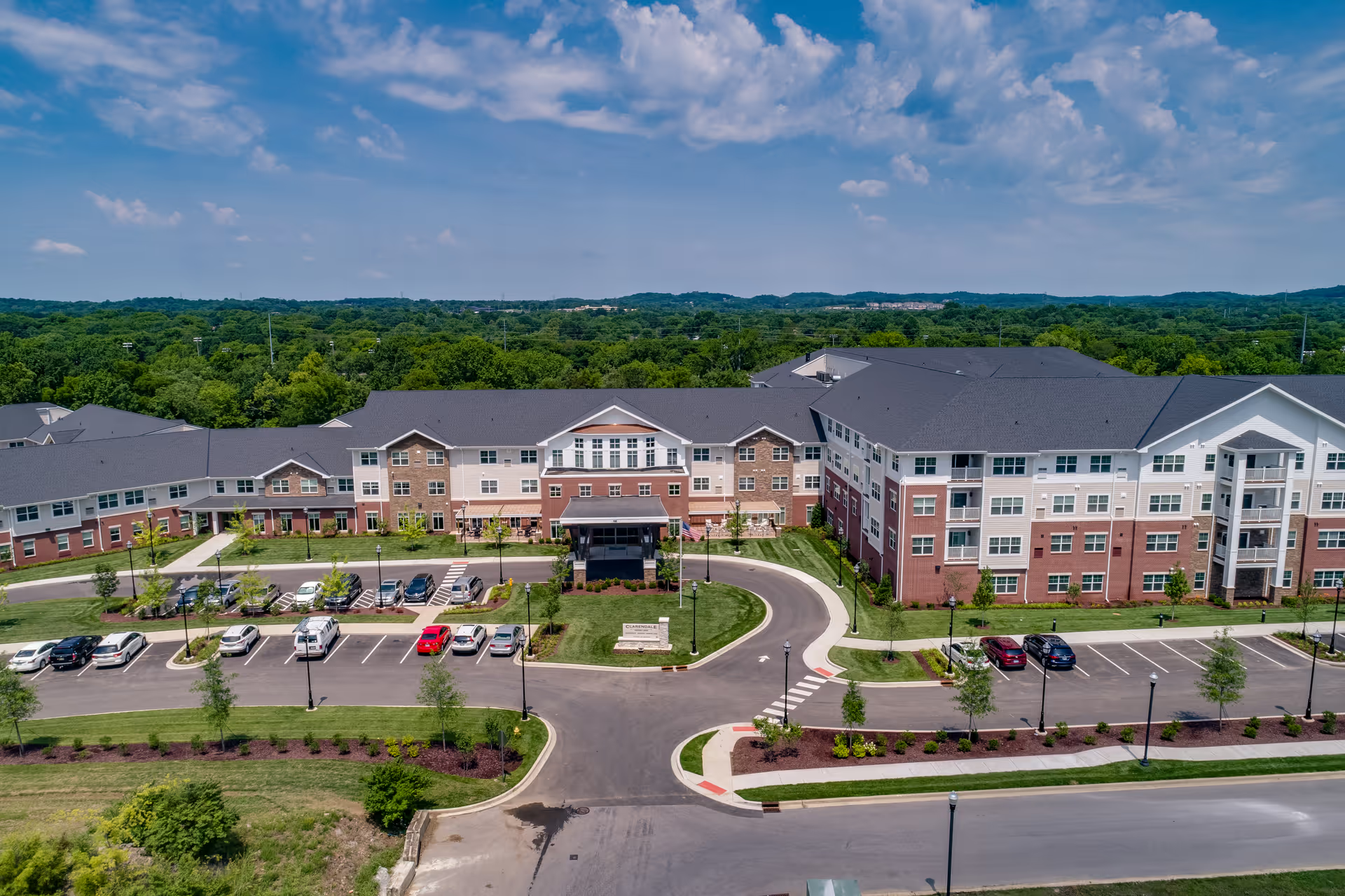
Rutland Place presents as a well‑appointed independent living community with consistently emphasized strengths in staff culture, amenities, and resident engagement. The dominant theme across available commentary is that staff are compassionate, personable, and relationship‑oriented; many reviewers describe a family‑style atmosphere, active leadership presence, and staff who go beyond basic duties to support residents. Tour experiences and move‑in processes are frequently described as organized and welcoming, with named staff members receiving positive mention for attentiveness and pacing during visits.
Dining and activities are core selling points. The community offers restaurant‑style dining with multiple entrée options, a continental breakfast choice, and flexible dining hours; reviewers praise an accomplished chef and a broad menu on many occasions. At the same time, a consistent operational criticism concerns food consistency — some accounts describe under‑seasoned or small portions and occasional shortages when service runs out. The activity program is extensive and varied (movie theatre, water aerobics, buses for shopping and appointments, organized social events and a robust holiday calendar), and residents frequently report rapid social integration and frequent participation opportunities.
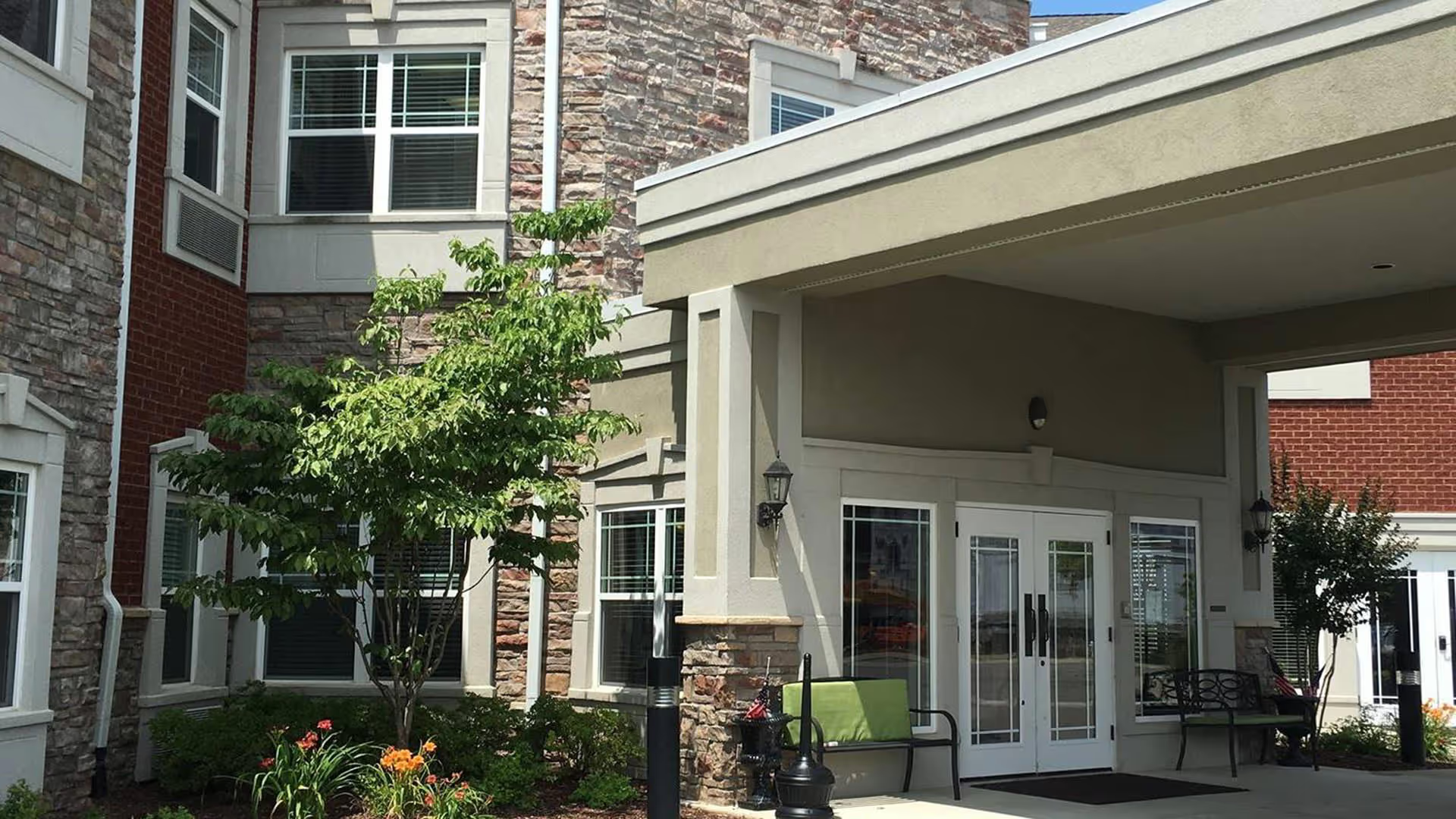
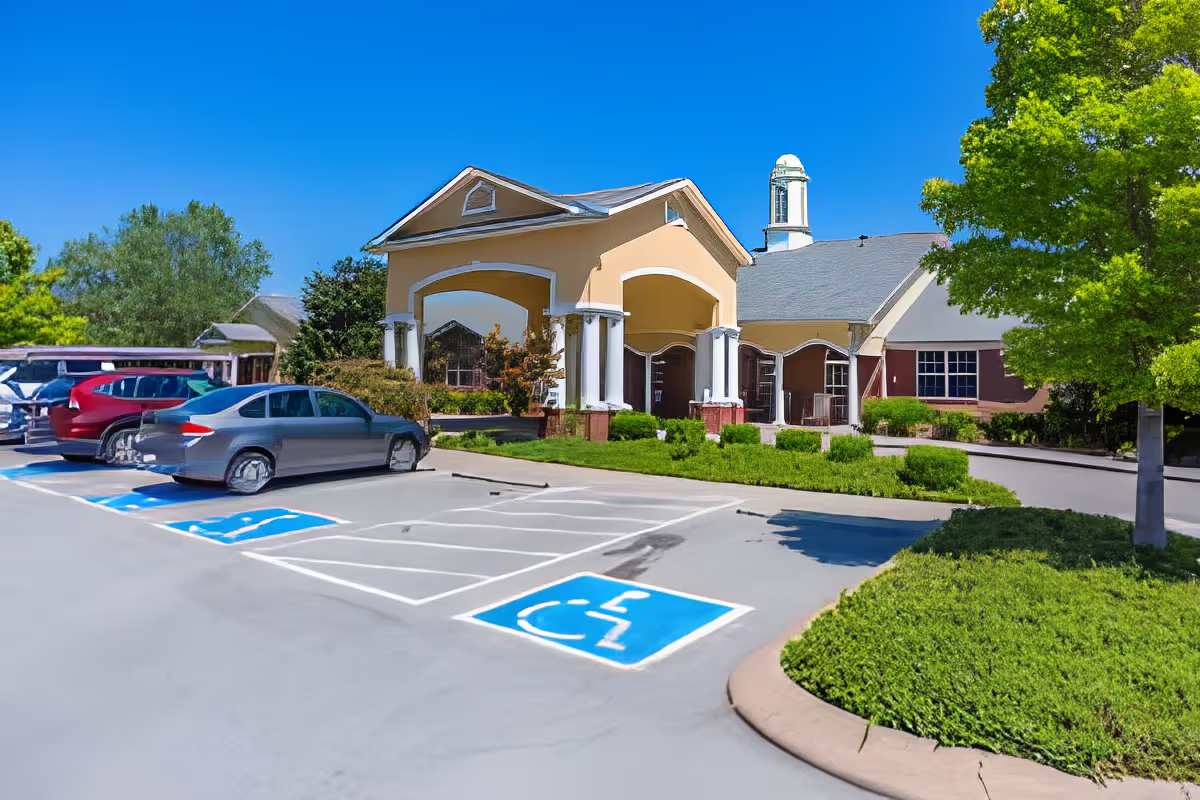
Facility and amenity quality is generally presented positively: reviewers note clean, modern or recently updated common areas, large dining rooms, a theater, library, fitness center, and outdoor walking areas. Apartments are described as functional and roomy in many cases, with utilities included in some pricing structures. The community is pet‑friendly, though specific pet‑transport requirements (carried or stroller policy) are enforced. Security practices such as daily resident checks and sign‑out rosters at the front desk are highlighted as contributing to family peace of mind.
Notable operational limitations appear repeatedly. Rutland Place is primarily an independent living community; it does not offer continuous on‑site assisted‑living or skilled‑nursing care, relying instead on weekly clinical visits and external providers for higher‑acuity needs. This makes it a strong fit for active older adults but a less suitable choice for those requiring frequent medical oversight. Reviewers also flag variability in staff responsiveness and communication at times (examples include slow response to call lights or inconsistent service), along with intermittent cleanliness and odor concerns in specific common areas. Thin interior walls and sound transfer have been mentioned as a comfort issue for some residents.
A small number of reviewers raised more serious concerns, including strong negative assessments of staff conduct and references to care outcomes that merited follow up; these statements contrast sharply with the majority impressions and indicate the need for prospective families to ask direct questions during tours about incident handling, staffing ratios, and escalation procedures. Other practical points for prospects include perceived variability in pricing and competitive positioning, occasional waiting lists for units, and specific policy constraints such as pet‑transport rules.
Overall, Rutland Place is consistently characterized as a warm, activity‑rich independent living option with a strengths in staff engagement, social programming, and amenities. Prospective residents and families should balance those positives against the community’s independent‑living scope, ask detailed questions about meal routines and clinical support, and verify current unit availability and pricing during a guided tour.