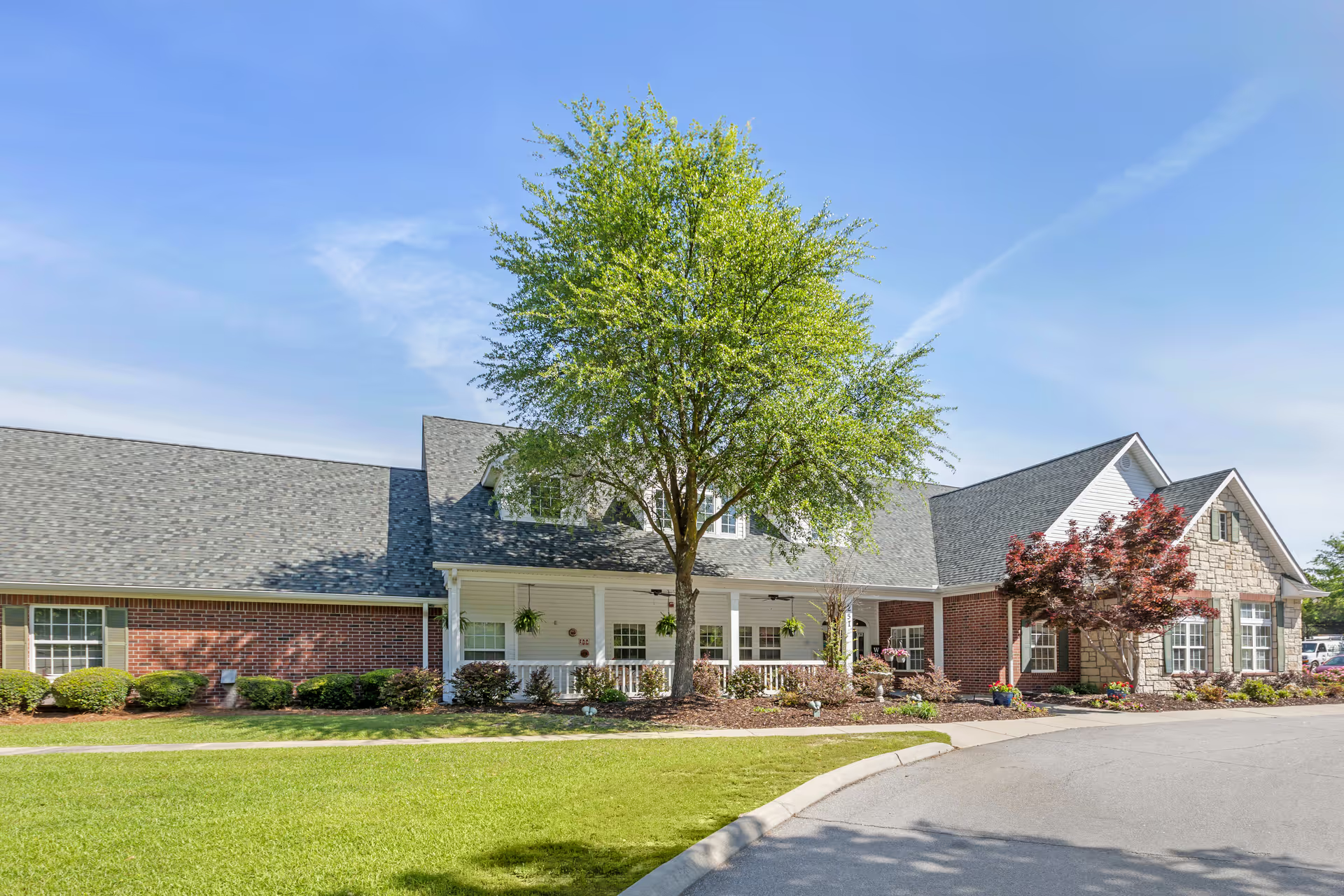
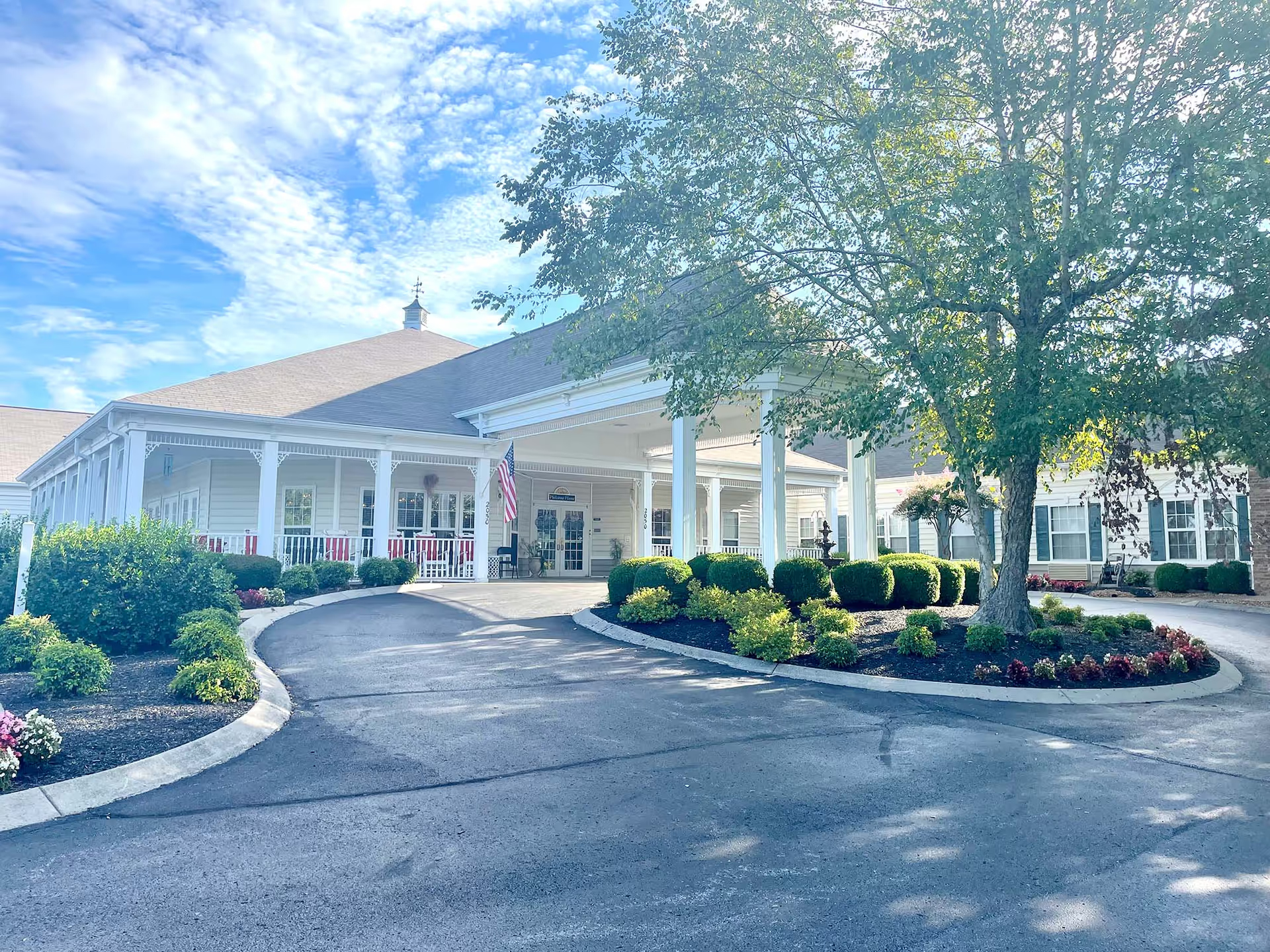
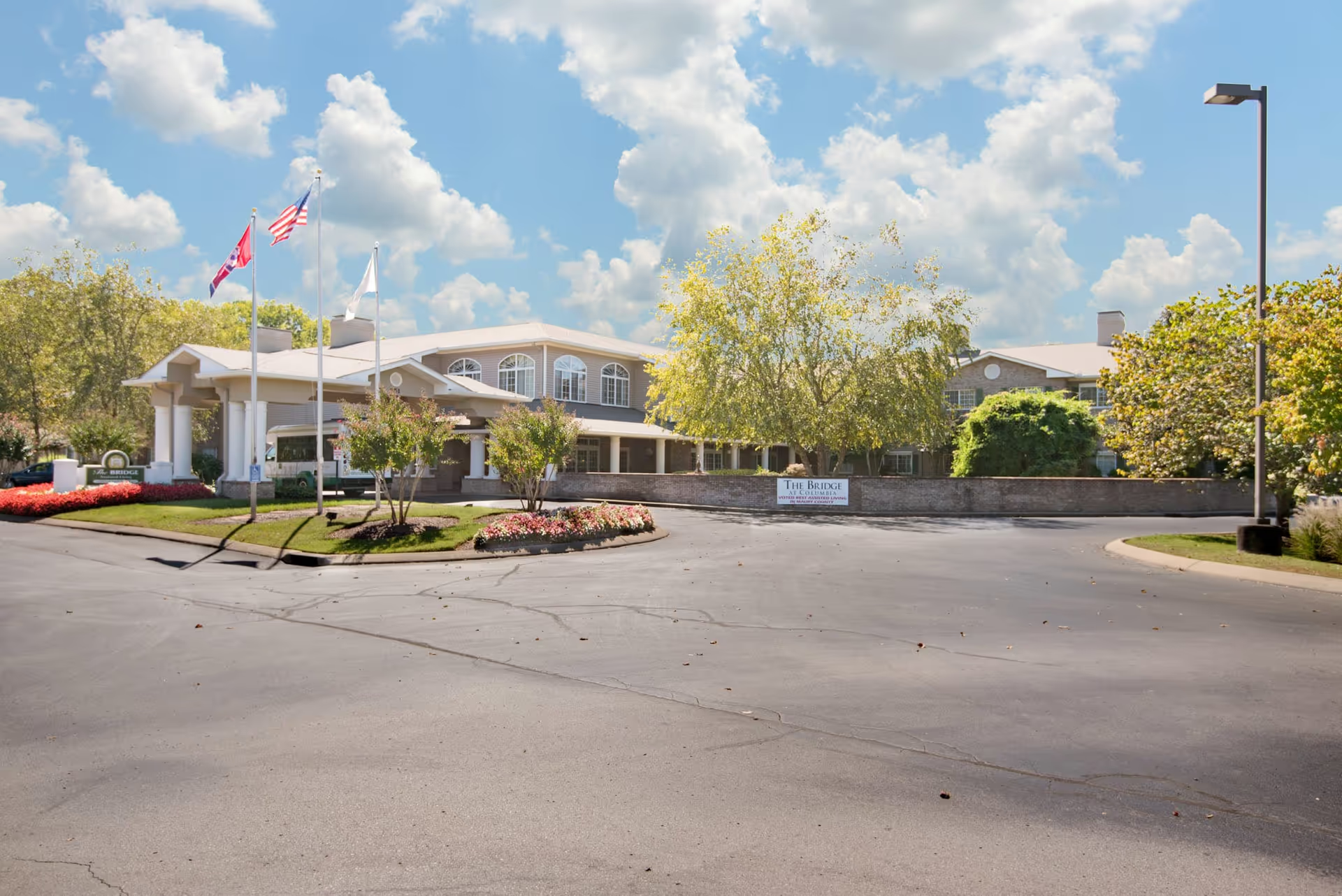
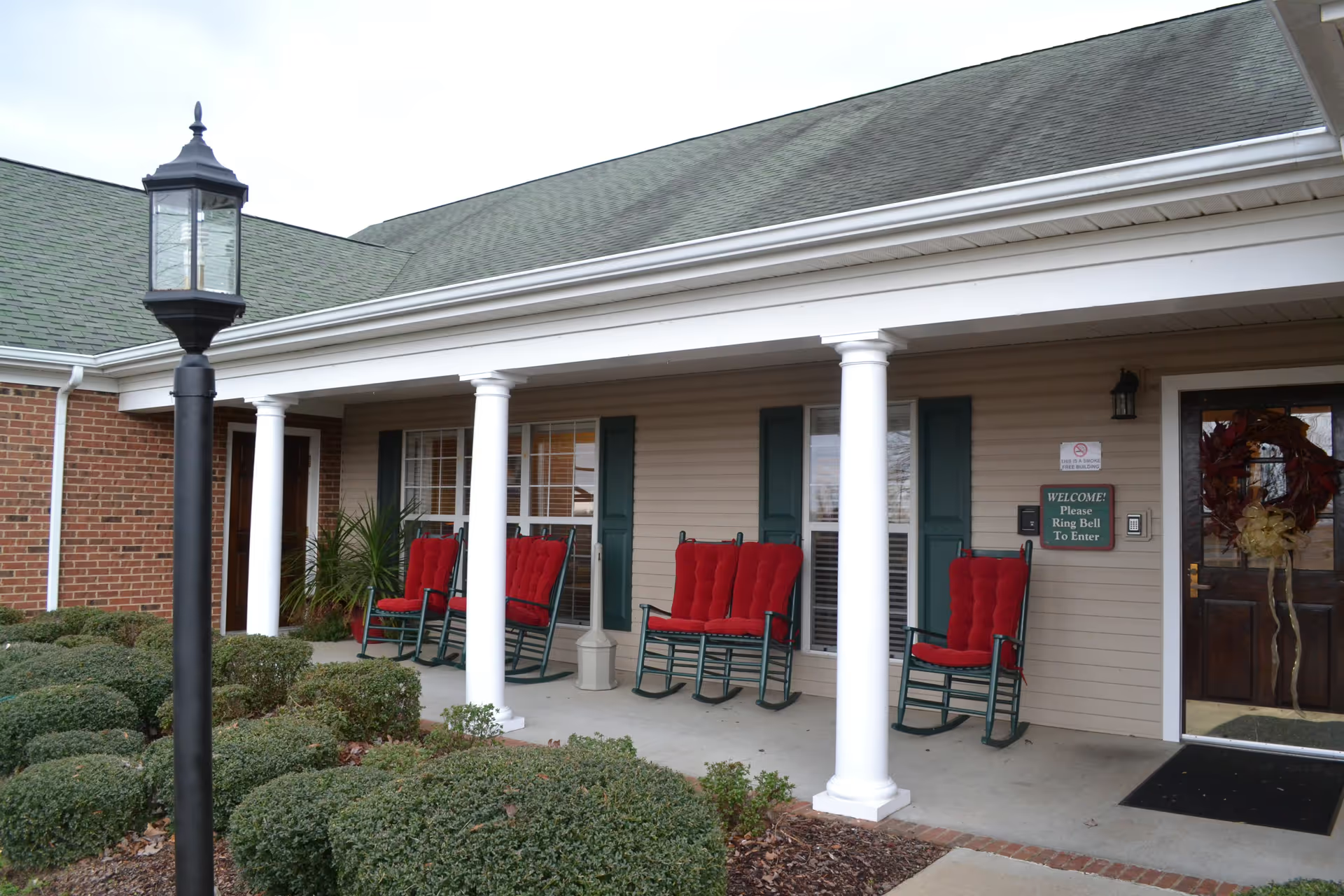
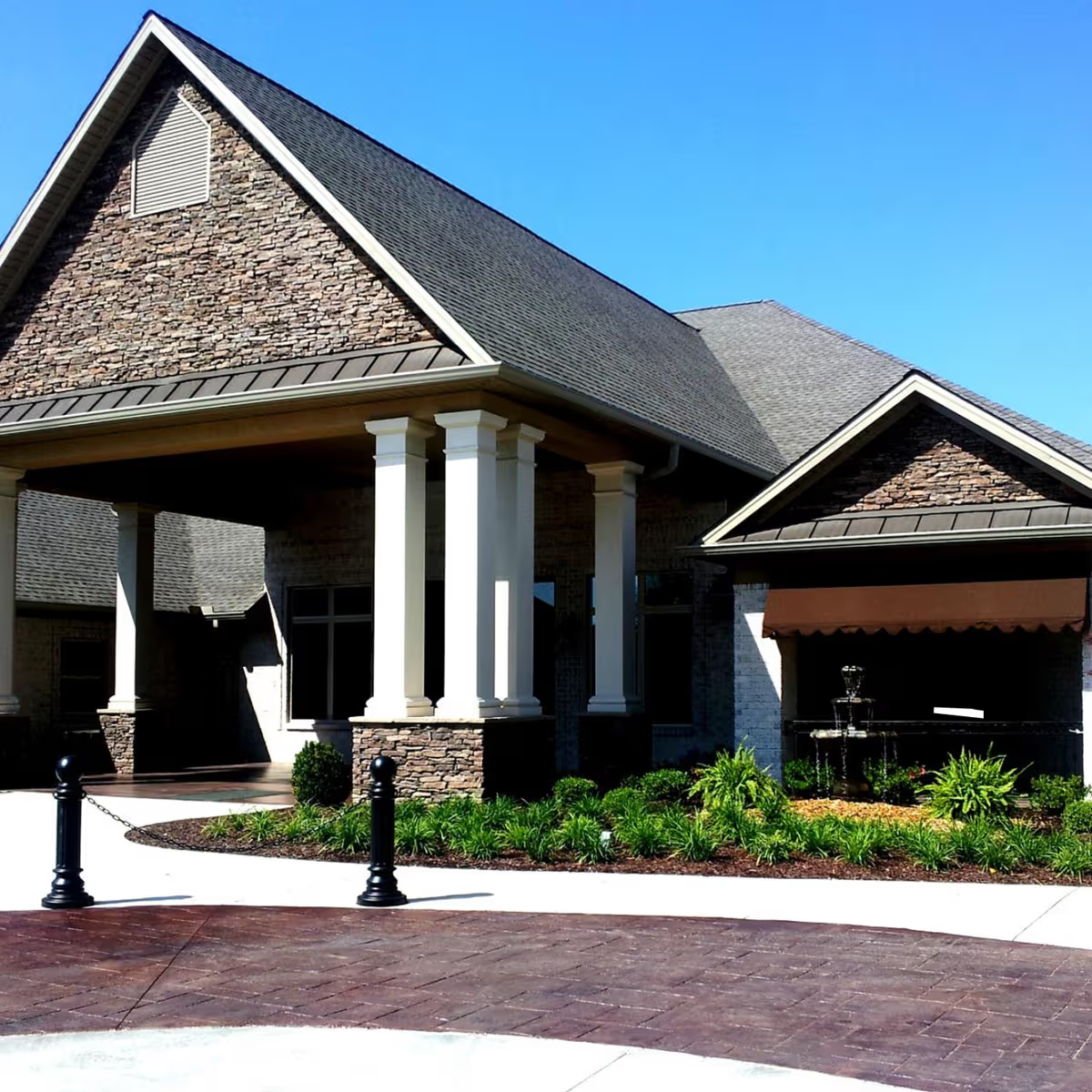
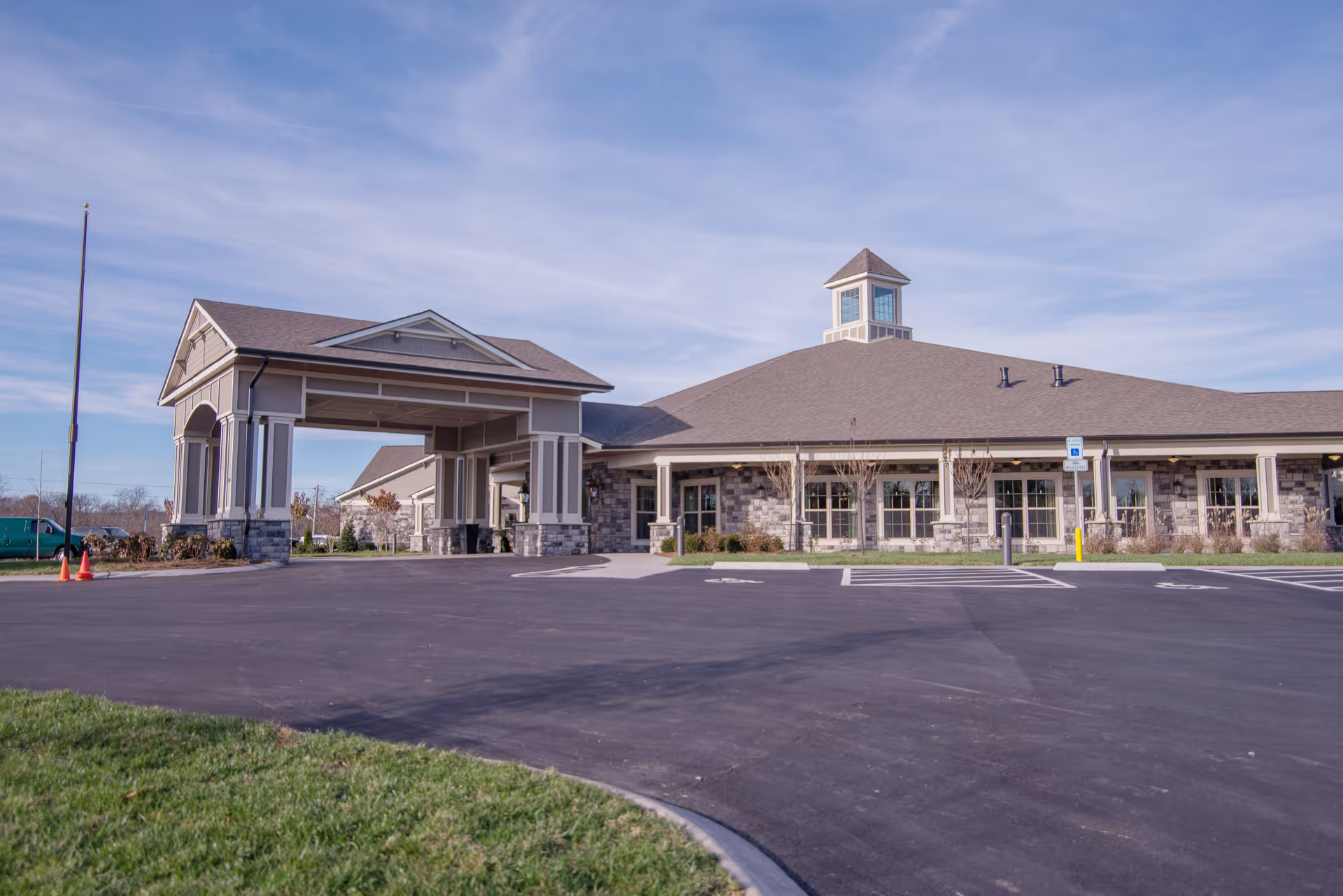
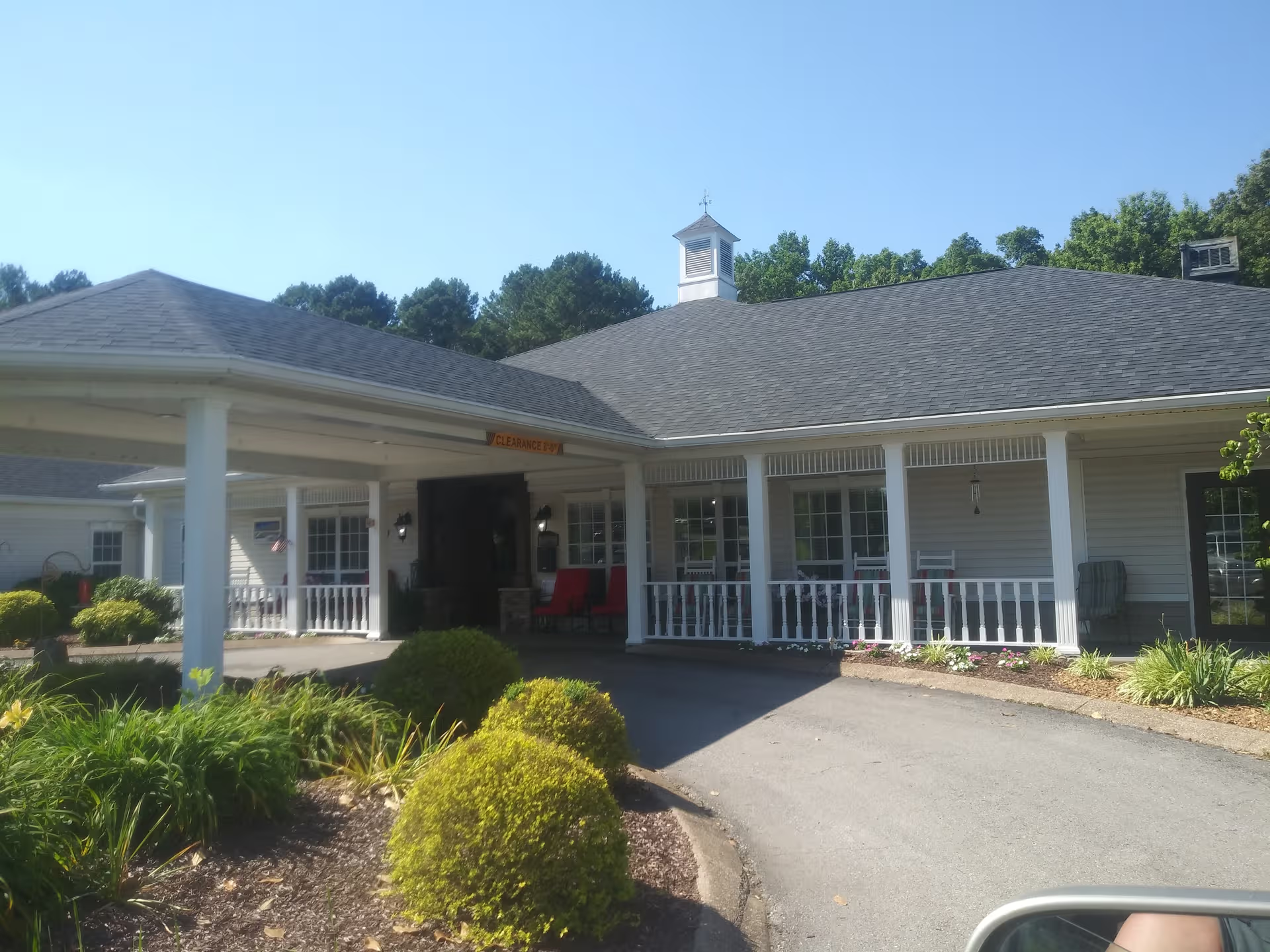
The reviewer set presents a polarized view of Mt Pleasant Health & Rehab Center: many families and patients describe attentive, compassionate caregiving and effective rehabilitation, while other accounts raise operational and safety concerns. Positive comments emphasize a staff culture that can be family-like and personally engaged, rehabilitation services that restore prior function, accessible medical providers on site, and administrative leaders who are visible and responsive. Reviewers praised dietary and housekeeping teams when those services were functioning, and several describe a clean, welcoming atmosphere in renovated areas with modern amenities such as Wi‑Fi and in-room entertainment.
Care quality and staffing: Numerous testimonials highlight strong nursing, CNA support, and therapists who work toward measurable goals. Several families reported that therapy staff and nursing helped patients return home and regain independence. At the same time, a substantive pattern points to inconsistent staffing levels and the use of temporary agency personnel. This variability appears linked to delayed assistance (long call-light response times), gaps in personal-care routines (bathing and bedside assistance), and uneven oversight during acute events. There are also notable concerns about medication management and monitoring; some accounts describe serious medication-related incidents and unclear documentation, indicating a need for tighter medication-administration controls and clearer family communication around medications.
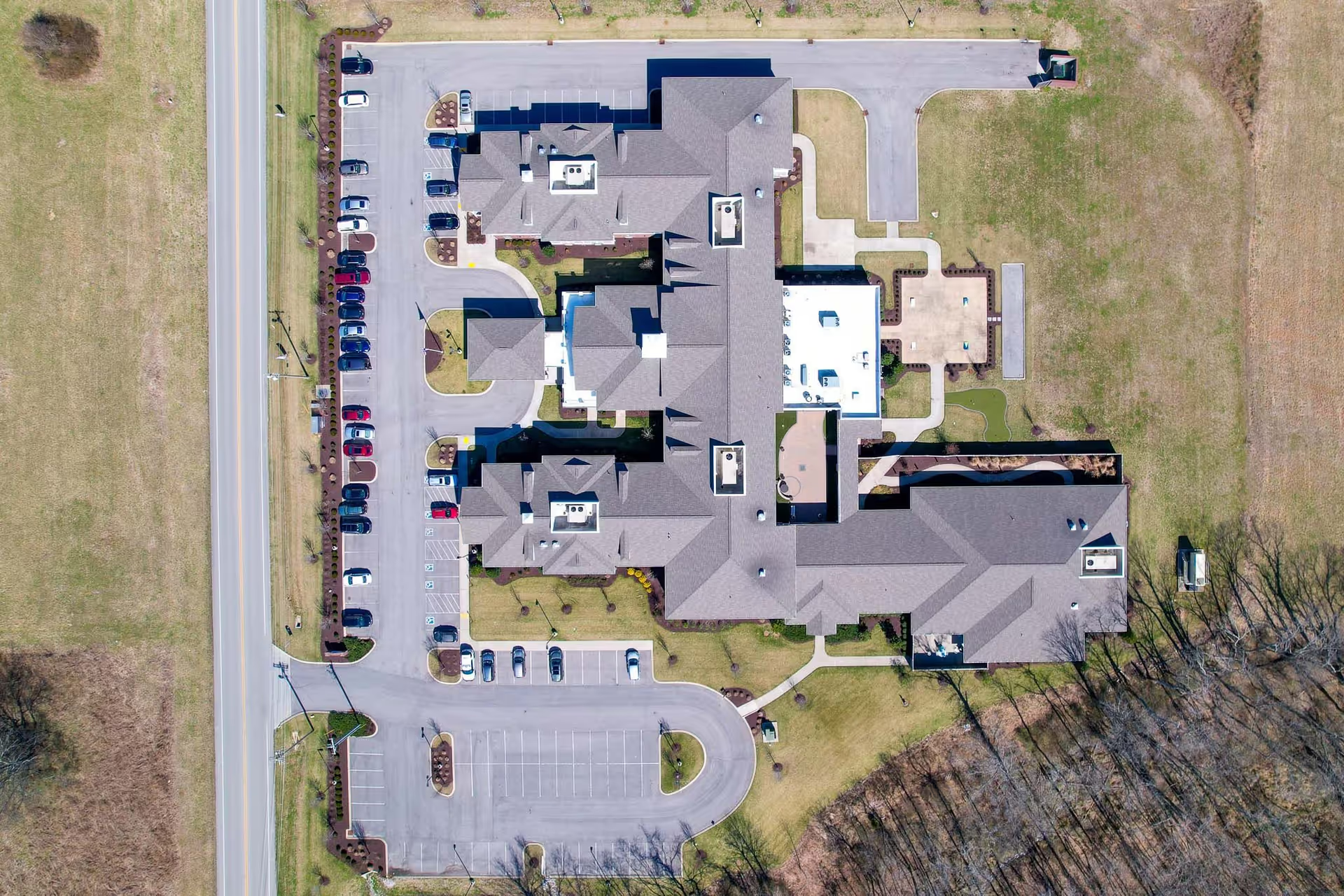
Facilities, dining, and activities: The facility offers a spacious dining area and active programming that many residents and families appreciate. Some areas have been renovated and maintained, contributing to a homelike atmosphere. However, other parts of the building and specific rooms were described as needing maintenance—issues such as nonworking lights, worn mattresses, water-damaged equipment, and missing or broken furniture were cited. Housekeeping performance appears inconsistent: when functioning well it supports a clean environment, but intermittent sanitation and odor concerns were also raised. Activity programming and social engagement were generally viewed as strengths by families who felt their loved ones were occupied and supported.
Management, communication, and patterns over time: Leadership receives mixed evaluations. Several reviewers single out the administrator and DON for proactive, accessible leadership and positive culture change; other accounts criticize administrative responsiveness and complaint resolution. Communication with families is uneven—some families experienced clear interdisciplinary care plans and regular updates, while others reported difficulty obtaining timely answers or transparent medical records. A recurring theme is variability by unit, shift, and time period: positive and negative experiences often coexist, suggesting operational inconsistencies rather than uniform performance across the facility.
Notable patterns and considerations for families: The collection of reviews shows both high-quality, person-centered care and operational vulnerabilities that can affect safety and satisfaction. Areas for focused inquiry when touring or evaluating the facility include: current staffing ratios and use of agency staff by shift, documented call-light response times and escalation protocols, medication-administration policies and recent audit outcomes, dementia-care programming and staff training, facility maintenance and recent renovation records, infection-control and sanitation procedures, and examples of family communication practices. Prospective residents and families may benefit from meeting the administrator and therapy team, asking for recent inspection reports, and requesting references from current long-term residents to assess consistency of care over time.