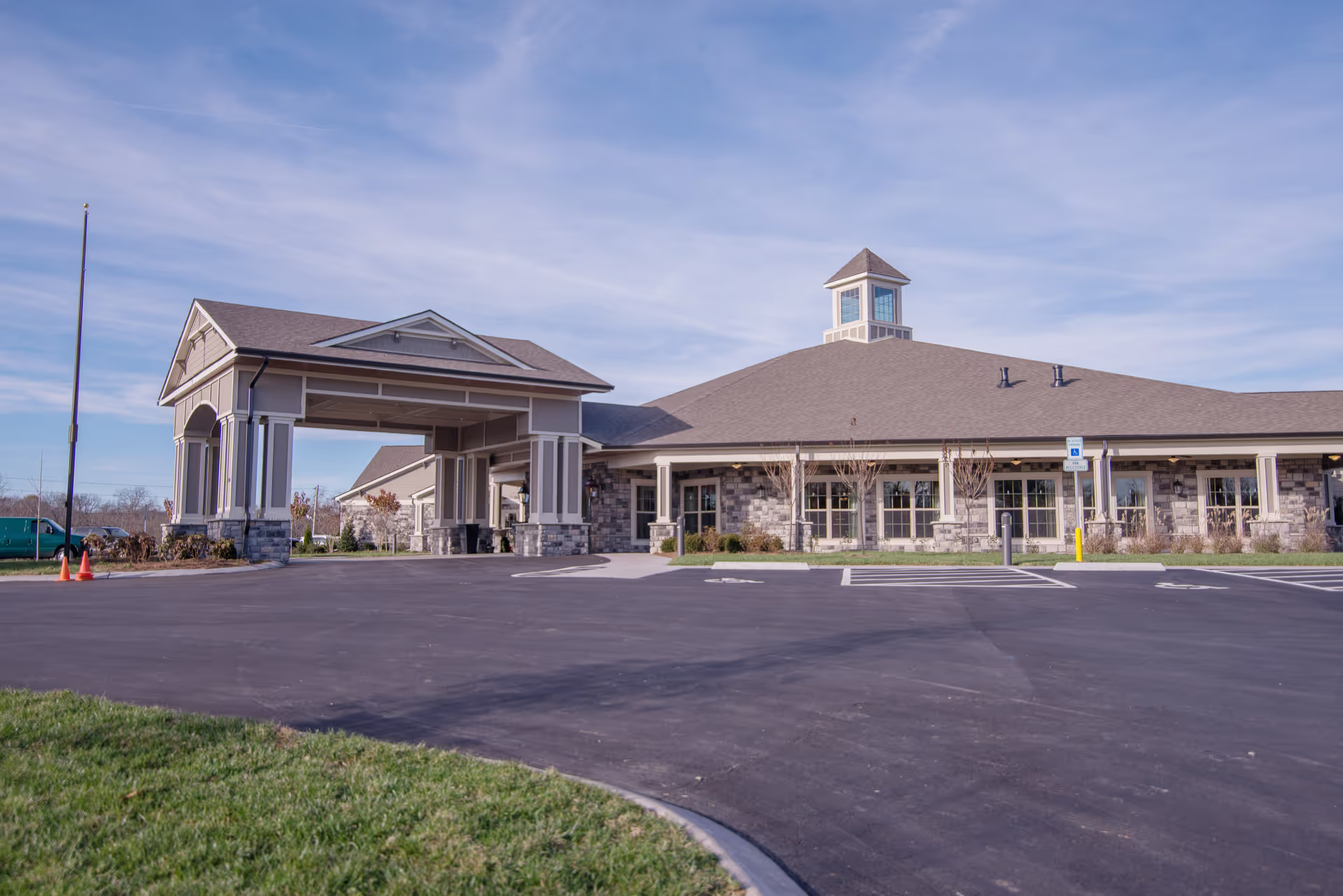
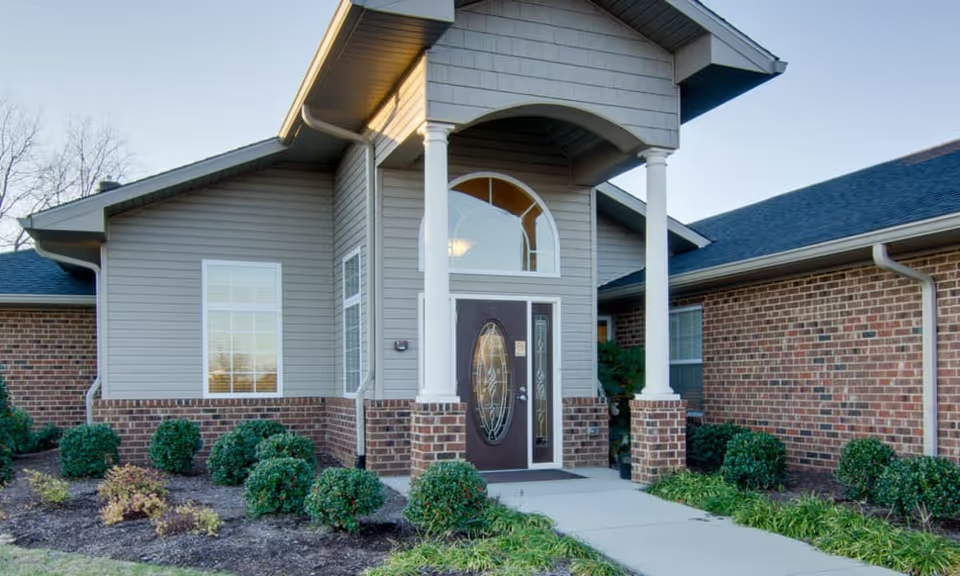
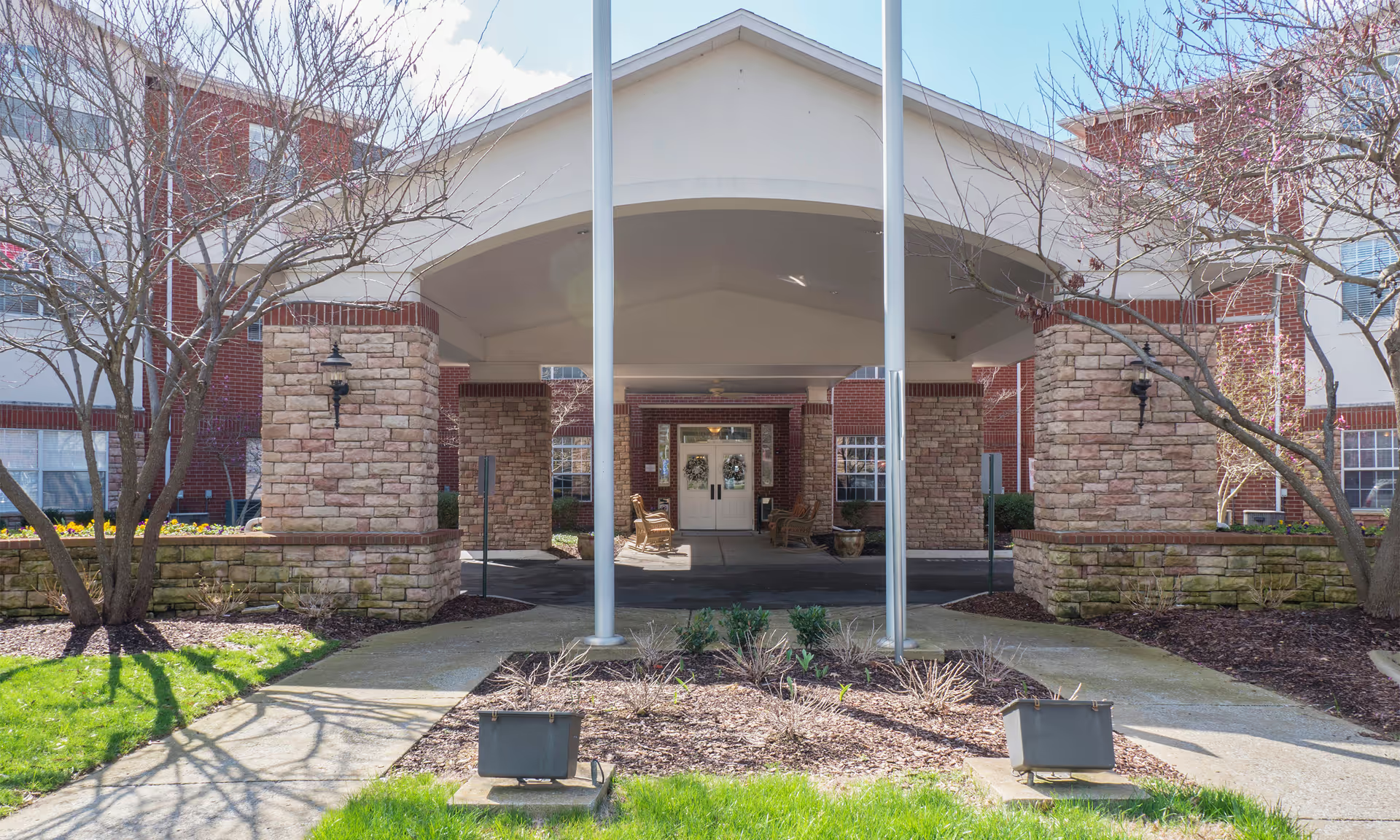
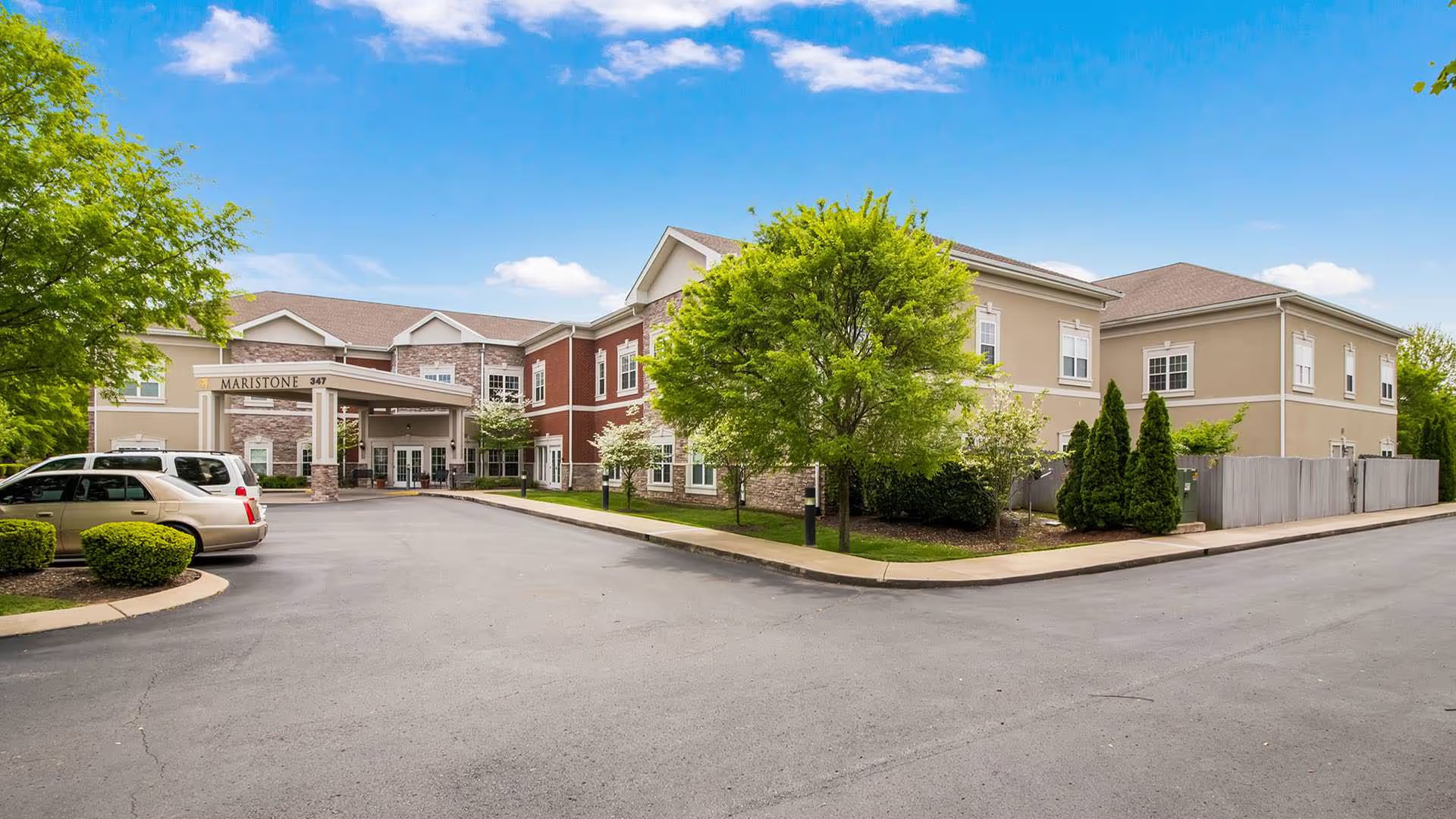
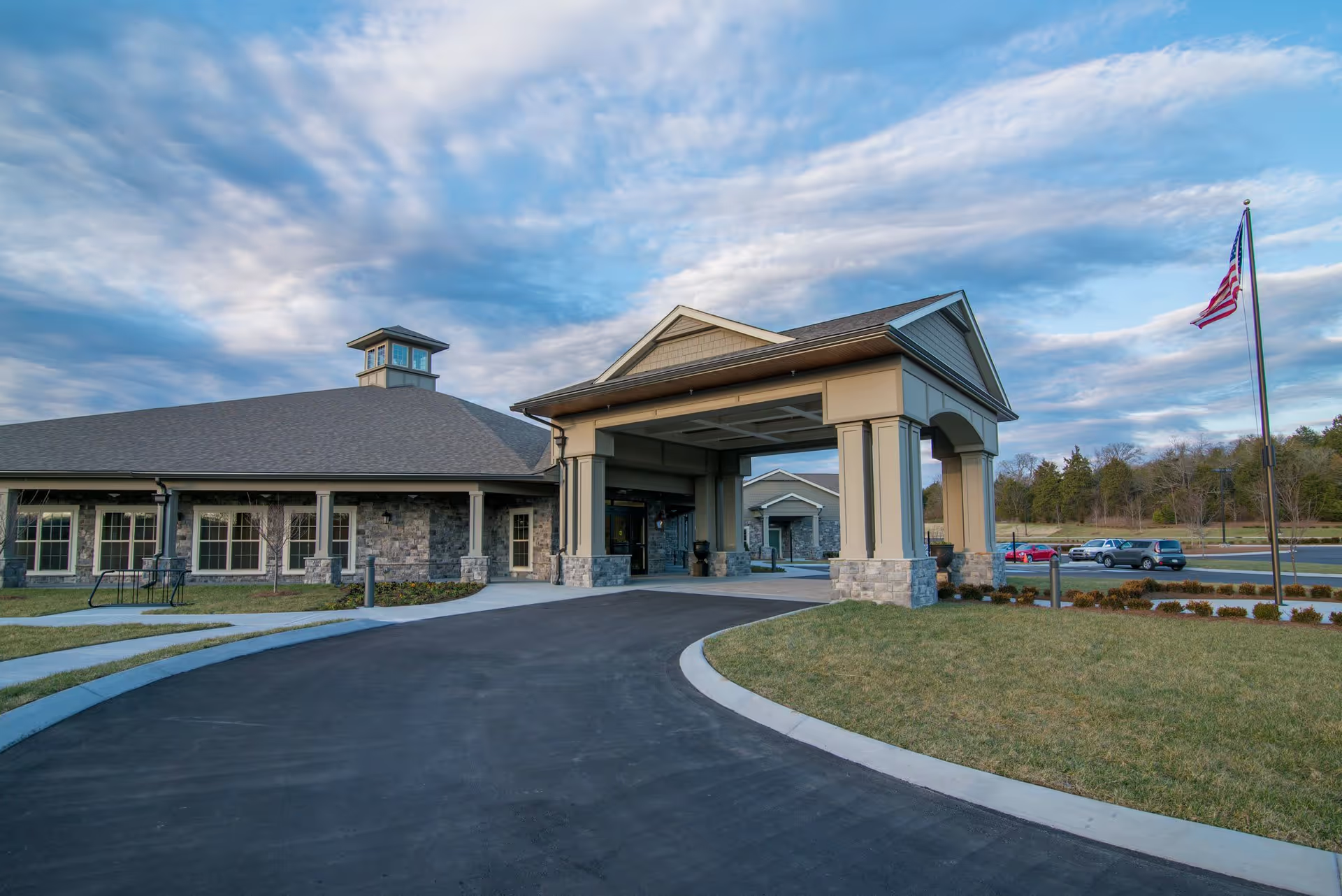
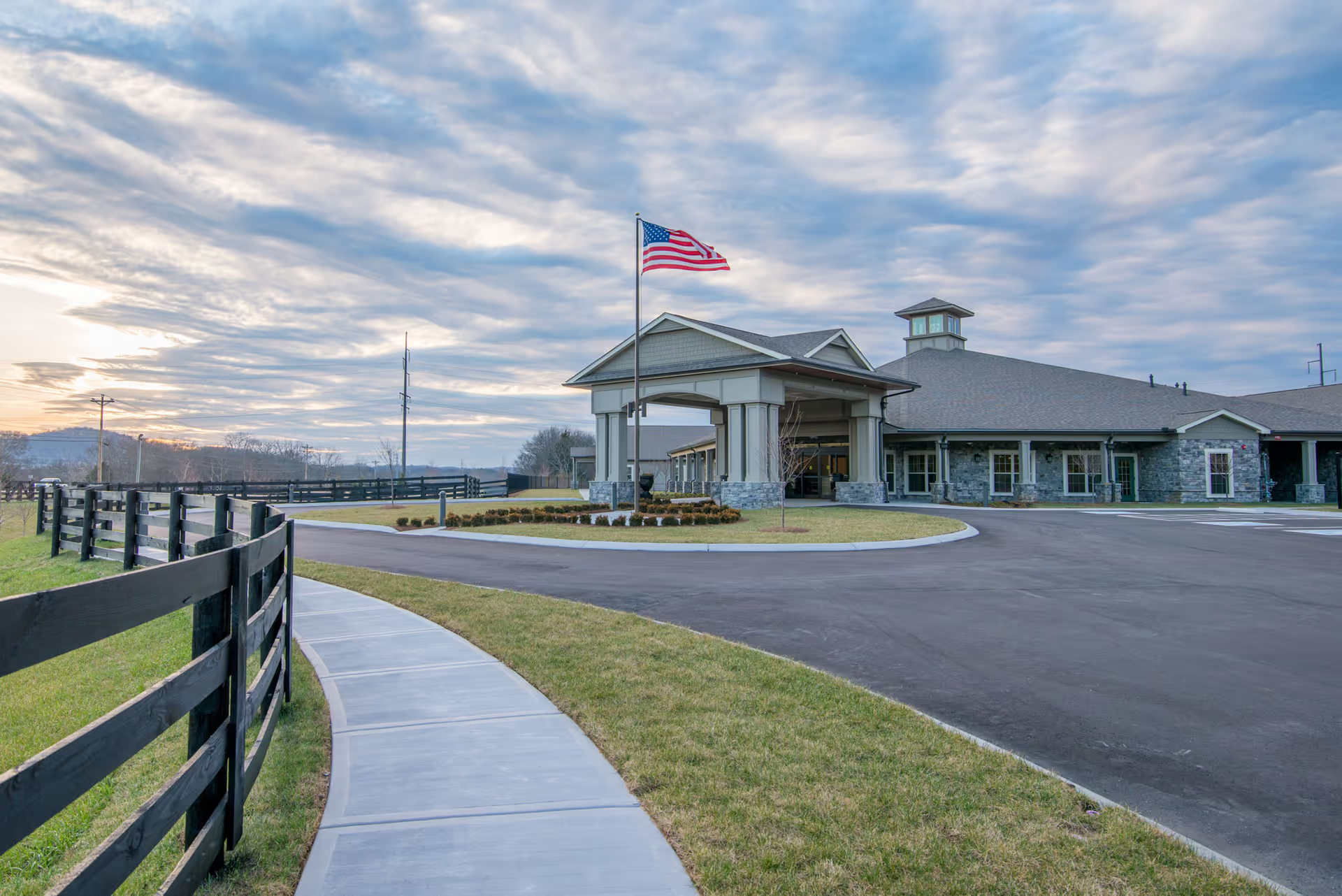
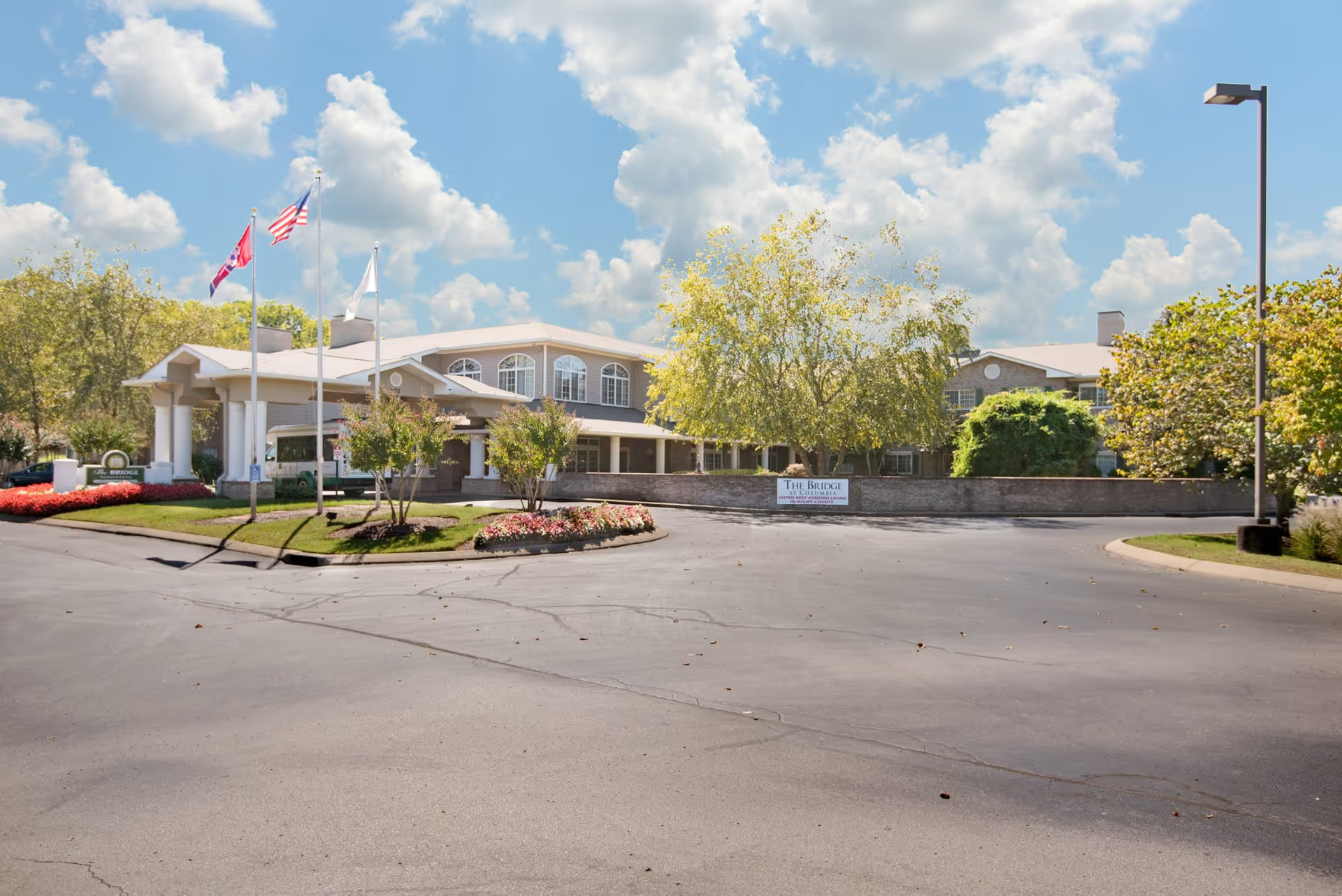
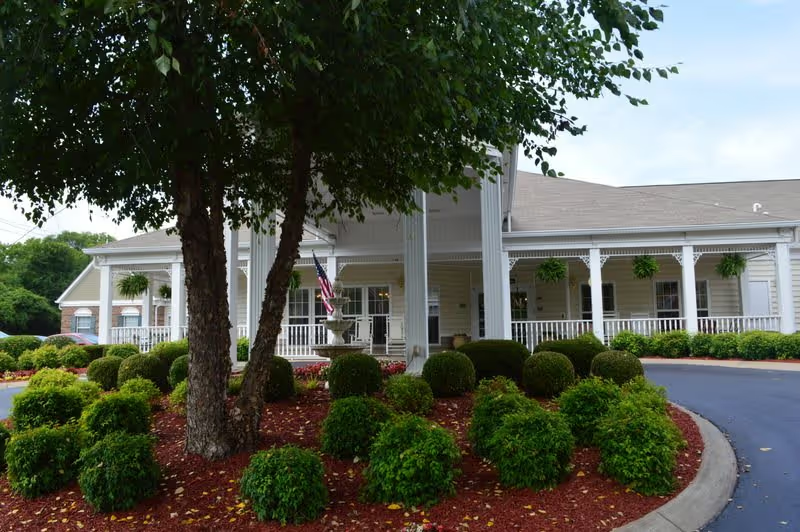
Overall impression: Traditions of Spring Hill presents as a modern, well-maintained senior living community with many families praising its atmosphere, amenities, and day-to-day programming. The facility's newer building, landscaped grounds, secure access, and apartment options (studio, one-bedroom, private and semi-private) are repeatedly noted as strengths. Many reviewers highlight an approachable front desk, a welcoming executive director, and an all-inclusive pricing model that simplifies billing for meals, utilities, transportation, and basic services.
Care and staff: A substantial number of comments describe compassionate, patient, and engaged caregivers who create a home-like environment and build relationships with residents. Families often cite 24/7 nursing availability, attentive aides, and personalized interactions as important positives. At the same time, several reviews describe operational weaknesses that affect clinical reliability: inconsistent staffing coverage at peak times, uneven caregiver training, and gaps in clinical oversight that have contributed to concerns about medication-management processes and follow-through on physician orders. A limited set of families raised serious concerns, including medication-management problems and past licensing issues associated with clinical leadership; these are not presented as universal but are significant for prospective families to investigate.
Dining and activities: The community offers a robust activities program with frequent social events (happy hours, themed celebrations, outings, live entertainment, and family parades) and transportation for appointments. Many residents enjoy the social dining experience and the culinary program; reviewers praise particular meals and an organized dining environment. However, there is variability in meal quality and service speed, and some families noted limited menu flexibility or occasional service delays. Activities appear plentiful and varied, though a few residents expressed a desire for programming better matched to particular musical eras or interests.
Facilities and services: The physical plant is commonly described as bright, clean, and modern, with features such as patios, raised gardens, an on-site salon, and communal spaces that support social engagement. Security measures (locked doors, keyfob entry) and outdoor visiting areas are positively mentioned. A few visitors encountered the facility while still completing construction; those elements are temporary but worth verifying on a tour. For residents requiring more intensive physical therapy, the facility may have limited capacity for very high-acuity rehabilitation needs.
Management and patterns: Reviews indicate a divide in family experiences that correlates with operational consistency. When leadership, staffing, and training are stable, families describe excellent communication, proactive outreach, and strong resident-centered care. Conversely, comments about high caregiver turnover, uneven training, and management changes point to periods of operational instability that have affected clinical consistency, housekeeping, and incident response. Some families reported concerns about sanitation and hygiene assistance schedules; others reported seamless transitions and strong bedside support during end-of-life care. Prospective visitors should ask about current staffing ratios, recent leadership changes, clinical oversight protocols, medication-safety procedures, and housekeeping audits.
Bottom line: Traditions of Spring Hill offers many institutional strengths — a contemporary facility, active programming, family communication channels, and numerous staff who are described as caring and invested. These positives are tempered by recurring operational themes: inconsistent staffing, variable clinical oversight, occasional sanitation and housekeeping issues, and the effects of ownership or management transitions. A targeted tour that reviews clinical procedures, staffing models, recent quality-improvement actions, and specific memory-care practices will help families gauge whether this community's current operations match their expectations and a prospective resident's care needs.