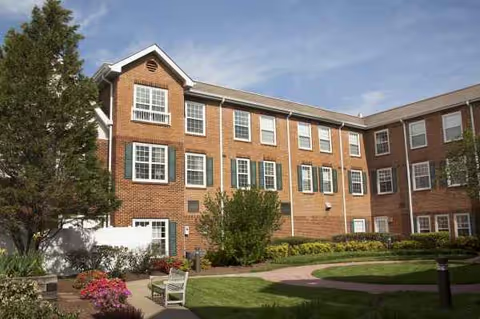
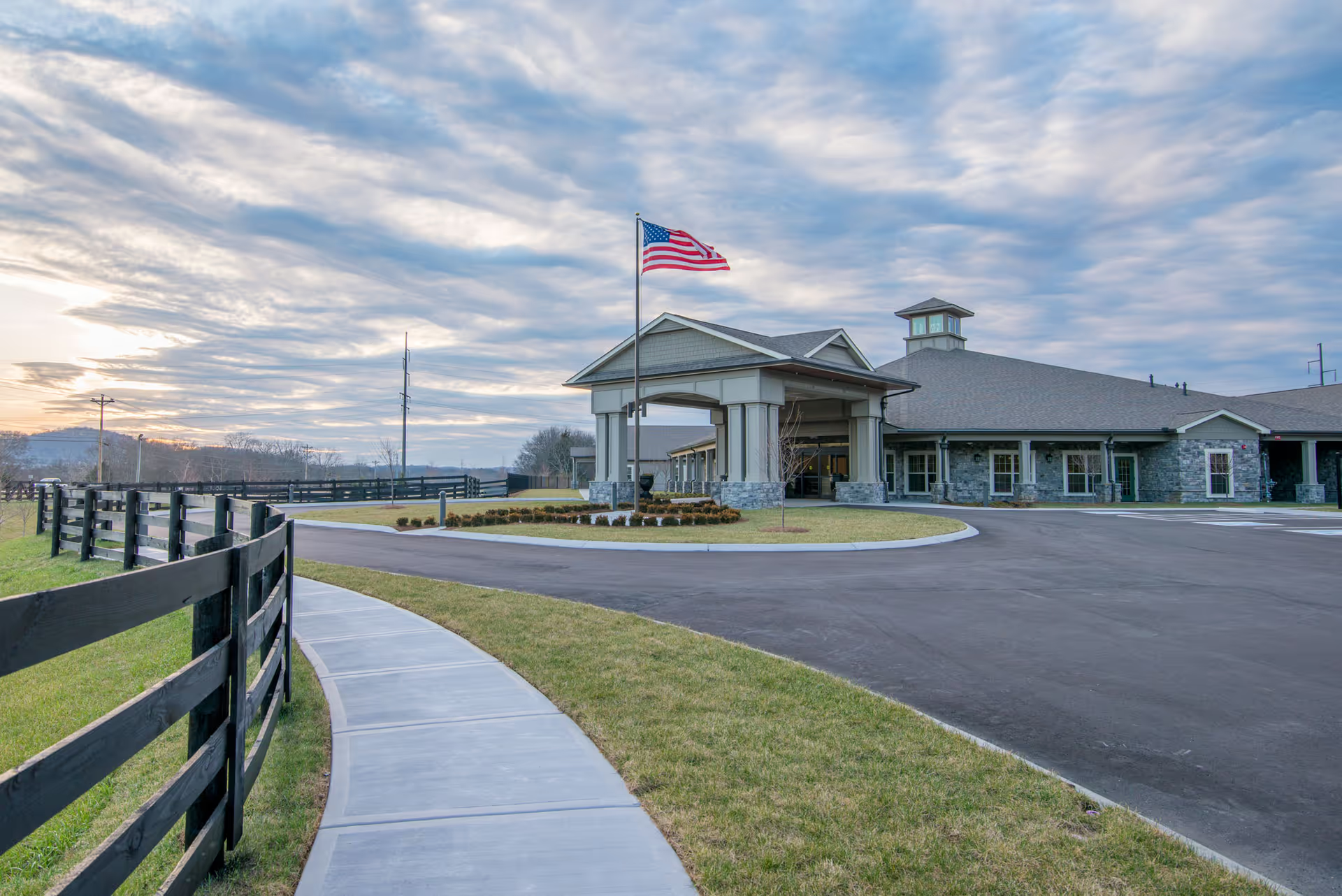
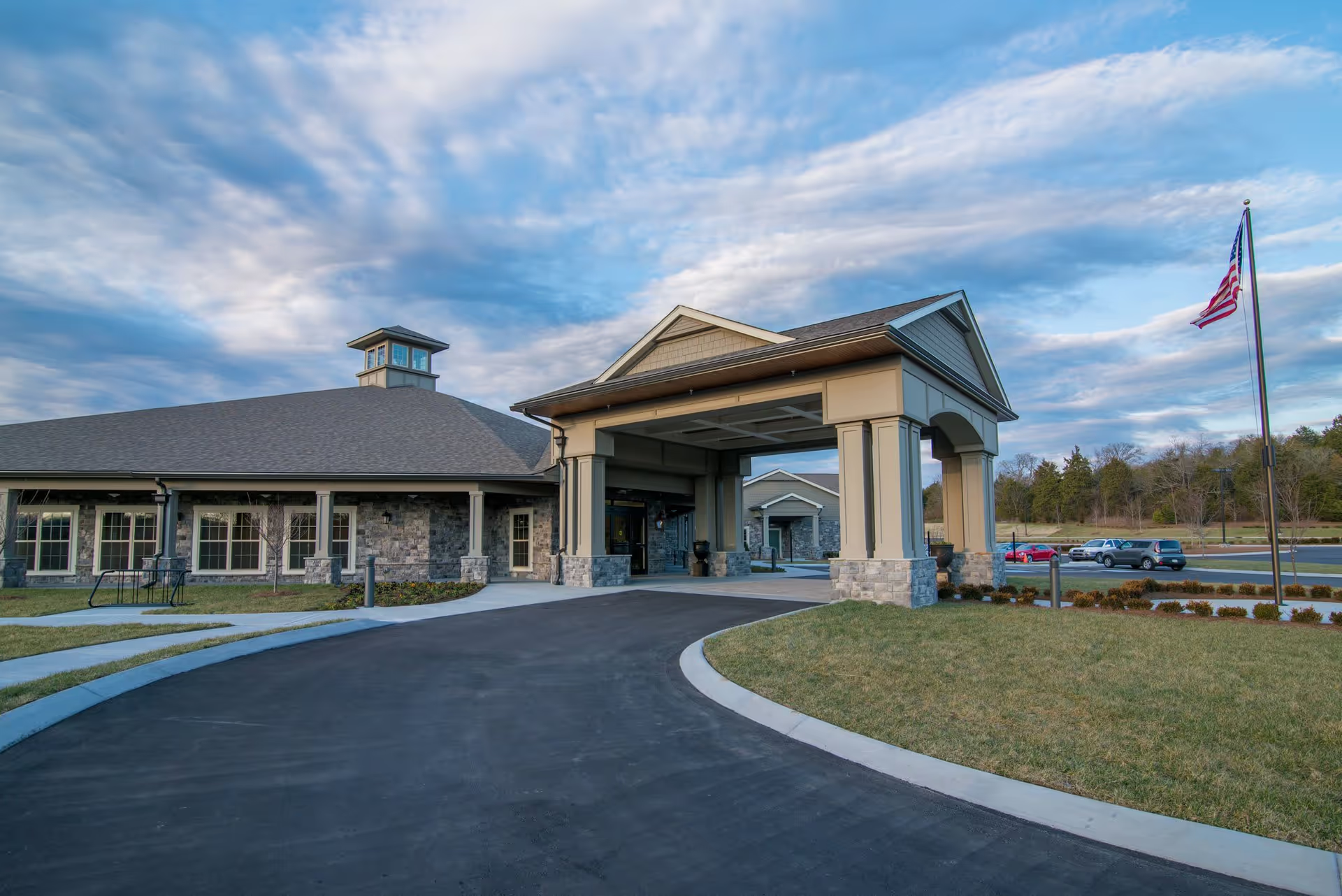
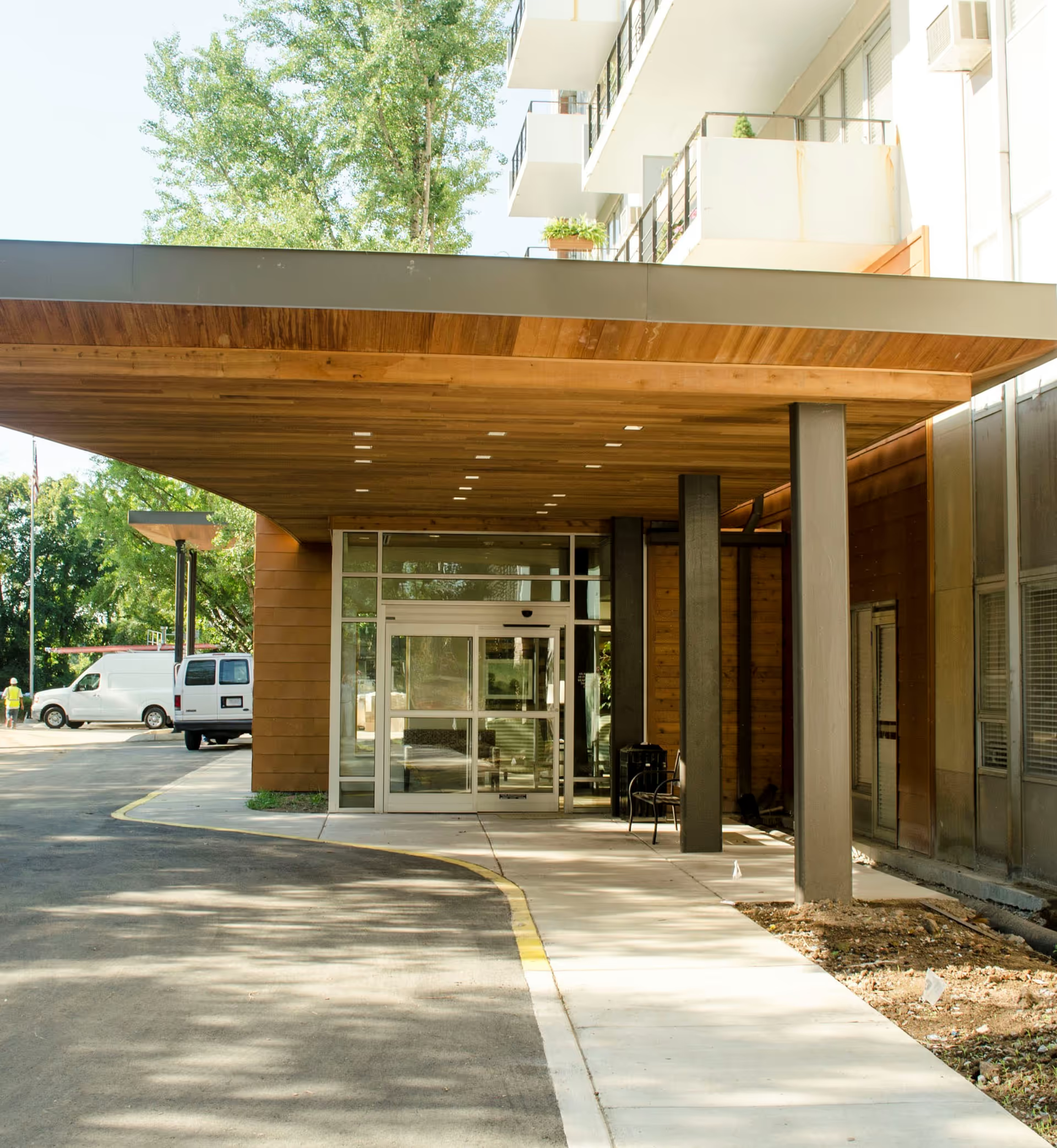
Overall impression: The Lodge at Natchez Trace is described by many families as a small, country-lodge–style community with a warm, home-like atmosphere, strong culinary emphasis, and active programming. Common strengths include engaged activities staff, on-site therapy and primary-care options, and a culinary team that emphasizes made-from-scratch, restaurant-style meals. The physical campus features comfortable rooms (including balcony-equipped units), outdoor courtyard space, and ancillary amenities such as an on-site salon and regular religious and social offerings.
Care and staff: Reviewers frequently emphasize compassionate, family-oriented caregiving and examples of skilled nursing and therapy services, particularly for short-term rehab. Several accounts highlight proactive clinical monitoring, helpful caregivers, and staff who develop personal knowledge of residents’ histories and preferences. At the same time, a repeated pattern is workforce instability: high turnover and variable staffing levels have been cited as contributing to delayed responses to calls, slower medication delivery, and uneven consistency in the quality of care. There are also mentions of inconsistent clinical oversight and slower-than-expected emergency-response times in some cases, and memory-care staffing and training have been singled out as areas needing attention.
Dining and nutrition: The culinary program is a clearly repeated strength for many families. The facility is noted for fresh ingredients, house-made dressings, organic options, and a chef-driven approach that yields restaurant-quality meals. That said, some reviewers describe variability in meal quality over time, reductions in menu choices, and limited options for specialized diets (for example, certain diabetic or lactose-intolerant needs). There is also occasional concern about continuity of meal service and additional charges for in-room service or other meal-related extras, which prospective residents should clarify.
Activities and social programming: Activities programming receives positive comments for variety and engagement—regular music events, outings (for example local restaurants), bingo, Bible study, crafts, and seasonal events. Staff in the activities department are often singled out for building rapport with residents. Conversely, a few accounts note periods with reduced offerings or lower resident participation, which appears linked in some cases to staffing changes.
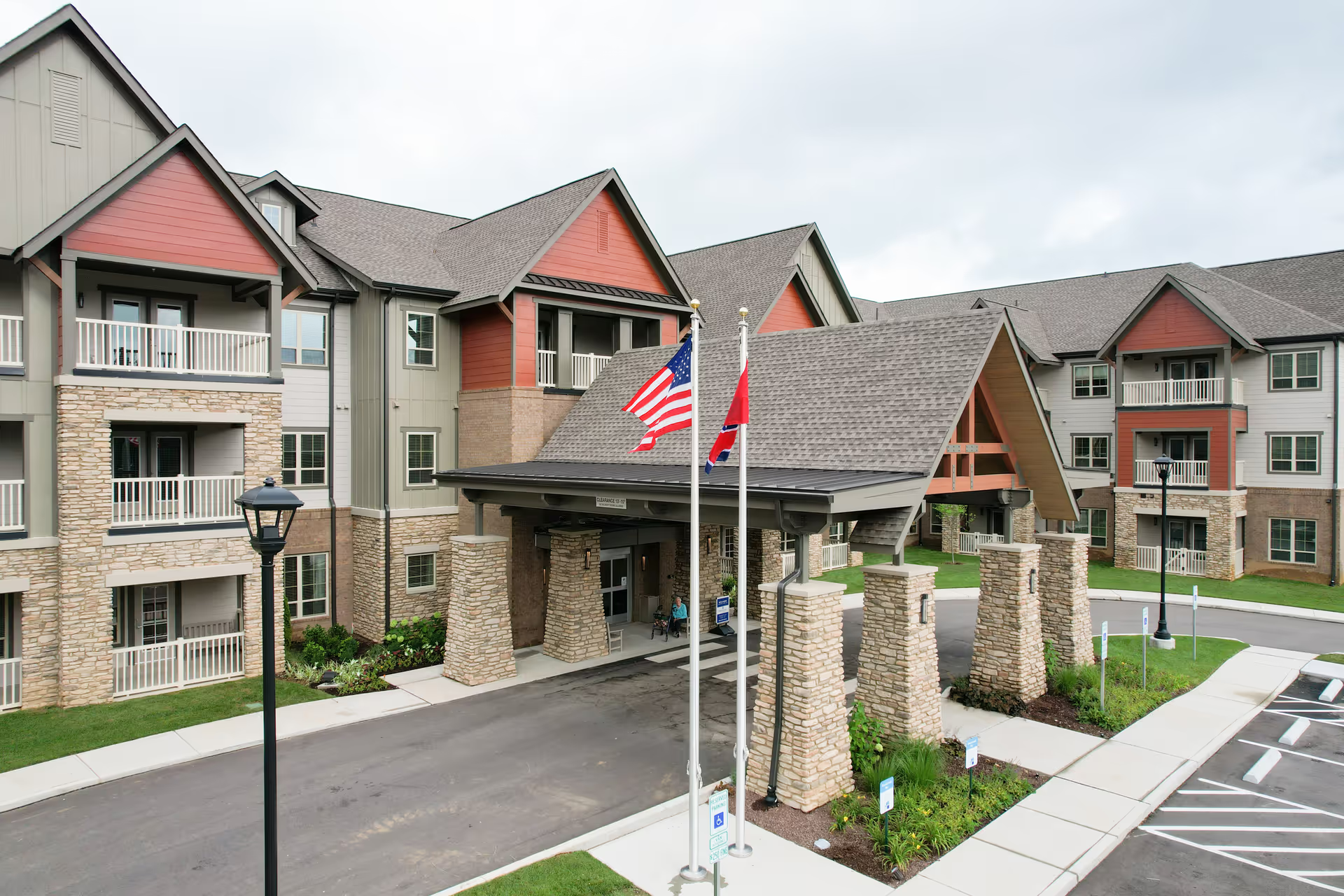
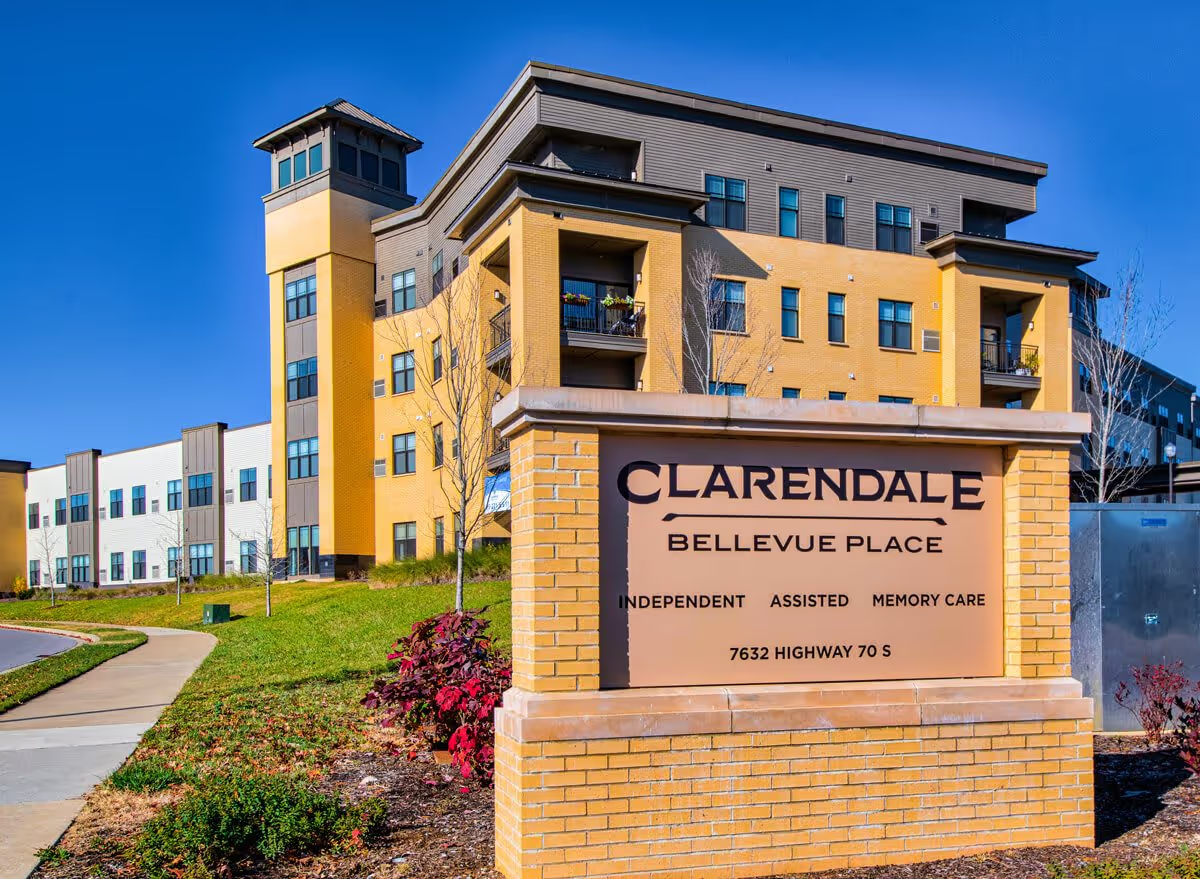
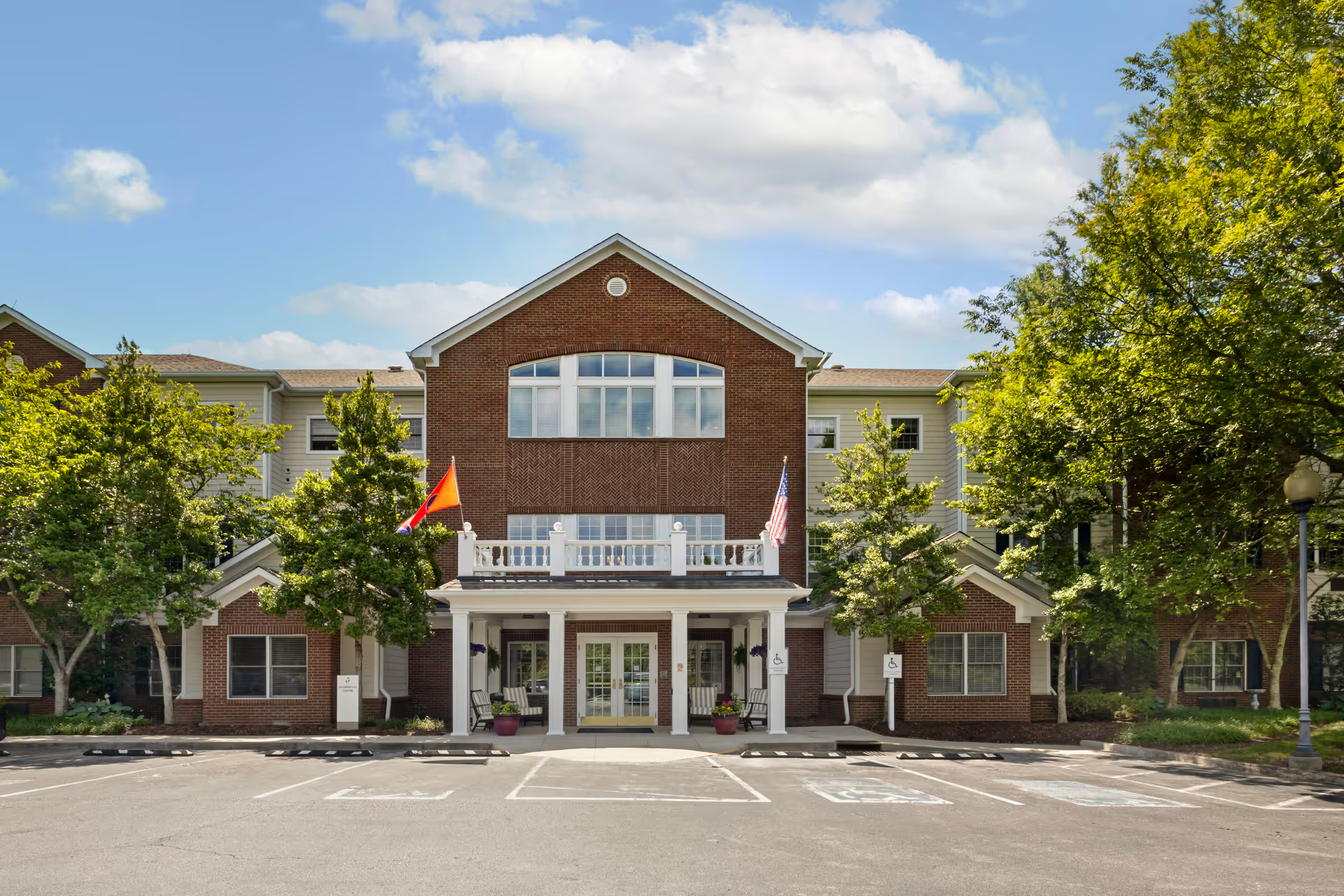
Facilities and environment: Physically, the community is commonly described as clean, well-maintained, and attractive with a country-lodge aesthetic, outdoor patios, and comfortable communal dining and gathering spaces. Room sizes are generally appreciated where larger units are available, though some units are noted as small or having constrained private space. A minority of comments point to intermittent sanitation or appearance concerns in specific common areas (stained carpets, darker interiors), and limited outdoor area in certain parts of the campus.
Management and operations: Evaluations of leadership are mixed. Some reviewers praise accessible, responsive administrators and named staff who improve operations and resident experiences. Others describe leadership turnover, communication lapses, and operational inconsistency following management changes. Recurrent operational concerns include unclear pricing or additional fee practices, pharmacy coordination issues that affect medication delivery, and variability in how promptly staff return family communications.
Notable patterns and guidance: The dominant positive themes are personalized, compassionate caregiving, strong culinary offerings, and active social programming within a smaller, home-like setting. The dominant negative themes are staffing instability and operational inconsistency (affecting medication administration, responsiveness, and some aspects of care continuity), plus occasional appearance and dining-choice variability. Prospective residents and families may find the community a good fit if culinary quality, a small-community feel, and on-site therapy are priorities; those for whom consistent clinical staffing, clear pricing, and tightly managed memory-care services are critical should seek specific assurances during the tour—ask about current staffing ratios, medication/pharmacy processes, memory-care staffing and training, meal accommodations for special diets, and written fee disclosures.