Overall impression: Reviews present a mixed picture in which the facility demonstrates clear strengths in rehabilitation and several instances of compassionate, skilled caregivers, while also exhibiting recurring operational weaknesses. Many families and residents praise the rehabilitation team, wound-care nursing expertise, and individual nurses and CNAs who are described as attentive and caring. At the same time, patterns of inconsistent staffing, responsiveness, and clinical coordination emerge across multiple accounts.
Care quality and clinical operations: The facility appears to be rehabilitation-focused and can deliver strong functional outcomes for orthopedic patients, particularly knee rehabilitation. Wound-care nursing expertise is noted as a positive clinical asset. However, reviewers also describe delays in responding to call lights and direct-care needs, inconsistent pain-management practices, and interruptions to therapy access for some residents. Concerns about medication-management processes—including timing of doses and a serious allegation of medication diversion/theft—indicate potential weaknesses in pharmaceutical controls and oversight that prospective families should investigate.
Dining, cleanliness, and daily care routines: Multiple accounts identify unreliable meal delivery and timing, including missed or late meals, which suggests weaknesses in meal-service continuity. Cleanliness and sanitation concerns in certain hallways and units are mentioned alongside positive remarks about generally well-maintained common areas; this indicates variability in environmental services that may be unit-specific. Laundry and housekeeping processes are raised as areas needing attention by some families.
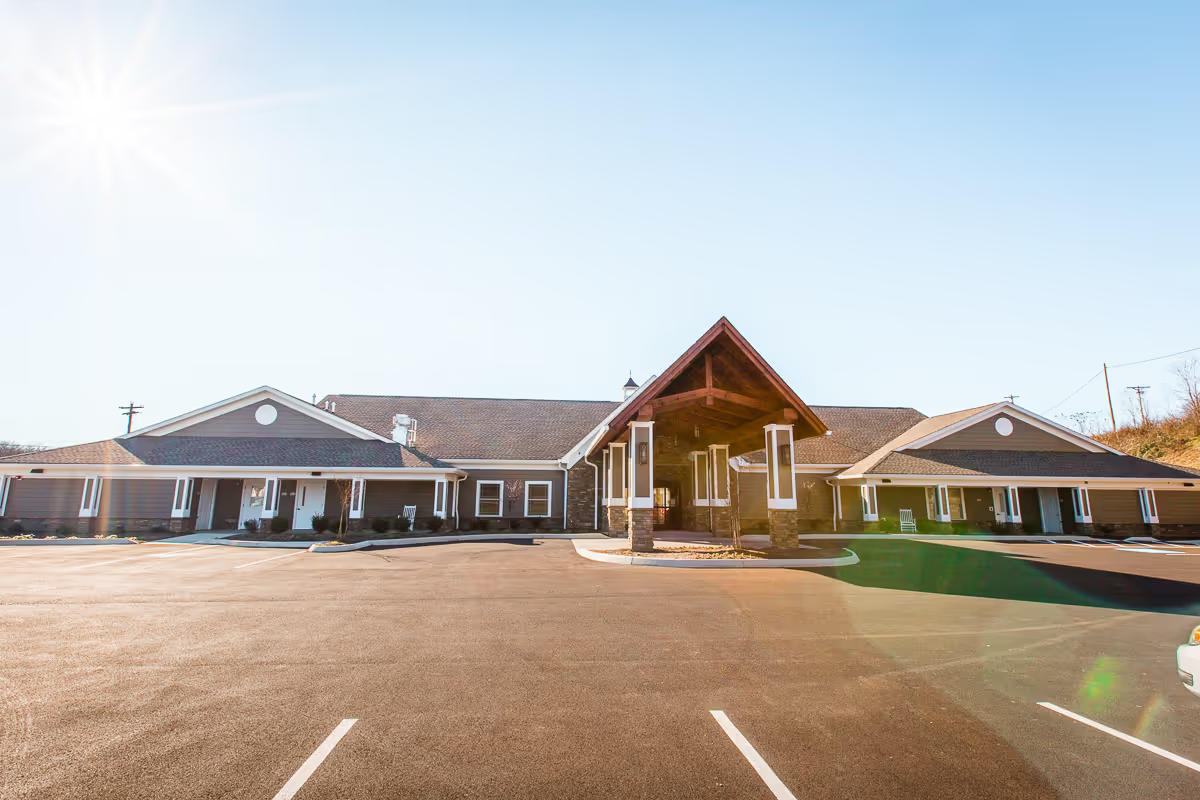
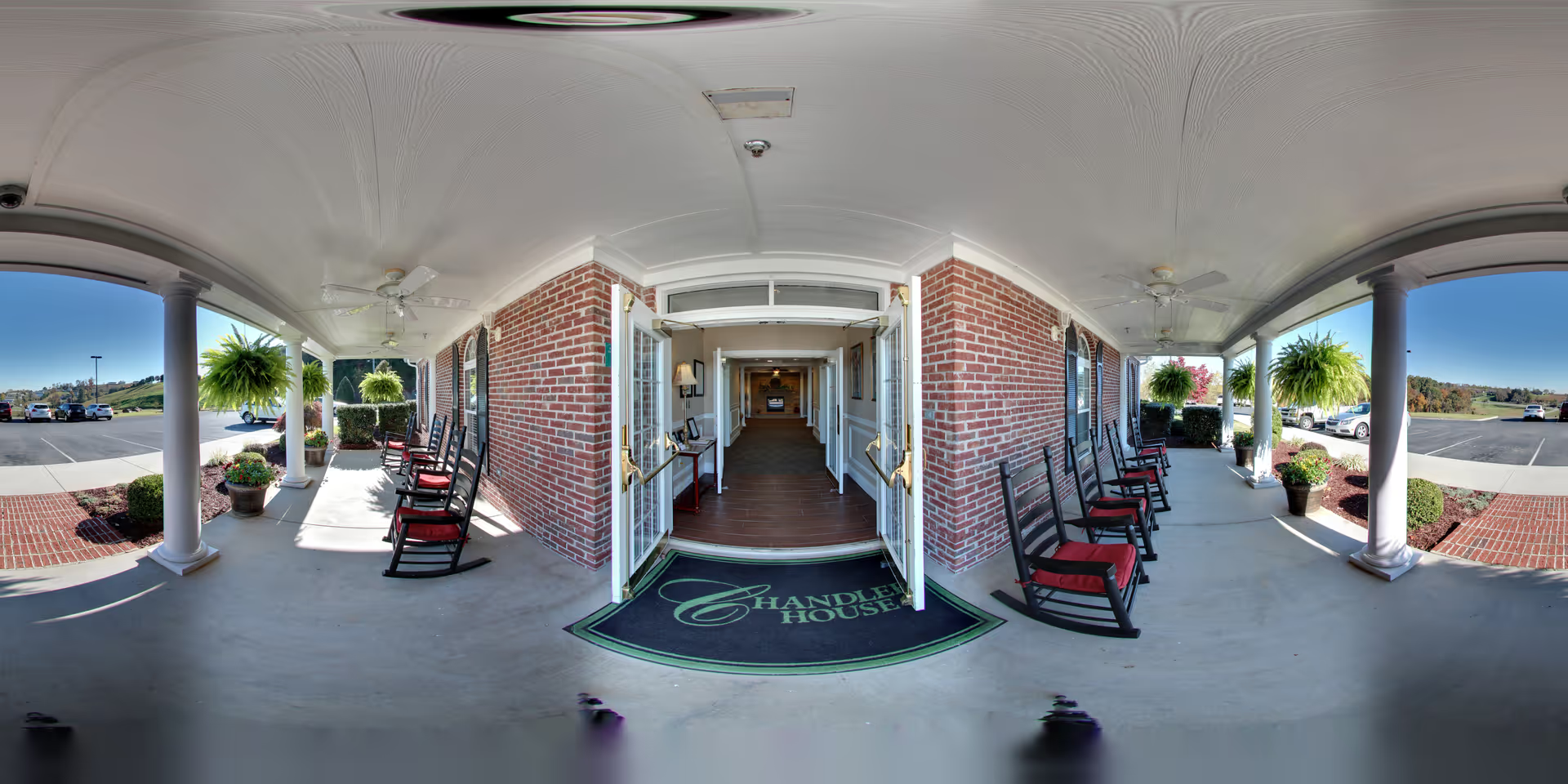
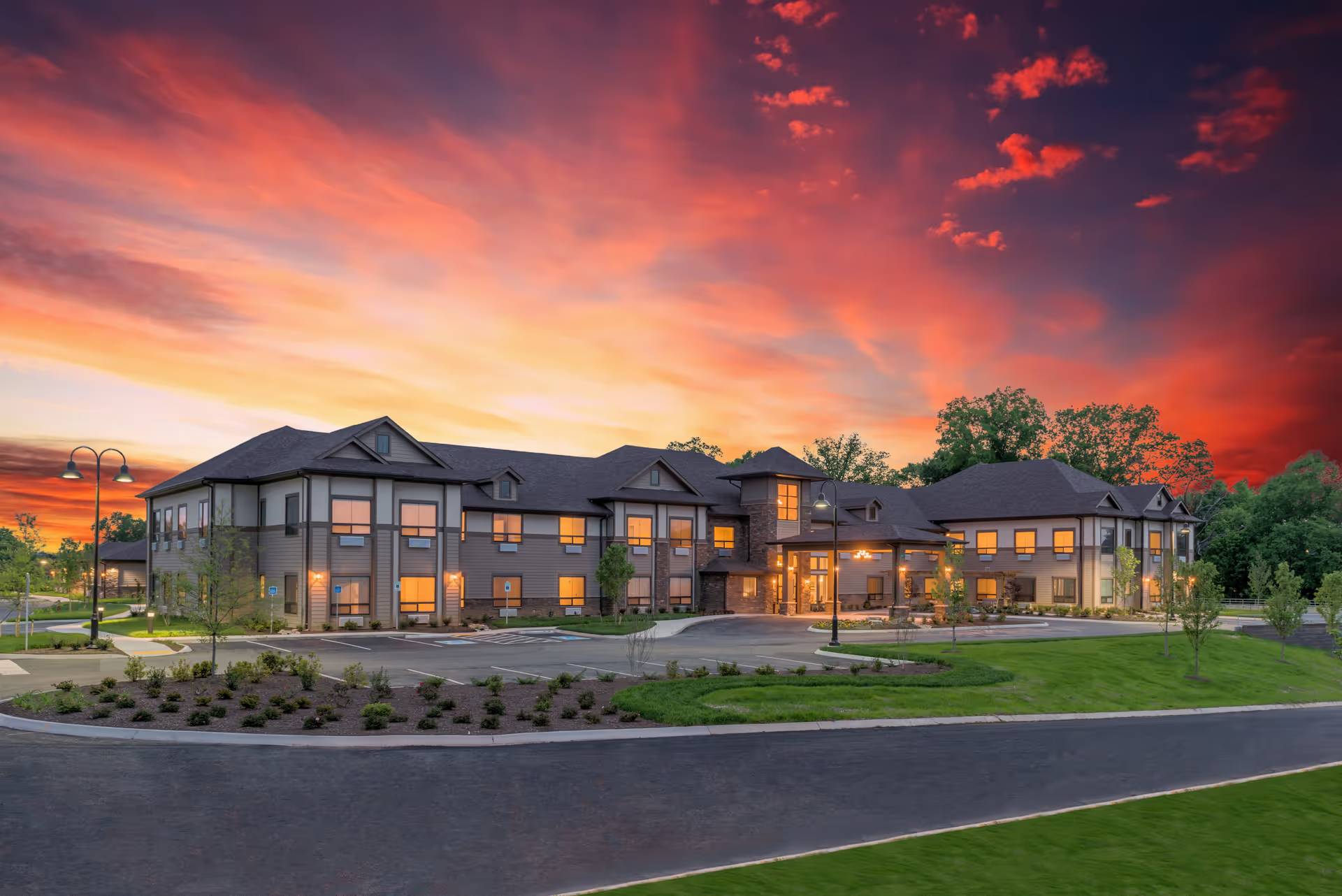
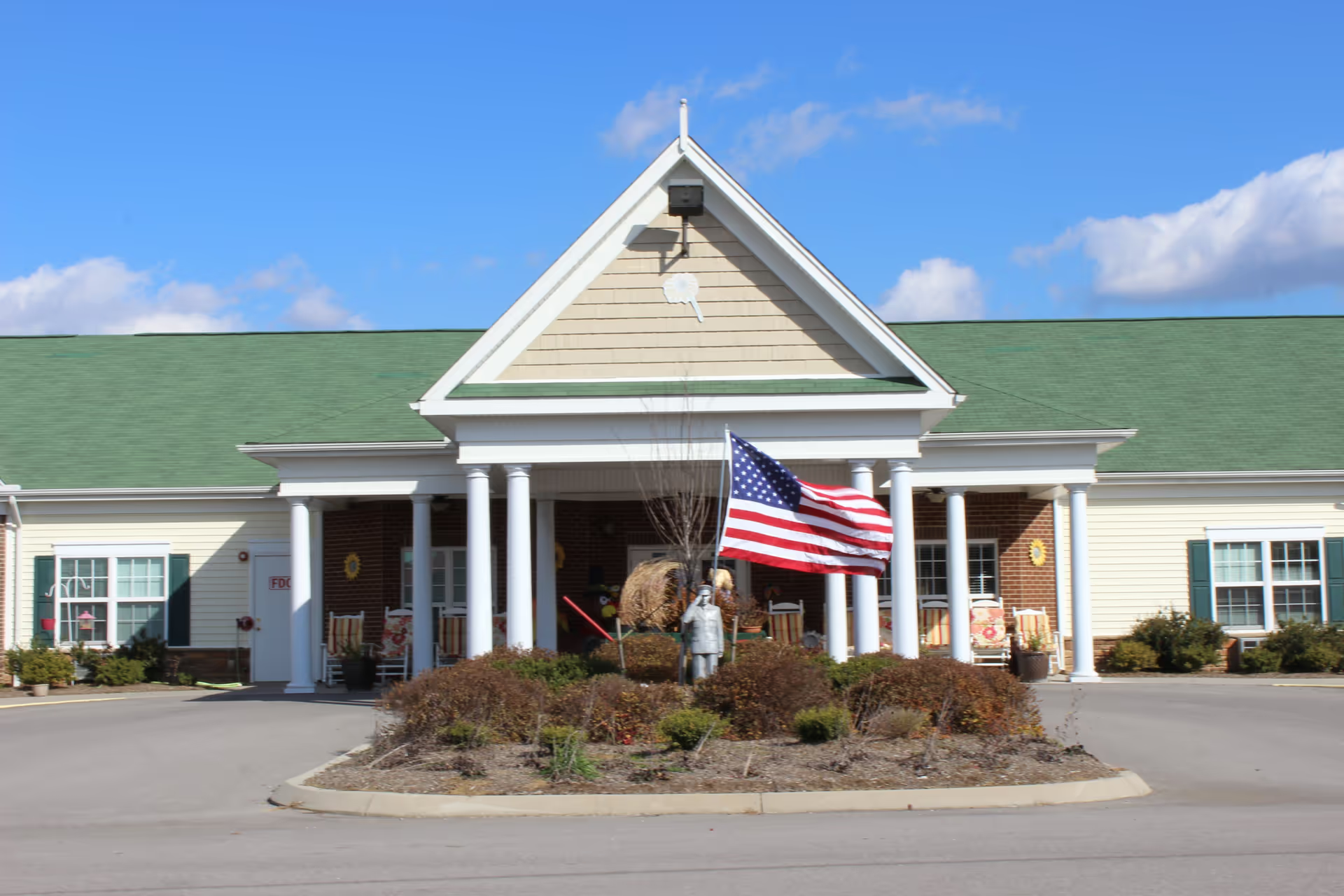
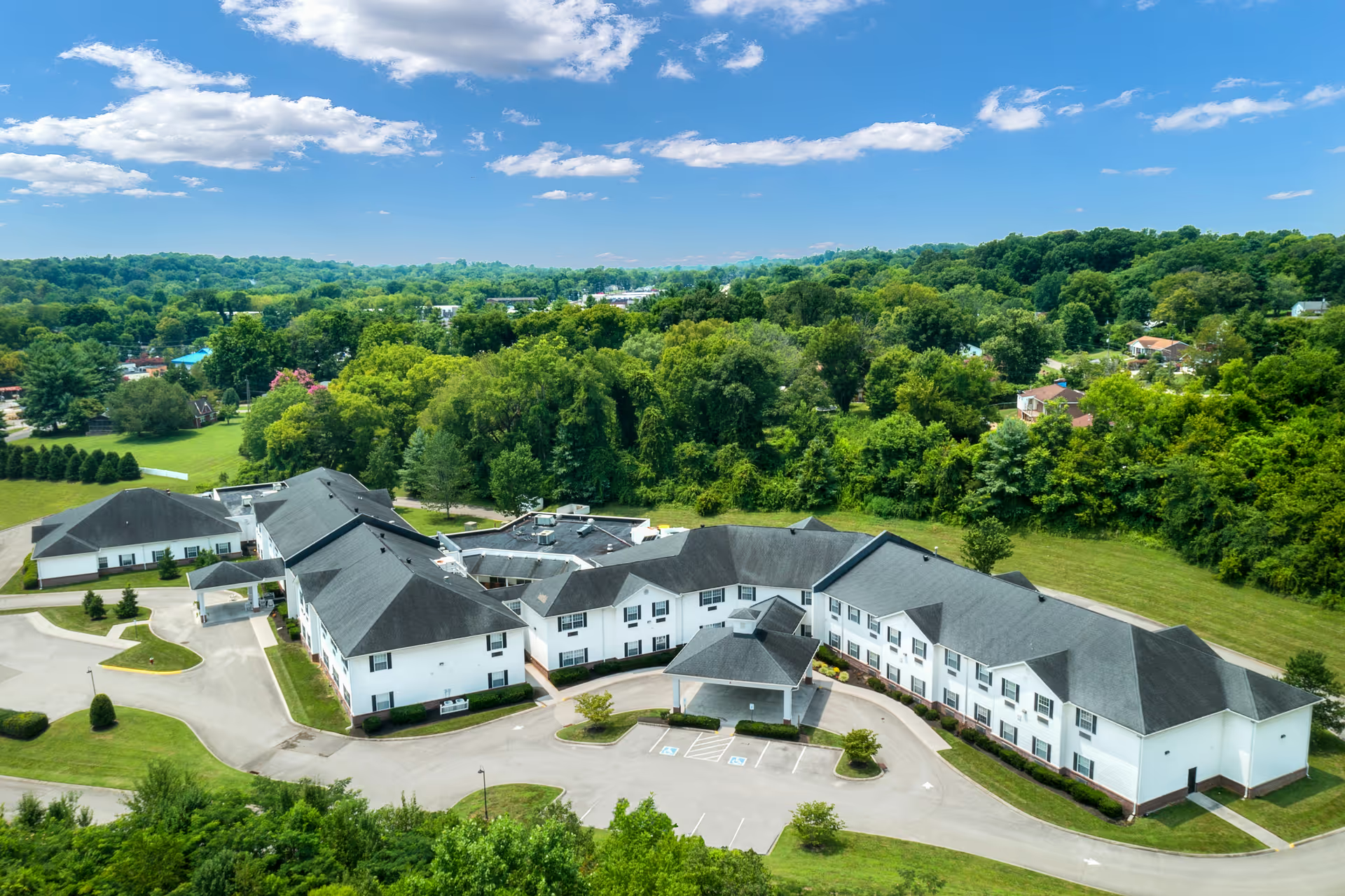
Activities, social environment, and facilities: The facility receives favorable comments for its social programming and therapy-supported activities, including bingo and a therapy dog, which contribute to a social and encouraging environment. Several reviewers note ongoing building updates and generally clean, pleasant public spaces. Residents are described as engaged when therapy and activities are consistently available.
Management, policies, and communication: Reviewers describe variable experiences with management and communication. Some families report smooth appointment coordination and supportive admission experiences; others describe difficult admissions, staff turnover, and gaps in family communication. Restrictive policies around transfers and pet-watching, as well as limits on lift/transfer assistance, have been a source of dissatisfaction and have operational implications for resident safety and discharge planning. Insufficient supervision in some units has resulted in wandering between rooms, which raises concerns about unit security practices.
Notable patterns and guidance: The tenor of reviews ranges from strong recommendations praising staff compassion and rehabilitation outcomes to serious concerns about care continuity and safety. Given the divergence, prospective residents and families should schedule an in-person visit, observe staffing levels on the unit, ask for specifics about medication controls and diversion safeguards, clarify lift/transfer policies and how off-unit appointments are handled, request the facility’s call-light response metrics, and review the individualized therapy and wound-care plans. These targeted inquiries can help determine whether the facility’s rehabilitative strengths align with an individual resident’s clinical and safety needs.