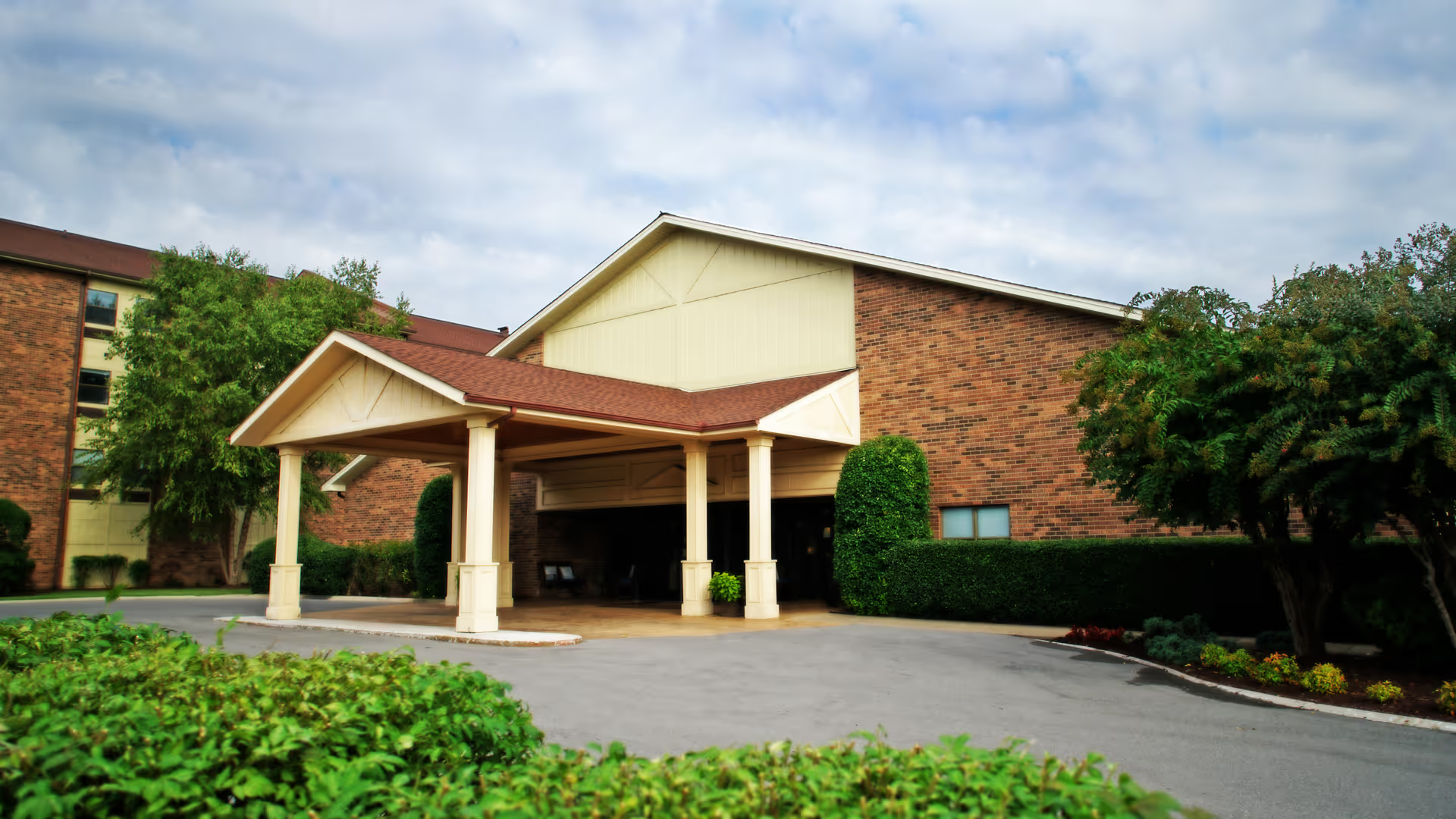
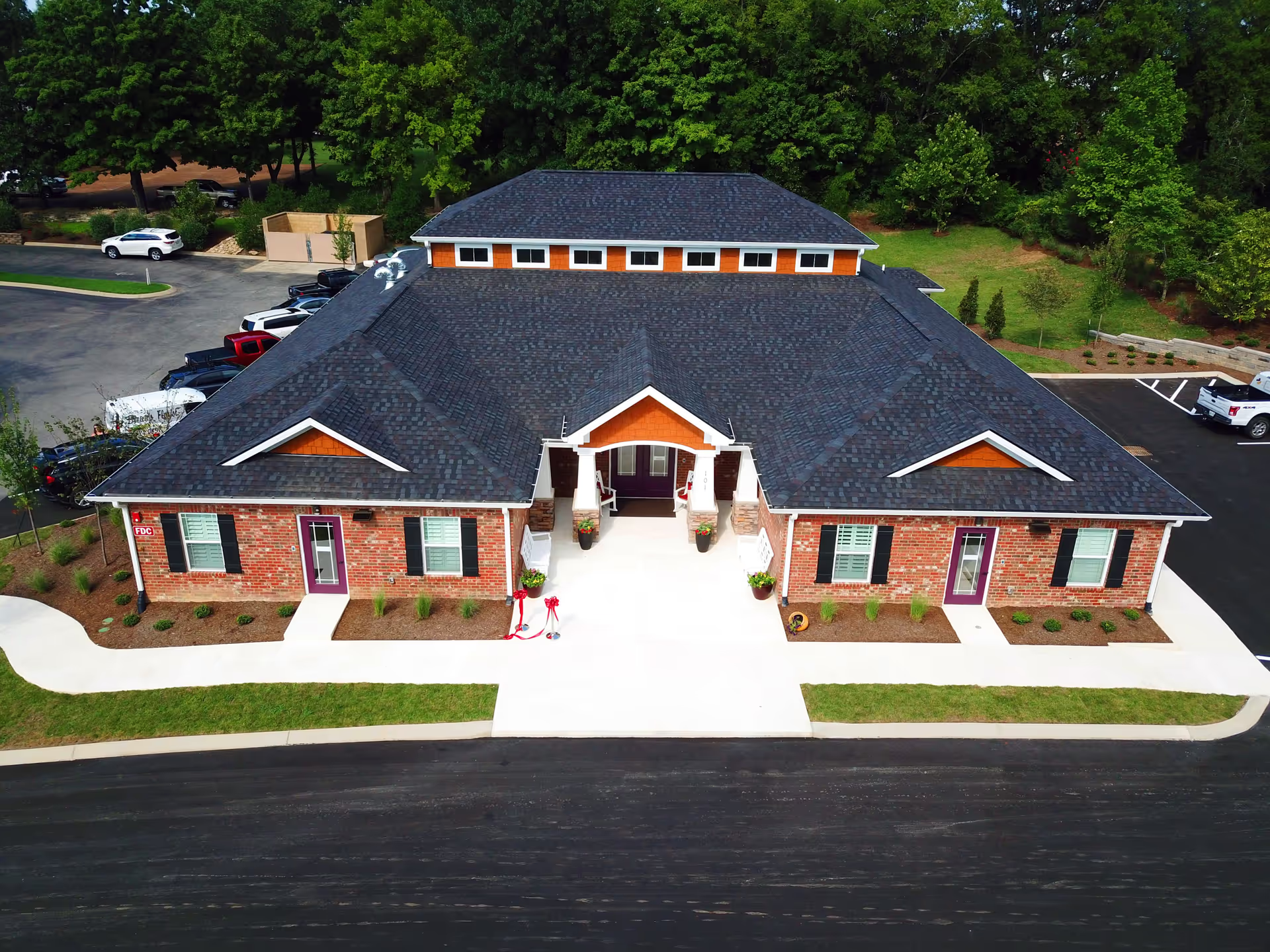
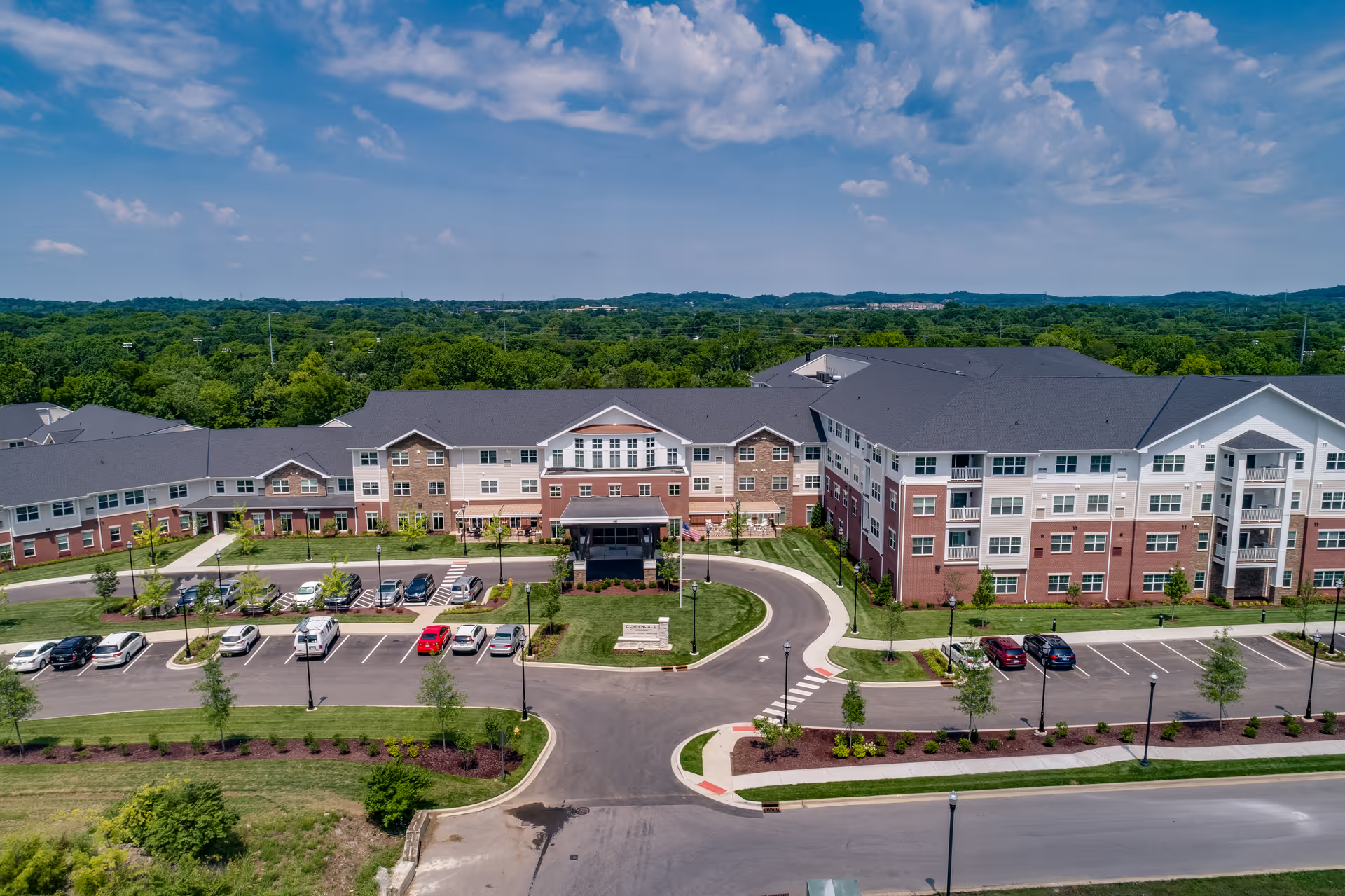
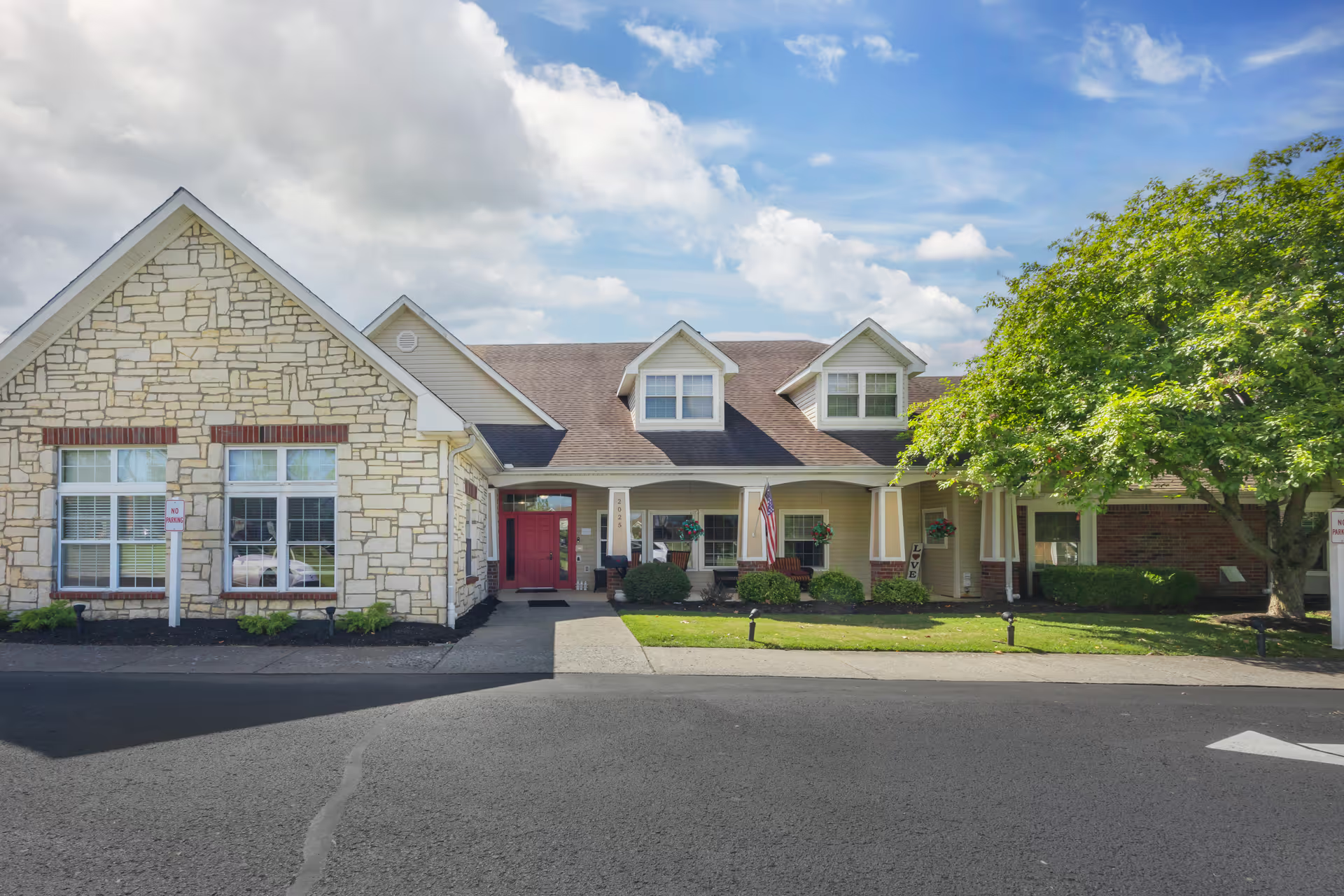
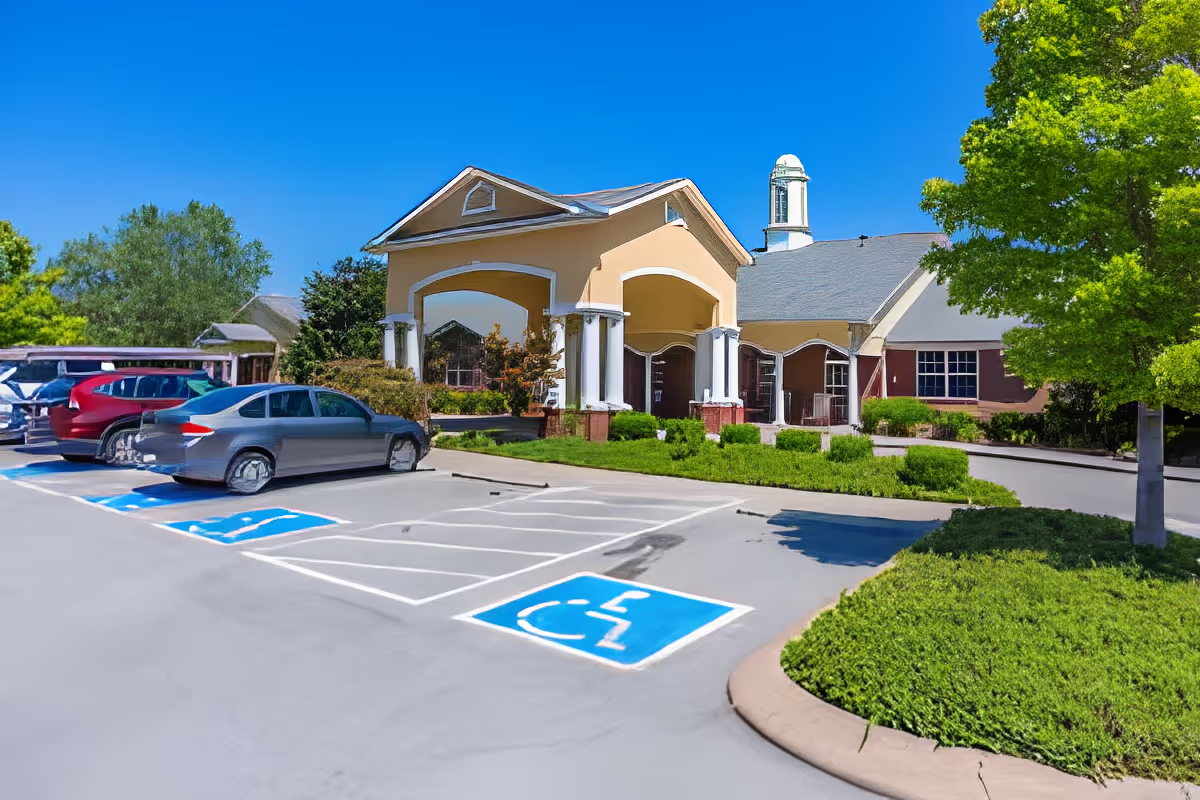
Life Care Center of Old Hickory Village presents a mixed but clear pattern: an attractive, modern facility with a strong therapy program and many staff members who deliver compassionate, recovery-focused care. The property, public spaces and many resident rooms are frequently described as clean, well maintained and home-like. Therapy (physical and occupational) is a consistent strength in numerous accounts; staff in those departments are often credited with measurable functional gains and successful discharges. Housekeeping, laundry and front-office teams are repeatedly praised, and the activities program is varied and active — offering music, outings, social programs and onsite amenities that many residents and families appreciate.
Care quality and staffing show notable variability. While many families describe attentive, skilled nurses and aides who go above and beyond, there are recurring operational problems tied to staffing levels and shift coverage, particularly nights and weekends. Consequences described include slow call-light response times, inconsistent aide assistance with daily needs, irregular bathing and incontinence-care schedules, and delays in medication administration. Several accounts also identify gaps in wound care and infection-control processes; these are significant clinical concerns that families should clarify during a tour or intake.
Communication and management performance are similarly mixed. The social-work and case-management functions receive praise in many reports for advocacy and insurance coordination, yet other accounts cite slow follow-up, delayed discharge paperwork and coordination breakdowns. Administrative leadership is described as professional and helpful by some families, while others feel management has been ineffective in addressing staffing and operational issues. There are also isolated but serious allegations related to security and financial controls that deserve scrutiny when evaluating the facility.
Dining and activities offer both strengths and weaknesses. The dining program is described as accommodating and enjoyable by many, with the ability to handle special diets and occasional standout dishes; however, there are repeated mentions of meal delivery errors and uneven food quality. Activities are generally robust and well received, though access to certain spaces or events has been restricted in some reports, reducing social interaction for some residents.
Overall pattern and guidance: the facility appears to deliver high-quality rehabilitation and benefits from strong therapy, supportive administrative staff, and pleasing physical amenities. At the same time, persistent operational themes — understaffing, inconsistent basic-care delivery, medication and wound-care variability, and communication gaps — create uneven experiences. Prospective residents and families should consider the facility’s clear strengths in therapy and environment, and proactively ask about current staffing ratios, shift coverage (nights/weekends), call-response metrics, infection-control protocols, wound-care processes, and how discharge coordination will be handled for their case. Asking to meet therapy leaders, nursing leadership and the social worker during a tour can help assess whether the facility’s operational practices align with the individual’s clinical needs and safety expectations.