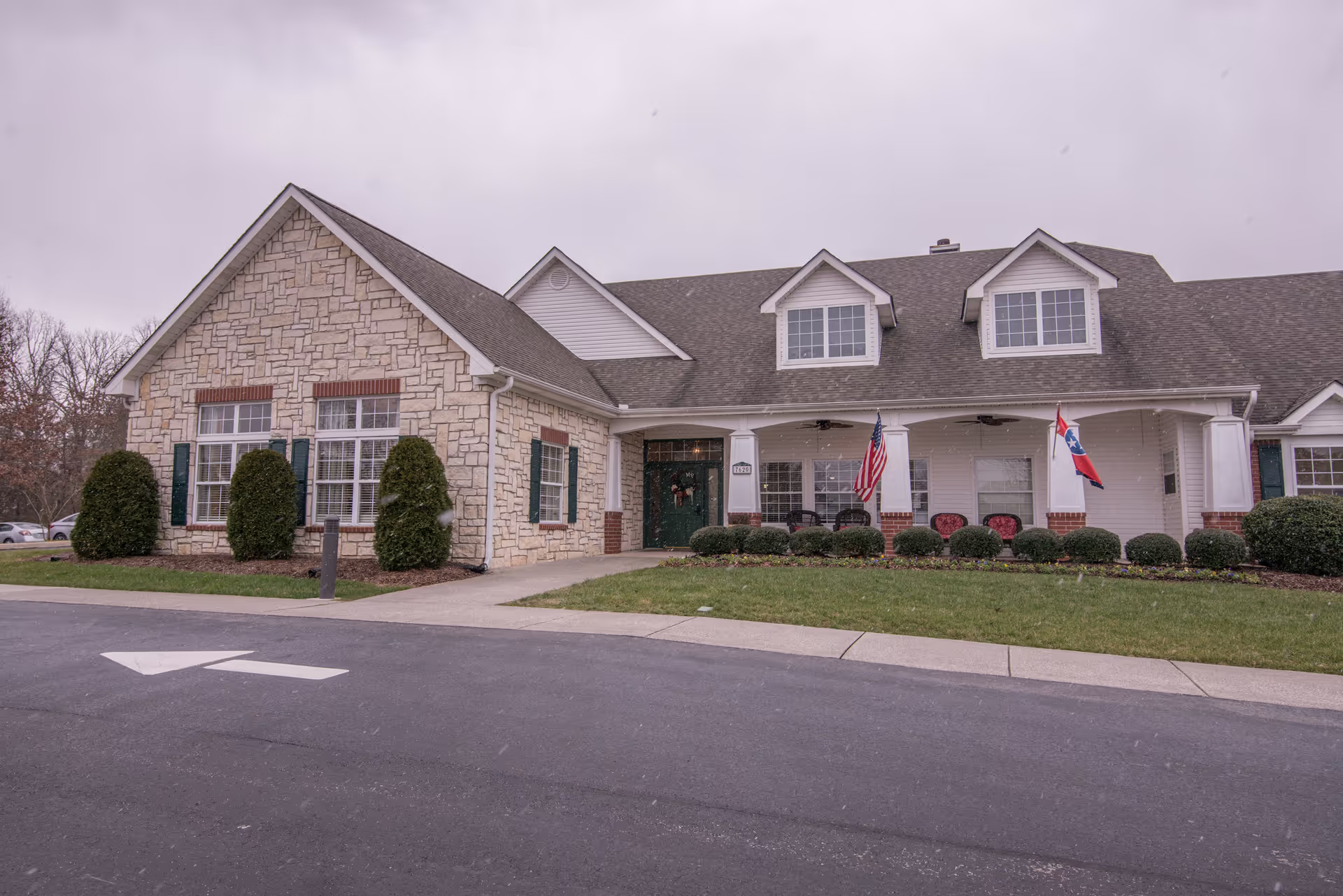
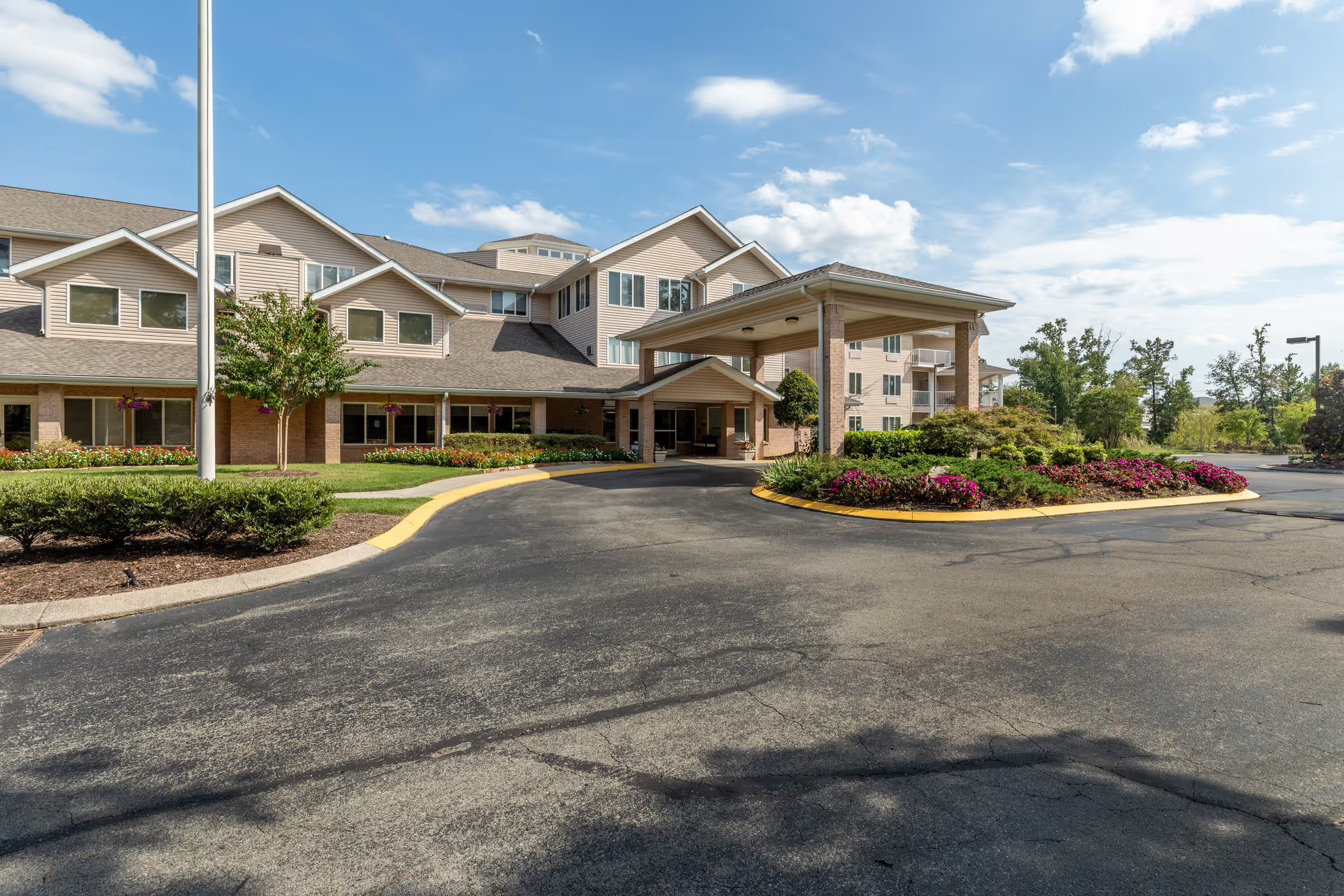
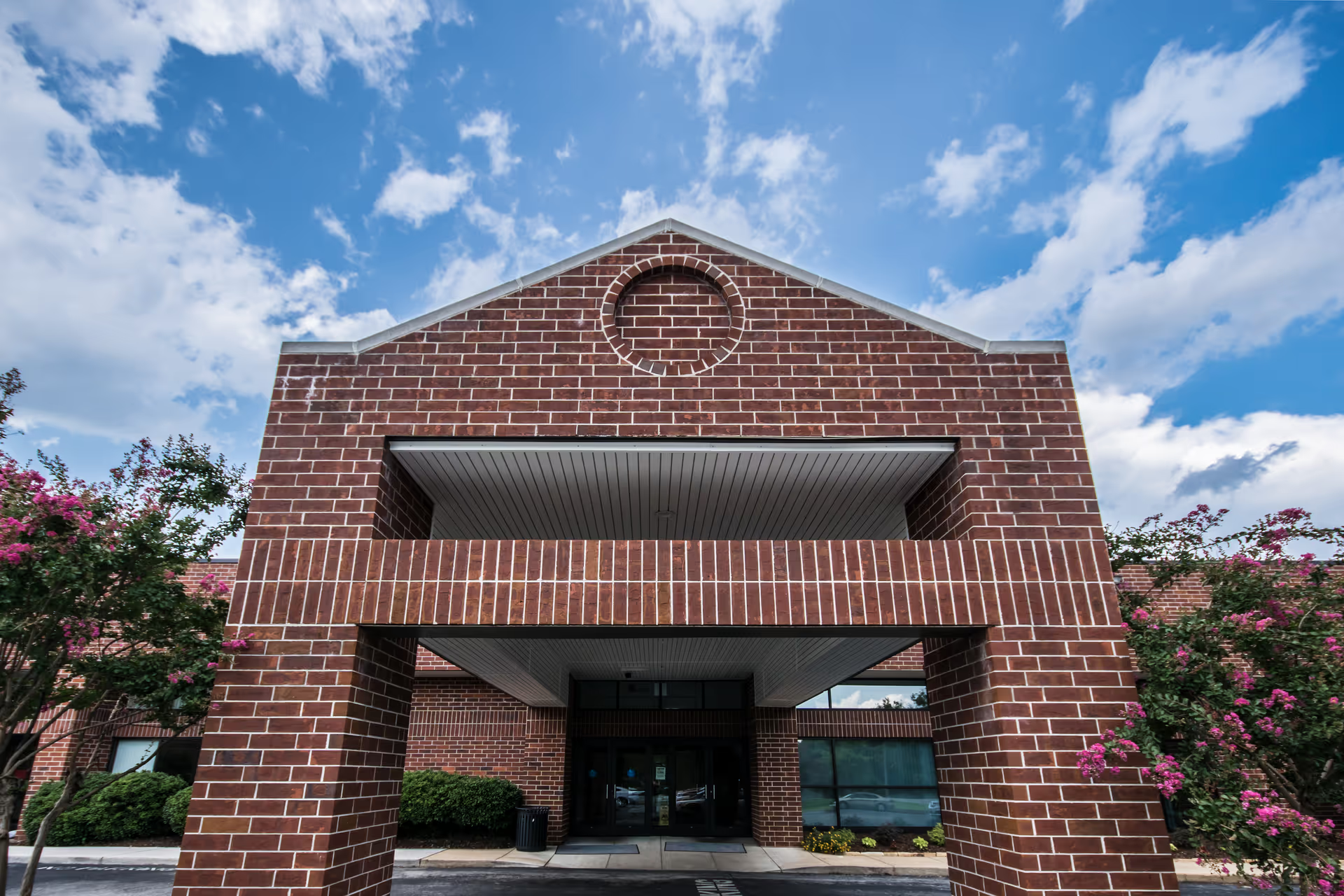
Life Care Center of Ooltewah receives highly mixed feedback. A large portion of reviews describe strong clinical rehabilitation services and a welcoming, well-maintained environment: physical and occupational therapy teams, in particular, are frequently credited with meaningful functional improvement and rapid recovery. Many families also describe compassionate, attentive nursing and CNA staff, supportive social services and admissions teams, attractive grounds and common areas, and a varied activities and dining program that includes social events and menu variety.
At the same time, there is a recurring pattern of operational concerns. The most common themes are inconsistent staffing—especially overnight—and slow response to nurse-call signals. Reviewers describe instances that point to weaknesses in medication administration and clinical monitoring, gaps in following individualized care plans, and variability in therapy availability and clinician continuity. These operational weaknesses appear linked to higher resident-to-staff ratios at peak times and to reports of short-notice discharge communications.
Safety and clinical-continuity issues are also raised across reviews. Examples include delayed diagnostics or treatments, disruptions in equipment or oxygen continuity at discharge, and fall- or transfer-related incidents; collectively these indicate opportunities to strengthen transfer protocols, fall-prevention procedures, and discharge planning. Infection-control practices are generally adequate for many reviewers but were described as inconsistent in specific episodes, and a subset of reviews identified room-level sanitation concerns and incontinence-care delays that merit attention.
Dining and activities are commonly cited as strengths but with variability. Many families praised fresh, thoughtfully prepared meals and a robust activities calendar; others found menus mismatched to preferences or experienced inconsistent meal delivery. Housekeeping and hospitality receive mostly positive remarks, though a number of reports indicate variability in room cleanliness between stays.
Management and communication present a mixed picture. Social services and some administrative staff are frequently praised for coordination and family support, yet other reviewers reported difficulty reaching leadership, perceived pressure around discharge timing linked to payer source, and questions about pricing and billing transparency. These contrast suggest uneven performance across administrative functions.
For prospective residents and families: consider an in-person tour during both daytime and evening hours, ask for current staffing ratios (day and night), review medication-administration and transfer-safety protocols, request details on discharge planning and equipment continuity, and observe a meal service and an activities session. Those seeking intensive, rehab-focused stays often report positive outcomes; families of residents requiring close overnight supervision or complex medical-device management should ask targeted questions to assess whether the facility’s current staffing and clinical processes meet their needs.