Rockwood Care & Rehab Center elicits a mixed but actionable set of impressions. The facility is frequently praised for its rehabilitation services and dedicated dementia care: reviewers highlight a strong therapy program that helps residents regain mobility and function, and a specialized dementia unit (Bridges) where staff demonstrate patience, training, and family-oriented guidance. Admissions and administrative personnel are often described as supportive and welcoming, and many families report respectful, caring interactions with nursing, CNAs, and therapy staff.
Clinical care receives uneven assessments. Positive accounts emphasize effective, coordinated therapy and attentive bedside care; contrasting accounts describe operational issues with medication administration and pharmacy coordination that can lead to delays in pain medication and other medications. There are also repeated references to slow responses to resident requests, inconsistencies in continence-care practices, and variability in physician decision-making. A limited number of reviews referenced serious events (including infection occurrences and a resident death); these remarks underline the importance of clarifying clinical oversight, infection-control protocols, and communication practices with facility leadership prior to placement.
Dining and activities are consistent strengths in many narratives. Families and residents cite varied meal choices, enjoyable outings (for example, lake rides and seasonal events), and meaningful activity programming that contributes to resident morale. Some feedback notes small portion sizes for certain residents and occasional dissatisfaction with meal satisfaction, so dietary accommodations and portioning preferences are reasonable topics to review in person.
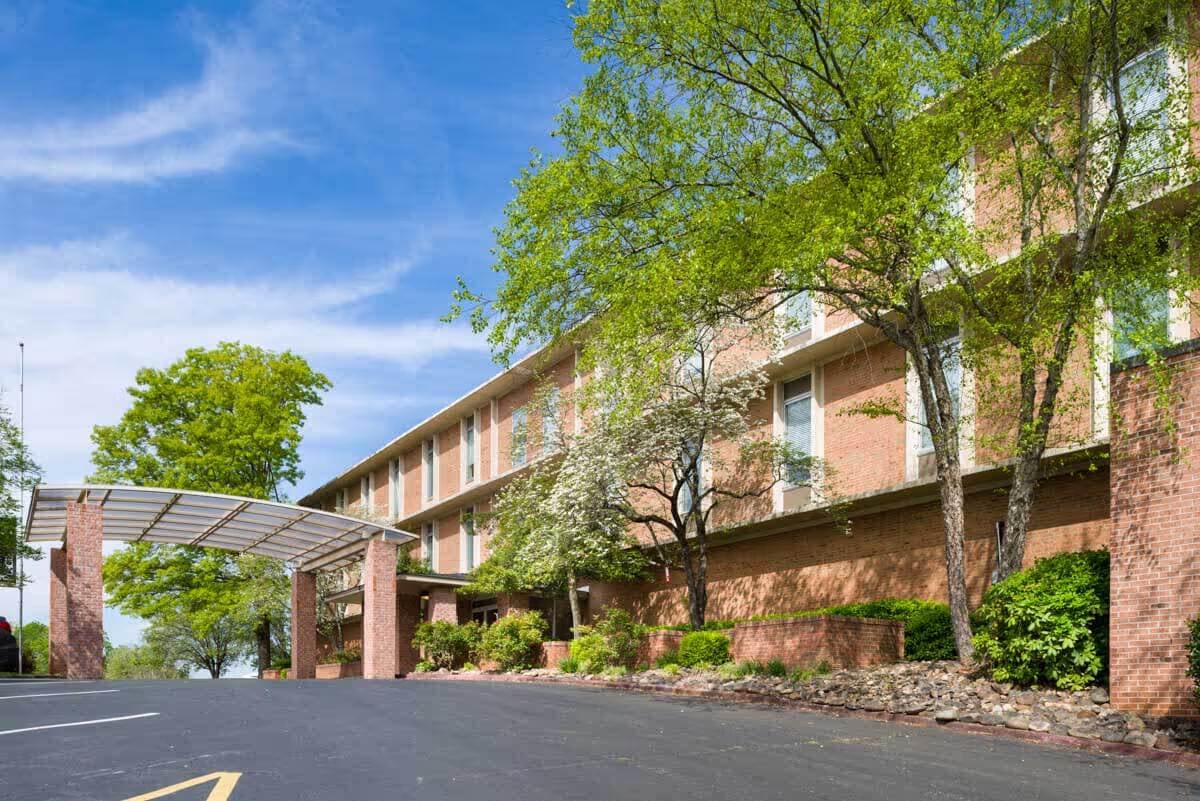
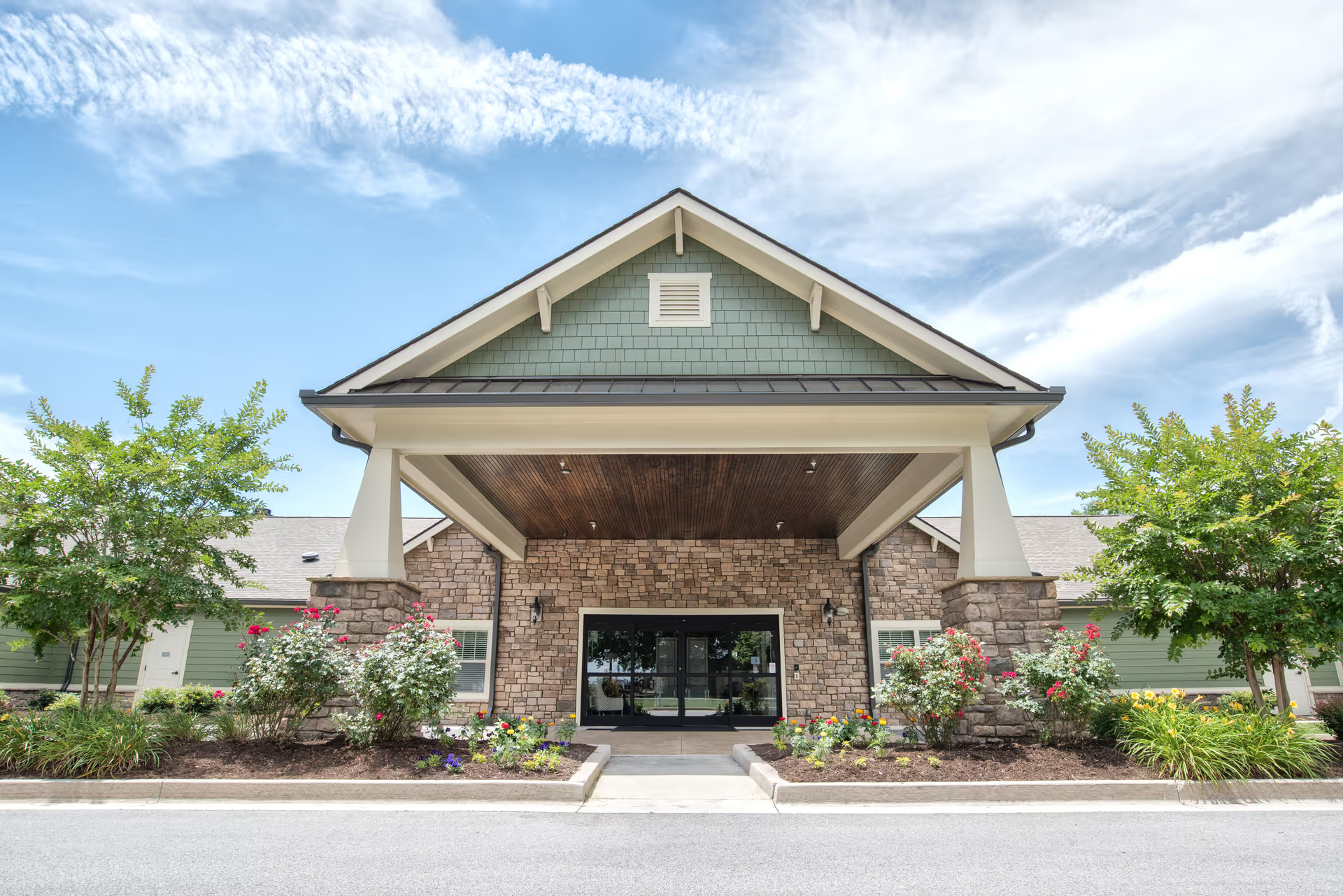
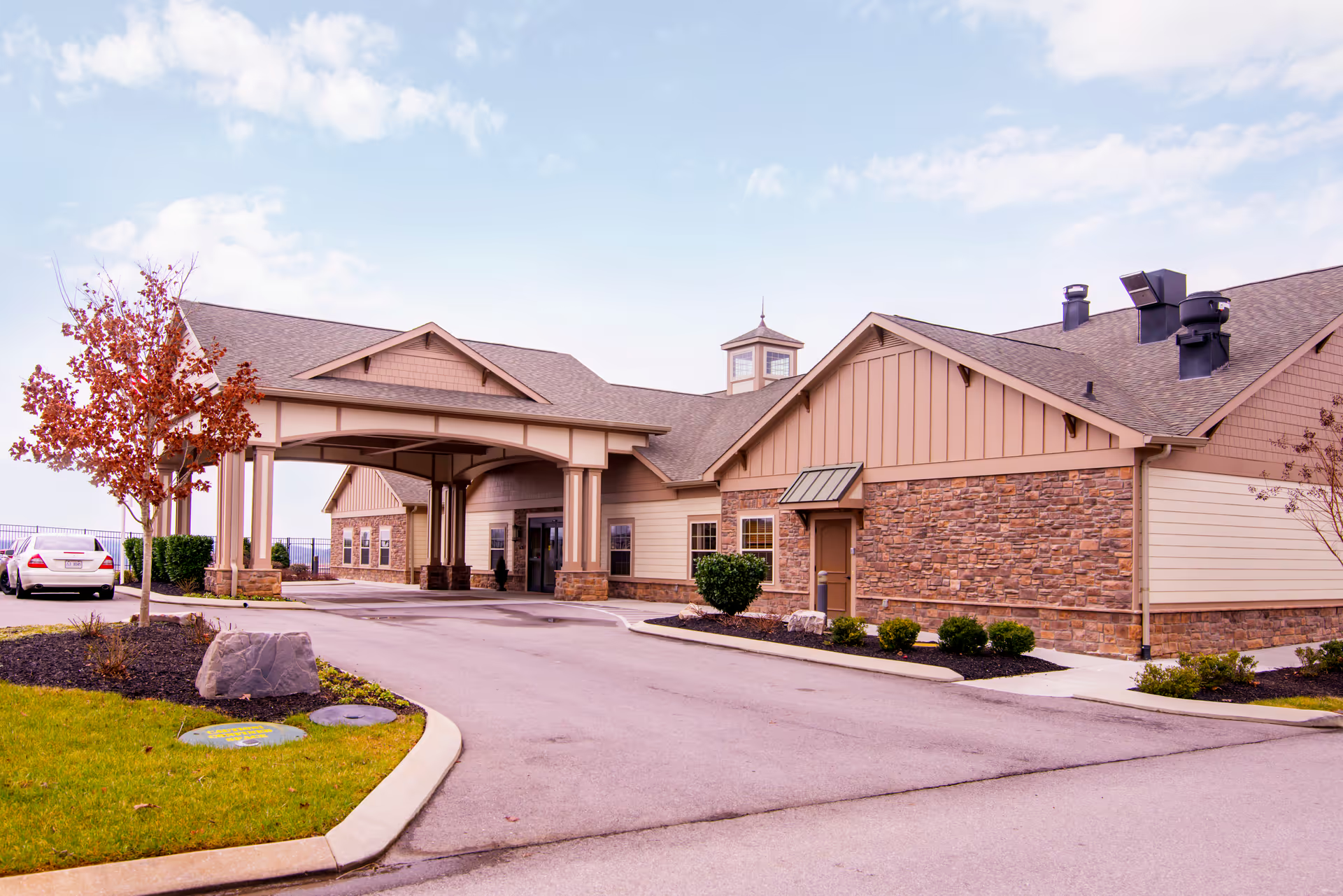
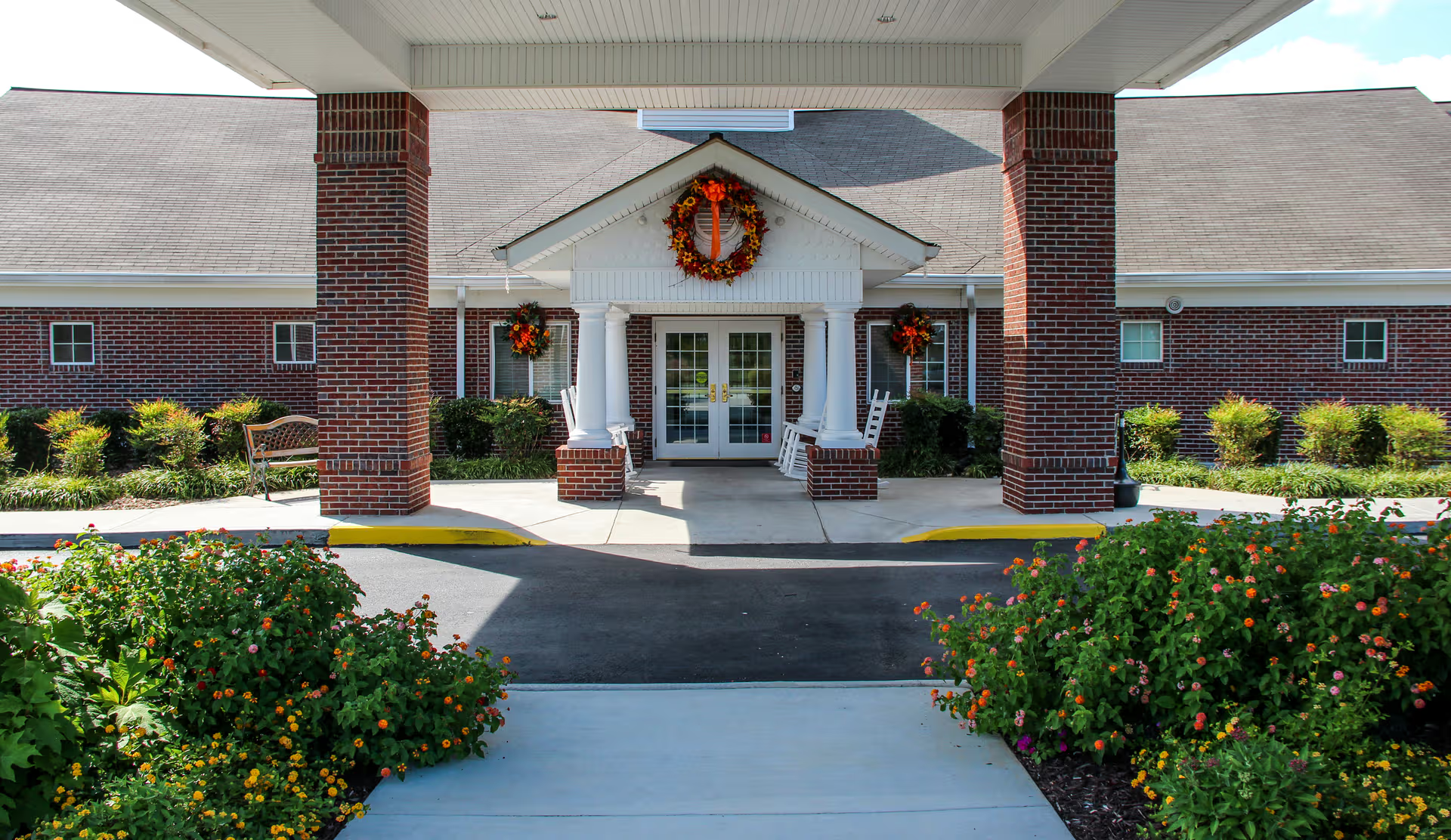
Facility condition and operations present a mixed picture. Several reviewers describe clean, welcoming common areas and responsive housekeeping, while others note inconsistencies in room condition, maintenance (for example, equipment repair needs), and pest-control concerns. There are also comments about marketing images not matching actual rooms; prospective families should verify current room condition during a visit. Documentation and incident reporting gaps (for example, omissions in fall documentation or late/after-hours procedures) were mentioned, suggesting the need to confirm recordkeeping and family-notification processes.
Management and organizational culture show both strengths and weaknesses. Leadership and communication receive positive mention from families who experienced coordinated rehabilitation and clear discharge planning. At the same time, concerns about staff conduct, accountability, and transparency during critical incidents were raised. Given this mixed feedback, prospective residents and families should prioritize direct observations and targeted questions when evaluating the facility: ask to meet the medical director and unit manager, review medication-administration and pharmacy protocols, inquire about staffing levels and typical response times, request recent inspection and infection-control records, confirm procedures for continence care and incident reporting, and view the specific room intended for placement.
Overall, Rockwood demonstrates notable strengths in therapy, dementia programming, and interpersonal caregiving in many cases, but also exhibits operational inconsistencies that can affect clinical responsiveness, cleanliness, and documentation. An in-person assessment focusing on the operational areas highlighted above will help families determine whether the facility’s present practices align with a prospective resident’s care needs.