Experience at this facility is notably mixed, with recurring positive themes alongside persistent operational weaknesses. Many families praise the staff for compassionate, resident-centered care, highlighting long-tenured employees who create a family-like atmosphere. Clinical praise centers on strong rehabilitation services (physical, occupational, and speech therapy), effective case management, and engaged nurse practitioners and nursing leadership. Several accounts describe successful outcomes for complex needs such as tracheostomy and oxygen weaning, and families often cite clear care plans and thorough explanations from staff.
At the same time, clinical-process concerns appear repeatedly. Reviewers describe inconsistencies in medication administration and documentation, and gaps in basic clinical monitoring such as vitals and blood-glucose checks. These monitoring lapses extend to insulin oversight and wound-care follow-up after falls. Call-response times and timely assistance with toileting and other personal care are uneven, reflecting variability in bedside responsiveness across shifts. Some accounts also describe shortened or poorly coordinated rehabilitation stays and questions about discharge timing.
Staffing and management emerge as a central driver of variability. Positive comments point to a proactive director of nursing, attentive social services, and supportive administrative staff; however, other comments indicate chronic staffing variability, particularly on night shifts, and variability in staff conduct and communication tone. Communication between the facility and families is uneven — some families receive regular updates from leadership, while others experience limited phone access and unclear coordination around clinical decisions. Infection-control and visitation policies have been a source of tension, with limited flexibility during periods of active cases and concerns about staff vaccination uptake affecting family access and perceptions of safety.
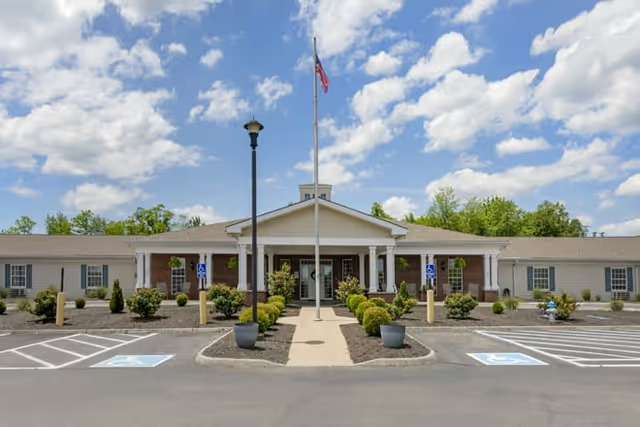
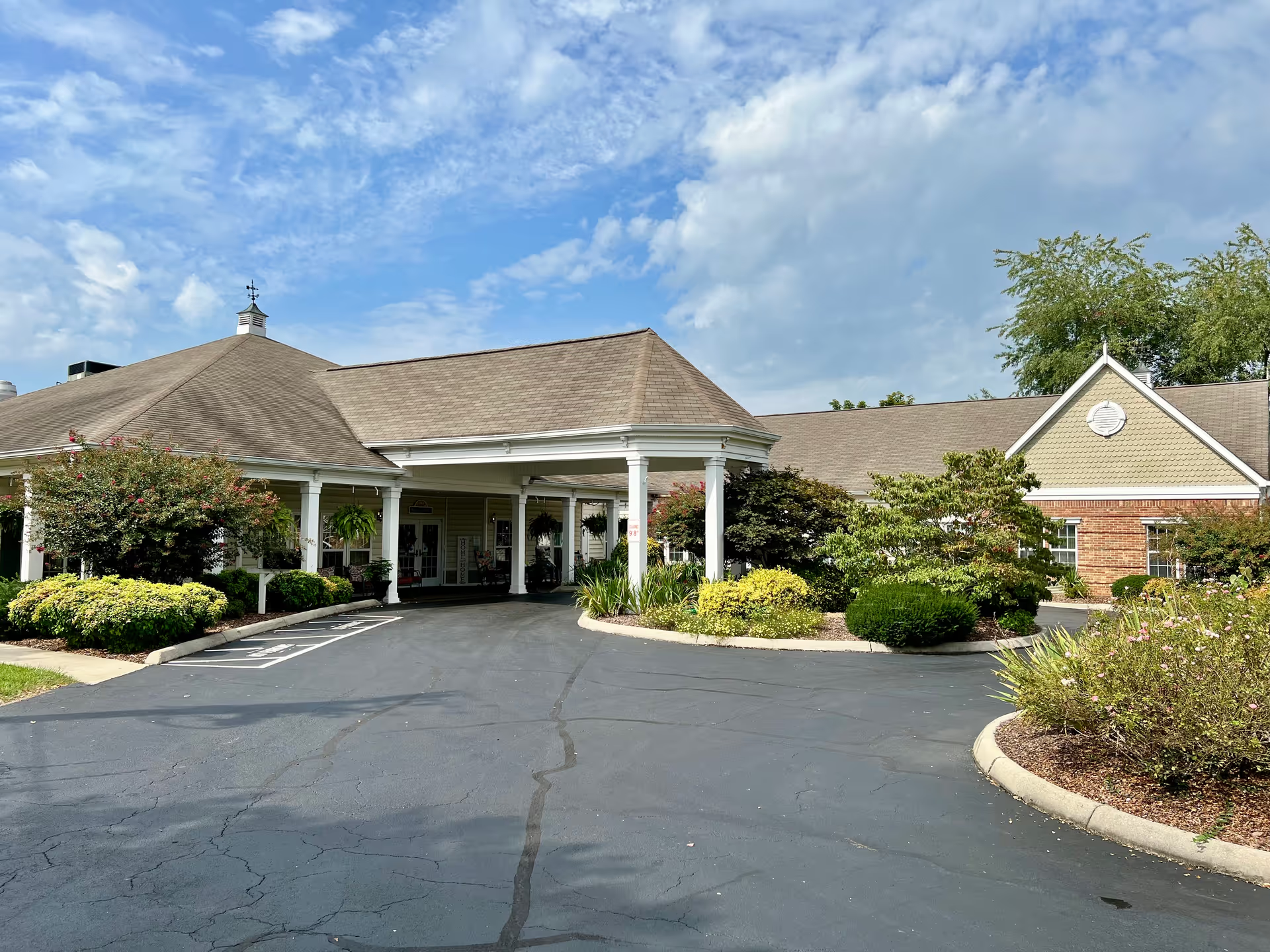
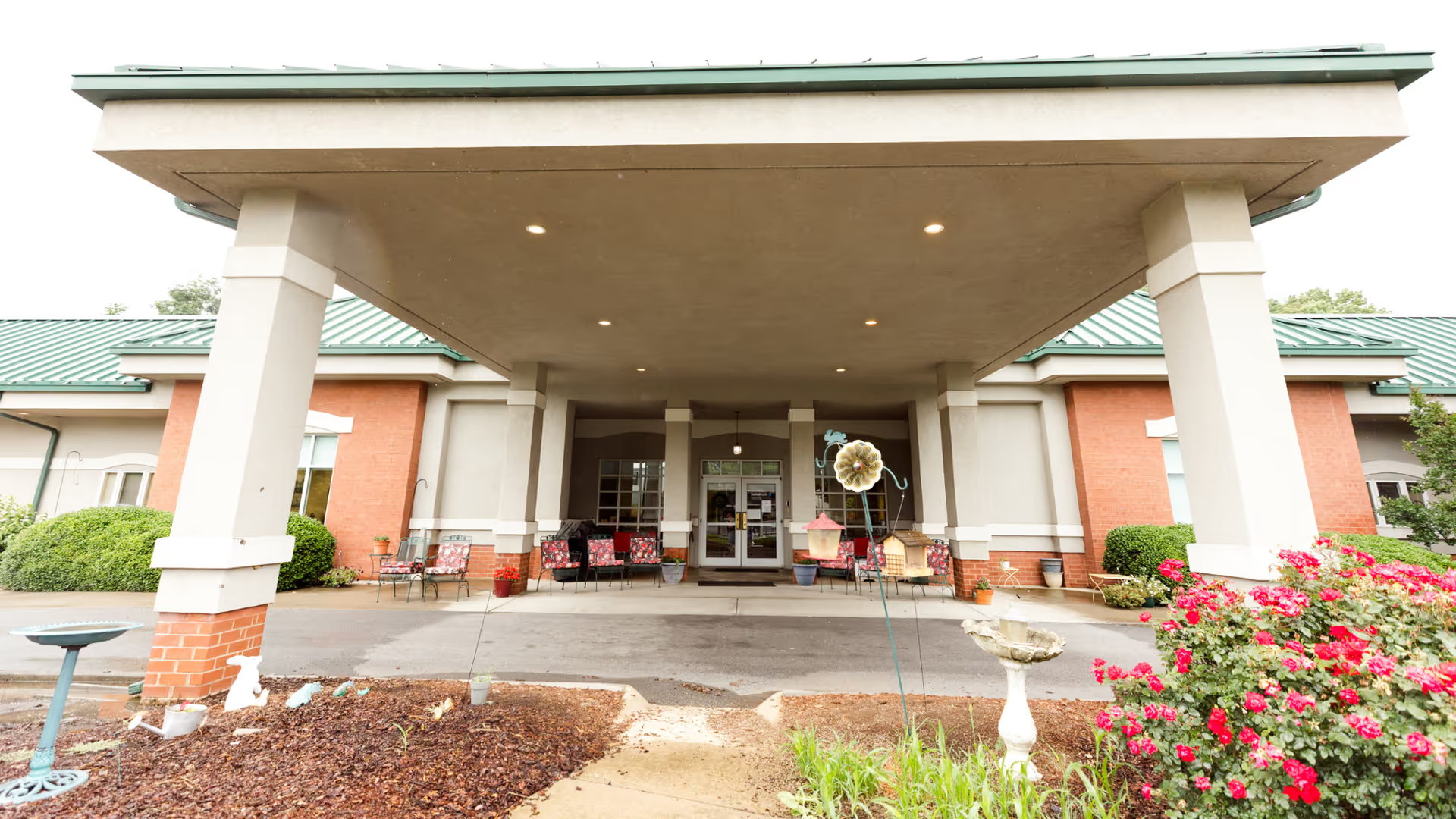
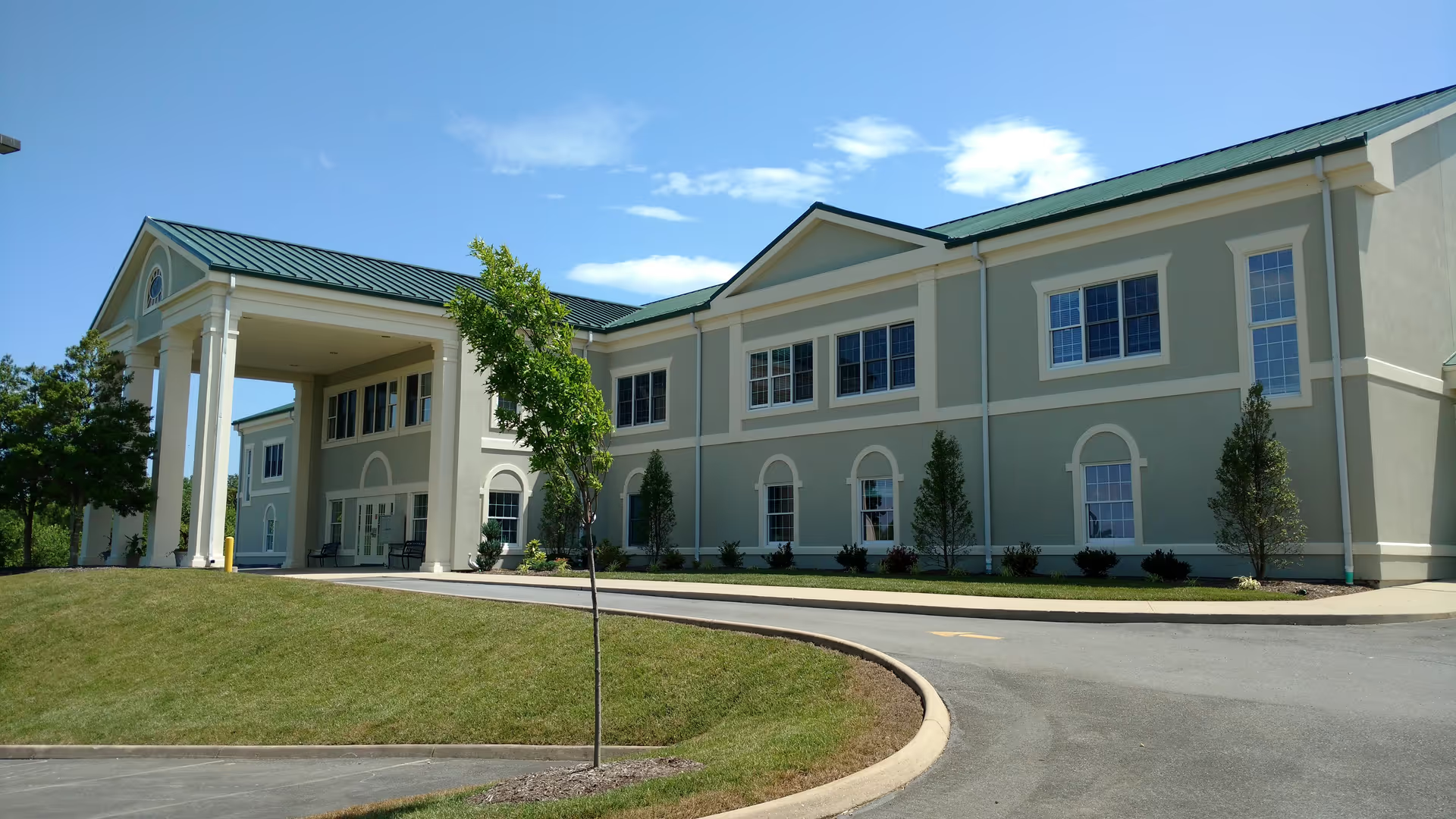
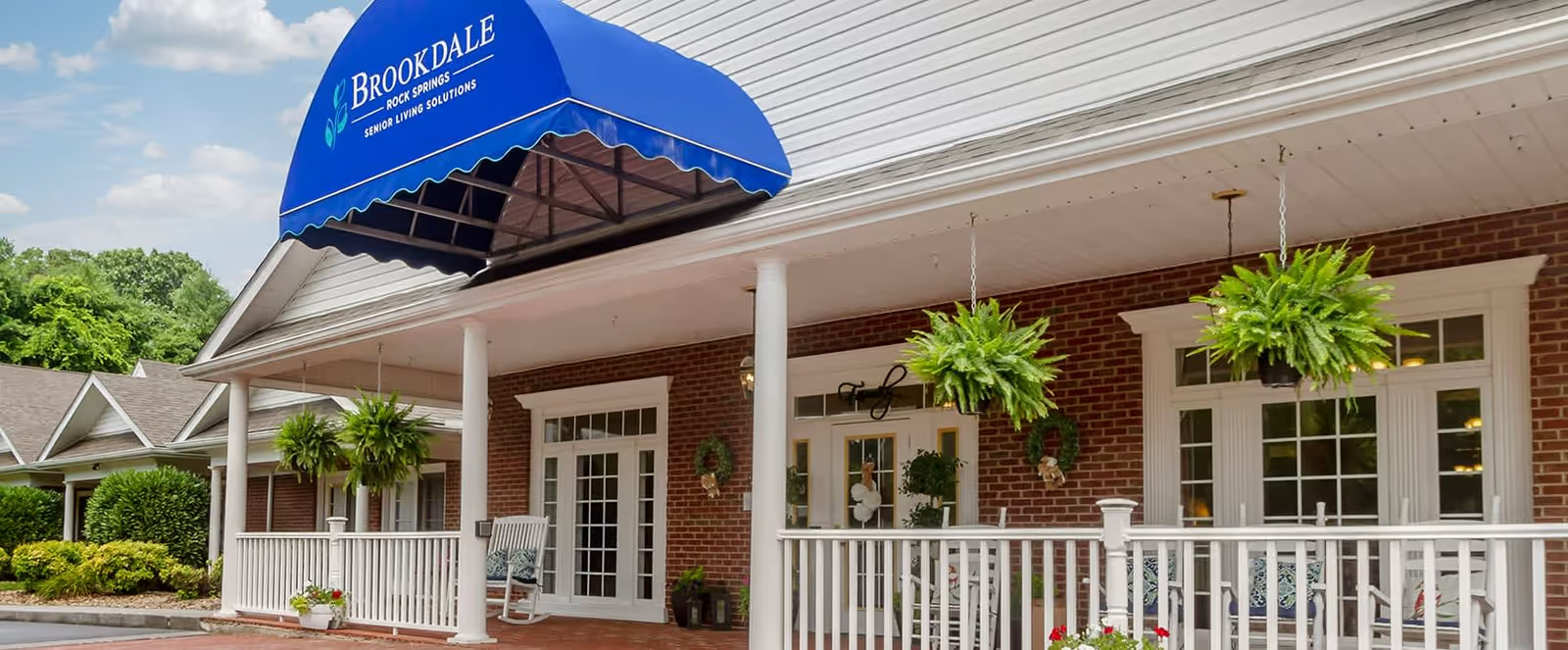
Dining, activities, and the physical environment receive generally favorable remarks but are not uniform. Many families find the dining to be nutritious and preference-honoring, and the facility is described as clean with a pleasant courtyard and active programming. Conversely, there are isolated sanitation and maintenance concerns, delays in laundry and ancillary services, and instances where therapeutic-diet needs were not consistently met.
Overall, the pattern is one of strong, mission-driven caregiving capacity that can deliver very good clinical and rehabilitative outcomes, paired with operational inconsistencies that affect reliability. Prospective residents and families may benefit from asking specific questions about current staffing levels on desired units and shifts, medication- and monitoring-protocols, wound-care and fall-prevention practices, visitation policies during infection-control events, and how the facility documents and communicates care updates. These targeted inquiries can help assess whether the facility’s strengths align with an individual resident’s needs and whether management is actively addressing the operational gaps described by families.