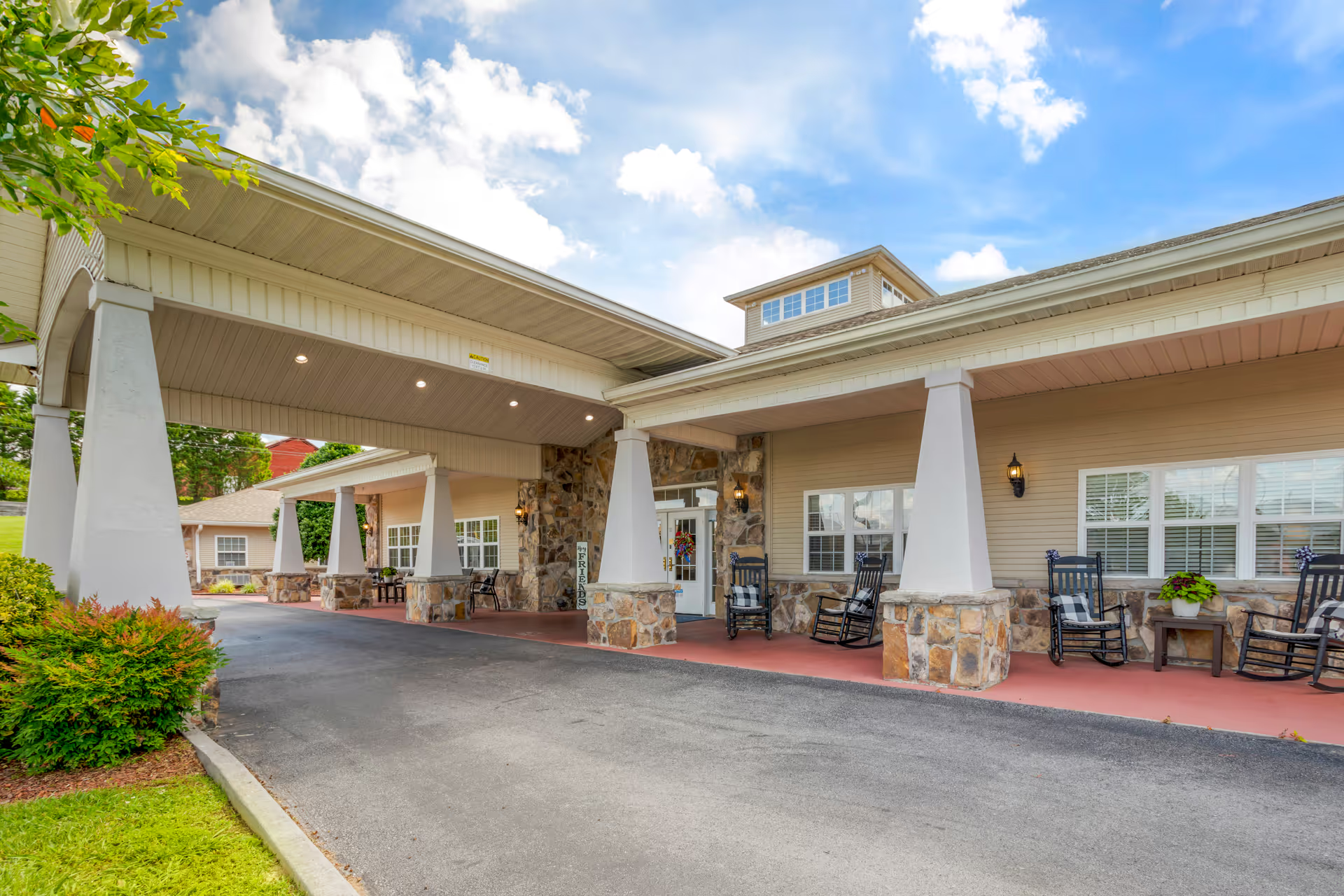
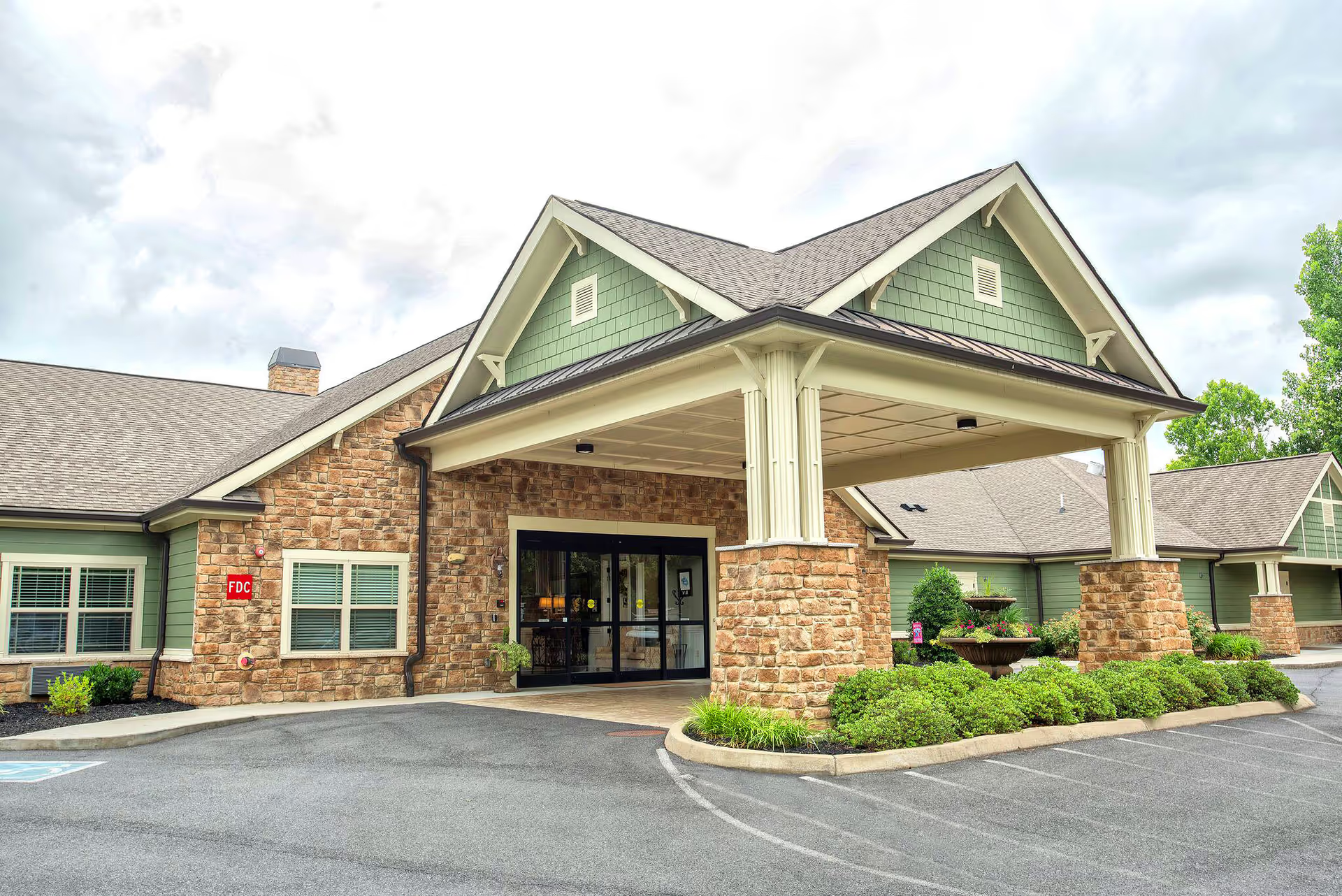
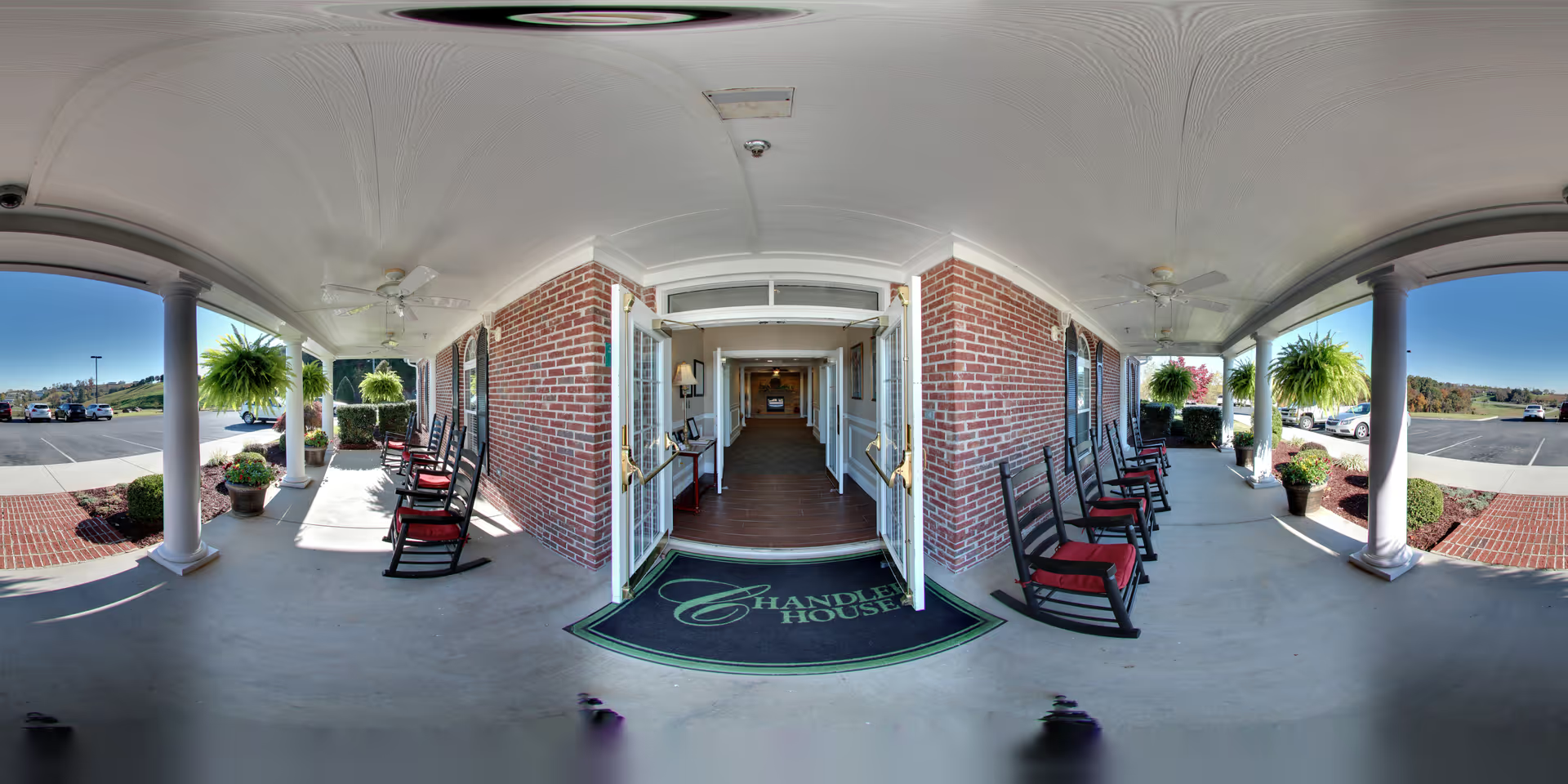
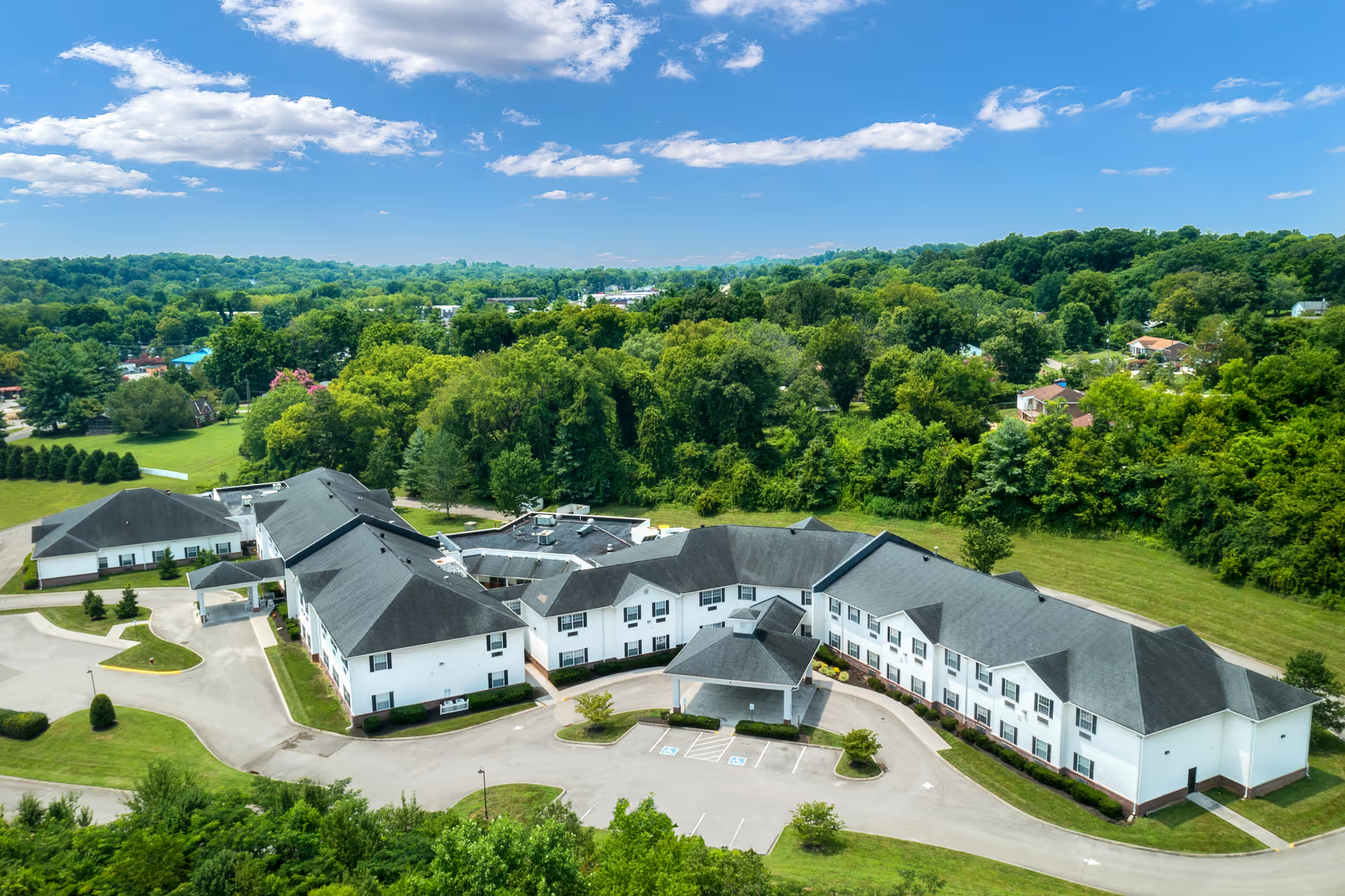
Mountain Brook Village Senior Living presents a highly mixed profile: many residents and families praise the community for its scenic, riverfront setting, responsive maintenance, and an atmosphere that some describe as family-like. The campus features gardens, common rooms, and a variety of apartment types (including furnished options), and numerous accounts highlight friendly caregiving staff, dependable housekeeping, and an active daytime program with transportation for errands and outings. For prospective residents seeking social engagement, affordable rent, and a calm natural setting, the facility can be an attractive choice.
Care quality and clinical oversight are areas of divergence in the reviews. Several families describe compassionate, involved nurses and hands-on caregiving, positive hospice coordination, and good day-to-day support. Conversely, other accounts point to lapses in clinical monitoring, delays in emergency response, and concerns about medication oversight. These contrasting experiences suggest variability in clinical processes and outcomes; families prioritizing higher-acuity medical support should verify on-site clinical capacity and emergency protocols directly with administration.
Staff and management impressions are similarly polarized. Many reviewers commend individual staff members for kindness, helpfulness, and responsiveness, and note maintenance and housekeeping as strengths. At the same time, there are consistent issues raised about administrative communication and tone — including perceived unresponsiveness, restrictive paperwork processes, and disagreements over deposits and eviction actions. These account-level disputes point to a need for clearer, more transparent admission and financial policies and consistently applied communication practices.
Dining and food service receive mixed feedback: several residents enjoy the meals and social dining experience, but others report variability in food quality, temperature, and preparation standards. Noted concerns around kitchen sanitation and pest-control practices indicate that food-safety procedures and consistent kitchen oversight merit review during a tour. Activity programming is robust during daytime hours with regular outings, shopping trips, and group activities; however, reviewers note fewer evening options and reduced programming during infection-control or lockdown periods.
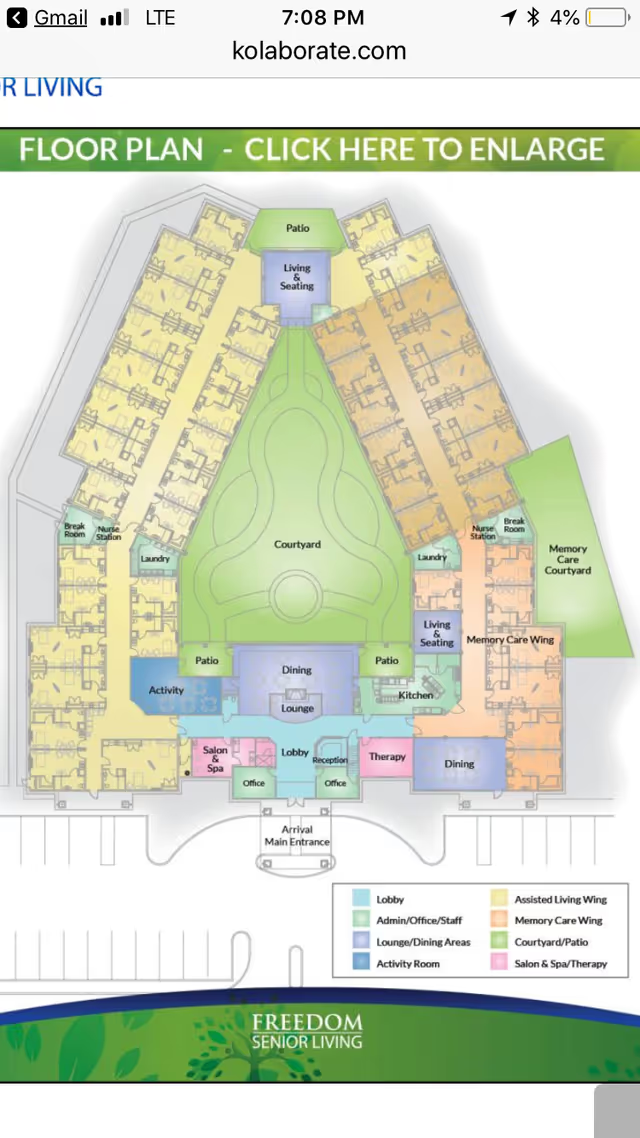
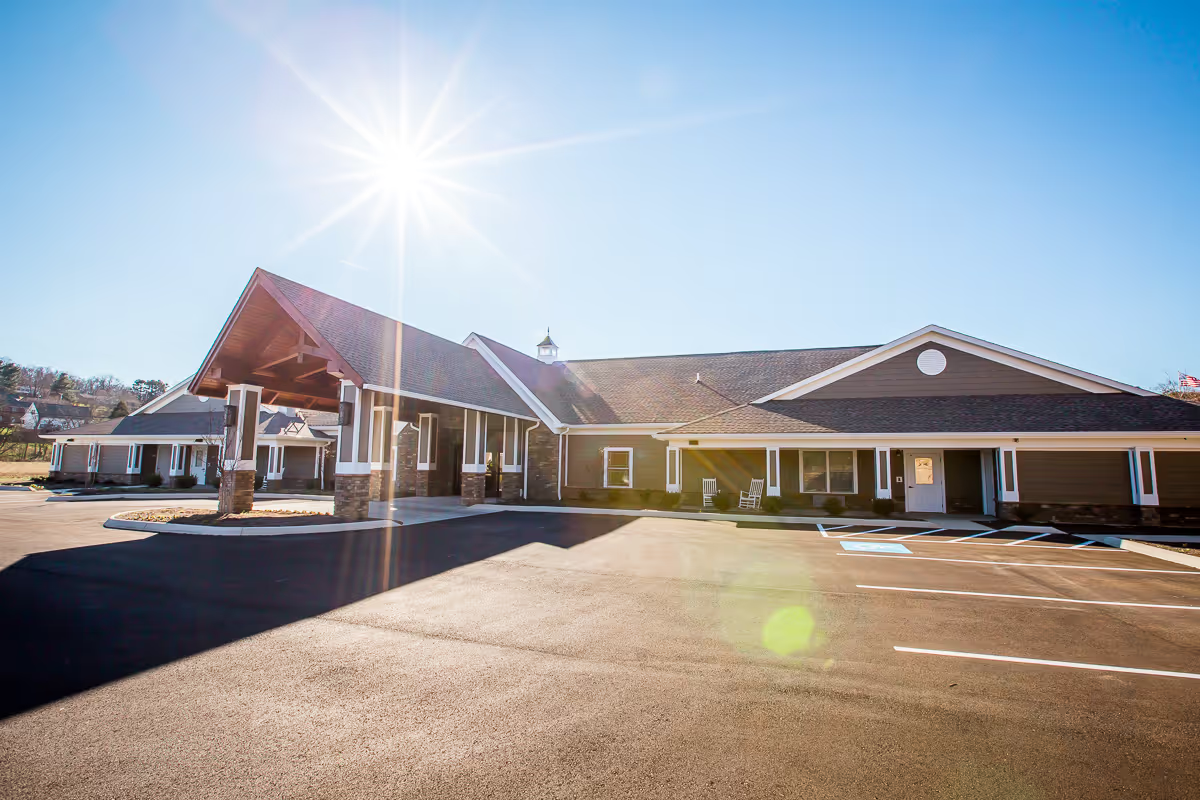
Facility condition is another mixed area. The property’s location and outdoor spaces are frequently praised, and ongoing renovations and maintenance are cited positively. At the same time, parts of the campus are described as dated, with some accessibility challenges (long walks to dining rooms, wheelchair access issues in certain units) and variable cleanliness in particular areas. Prospective residents should inspect specific apartment layouts and common-area routes for individual mobility needs.
Overall patterns indicate a community with strong social strengths and several operational weaknesses. Many residents report long-term satisfaction tied to the social environment, caring staff members, and scenic setting. However, recurring operational themes — inconsistent administrative communication, variability in clinical monitoring and medication management, unclear financial/admissions policies, and kitchen-sanitation concerns — are important to clarify before moving in. Families should ask for written policies on admissions and deposits, review emergency and medication protocols, observe kitchen/ dining areas on a visit, and verify what levels of care are available on-site to ensure alignment with the prospective resident’s needs.