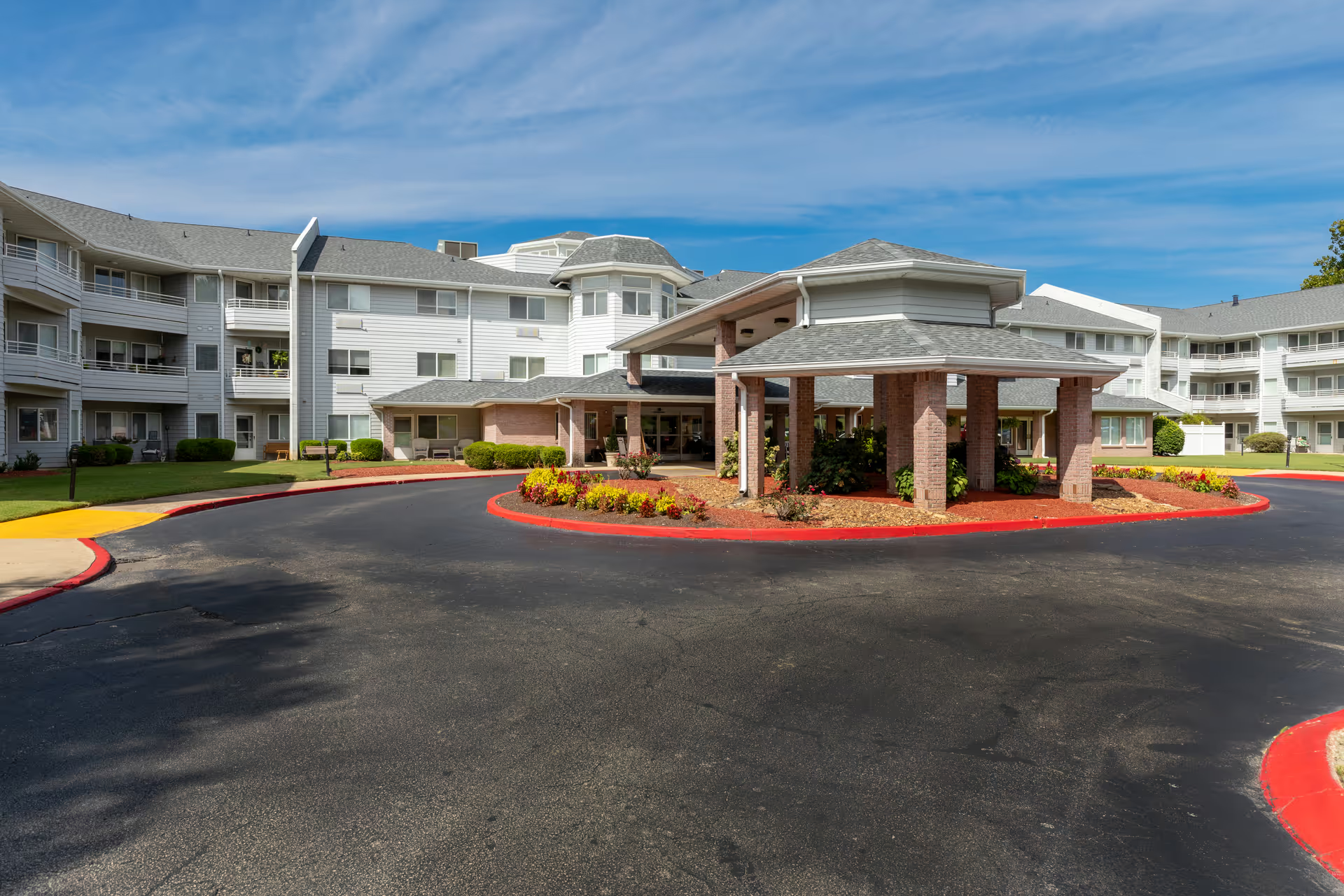
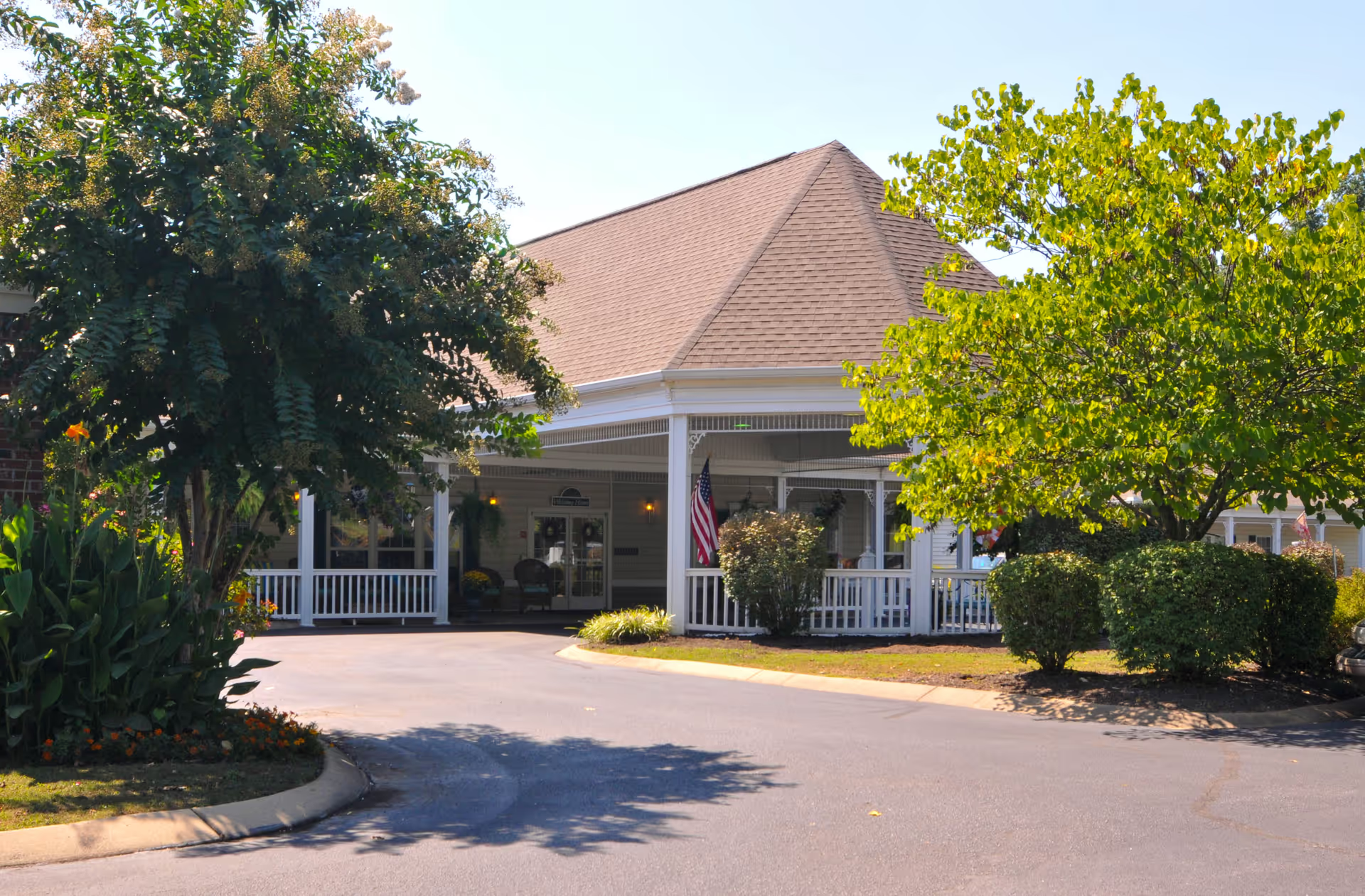
Reviews present a mixed but consistent picture: many families and residents describe a clean, well-kept facility with friendly, caring staff, appealing meals, and an active schedule of activities suitable for both short-term rehabilitation and long-term residence. Proximity to family and a home-like atmosphere are commonly cited strengths, and some reviewers explicitly characterized management and day-to-day operations as well run.
At the same time, several narratives raise operational concerns that affect trust and reliability. These concerns center on delays in staff response and assistance (including lengthy waits for help), inconsistent procedures for transferring residents or completing bed moves—particularly around shift changes—and observable lapses in medication handling and storage. Reviewers also report variability in staff conduct and communication tone; specific accounts describe unhelpful or evasive interactions with supervisory staff and difficulties obtaining timely, accurate information. Together these patterns suggest uneven care quality that may vary by shift and individual caregiver.
Dining and activities are generally highlighted as positives: reviewers frequently mention enjoyable food and multiple activity options, and the facility's cleanliness and caring staff receive repeated praise. However, some positive comments lack operational detail, leaving open questions about consistency over time and across units.
Management appears to be a polarizing area. While some families note effective oversight, others point to gaps in handover practices, family communication, and staff training that could be addressed through clearer protocols and supervision. Prospective residents and families would benefit from focused questions at a tour or meeting—examples include expected response times to call systems, shift-handover and transfer protocols, medication-administration safeguards, staffing ratios by shift, and the facility's procedure for communicating clinical changes to families. Those steps can help verify whether the positive aspects described are consistent and whether the operational weaknesses have been remediated.