Account summaries of Charter Senior Living of White House present a mixed picture: the community is frequently described as attractive, comfortable, and well furnished, with robust programming and a home-like atmosphere, but there are repeated operational concerns that prospective families should evaluate closely.
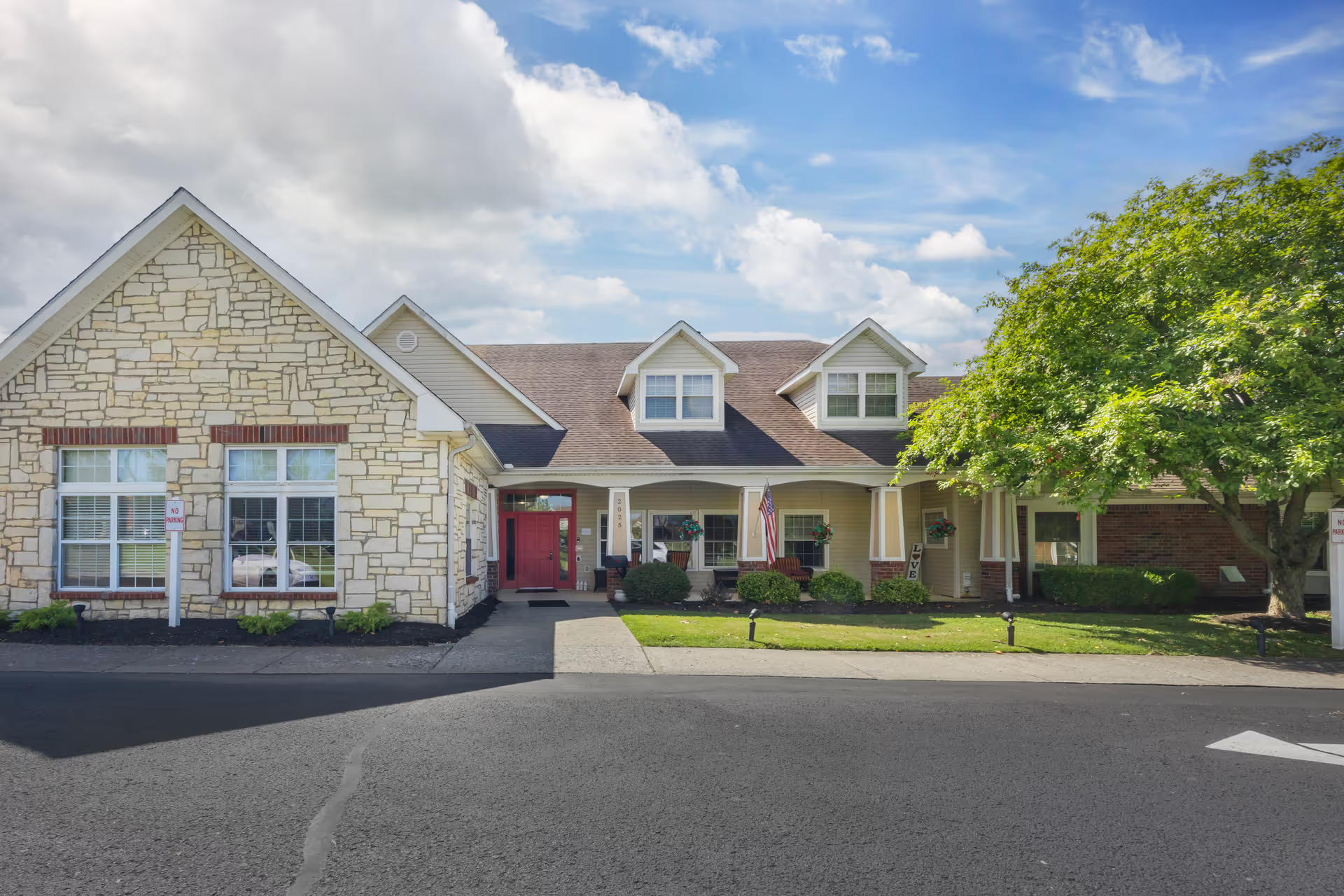
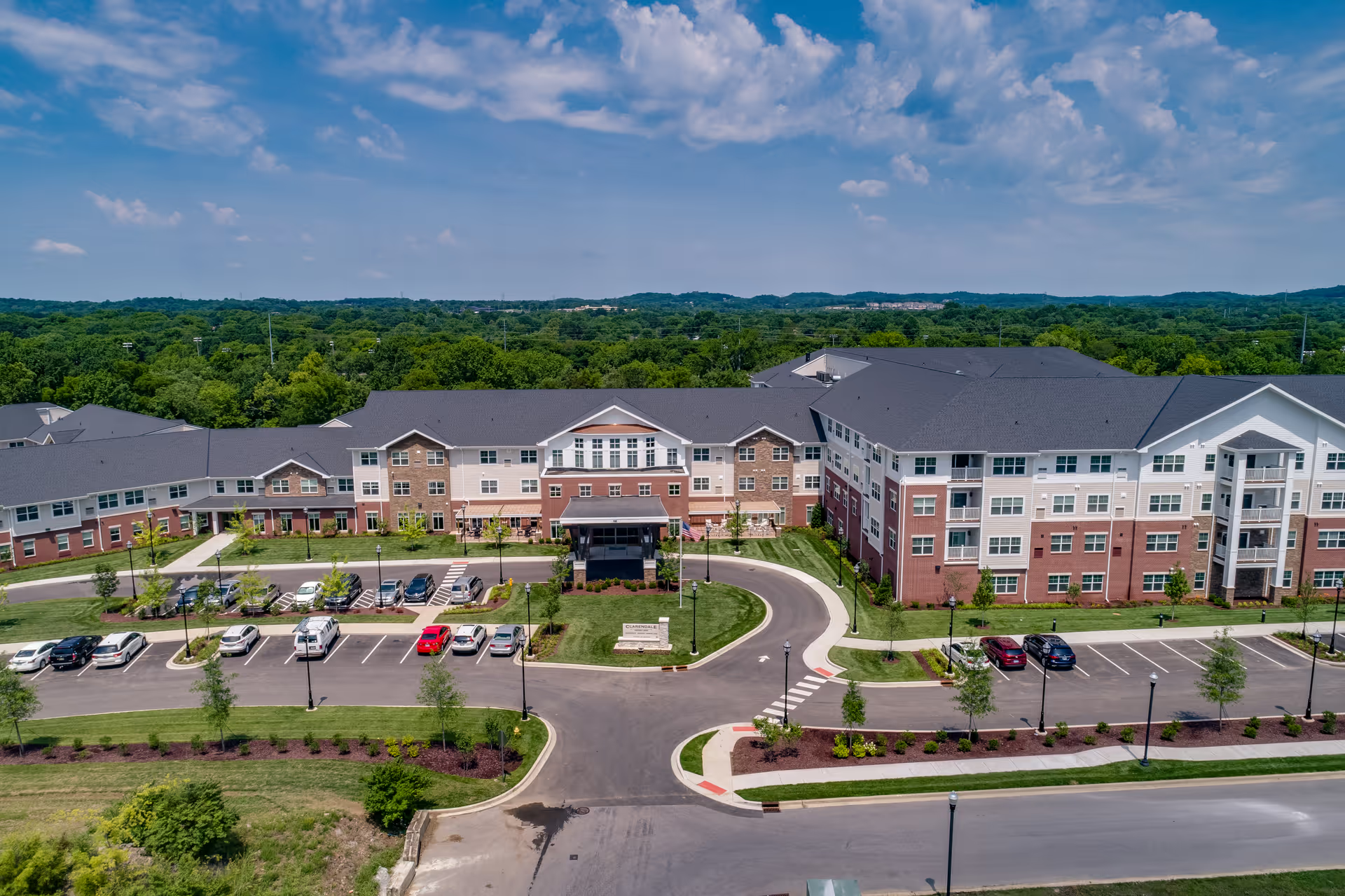
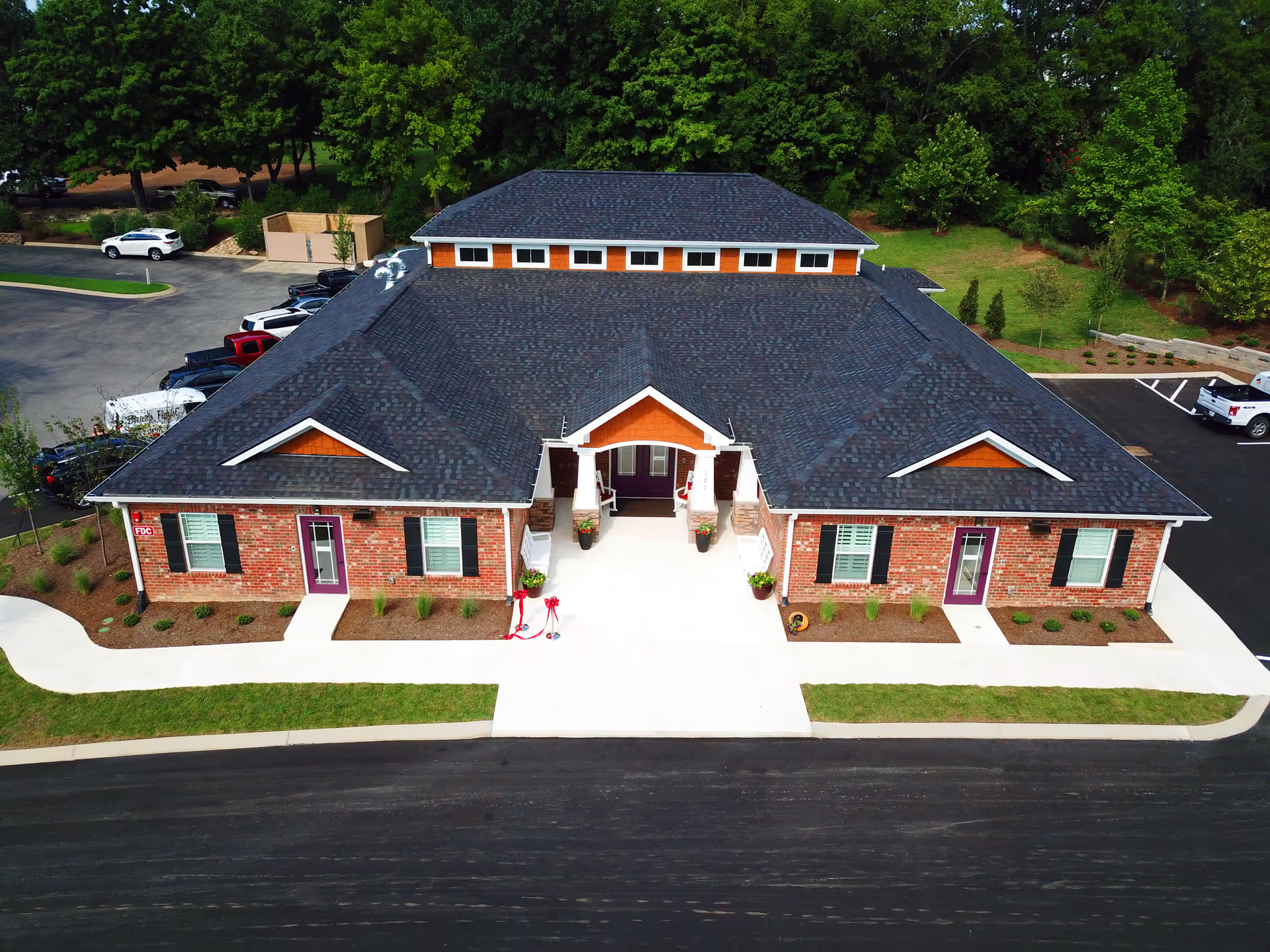
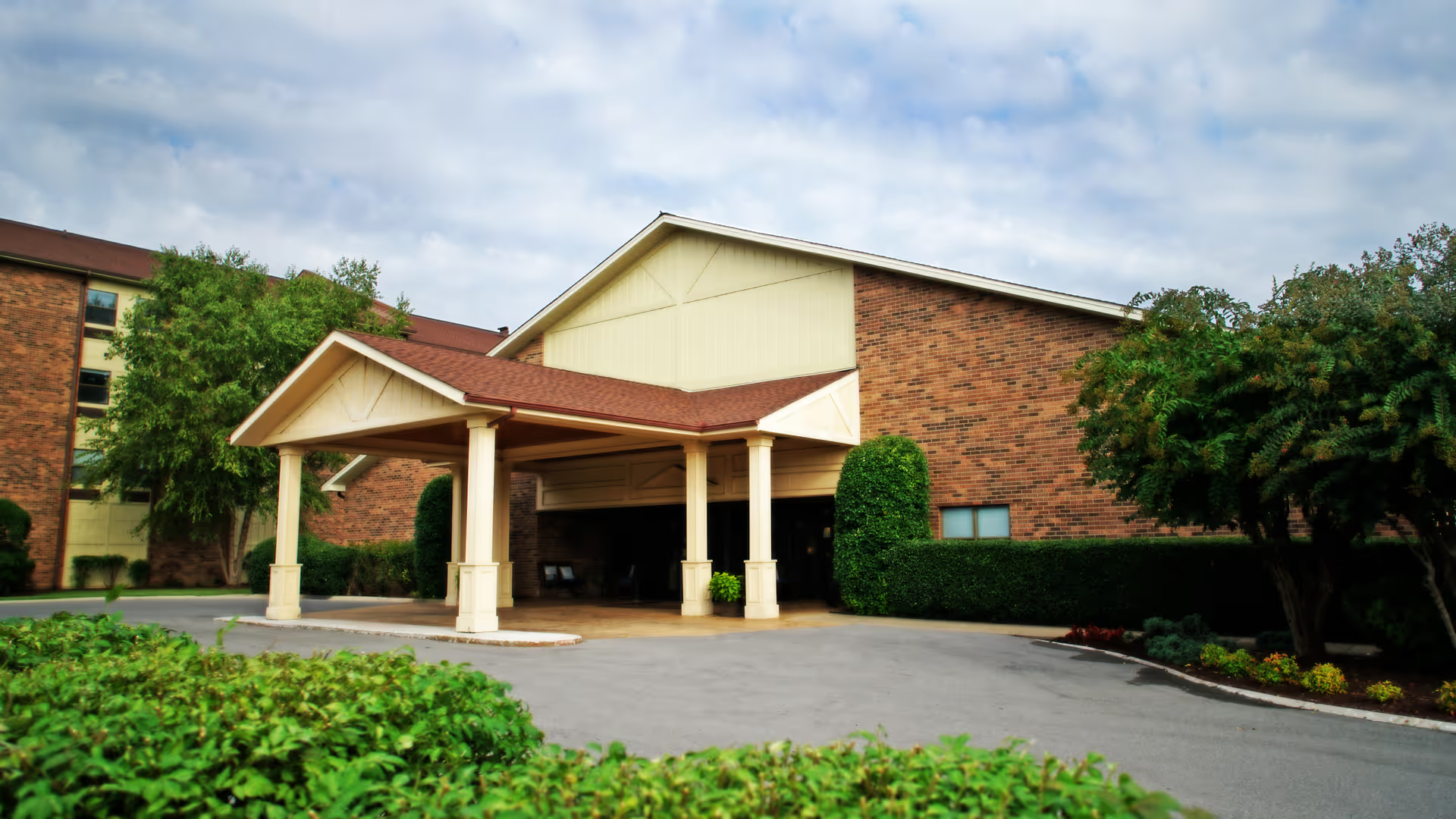
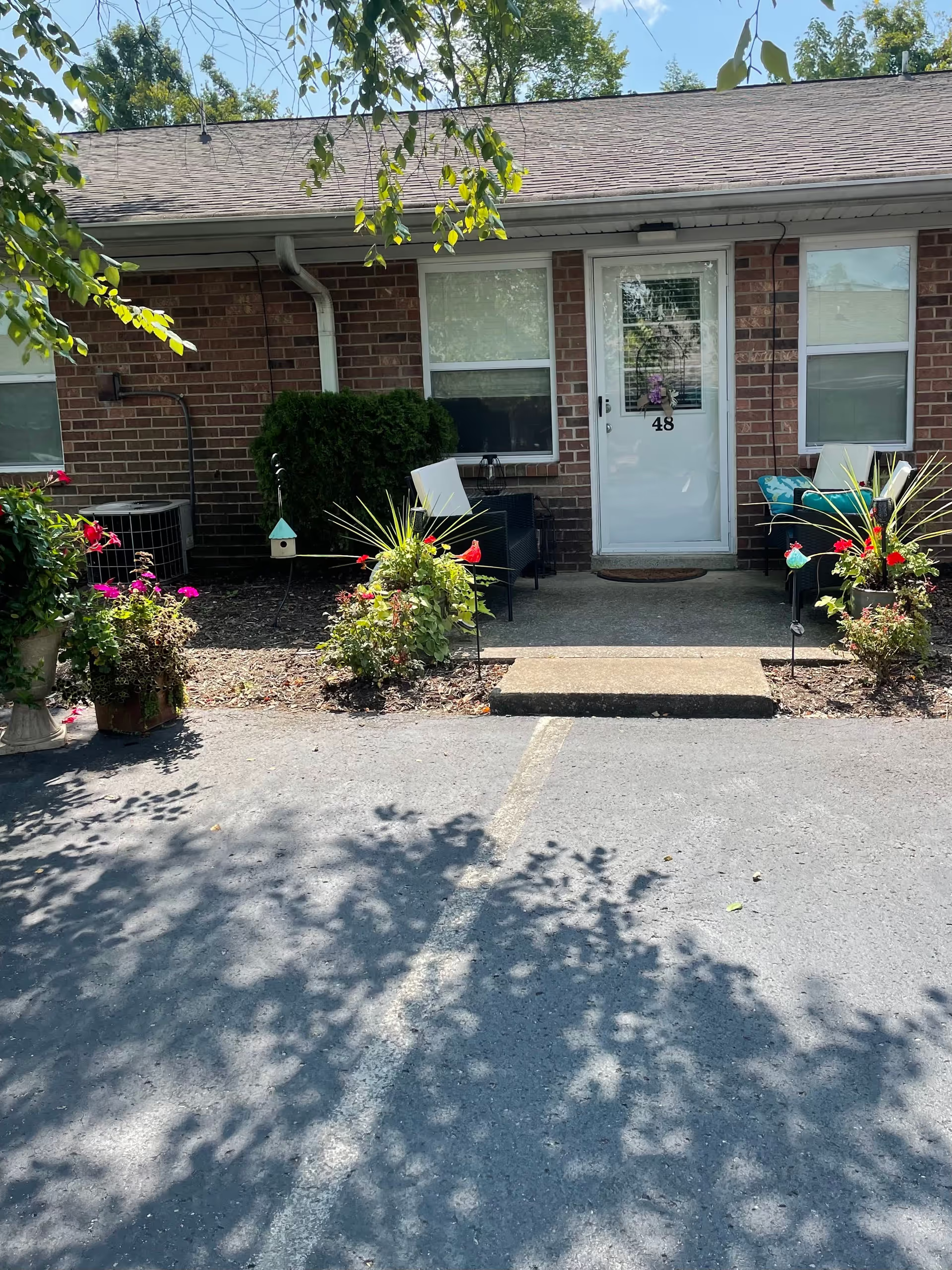
Facilities and programming: The physical campus is consistently praised — bright, well-maintained interiors, attractive grounds with a wrap-around porch, and an ergonomic one-level design. Families note comfortable private rooms and amenities that support a residential feel. Activity offerings appear to be a visible strength for many residents, with art classes, resident artwork displays, weekly Bible study, organized communal meals, and other social programming that encourage engagement and reduce isolation for residents.
Staff and caregiving: Many accounts highlight compassionate, attentive staff, a strong day-to-day presence, and helpful admissions and transition experiences. The community also offers in-house physical therapy and proactive hospital check-ins in some cases, which families viewed positively. However, these positive reports are juxtaposed with accounts describing variable staff professionalism and inconsistent administrative communication. That variability appears to drive very different family experiences — ranging from high trust and peace of mind to frustration over unmet promises and access disputes.
Clinical care and resident needs: There are substantive, recurring concerns about consistency of clinical oversight and assistance with activities of daily living. Specific operational themes include delays or gaps in assistance with personal care, inconsistent bathing and incontinence-care schedules, and questions about nutritional monitoring and meal delivery (including missed or cold meals). Several accounts reference frequent hospital transfers and care-transition challenges, suggesting opportunities to strengthen clinical monitoring, transfer protocols, and coordination with families and external providers.
Dining, housekeeping, and belongings: Opinions about dining and housekeeping are mixed. Some families compliment the food and housekeeping teams, while others cite unreliable meal service and issues with meal temperature or delivery. Housekeeping and maintenance staff receive praise in multiple accounts, but there are also reports indicating sanitation and incontinence-care concerns and instances of missing clothing or unexpected charges for grooming services, which point to gaps in resident belongings management and billing transparency.
Management and governance patterns: Leadership and administrative behavior are described inconsistently — several families commend transparent updates and attentive administration, yet others describe unprofessional communication, access limitations, and unresolved financial questions. There are isolated allegations relating to financial handling and billing; given their seriousness, these should be explored directly with facility management and via documentation during the decision process.
Notable patterns and considerations: The predominant pattern is polarity: many families experience excellent interpersonal care and a welcoming environment, while others report operational lapses that affect basic daily care and communication. Prospective residents and their families would benefit from targeted, documentable inquiry around clinical staffing levels, meal-service protocols, incontinence and bathing schedules, inventory/belongings procedures, billing practices, and examples of memory-care programming. Verifying responses in writing and observing mealtimes, activities, and staff-resident interactions during a visit can help reconcile the divergent accounts and inform placement decisions.