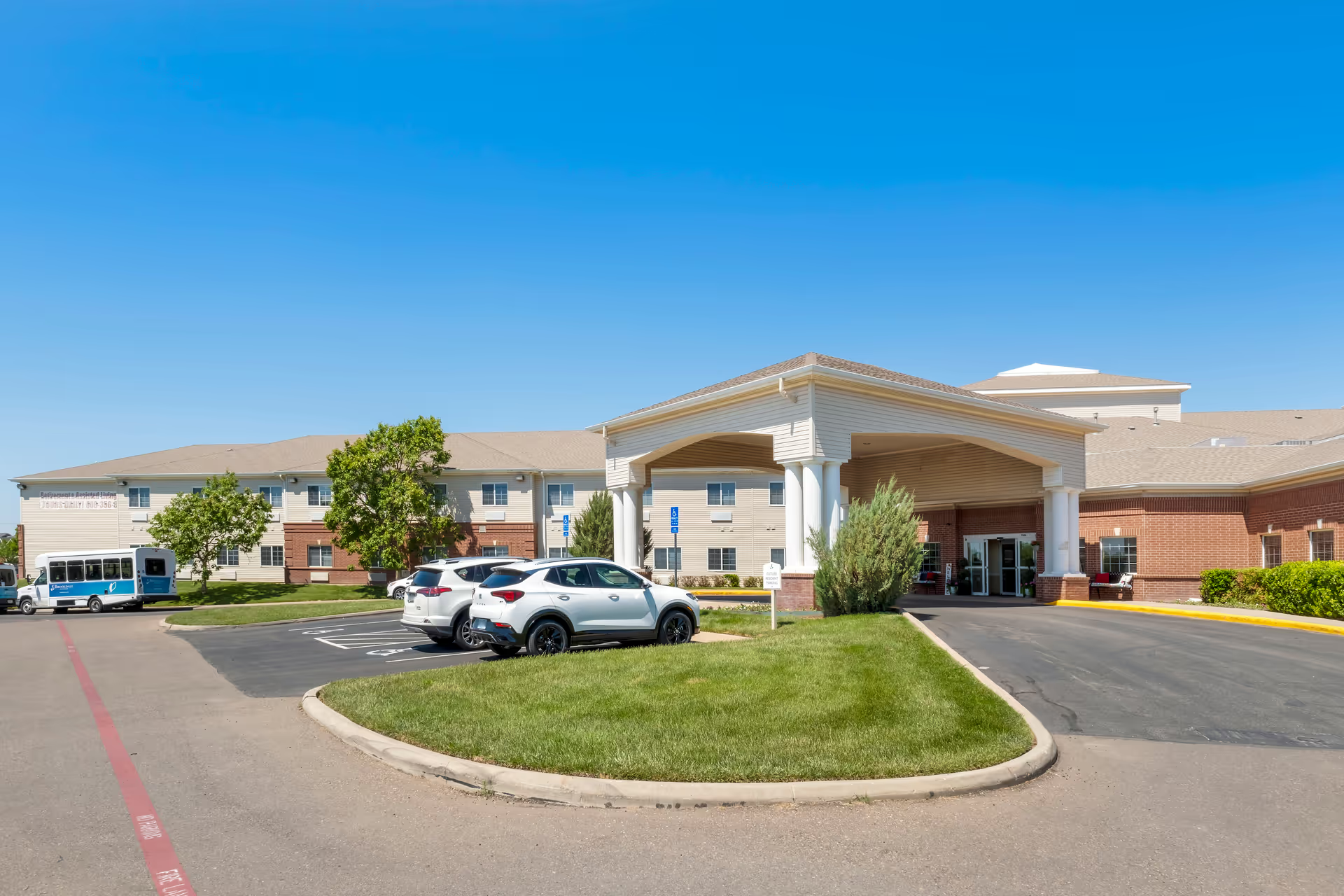
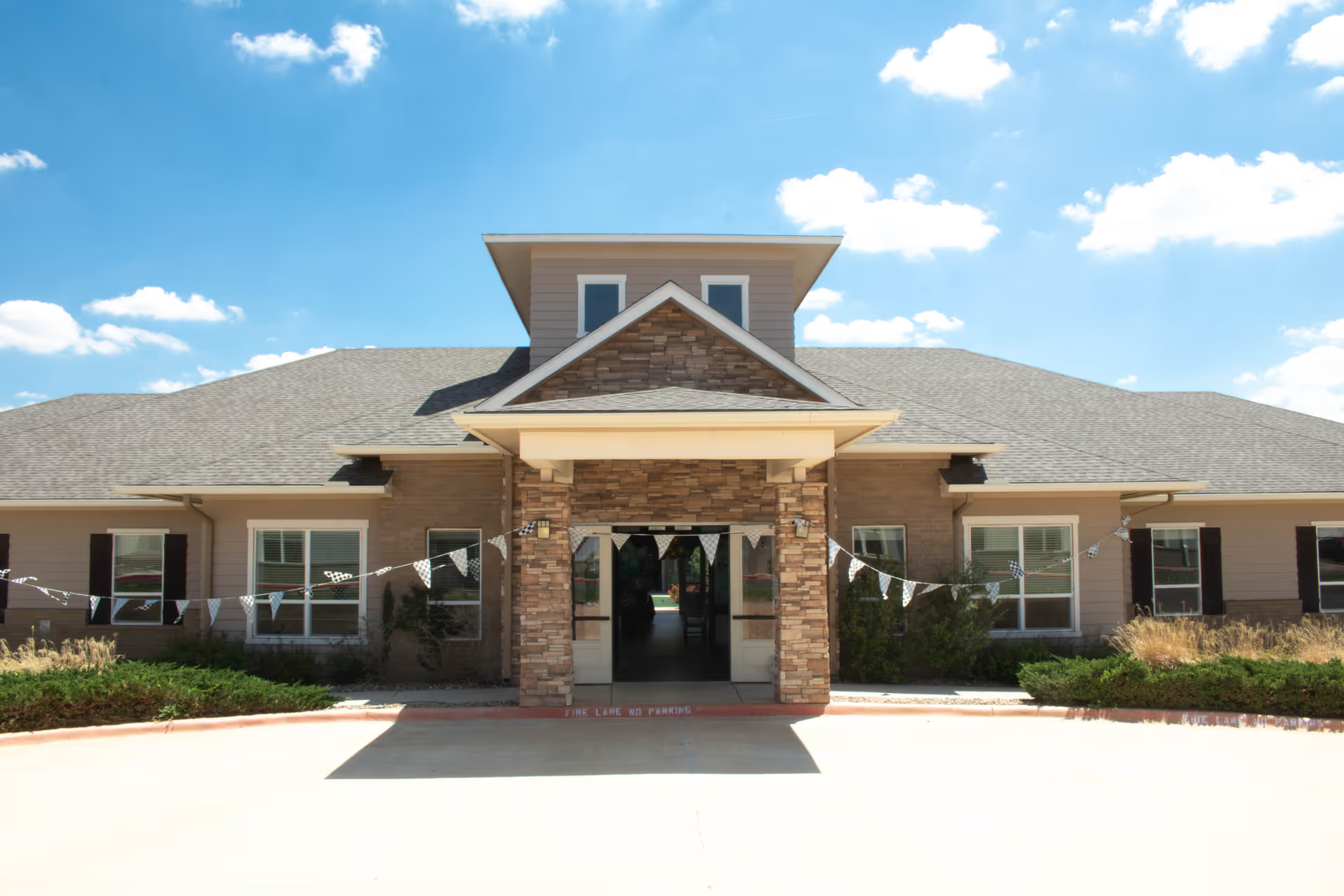
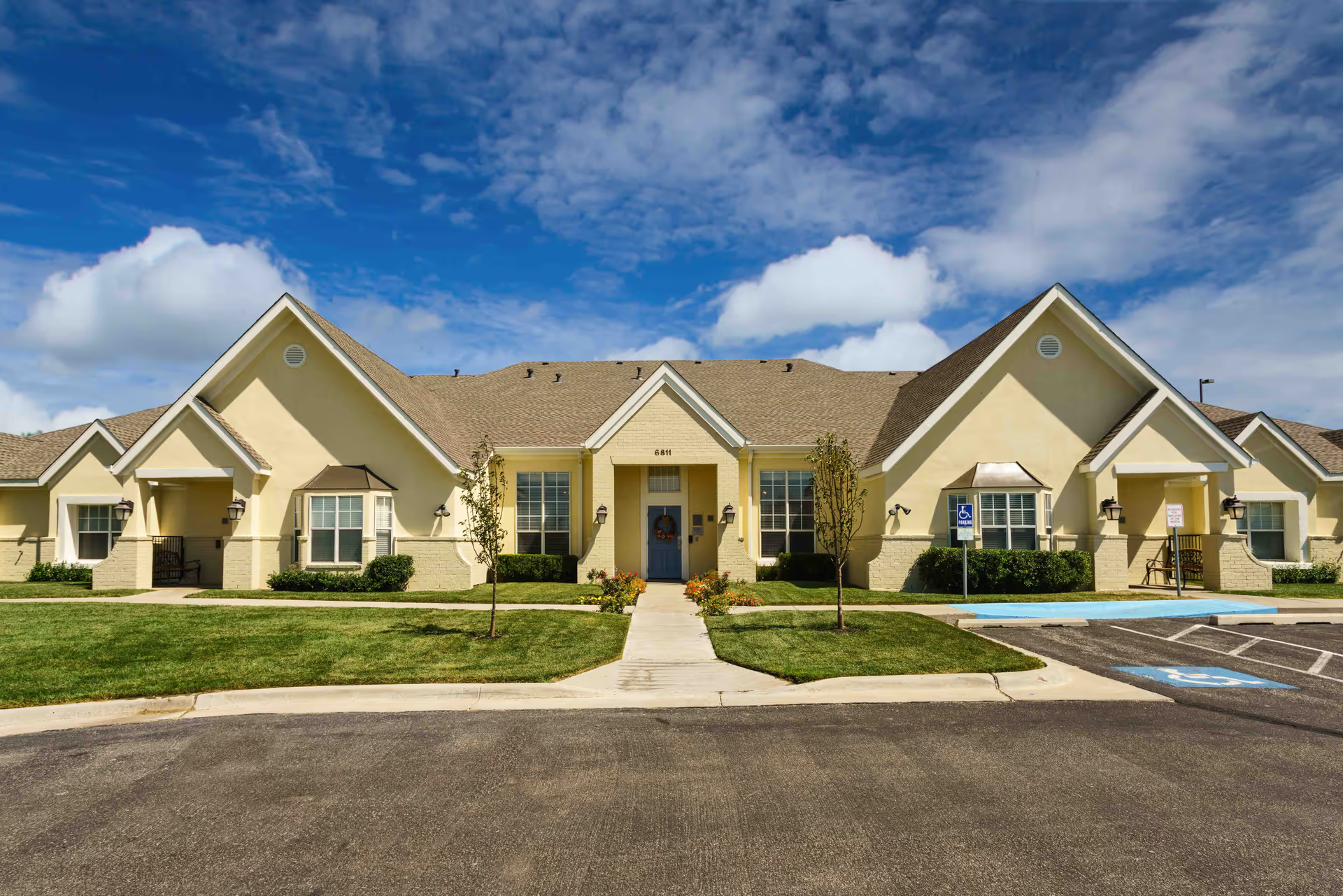
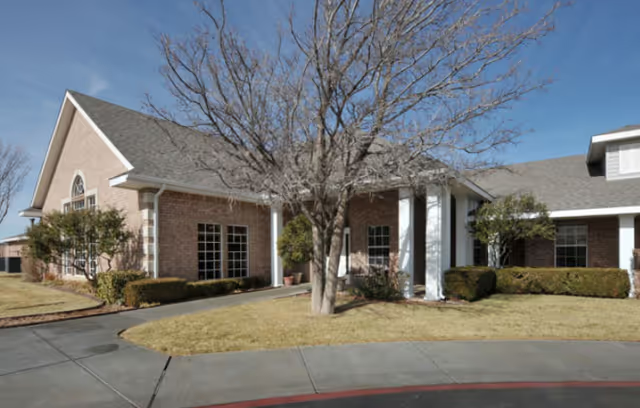
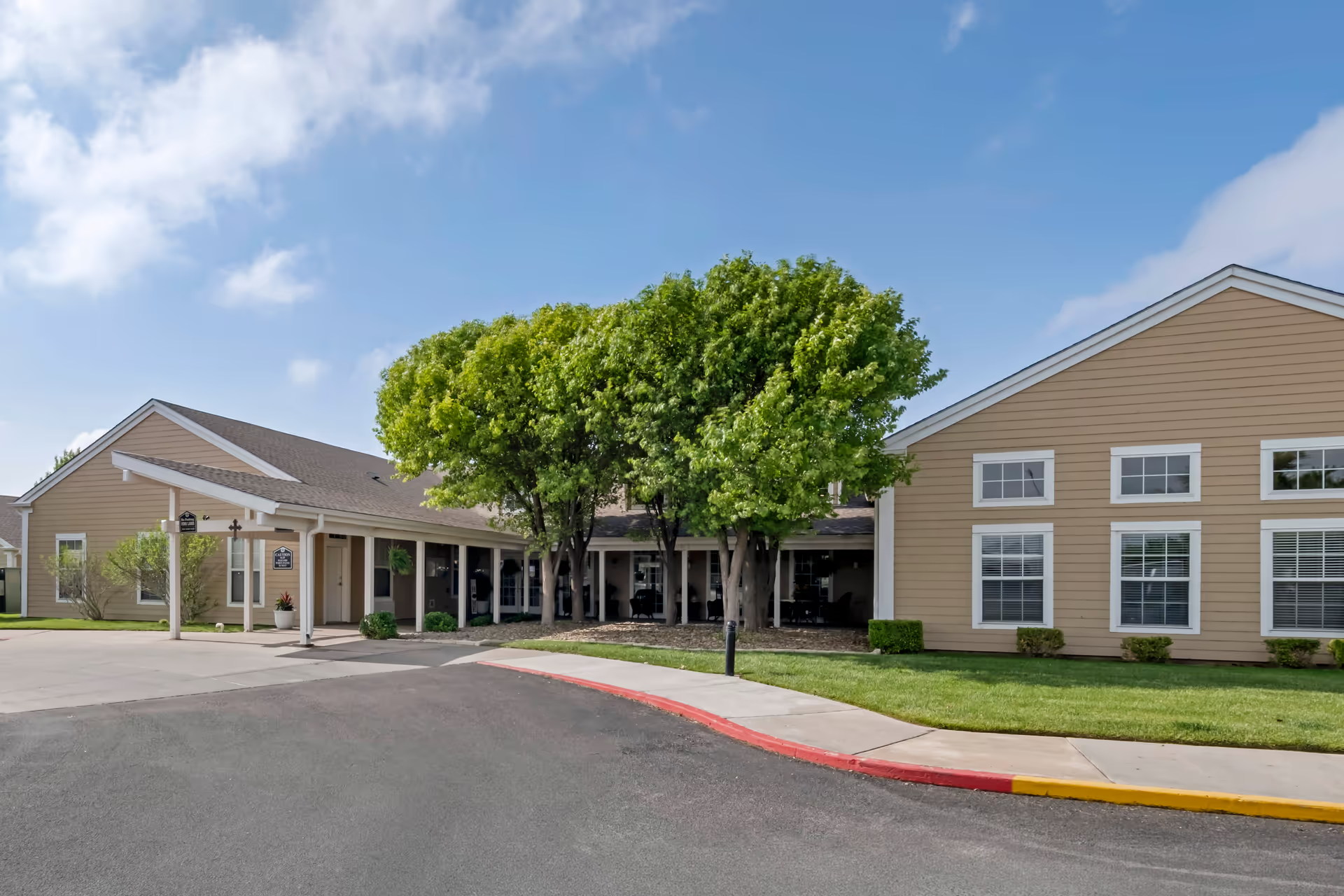
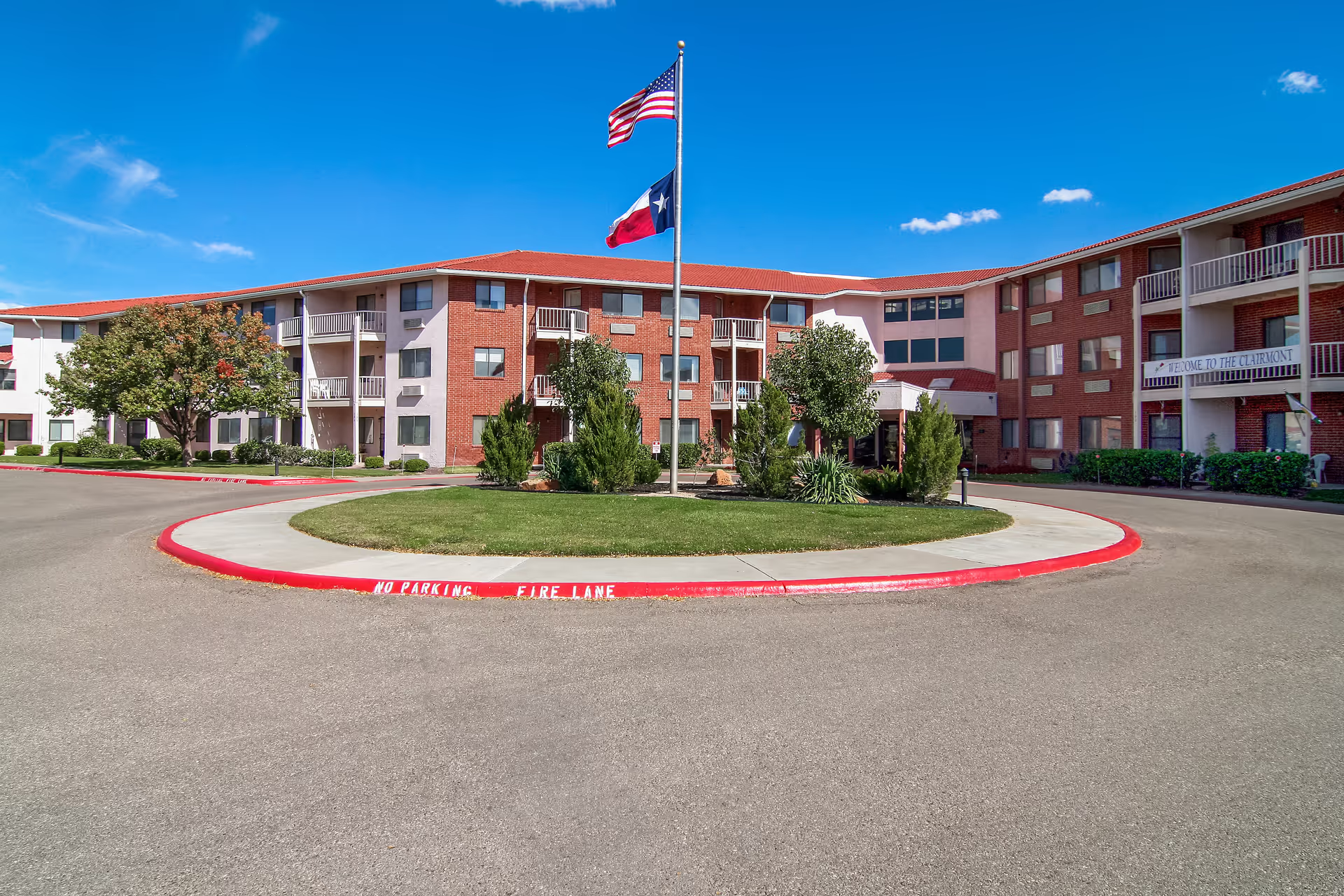
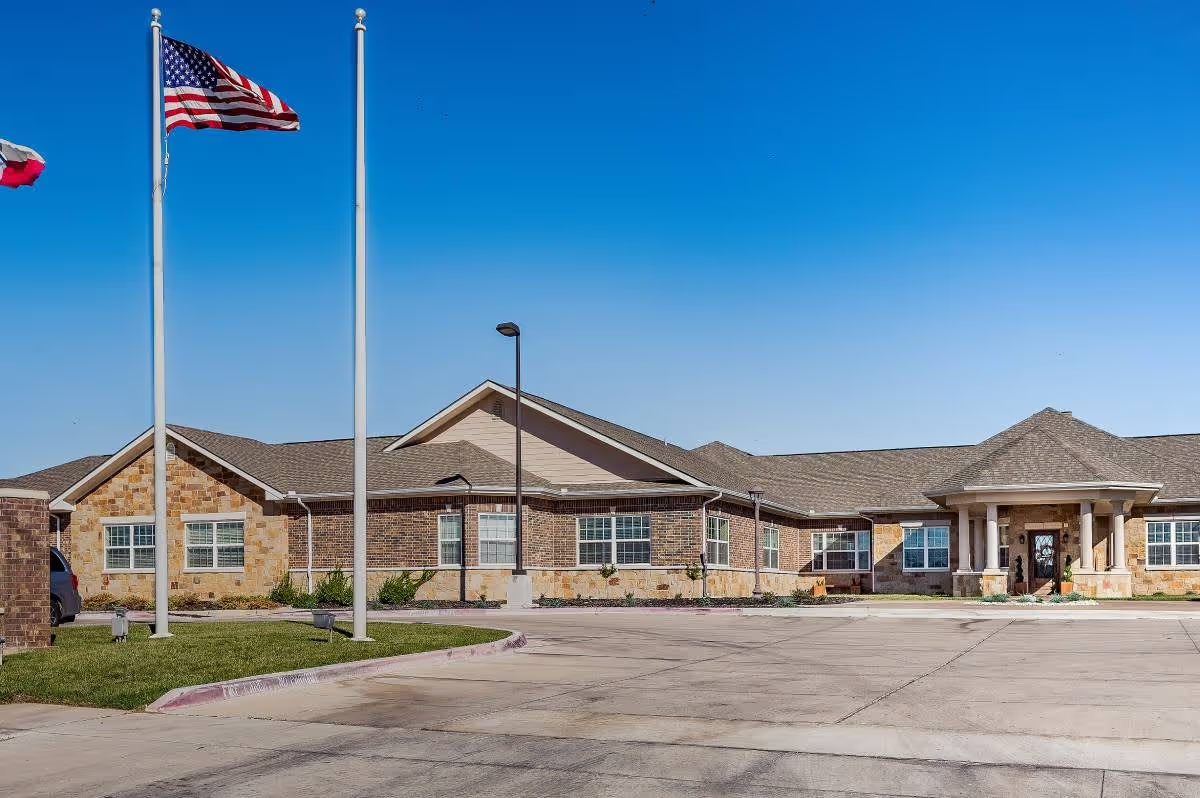
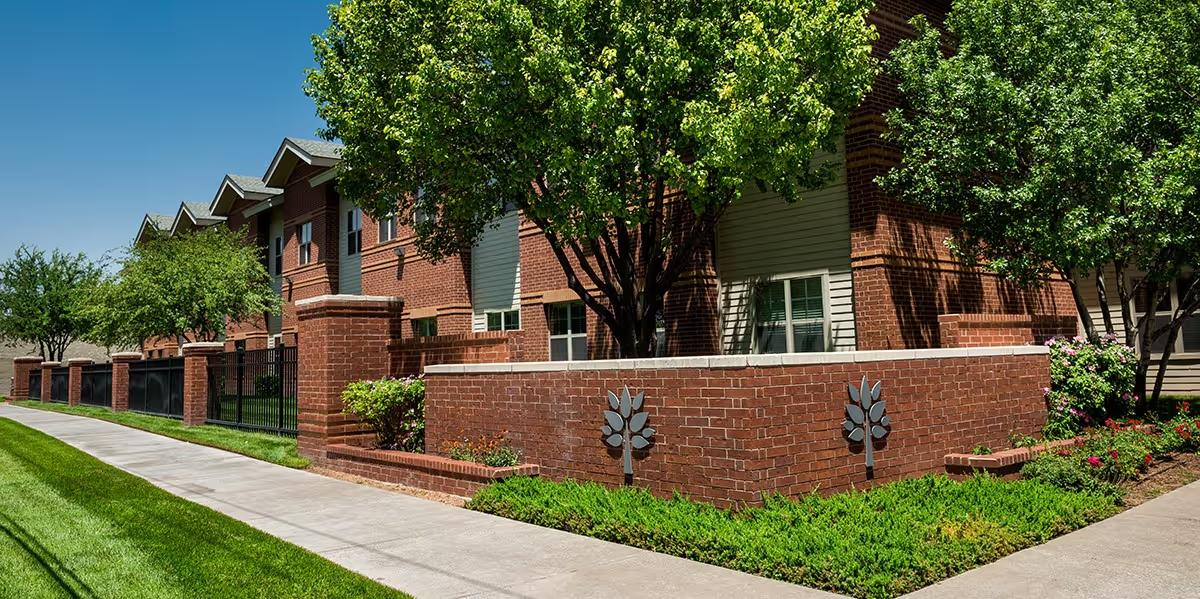
Amarillo Center for Skilled Care elicits strongly mixed but distinct patterns. Many families and patients praise the facility for its rehabilitation services, compassionate frontline staff, clean environment, and engaging daily programming. The therapy team in particular — including physical, occupational, and speech therapists — is frequently described as large, hard‑working, and effective in helping residents regain function. Dining and dietary management are often identified as strengths, with varied menus, attentive dietary staff, and occasional highlights such as homemade items and affordable meal pricing. The building, grounds, and communal areas are commonly characterized as bright, well maintained, and homelike.
Clinical care and staffing present the clearest divergence in experience. Numerous accounts describe attentive nurses, supportive aides, and on-site physician availability, while a comparable set of accounts raises concerns about inconsistent staffing, frequent turnover, and a heavy reliance on agency or traveling nurses. These operational patterns are associated with variability in nighttime coverage, delayed responses to call lights, and uneven continuity of care. Related clinical-process issues cited include lapses in medication administration or follow-up, inconsistent monitoring and escalation of changes in condition, and gaps in transfer and fall‑prevention practices. Prospective families should ask specific questions about staffing ratios, night-shift coverage, medication safeguards, and clinical escalation protocols.
Dining, activities, and facility amenities are recurring positives. Reviewers describe a varied activity schedule (crafts, bingo, devotional services), accessible therapy spaces and gyms, landscaped outdoor areas, and communal dining that supports family involvement. That said, some families note variability in meal quality and limited options for certain dietary restrictions (for example, sugar‑free selections). A number of reviewers also referenced restrictive or inconsistently applied policies (electronics storage, garden access, limitations on outside providers) that can affect resident autonomy and family interaction.
Management and communication show both strengths and weaknesses. Several reviewers commend administrators and social work staff for responsiveness, transparency, and hands‑on involvement in transitions of care. Conversely, others report inconsistent communication during discharge, instances where records were not transferred promptly, and variable responsiveness to family concerns. Security and property-management practices deserve attention: multiple accounts indicate missing or unsecured belongings and a perceived need for improved inventory controls. There are also recurring concerns about the tone of staff interactions and privacy practices that warrant discussion during a tour.
Overall, Amarillo Center for Skilled Care appears to offer a strong rehabilitation program, pleasant physical environment, and many caring staff members, making it suitable for short‑term rehab for many patients. However, the facility also demonstrates operational variability—especially around staffing continuity, night coverage, medication and monitoring processes, property safeguards, and policy application—that can materially affect individual outcomes. Families considering this facility should validate current staffing patterns, ask for specifics about clinical and medication‑safety protocols, review property‑security measures, and discuss any special-diet or visitation needs before admission.