Reviews of Austin Wellness and Rehabilitation describe a facility with a pronounced polarization of experiences: several families and former residents praise strong clinical services and an engaged leadership team, while others describe persistent operational weaknesses that affect day-to-day resident experience.
Care quality is a mixed picture. Positive accounts highlight effective short-term rehabilitation, skilled wound care, and clinical responsiveness during successful therapy stays. Those favorable reports point to experienced therapists and nursing staff who produce measurable functional gains. Conversely, a sizable set of reviews describe issues with clinical processes: delayed medication administration, inconsistent monitoring of residents (including falls and delayed assistance), and variability in nursing responsiveness. These patterns appear correlated with understaffing and shift-level gaps rather than solely individual staff performance.
Staff and conduct are also described in divergent terms. Many reviewers emphasize compassionate, hands-on CNAs, attentive aides, and administrators who engage with families; bilingual staff and front-desk friendliness are also noted as strengths. At the same time, there are repeated accounts of insufficient staffing, high turnover, language barriers in isolated instances, and concerns about staff tone and professionalism. Several reviews describe long response times to call bells and limited coverage on nights and weekends, which families link to decreased continuity of care.
Dining and nutrition services show variability. Some families praise balanced, hot meals and adaptive dining practices (for example, cutting meat or modifying textures for safety). Other accounts describe inconsistent meal temperatures, incorrect orders, and failures to meet dietary needs. Kitchen responsiveness to individual requirements appears uneven, producing a perception of unreliable meal-service continuity for some residents.
Activities and communal life receive generally positive comments where the program is active: an involved activities director, outings, on‑site events, and an engaging calendar are cited as contributors to a vibrant atmosphere. However, other reviews note limited engagement in certain units, inadequate space for activities, and supervision concerns for residents with cognitive impairment during mealtimes and transitions.
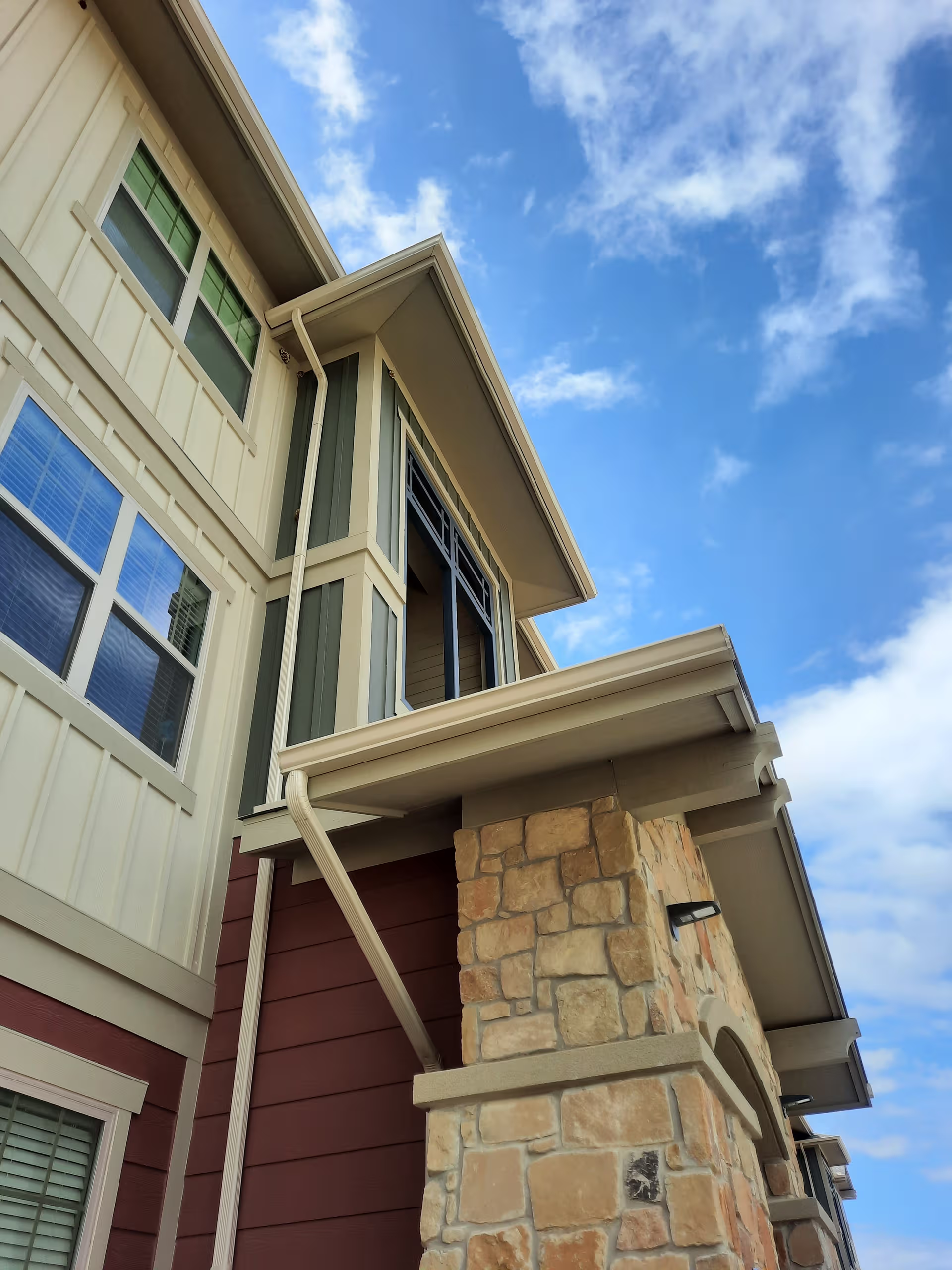
Facilities and housekeeping are similarly mixed. Multiple reviewers appreciate recent renovations, clean remodeled rooms, and features such as on-site dialysis and secure entry. Conversely, sanitation concerns, odor issues in common areas, inconsistent linen changes, and blocked corridors or maintenance lapses are cited in other reviews. Laundry-service disruptions and missing or delayed personal belongings are recurring operational complaints.
Management and operations show a split perception. Several accounts commend new management for process improvements, hands-on leadership, and improved communication. Yet a number of families describe poor internal communication, inadequate incident follow-up, phone-system failures, and allegations concerning missing items and financial improprieties; these serious claims have led some families to pursue external reporting or legal action. Patterns that recur across reviews include understaffing and inconsistent practices across shifts or units, which appear to be the core drivers of many downstream problems.
Overall, Austin Wellness and Rehabilitation demonstrates clear strengths in rehabilitation, wound care, and in the experiences of families who encounter engaged, compassionate staff and renovated spaces. At the same time, operational weaknesses — notably staffing inconsistencies, communication and medication-timing issues, sanitation and laundry lapses, and concerns about supervision and incident follow-up — are prominent themes. Prospective residents and families would benefit from targeted questions around staffing ratios, call-bell response times, medication administration protocols, laundry and inventory controls, and recent management actions addressing these operational gaps when evaluating the facility.