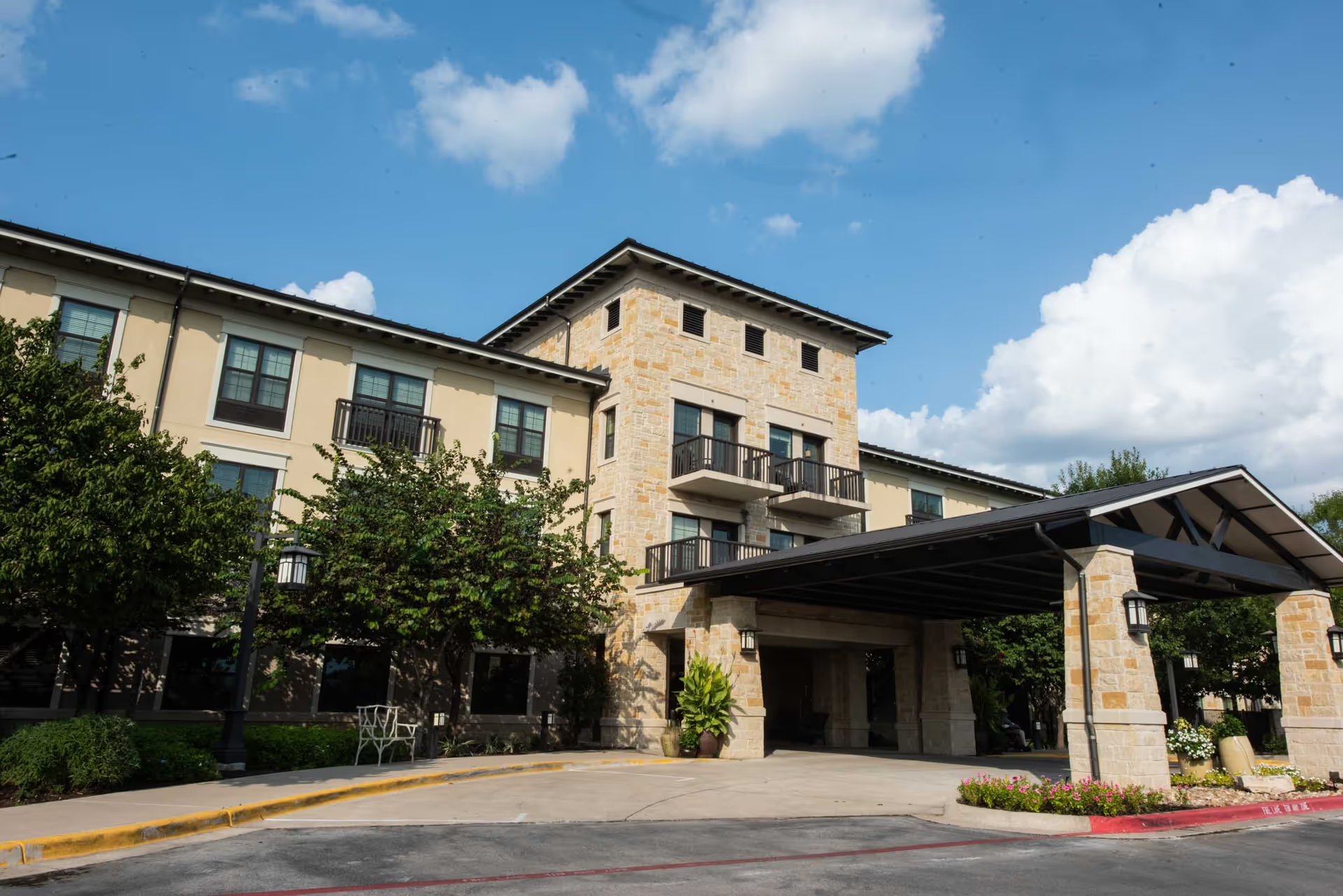
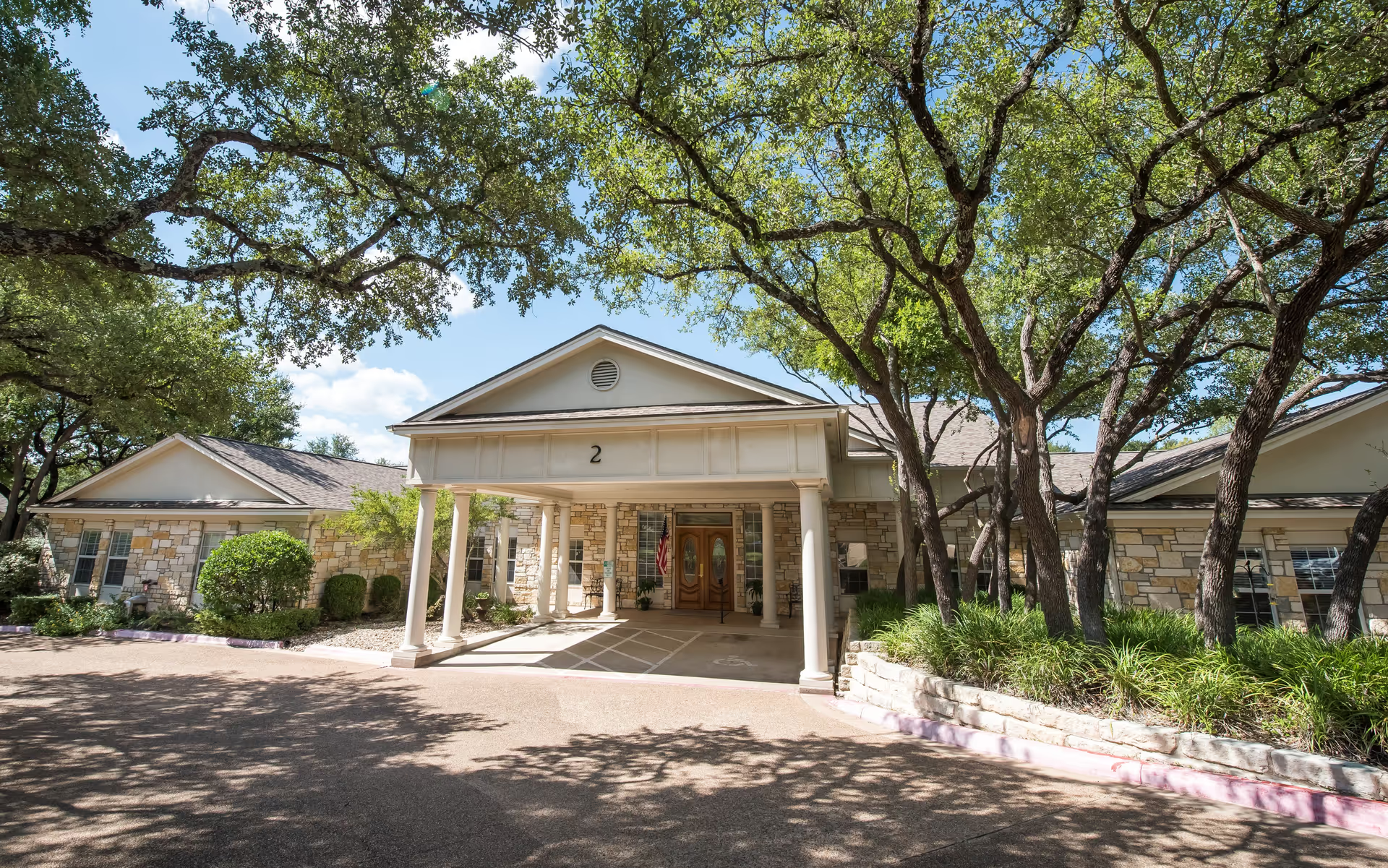
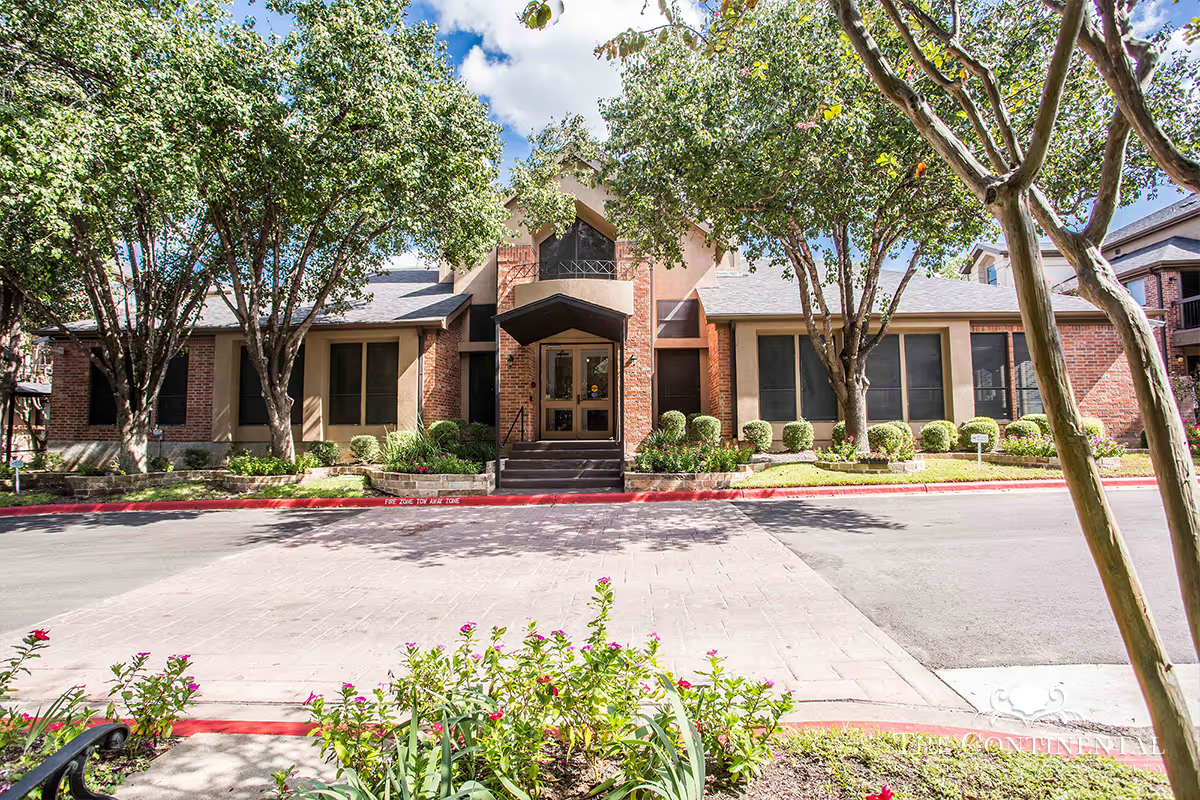
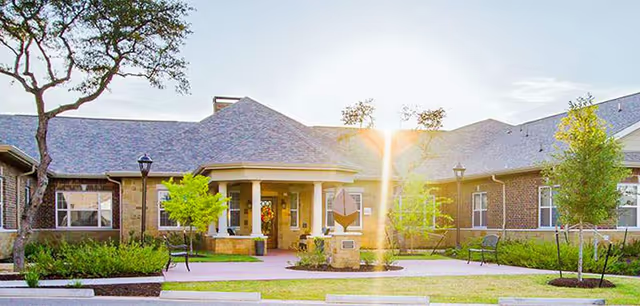
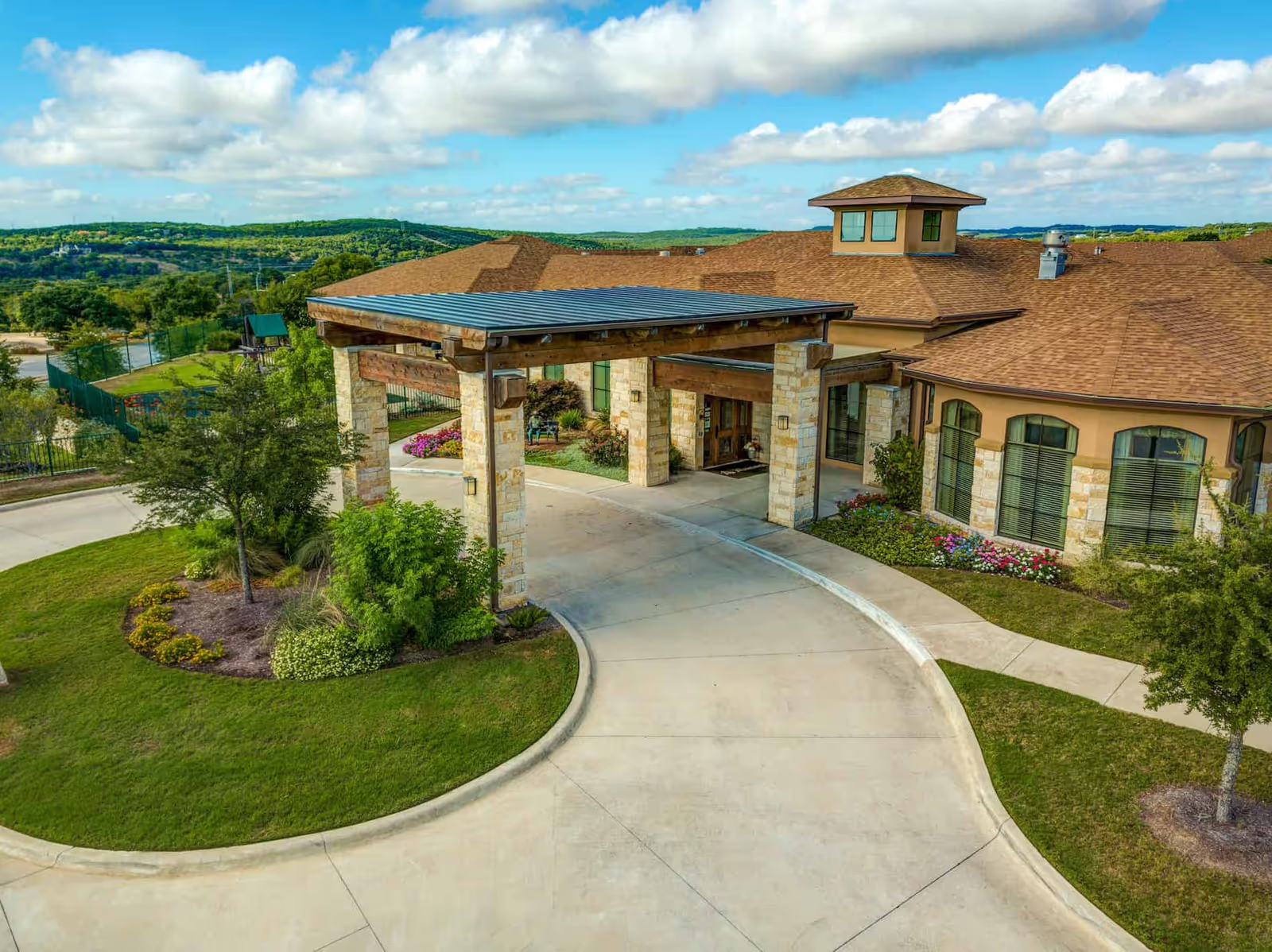
Overall impression: Querencia at Barton Creek receives substantial positive feedback for its clinical and social programming, with many reviewers praising the caregiving teams, rehabilitation services, and memory-care offerings. The facility is regularly described as clean, bright, and attractively maintained, with comfortable private-room options and a range of amenities (fitness center, pool, multiple dining venues). Numerous reviewers emphasize a welcoming resident community and a staff culture that provides proactive support during move-ins and transitions.
Care and staff: Nursing, aides, and therapy teams (PT/OT) are frequently highlighted for responsiveness, patience, and effectiveness—particularly the short-term rehabilitation and daily therapy services that helped residents regain mobility. The memory-support team and dementia-focused programming are noted strengths, and many families report positive, hands-on assistance from staff during the transition period. At the same time, there are documented operational concerns around medication-management processes and clinical communication; these suggest the need to confirm protocols and handoff practices when considering placement.
Dining: Dining impressions are mixed. Several reviewers praise the variety of venues (Limestone Grill, Mesquite Dining Room) and an extensive menu, while others describe inconsistent meal quality, small portions, and limited protein options. Dining-room atmosphere complaints (noise, cramped seating) also recur. Prospective residents should sample menus and ask about portion control, special-diet accommodations, and peak dining-room times.
Activities and community life: The activity program is a prominent strength—organized classes, exercise sessions, games, educational courses, outings, and dementia-specific activities are frequently mentioned and contribute to a lively, engaged community. However, some reviewers observed a drop in enthusiasm or continuity after activity-staff changes, indicating that program consistency can be affected by staffing transitions.
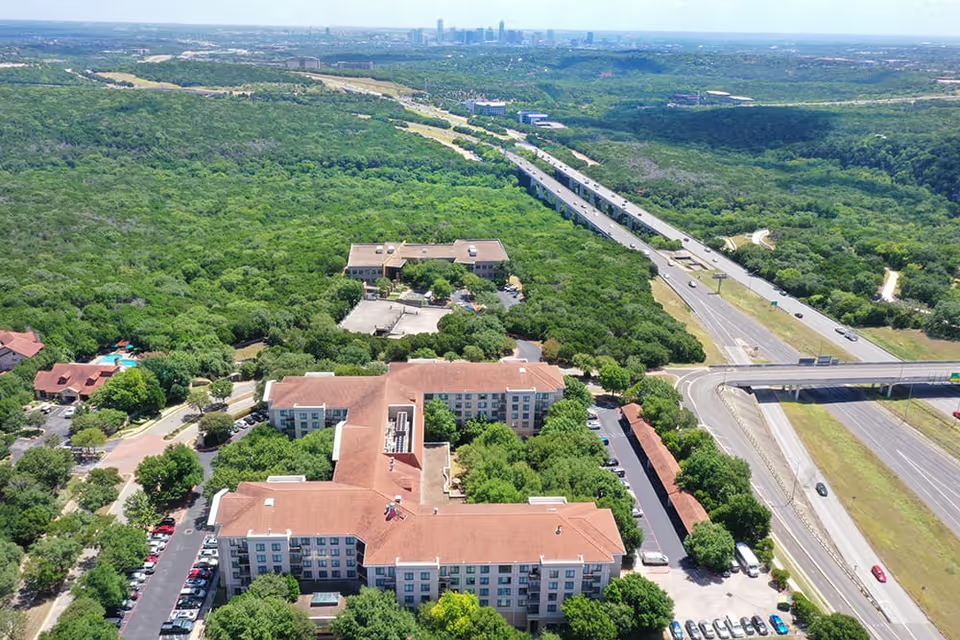
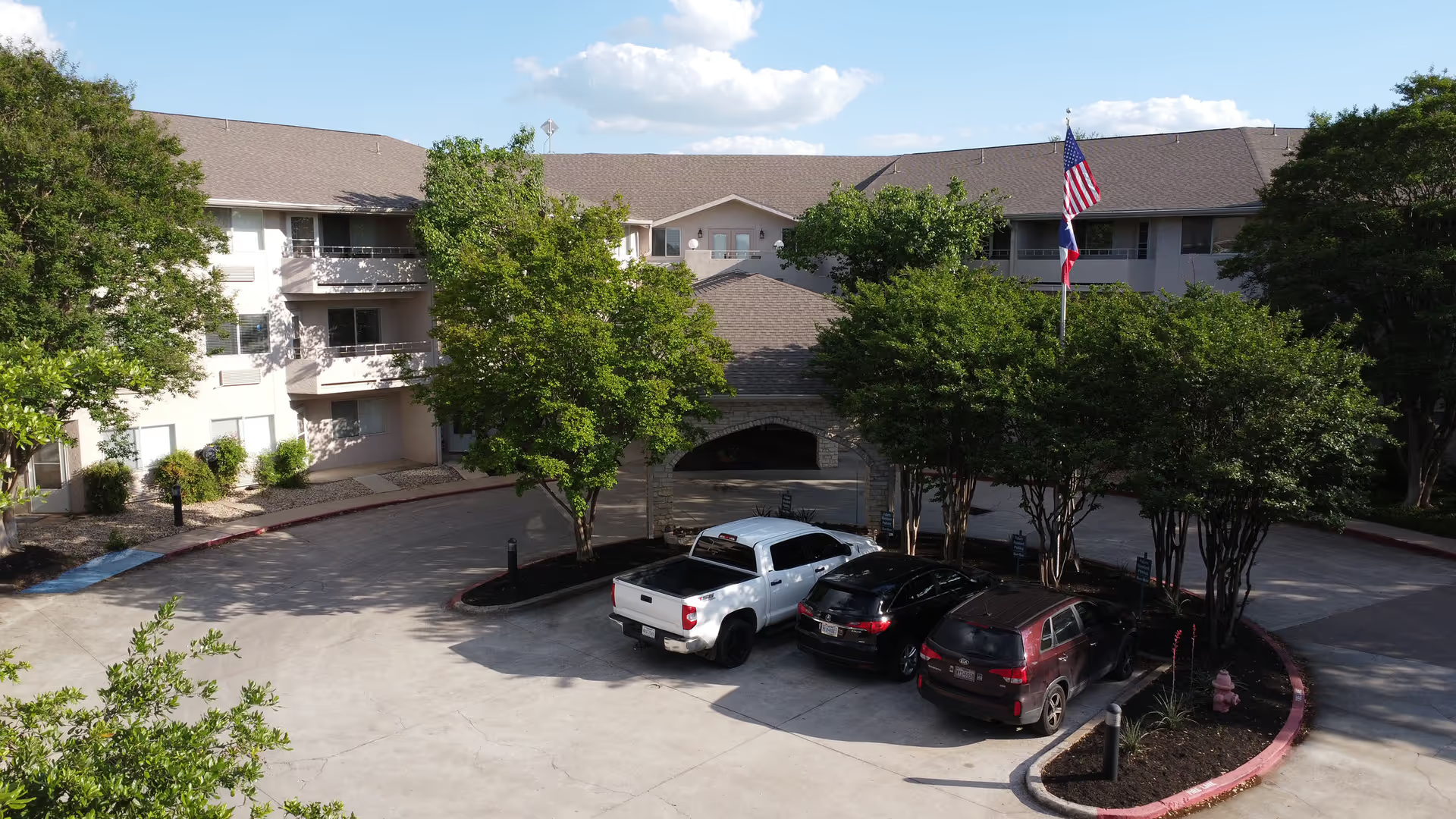
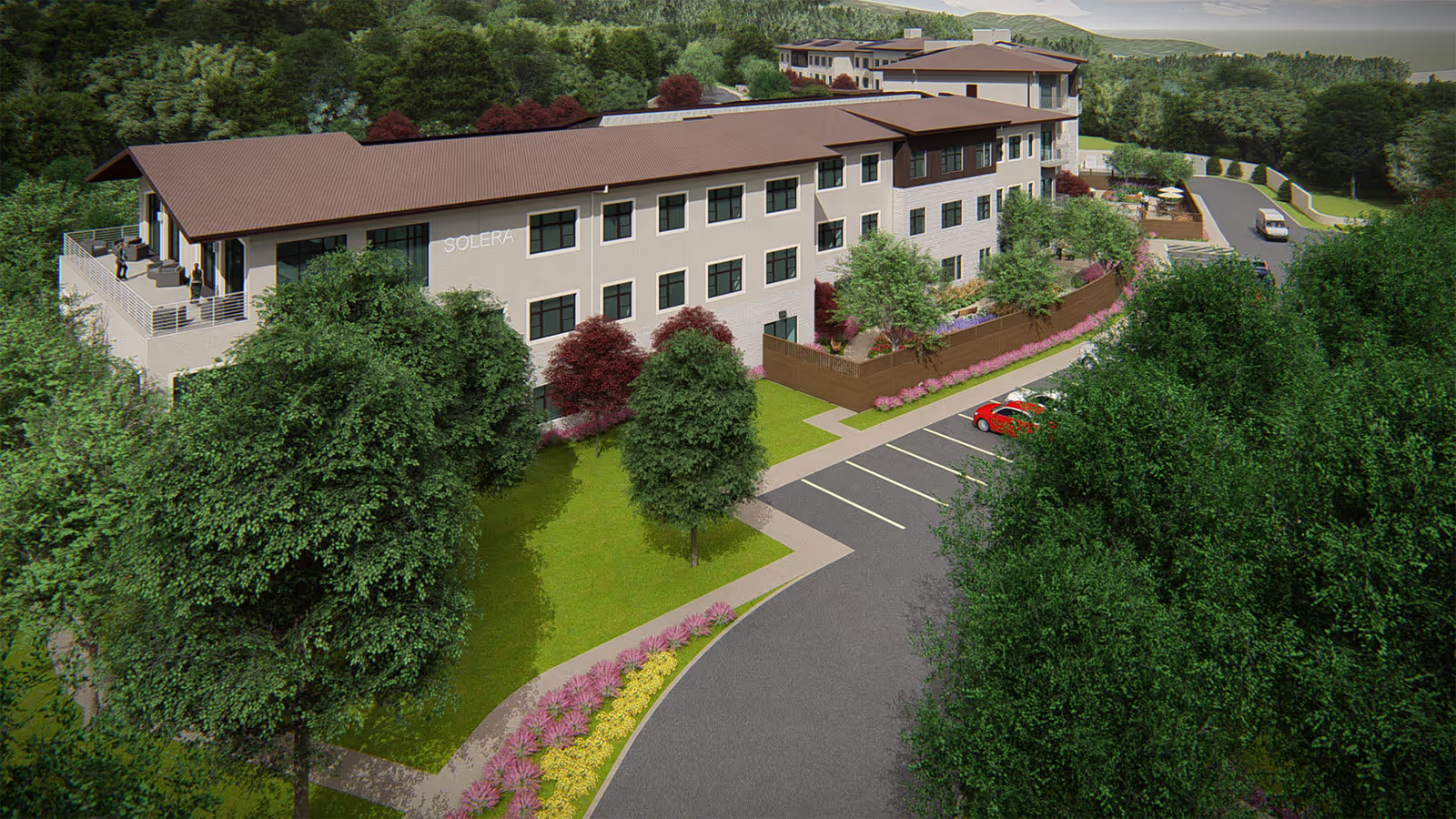
Facilities and logistics: The physical plant and grounds receive positive comments for appearance and upkeep, and the separate memory-care building connected by an indoor corridor is convenient for families. Parking capacity and enforcement are noted as a practical drawback; several reviewers advise confirming parking arrangements to avoid towing risk.
Management, communication, and serious concerns: Management receives mixed assessments—many reviewers commend proactive decisions (including early vaccination and infection-control measures) and attentive leadership, while others identify inconsistent communication, dissatisfaction with complaint resolution, and concerns about staff conduct or responsiveness. There are isolated, serious allegations of unprofessional or discriminatory conduct and of problematic hospice coordination during the height of the pandemic; these are significant to prospective families and warrant direct inquiry and, where appropriate, review of documented responses and corrective actions.
Pandemic response: Querencia took early, proactive steps on vaccination and infection control that some residents and families praised; nevertheless, pandemic-era restrictions reduced social programming for some residents and exposed gaps in hospice/end-of-life coordination under crisis conditions. Prospective residents should ask about current infection-control policies and contingency plans for maintaining social engagement during future public-health events.
Recommendation: Querencia offers many institutional strengths—strong therapy and memory-care programs, a broad activities calendar, attractive facilities, and a generally compassionate staff culture. Prospective residents and families should tour in person, sample dining, review medication- and hospice-coordination protocols, inquire about activity-staff continuity, and confirm parking logistics to ensure the community’s operational practices match their priorities.