Review content for Riverside Nursing and Rehabilitation Center is highly polarized, with distinct clusters of positive and negative experiences. Many families and residents praise the therapy programs, several individual caregivers, and the facility’s social programming and grounds. Conversely, a substantial portion of comments identify operational and clinical concerns—most notably around staff responsiveness, medication handling, and communication. Prospective residents and families should weigh both sets of impressions and verify current practices during a visit.
Care and clinical operations: The therapy department is a recurring strength—physical and occupational therapists are frequently described as effective, encouraging, and central to positive rehabilitation outcomes. At the same time, reviewers describe significant clinical process weaknesses: delayed responses to call systems, lapses in medication administration and documentation, inconsistent follow‑through on physician orders, and several accounts of emergency transfers. These issues suggest variability in clinical reliability that could materially affect higher‑acuity residents.
Staff and conduct: Many reviewers single out individual staff members and small teams as compassionate, attentive, and family‑oriented. Admissions and billing staff are also repeatedly noted as helpful in easing transitions. However, staffing stability emerges as a recurring problem: dependence on agency personnel, perceived short staffing on shifts, and staff distracted by personal devices were all mentioned. These operational staffing gaps appear to correlate with slower response times, inconsistent personal care, and occasional communication breakdowns.
Dining and activities: Activity programming is a clear positive in numerous accounts; holiday events, music in dining areas, and a variety of social opportunities are described as enhancing resident quality of life. Comments about dining are mixed: some families describe timely, social meal experiences, while others note limited menus, forced options for restricted diets, greasy food, and interrupted meal service. Meal timing and consistency appear to vary by shift and by resident needs.
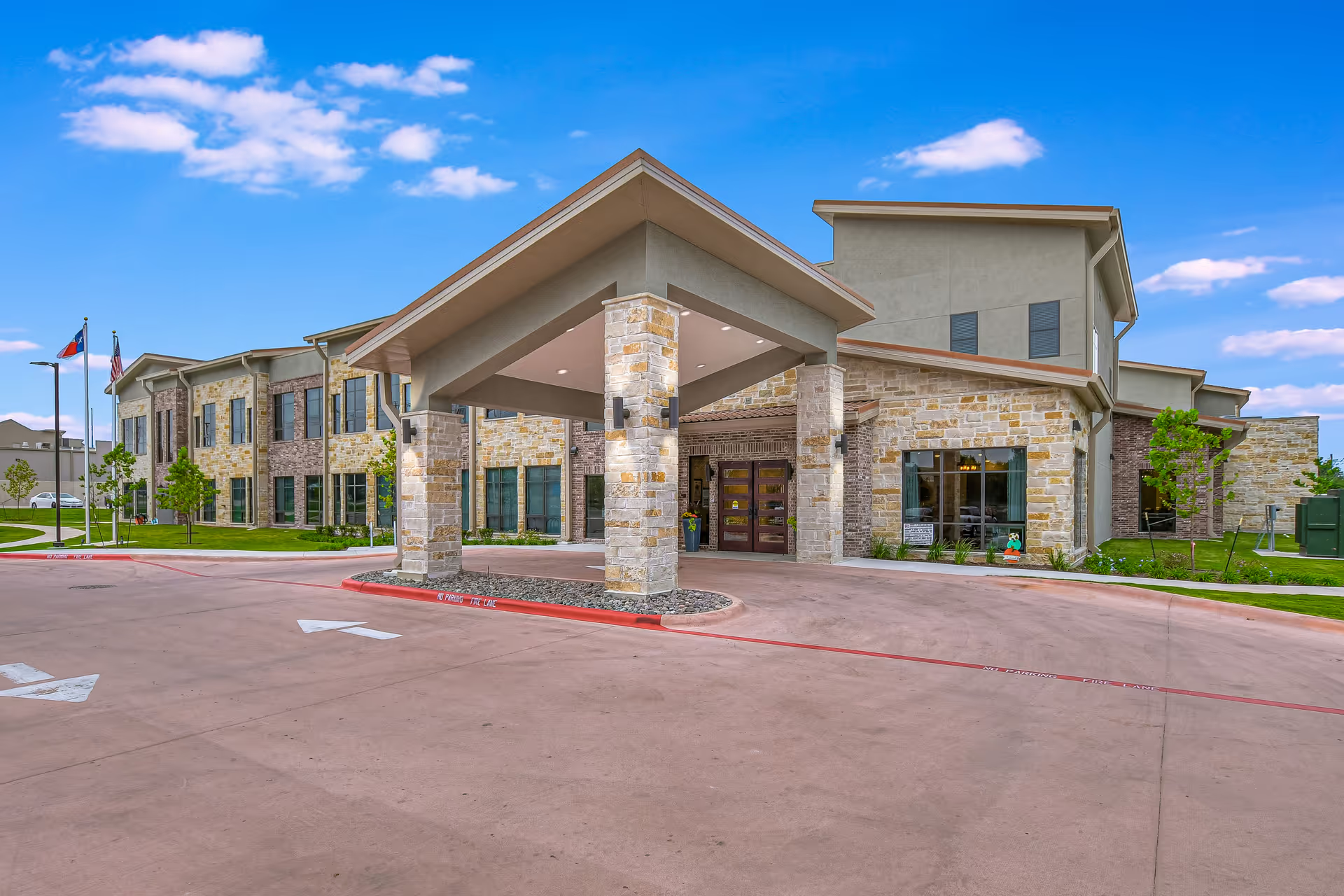
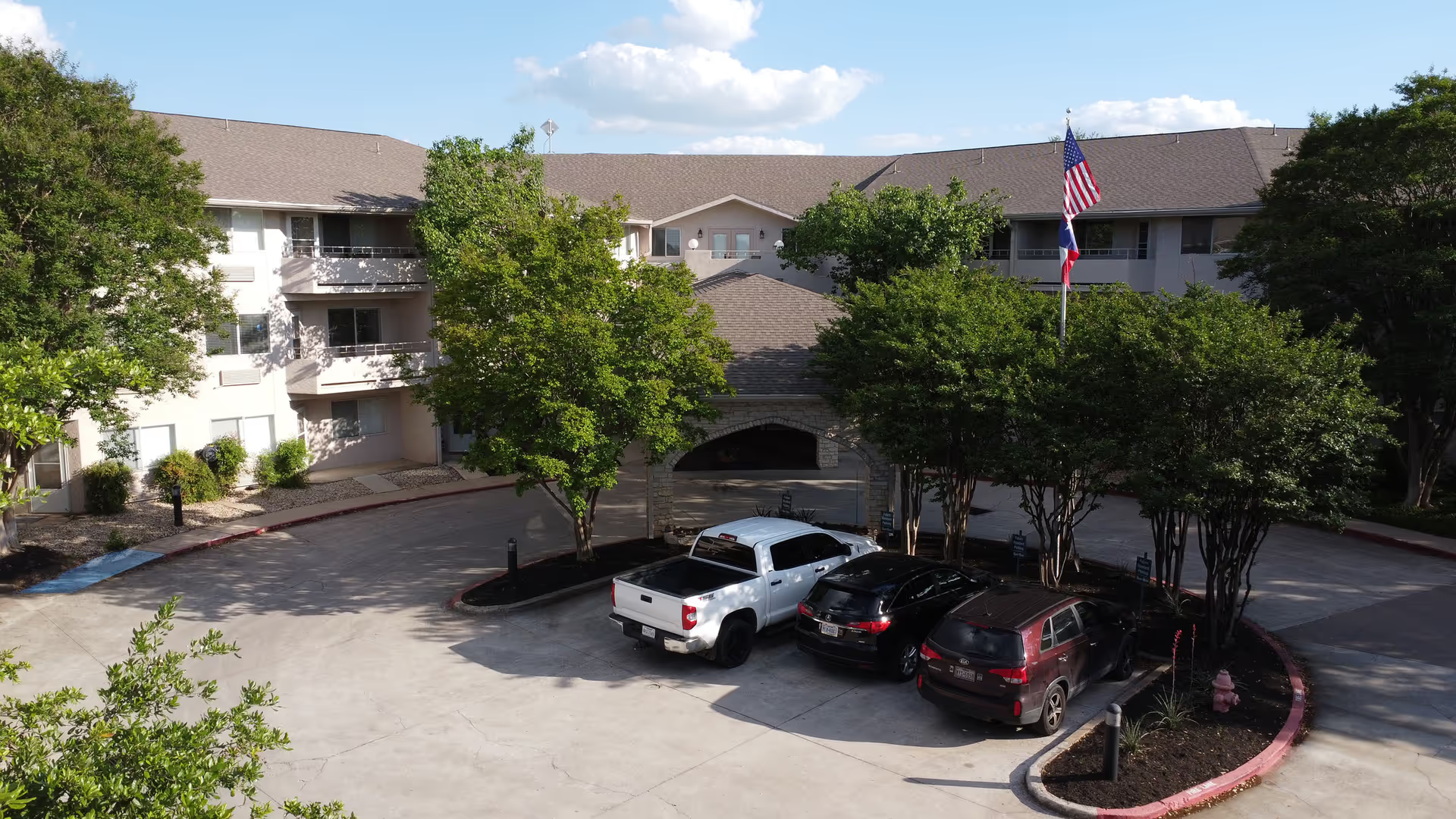
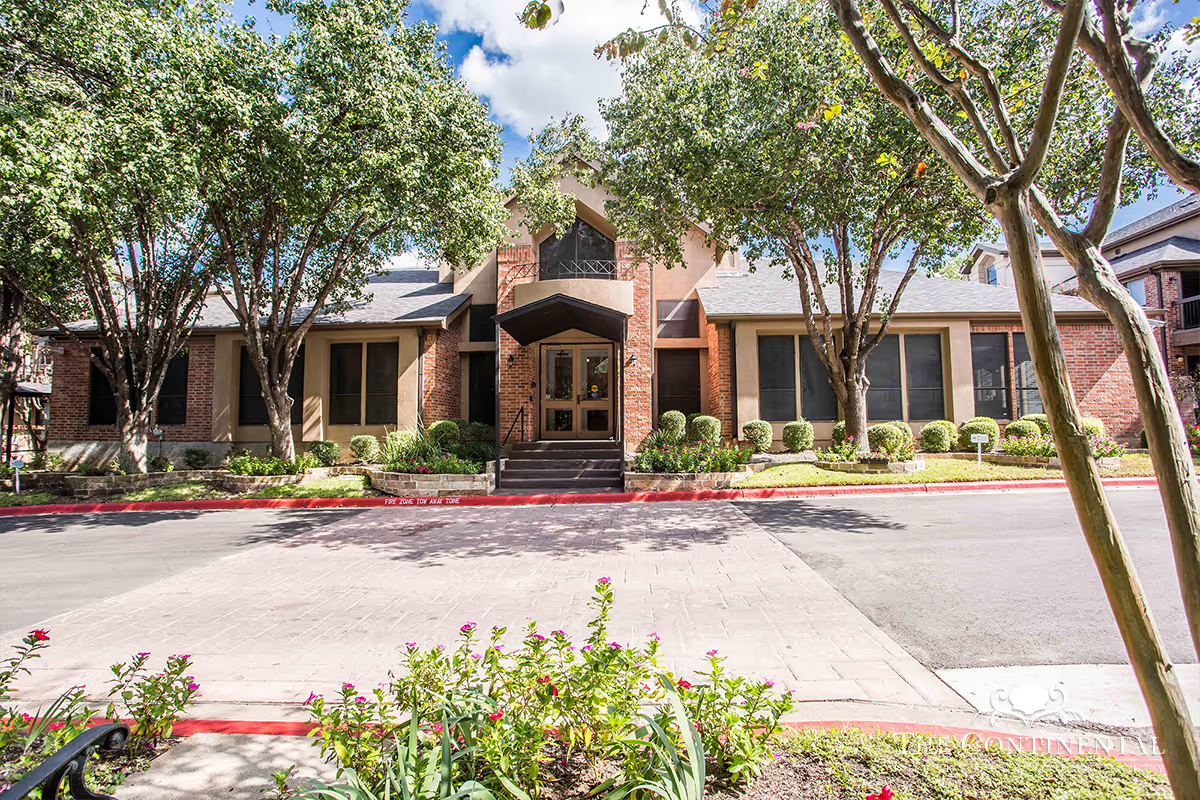
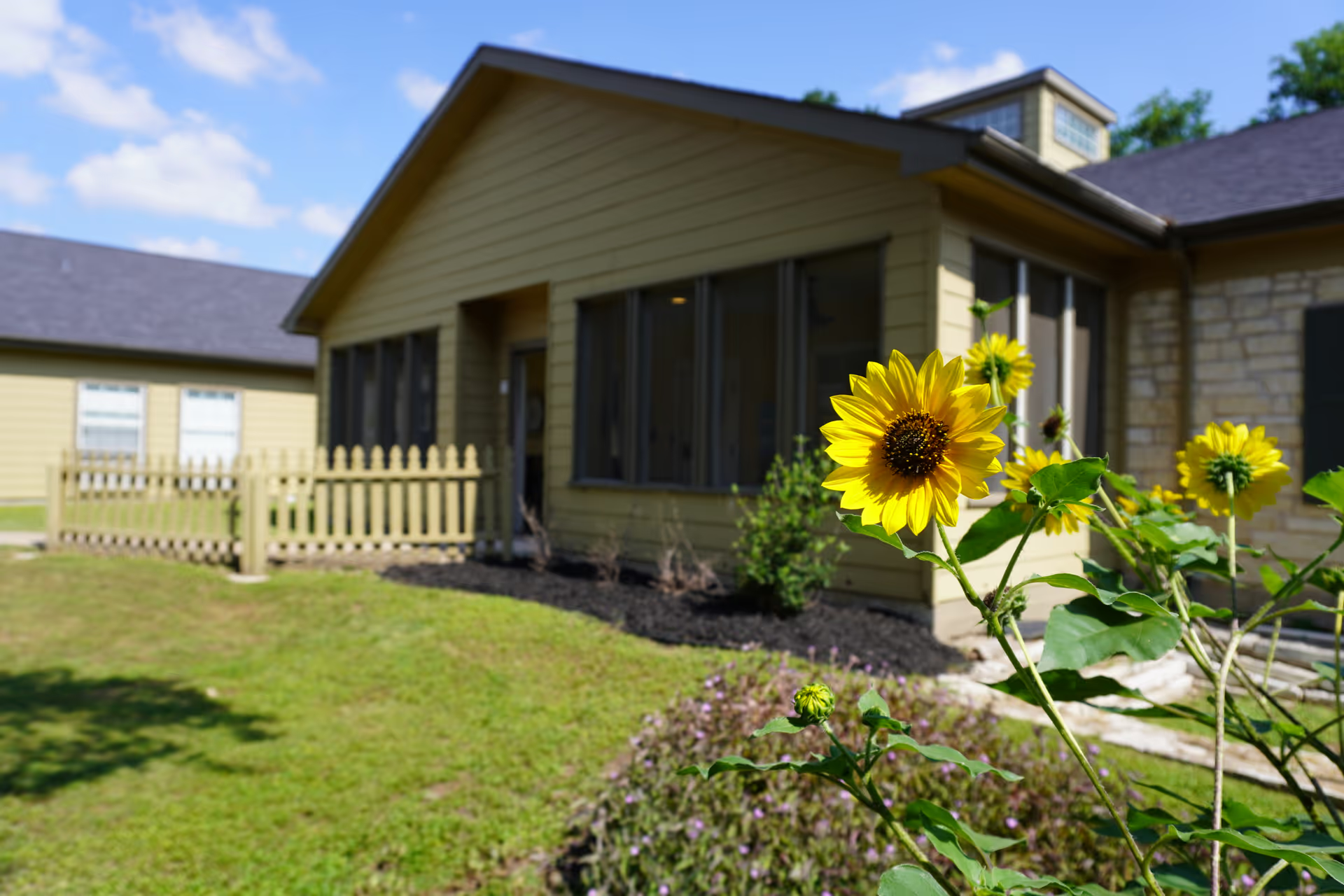
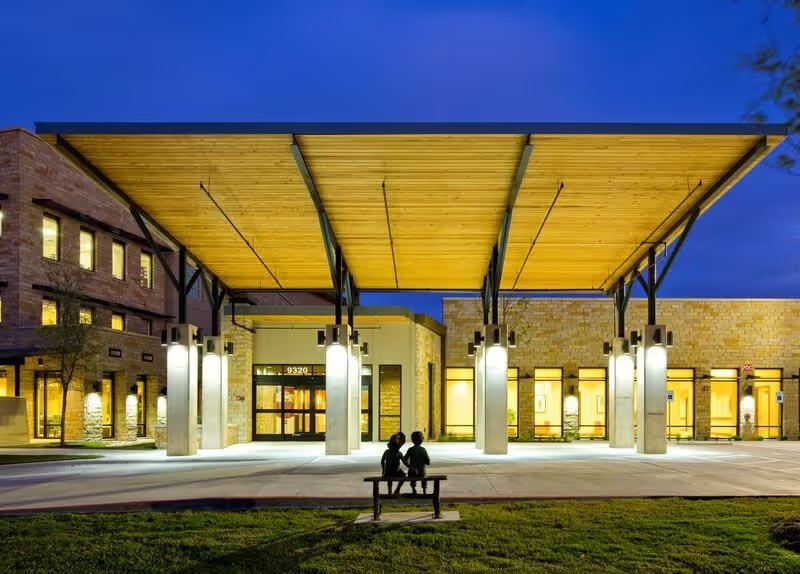
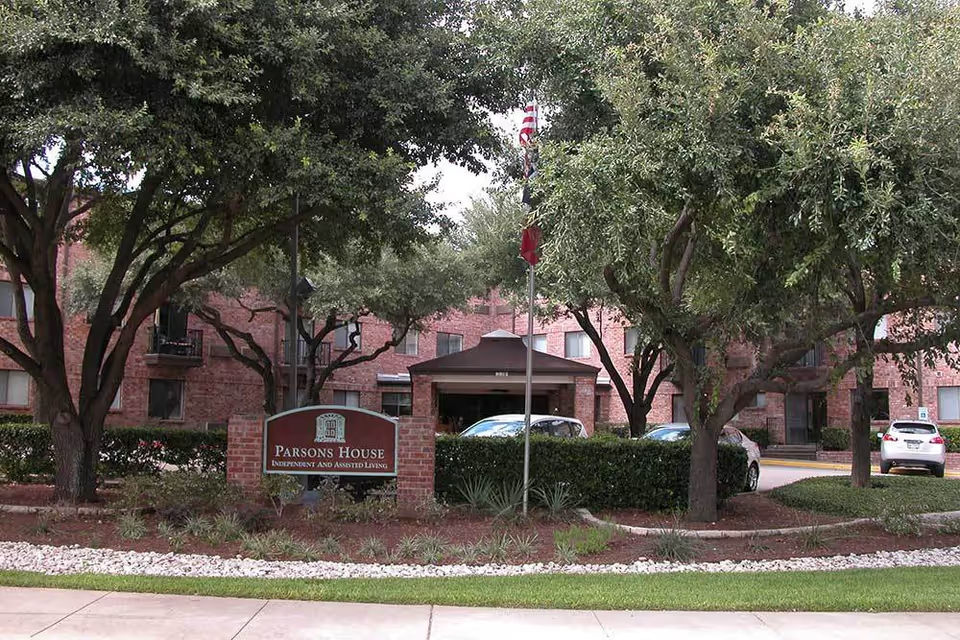
Facilities and cleanliness: Many reviewers describe a clean, renovated, and well‑kept building with pleasant grounds and landscaping. Contrastingly, other reviewers identify sanitation and odor concerns in particular units and indicate inconsistent housekeeping standards. Bathing access and personal‑care frequency are also flagged—examples include limited in‑room shower availability and irregular bathing schedules—pointing to variability in basic personal‑care delivery.
Management and communication: Multiple comments praise new ownership and certain administrators for visible engagement, cultural improvements, and responsiveness. Conversely, other reviewers cite poor follow‑through from management, unreturned phone calls, and front‑desk accessibility problems. Taken together, these observations indicate recent leadership changes that may be improving some areas while gaps in process control and family communication remain.
Notable patterns and guidance: The most consistent strength is therapy and several committed frontline staff members; the most consistent weaknesses are operational—staffing instability, inconsistent response to call systems, medication and documentation gaps, and uneven communication. There are also serious, though not uniformly described, allegations regarding property and medication security. Prospective families should inquire specifically about current staffing ratios, agency staffing use, medication administration audits, call‑response metrics, bathing schedules, food service routines, and security protocols. An in‑person tour and direct conversations with therapy staff, nurse managers, and admissions/billing representatives will provide the best picture of current performance.