Overall sentiment is mixed but strongly polarized: many reviewers praise Ballinger Healthcare & Rehab Center for excellent therapy outcomes, caring and familiar staff, a clean and well-maintained environment, and active social programming, while a significant minority report serious lapses in basic care, neglect, and alarming medical complications. The facility appears to deliver outstanding rehabilitation and attentive nursing for a sizeable portion of residents, yet there are repeated, severe complaints that indicate inconsistent standards across shifts or units.
Care quality and clinical outcomes emerge as a primary contrast. A large number of reviews highlight highly effective, one-on-one therapy sessions with measurable improvements (for example, improved shoulder function, increased mobility with a cane, and exercises provided to maintain strength). Therapy staff are often described as friendly and personalized in approach, with specific clinicians praised by name (Mrs. Clark, Mrs. Londerholm) and enthusiastic testimonials noting willingness to return for future care. Conversely, several reviews report serious clinical failures: bedsores, malnourishment and weight loss, pneumonia and aspiration events, and at least one emergency ambulance transport. These severe reports indicate there are instances where basic nursing oversight and medical safety were not adequately maintained.
Staffing and staff behavior show similar polarization. Many reviewers emphasize warm, family-like treatment, low turnover, staff who know residents well, and administration that responds quickly to problems and special requests. Standout names recur (Mariah, James, Jody, Cassie) and multiple accounts describe staff going the extra mile, supportive communication with families, and long-term gratitude for care provided over years. On the other hand, several accounts criticize aides as incompetent, neglectful, or mean, and call out specific personnel issues (one review explicitly states "avoid Lucy"). There are also comments about uneven performance across shifts, with daytime shifts reported as better, and several calls for more staff on hand — suggesting staffing levels or training consistency may be an underlying issue.
Responsiveness and operations show mixed evidence. Positive reviews note responsive administration and quick handling of concerns, suggesting management can act effectively when issues are raised. Yet operational problems are also repeatedly cited: long call-button response times of 30–60 minutes, staff leaving tasks incomplete, and therapy sometimes being provided without prior notice. These operational lapses, particularly the call-button delays, are significant because they directly affect resident safety and wellbeing and appear in multiple negative accounts.
Dining and housekeeping receive both praise and criticism. Several reviewers enjoy pleasant, "heavenly" or beautiful food and note clean dining settings and festive events (Christmas party with family gifts). In contrast, others complain that food is poor quality, late and cold, and that utensils and knives were missing for days; there are also reports of dirty glassware. These contradictory observations again point to inconsistent execution of daily services — some residents receive attentive, quality dining experiences while others do not.
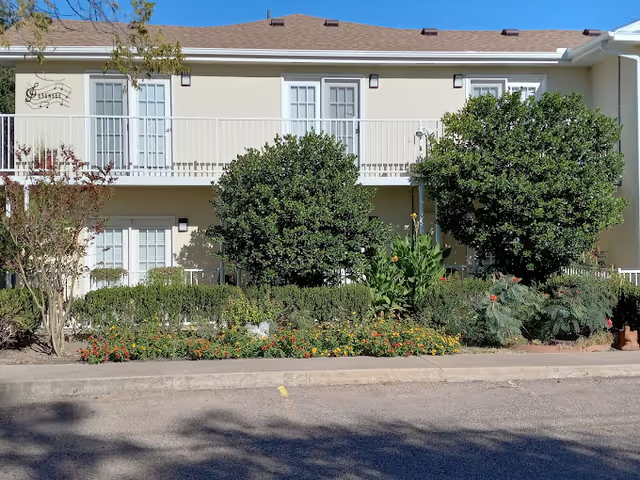
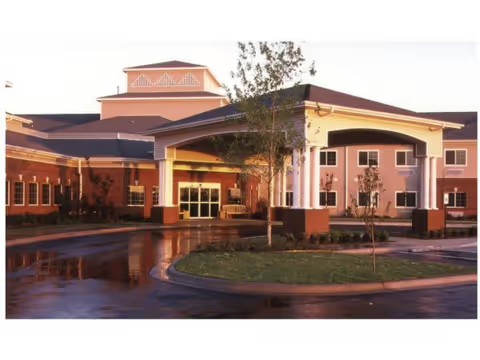
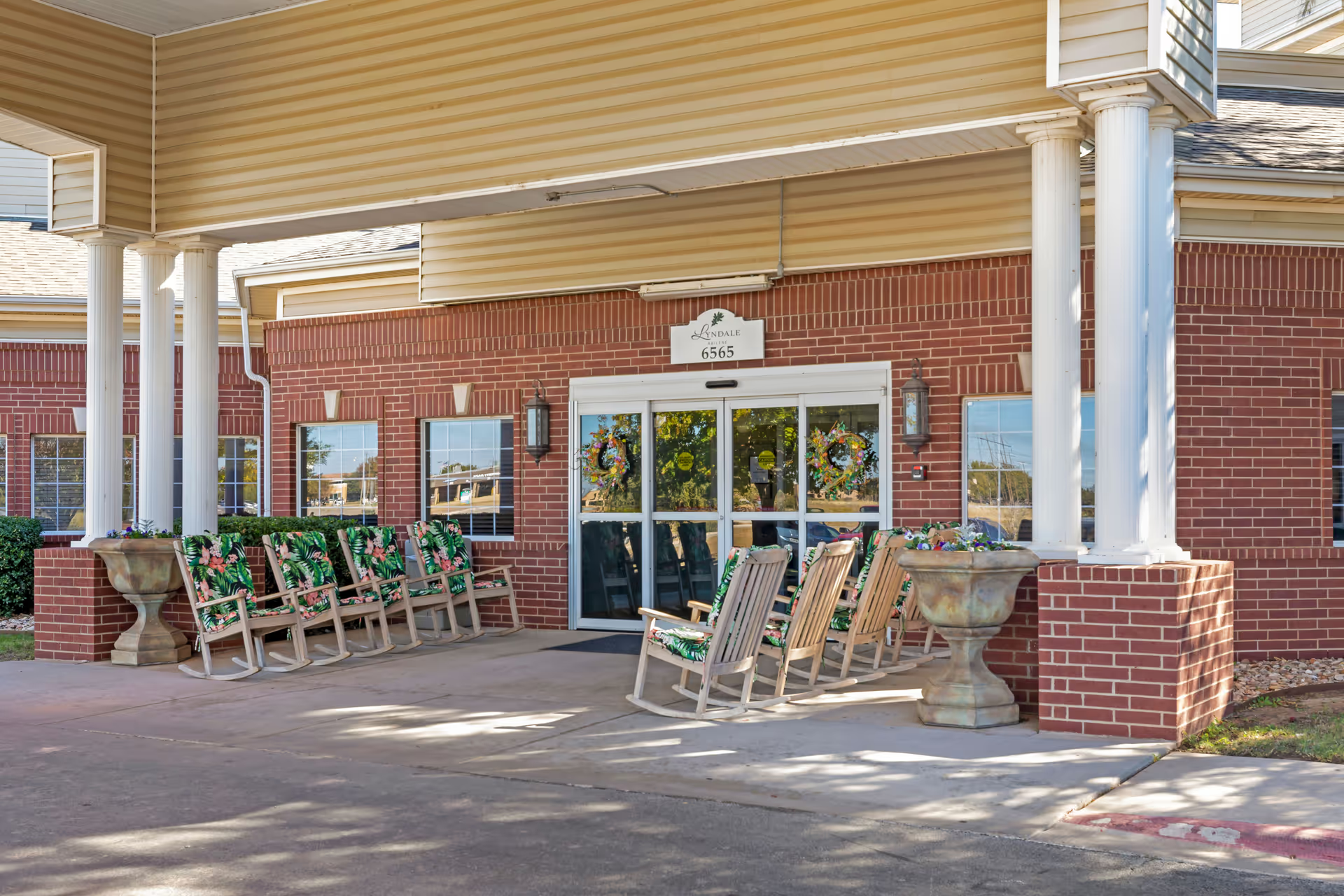
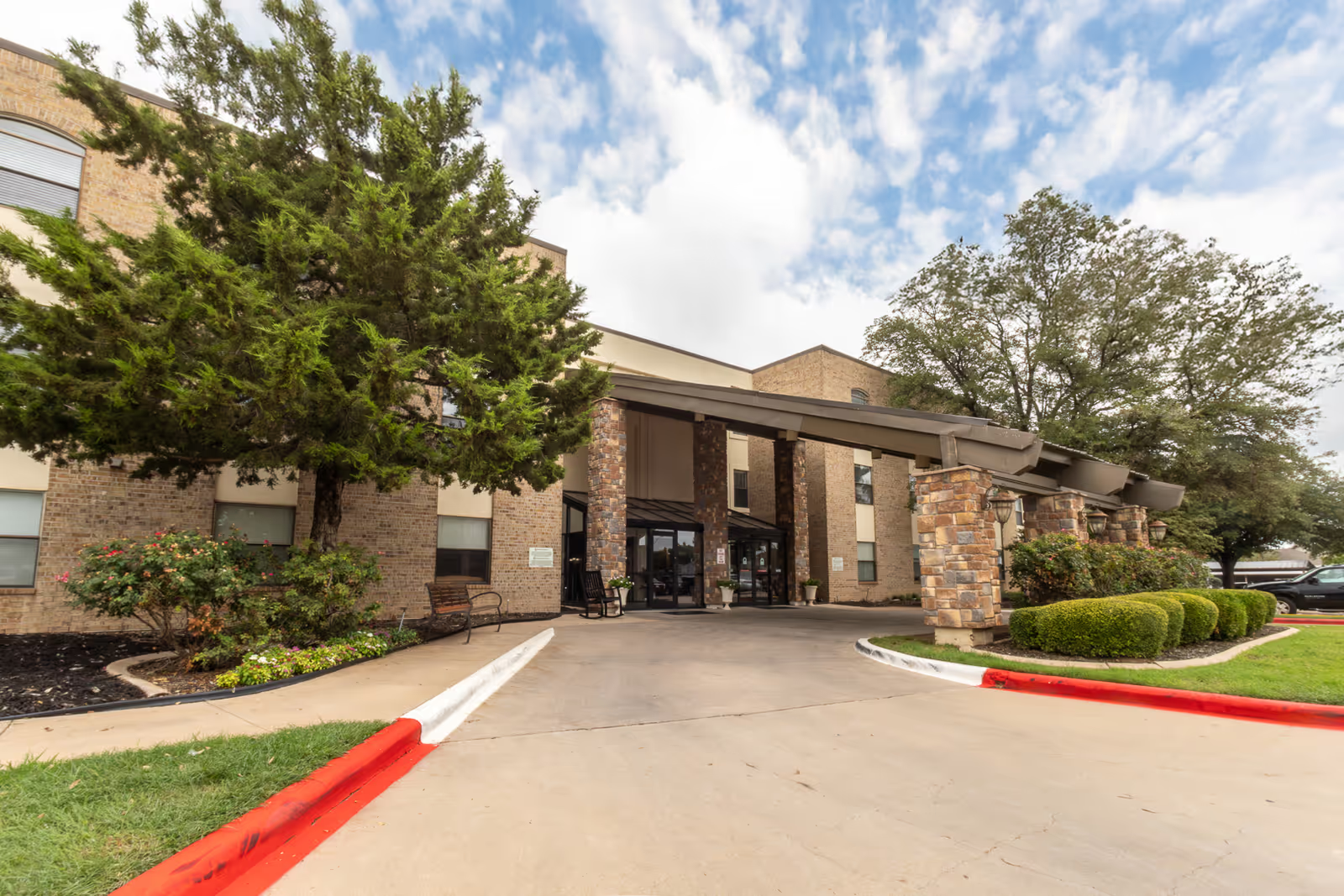
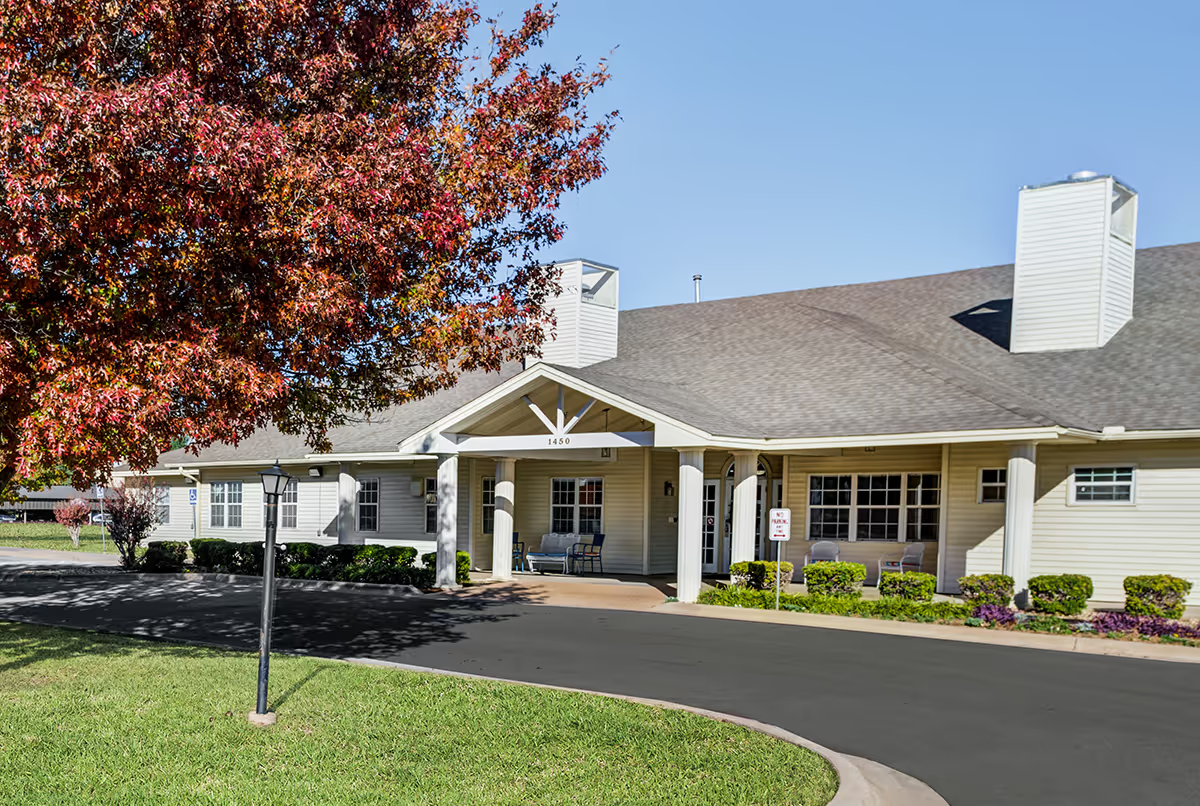
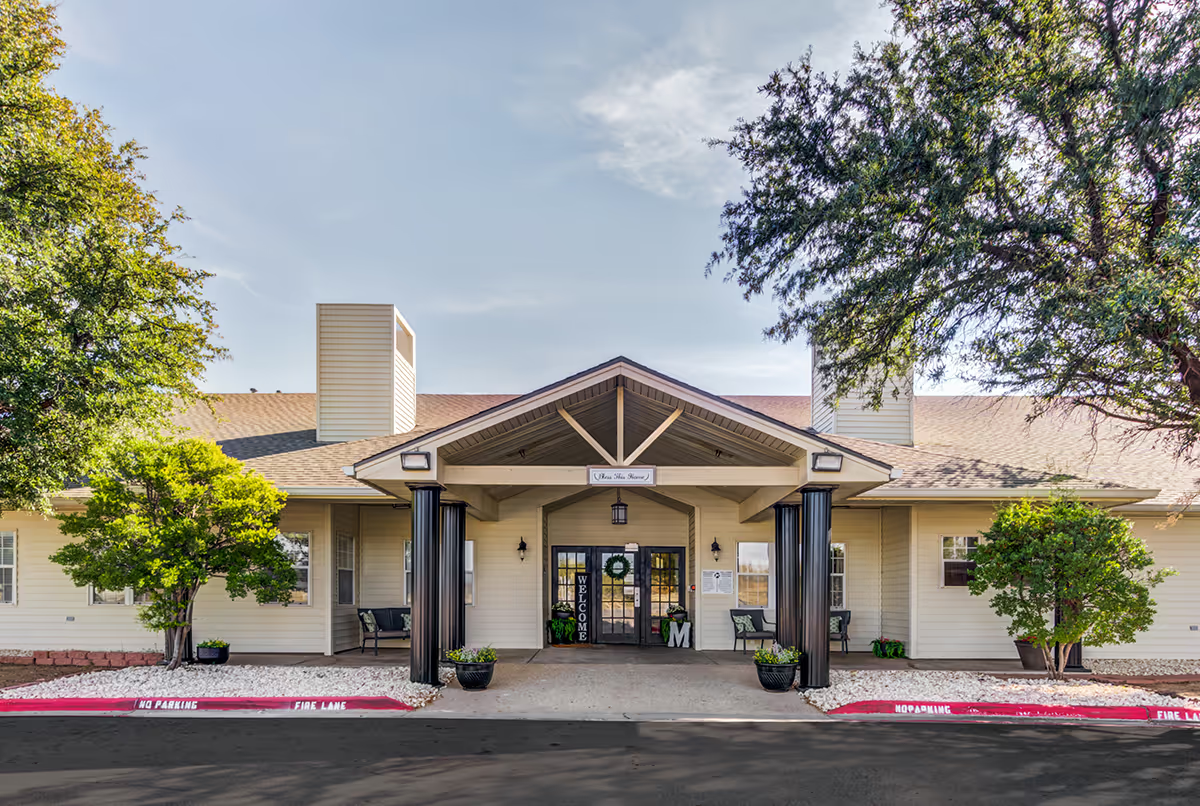
Facility environment and activities are generally viewed positively by many reviewers: the building is described as well-maintained, remodels are underway, and residents benefit from social activities and interactions that improve mood and engagement. Multiple reviewers said residents felt at home and appreciated the atmosphere. This stronger consensus around the physical environment and programming suggests these areas are relative strengths compared with the more variable aspects of clinical care and daily operations.
Notable patterns and overall assessment: the strongest, most consistent positives are the rehabilitation services, several devoted staff members, a familial culture, low turnover, and a pleasant physical environment with active programming. The most concerning and recurrent negatives are inconsistent direct care quality (including allegations of neglect), long emergency-response times to call bells, serious medical incidents reported by some families, uneven meal service, and occasional unprofessional behavior. Taken together, the reviews imply that Ballinger can deliver excellent care for many residents — particularly in therapy and when the right staff are on duty — but there is a nontrivial risk of severe lapses. Prospective residents and families should weigh these mixed outcomes, ask targeted questions about staffing levels and incident history, monitor response times and skin/nutrition care, and clarify how management handles reported problems. For those already at the facility, families may wish to maintain close communication with the administrative team and therapy department to help ensure consistent care and to quickly escalate any safety concerns.