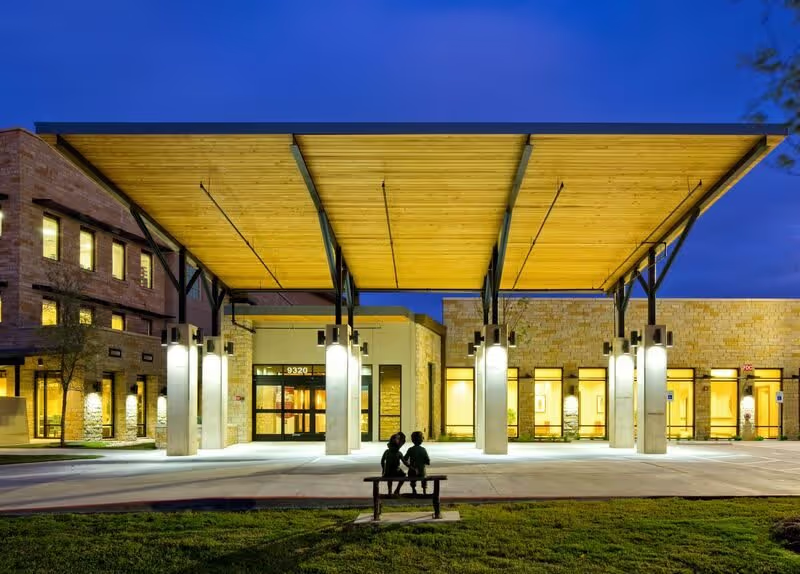
Overall impression: Reviews for Bastrop Lost Pines Nursing and Rehabilitation Center are mixed, with a pronounced split between strong praise for frontline staff and therapy services and persistent operational concerns that affect consistency of care. Many families highlight compassionate caregivers, effective rehabilitation, and a well-kept facility, while other accounts describe service and responsiveness lapses that are concentrated during off-hours and on certain units.
Care quality and clinical services: The facility's therapy program and short-term rehabilitation services receive frequent positive comments for effectiveness and outcomes. Several reviewers credited physical and occupational therapists with meaningful recovery progress. Nursing and aide staff are often described as caring and attentive; individual caregivers and CNAs are repeatedly named and praised. However, reviewers also describe inconsistent clinical practices in areas such as medication timing, diet management, and discharge medication handling. There are accounts of delayed clinical attention that, in some cases, resulted in hospital-level follow-up. These descriptions point to variability in clinical oversight and handoff processes rather than uniform performance across the facility.
Staffing and staff conduct: Staffing levels appear uneven; many families noted adequate daytime staffing but shortages and reduced responsiveness during nights and weekends. This operational pattern corresponds with delayed call-button responses, waits for assistance with personal care, and reported gaps in supervision. Conversely, admissions staff and some administrators receive consistent praise for responsiveness and family communication; a small number of employees are singled out as particularly helpful. The overall pattern suggests reliable staff performance in many instances, alongside variability tied to shift and unit.
Dining and food service: Dining experiences are mixed. Some reviewers reported enjoyable meals and attentive meal delivery, while others described issues with temperature control, undercooked items, and inconsistent service (including missing beverages). There are also isolated concerns about food-storage practices. Prospective families should inquire about current kitchen practices and meal monitoring protocols.
Activities and social programming: The facility offers activities and social programming that several families and residents found engaging. Social staff and activity coordinators are often described as proactive, arranging visits, virtual contact, snacks, and programming that contributed to residents' mood and engagement. These services are cited as a strength, particularly for short-term rehabilitation stays where social stimulation supports recovery.
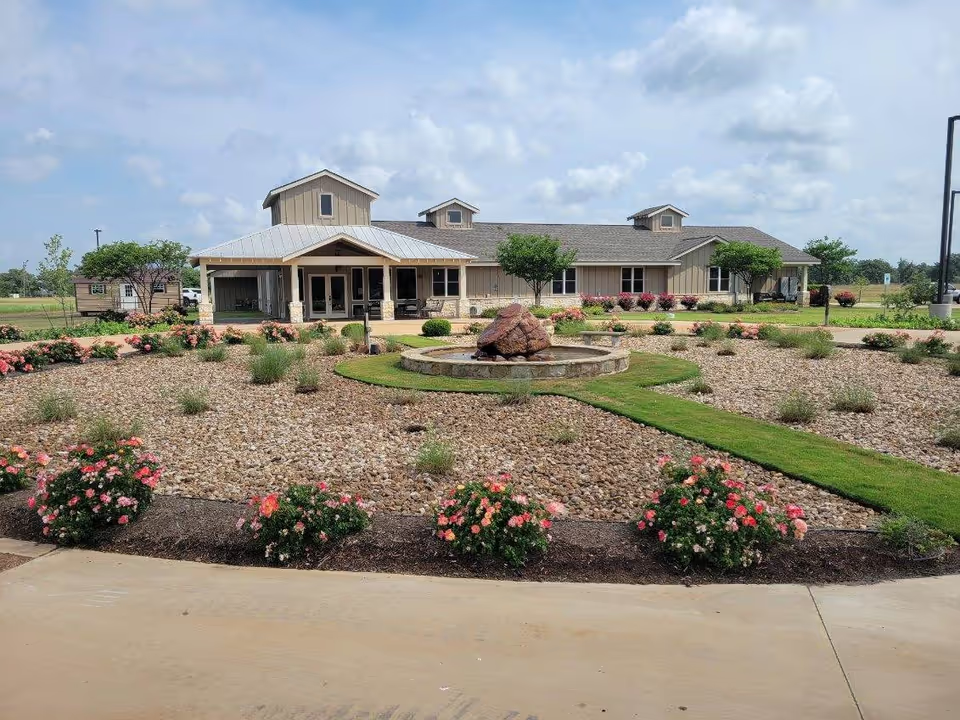
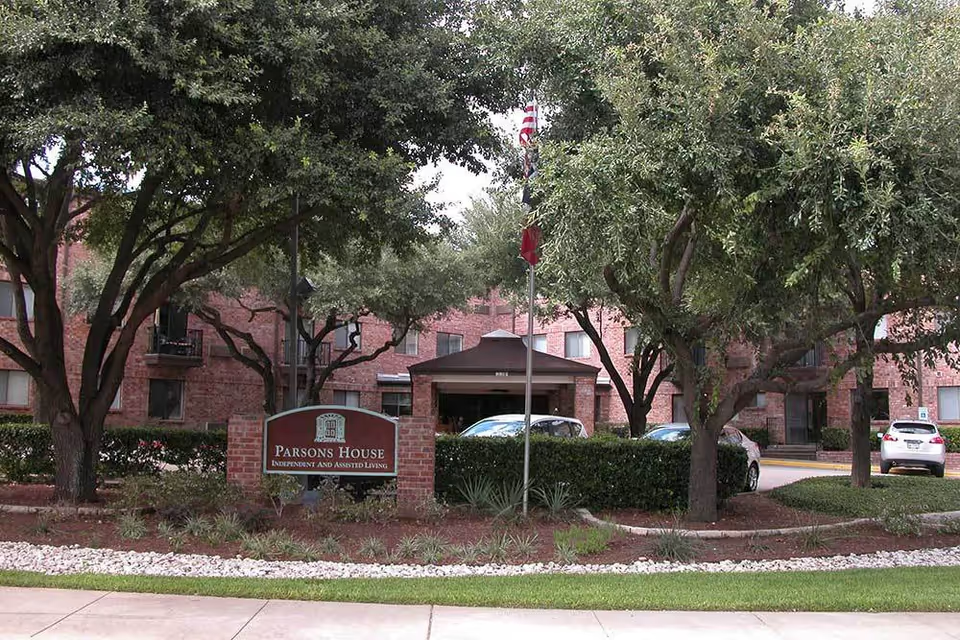
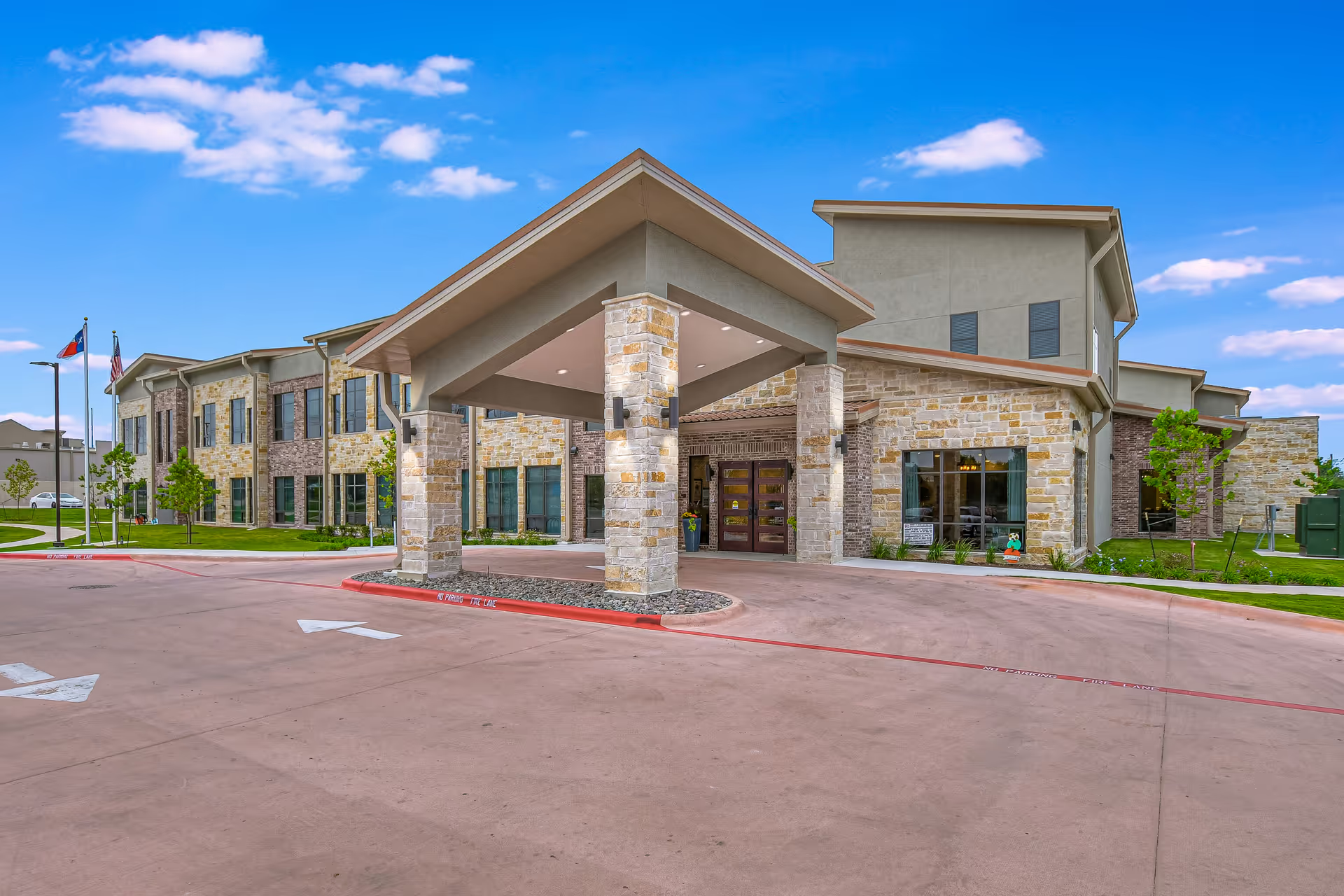
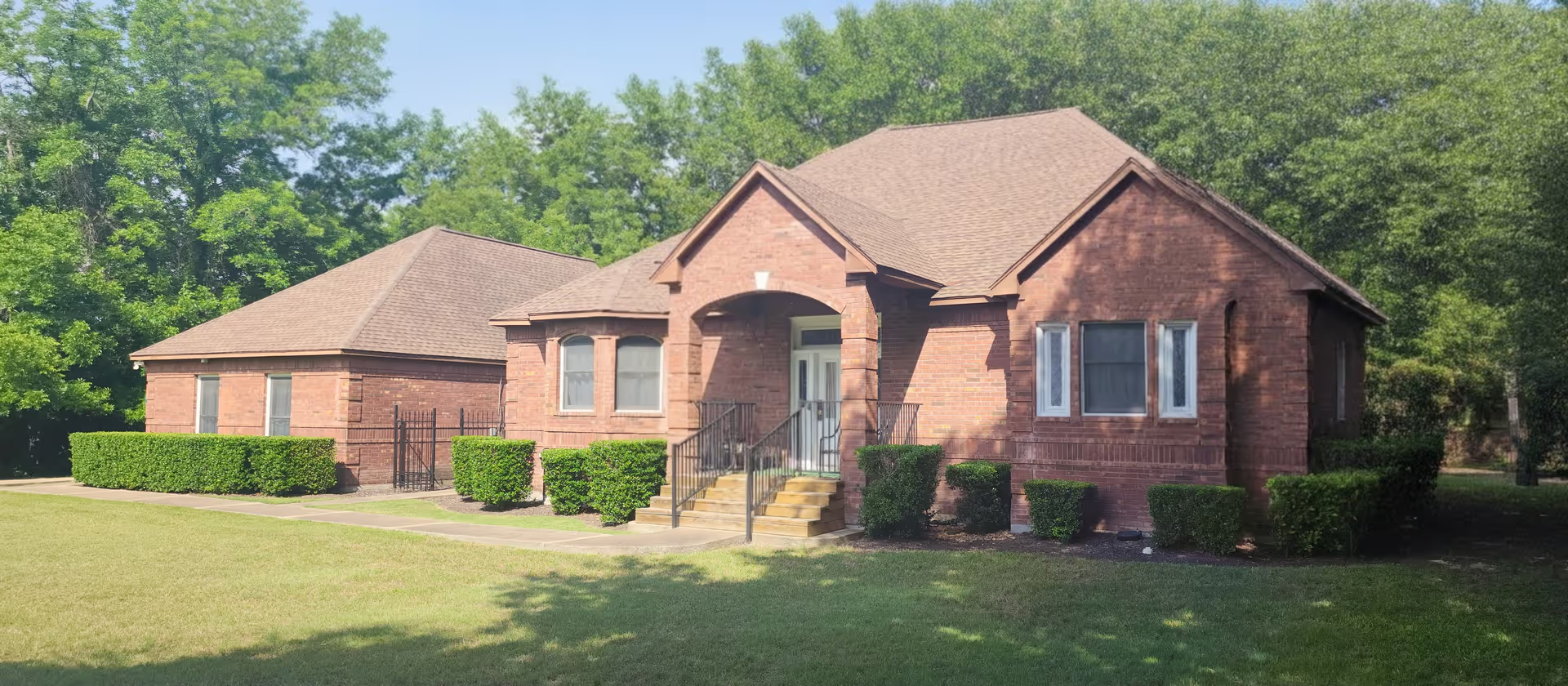
Facilities and environment: Many reviewers praise the facility's cleanliness and overall presentation—pleasant lobbies, well-maintained common areas, and neutral smells. At the same time, some wings are described as institutional, with small shared rooms, limited in-room amenities (for example, no in-room phones and hand-crank beds in some rooms), and limited privacy. Cell reception and visitor seating are noted as physical limitations in parts of the building. Reviewers advise families to tour specific units and evaluate room-type options.
Management and communication: Admissions and certain administrative staff receive positive mention for responsiveness and coordination, including after-hours transfer assistance. However, there are repeated comments about phone-access challenges (busy signals, difficulty reaching the nurses' station), scheduling inefficiencies, and occasional financial or discharge-handling disputes. These indicate systemic communication and administrative-process gaps that affect family experience and care transitions.
Notable patterns and recommendations: The dominant pattern is a facility with strong individual caregivers and a capable therapy program, coupled with operational inconsistencies—particularly during off-hours and on some wings—that can affect sanitation, meal service, timeliness of personal care, and medication management. Prospective residents and families should consider focused questions and observations during a visit: staffing ratios by shift, call-response times, laundry and incontinence-care protocols, food safety and temperature monitoring, medication reconciliation and discharge processes, room options and privacy, and how the facility supervises and trains staff across shifts. A targeted tour and direct conversations with admissions, nursing leadership, and therapy staff can help determine whether the facility's strengths align with a specific care need.