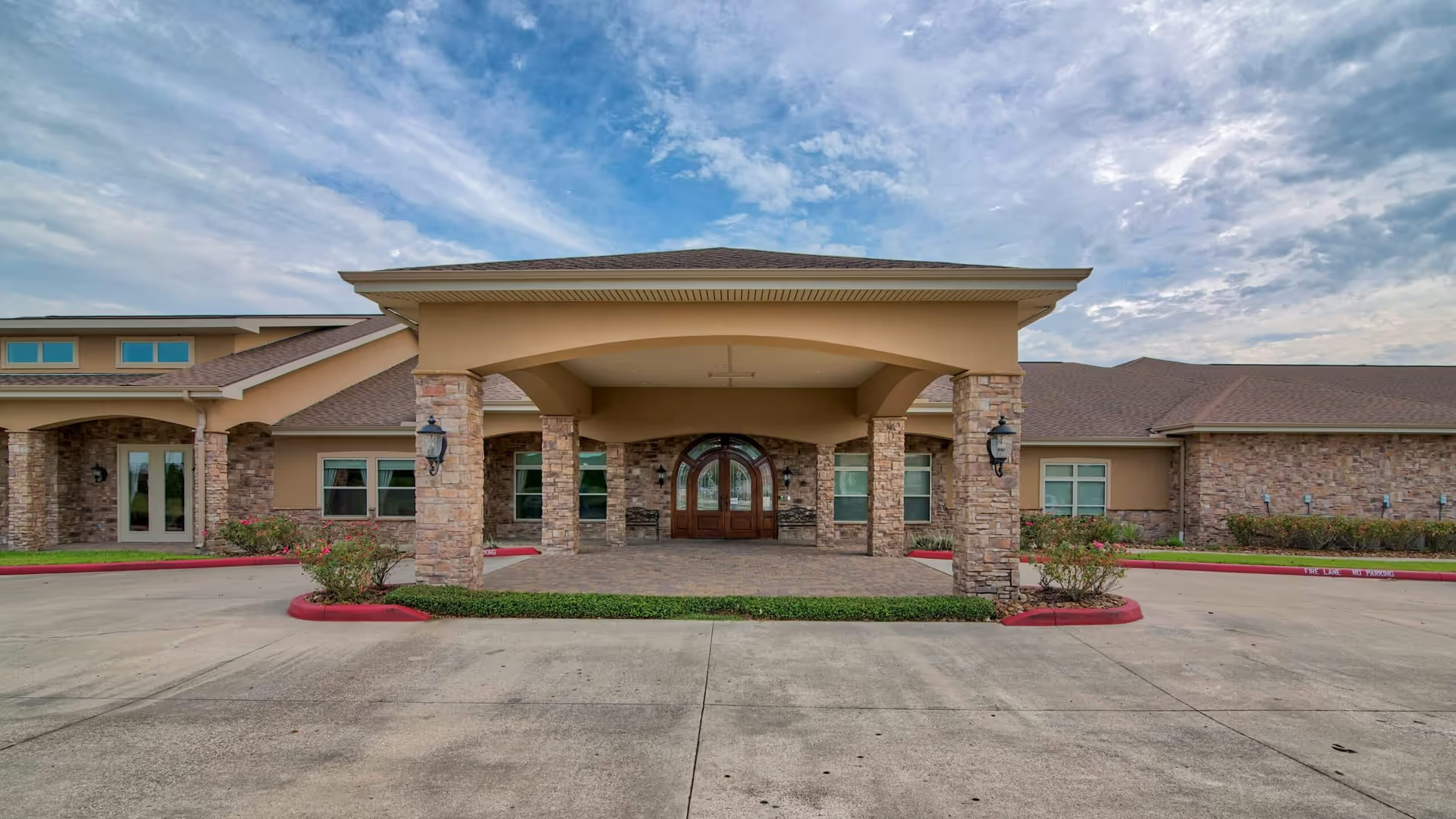
Reviews present a mixed assessment of Clairmont Beaumont. Several reviewers praised clinical resources such as an on-site physician and psychiatrist, the availability of physical therapy, and a women-only Alzheimer's unit with dedicated activity spaces. Visitors who toured the building frequently described well-presented rooms and expressed satisfaction with short-term stays and certain nursing shifts. Organized activity programming, including a day room for crafts and a posted schedule, was noted as a positive feature.
At the same time, a number of operational weaknesses recur across accounts. Staffing and clinical oversight are described as inconsistent: families reported missed appointments, failures in medication follow-through, and instances where physician contact was limited. Communication gaps between administration, clinical staff, and family members were commonly cited — examples include lack of proactive updates, unclear safety guidance, and poor coordination among therapy, social work, and nursing teams.
Facility operations and the physical environment are another area of concern. While some reviewers observed clean rooms during tours, others described maintenance delays, non-functioning equipment (televisions, beds, phones), plumbing problems, intermittent cable or power outages, and inadequate exterior lighting at night. These infrastructure issues were often linked to worries about emergency preparedness and evening safety. Cleanliness and sanitation deficiencies — including odor concerns in communal and resident areas — were reported alongside delayed maintenance responses.
Dining and daily-care consistency appear variable. Several reviews described unsatisfactory meal quality and expressed concerns about the nutritional reliability of food service, while other families did not raise dining problems. Activity engagement within the dementia unit produced mixed feedback: although activity spaces and schedules exist, accounts suggest supervision and resident engagement can be uneven, particularly on weekdays or outside peak staffing times.
Management and discharge processes emerged as a particularly sensitive area. Reviewers raised concerns about administrative miscommunication, transfer or discharge planning that lacked needed clinical coordination, and perceived dismissive or poorly communicated interactions with staff. These governance and process gaps amplify the impact of staffing and maintenance problems when they occur.
Overall, the facility shows tangible strengths in clinical resources, therapy services, and activity infrastructure, but those strengths are tempered by recurring operational issues: inconsistent staffing and oversight, weaknesses in family communication, maintenance and sanitation shortfalls, and questions about emergency readiness and discharge practices. Prospective residents and families should validate current staffing levels, medication-management protocols, cleaning and maintenance schedules, emergency power and lighting plans, and discharge/transition procedures during a visit to determine whether the facility’s present operations meet their expectations.