Parkwood Healthcare receives consistently strong praise for its direct care teams, therapy services, and social-support functions. Many families and former residents highlight compassionate, engaged nursing and caregiving staff, an effective rehab program (PT/OT) that achieves rapid functional gains, and specialized clinical expertise such as wound care. Social workers, admissions coordinators, and some directors are frequently described as responsive and helpful; several reviewers cited smooth admissions, coordinated discharges, and successful transitions between skilled nursing, rehab, and assisted-living wings.
Clinical performance and day-to-day caregiving present a mixed picture. Positive accounts emphasize attentive, personalized care, 24-hour nursing availability, and staff who know residents’ preferences. However, a recurring operational concern centers on medication management: reviewers describe timing errors, missed or delayed doses, and control gaps such as inappropriate modification of time-release formulations. Related concerns include delayed responses to clinical changes (for example, hypotension or worsening wounds) and isolated but serious adverse events; families cite instances that led to emergency transfers and post-event questions about clinical follow-up. These patterns suggest the need to confirm on-site medication-safety protocols, emergency escalation processes, and weekend clinical coverage when evaluating the facility.
Dining, activities, and community life are common strengths. The facility offers a varied activities calendar, live entertainment, group programming, and outdoor courtyards that residents and families value. Meals are described as appealing and often accommodating to personal preferences, though several reviewers noted inconsistent food quality or packaging-related issues during pandemic restrictions. Memory-care programming exists, with supportive staff and scheduled events, but activity levels have at times been limited by infection-control policies or staffing constraints.
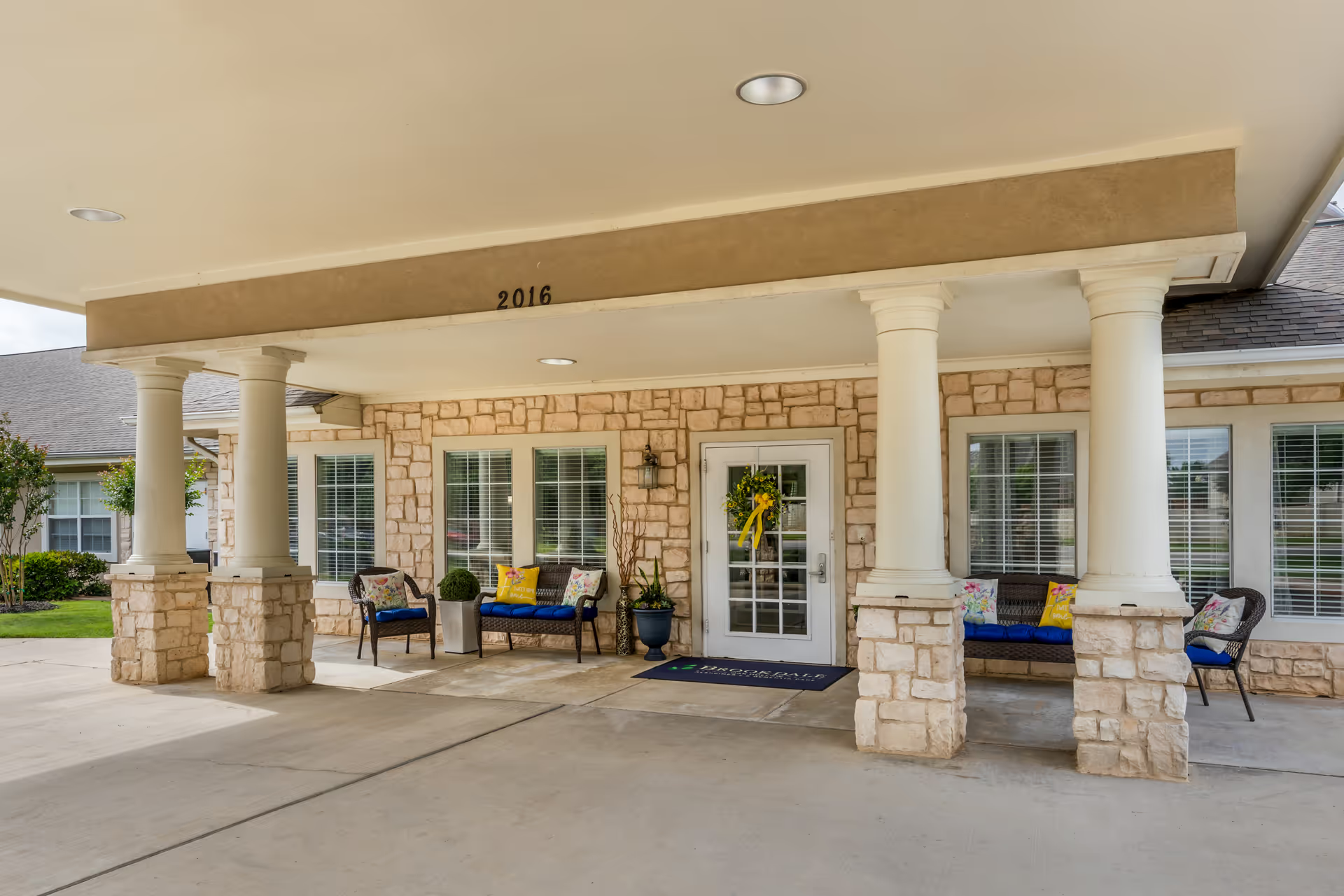
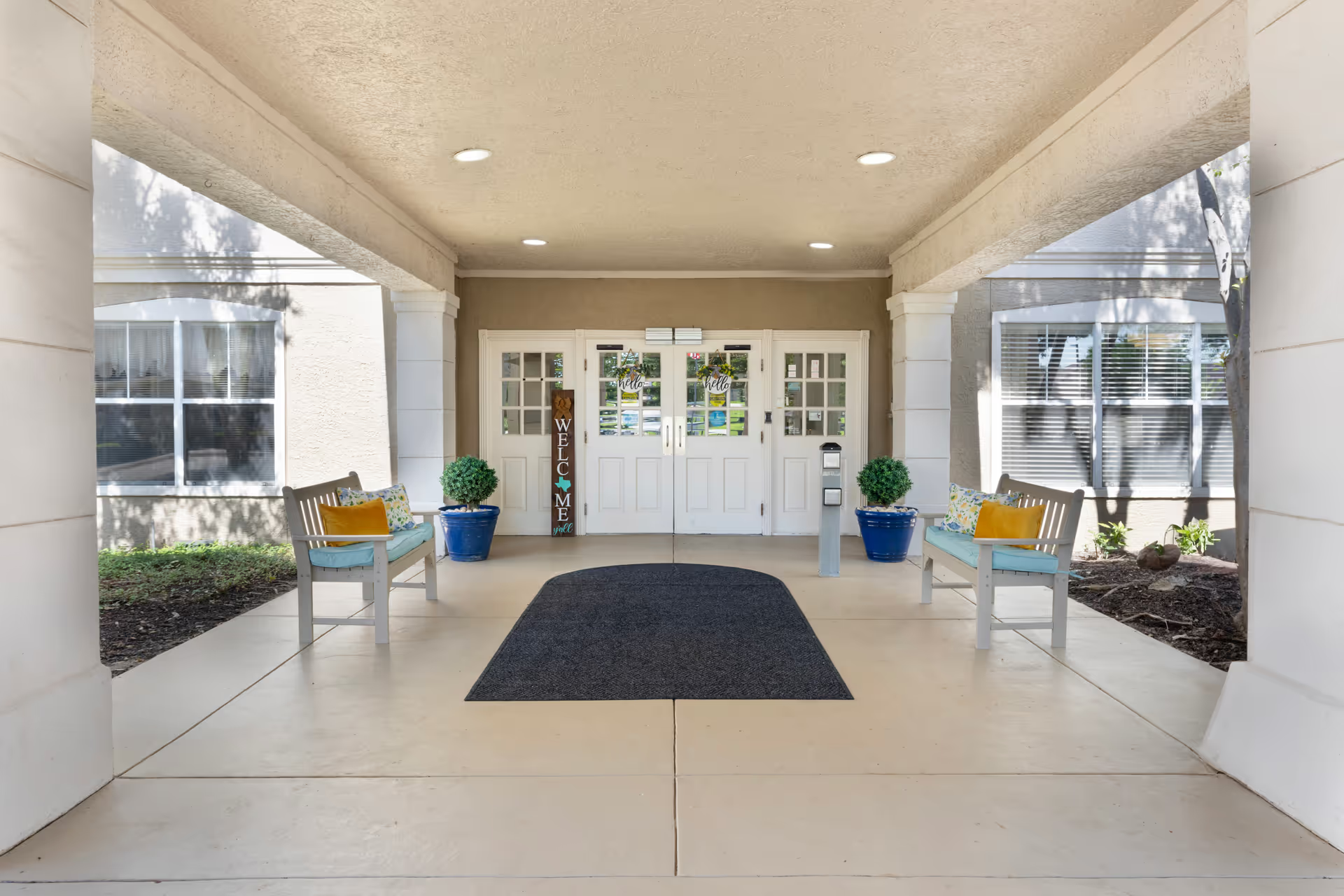
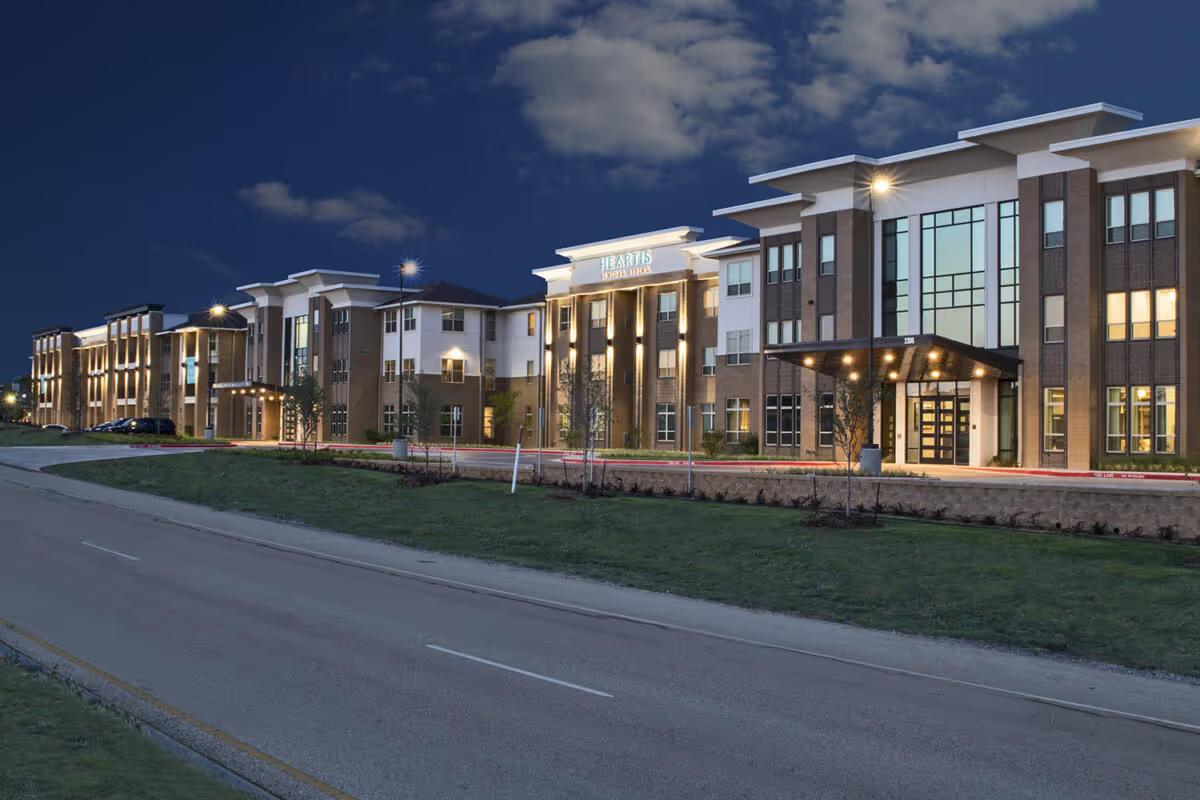
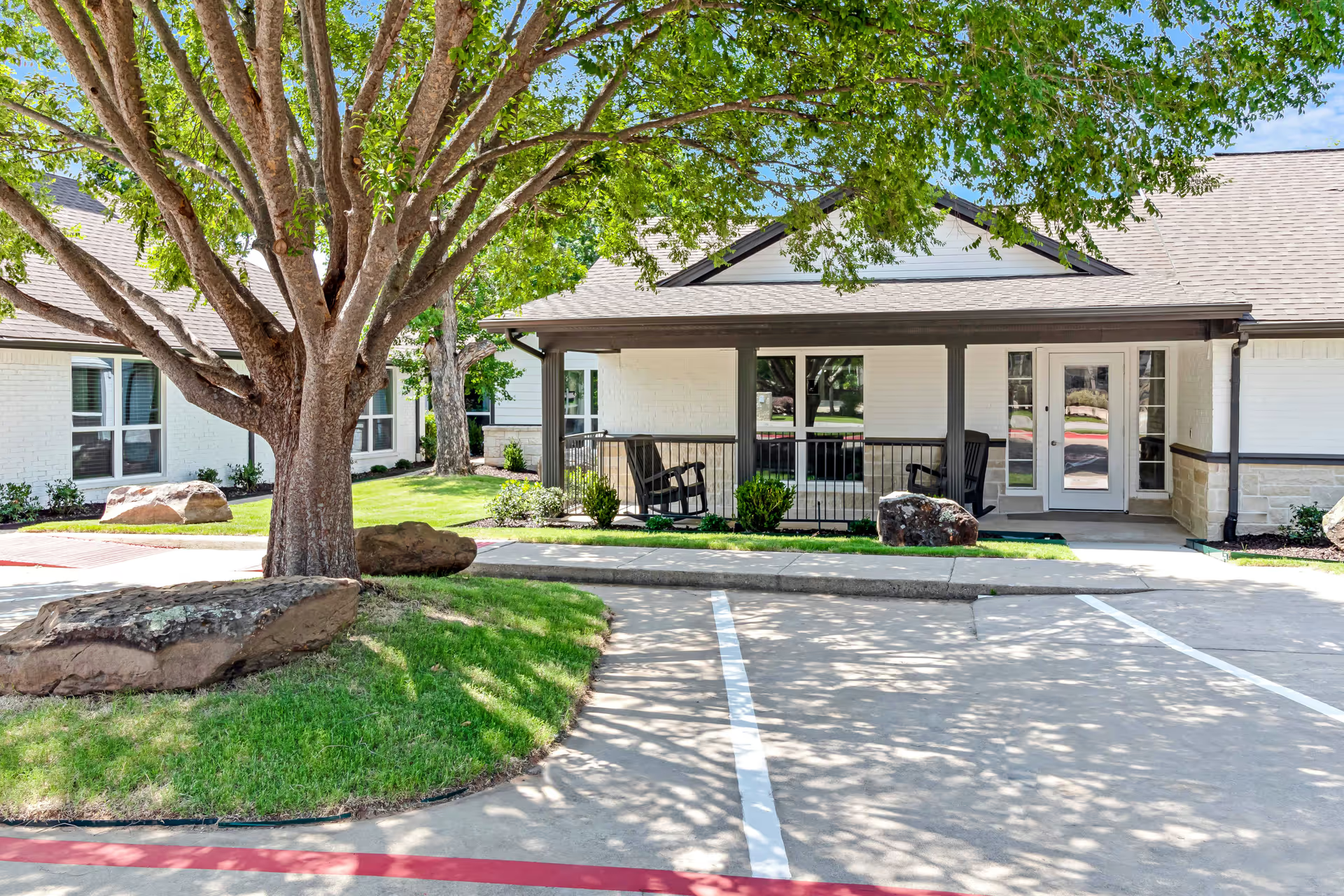
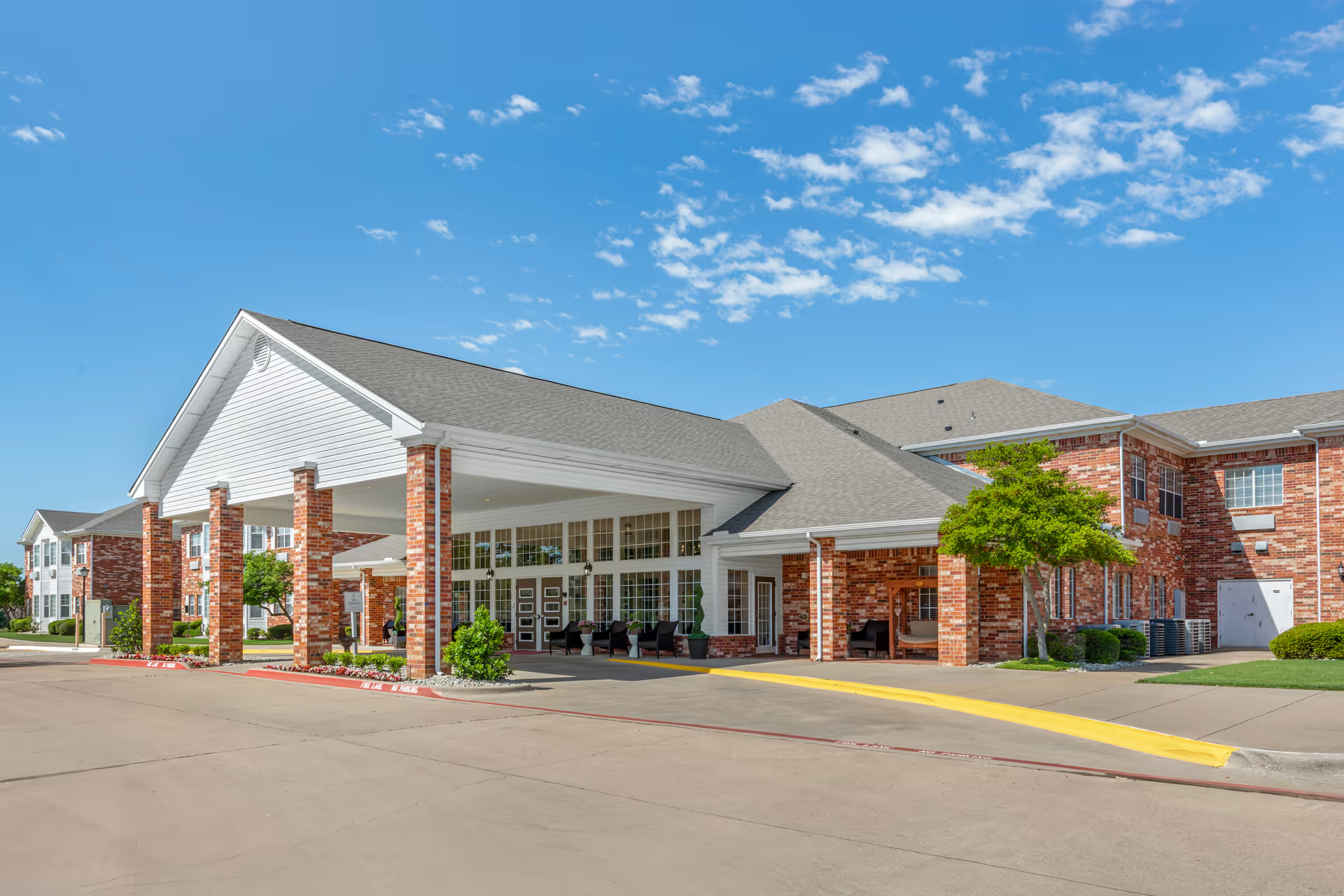
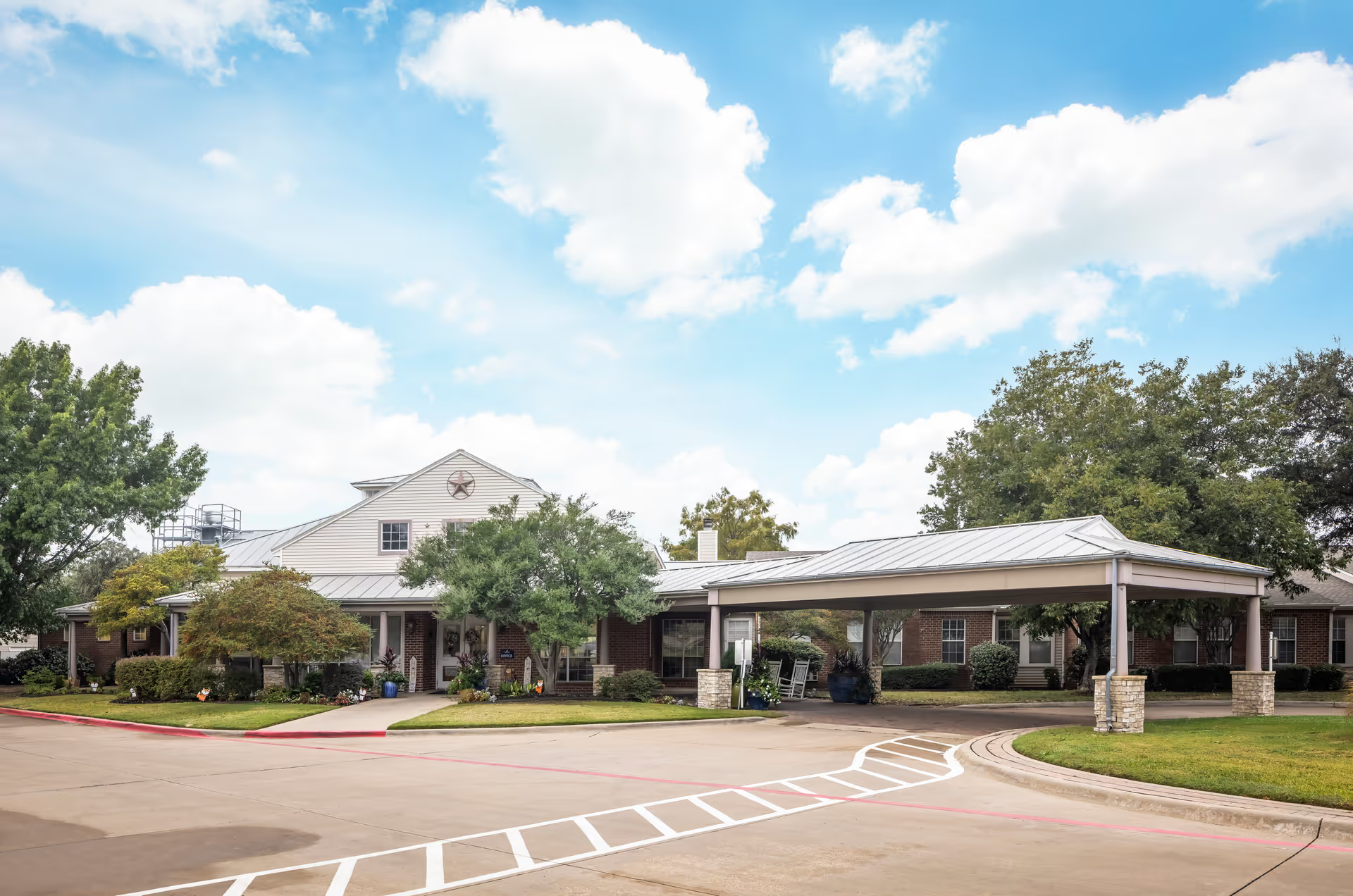
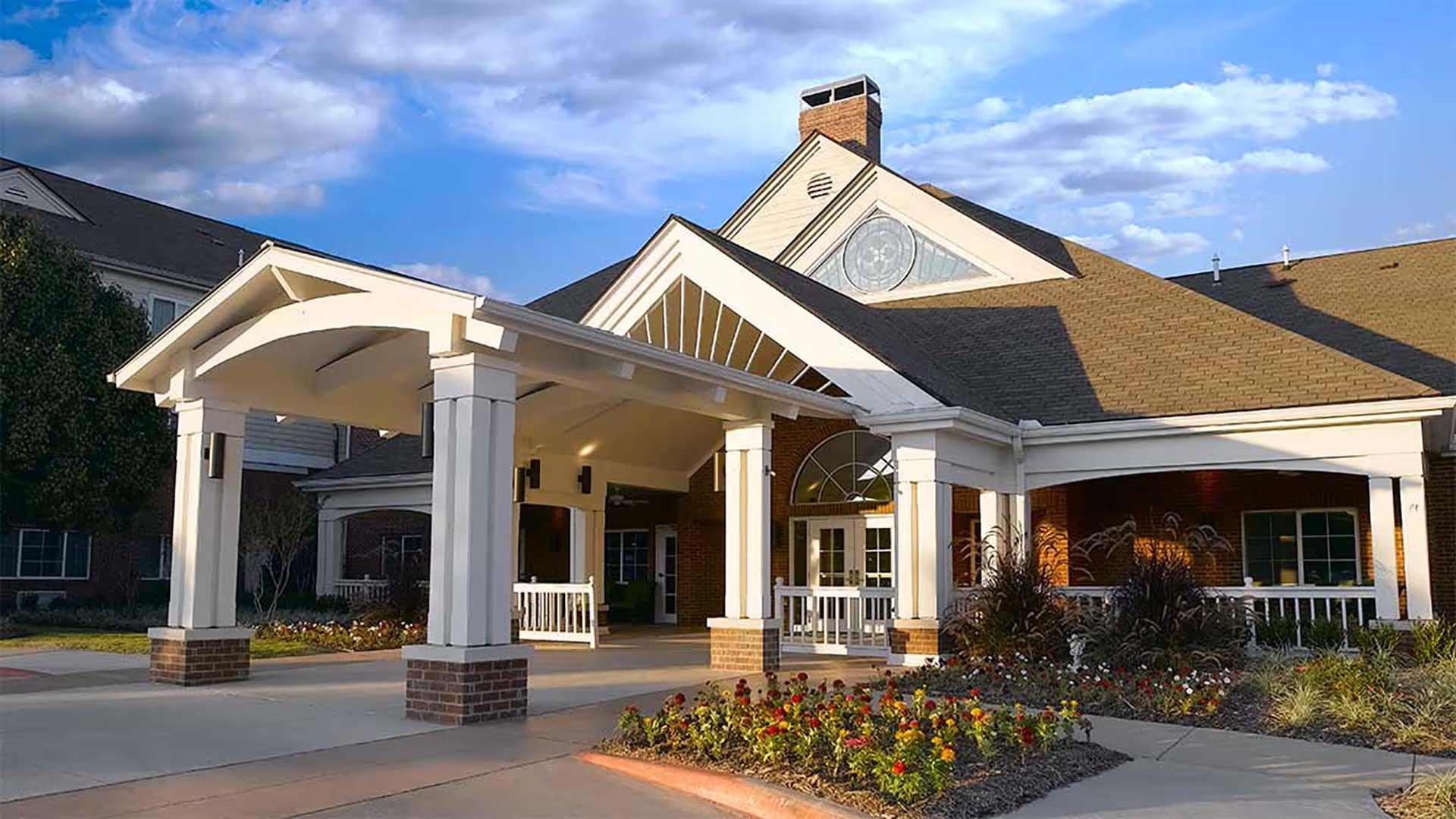
Facility condition and maintenance are uneven. Many reviewers praise clean, bright public spaces, pleasant courtyards, and well-kept common areas. Conversely, others note dated rooms, carpeting, and variable maintenance responsiveness at the unit level; some visitors experienced differences between tour presentations and actual move-in rooms. Laundry handling and management of personal effects also emerged as an operational weakness in a subset of reviews.
Management, communication, and administrative processes show variability across reviewers. Several families commend admissions staff, social work, and financial guidance, while others report unclear billing explanations, delayed refunds, or difficulties resolving accounting questions. Staffing levels and scheduling appear inconsistent, with reports of slower response times on weekends or during busy periods. There are also isolated, serious allegations involving financial and safety concerns; prospective families should consider reviewing contracts, grievance procedures, and regulatory histories as part of their due diligence.
Overall, Parkwood demonstrates clear strengths in therapy-driven rehabilitation, compassionate direct-care staff, engaging activities, and coordinated social-work support. At the same time, patterns around medication-administration controls, intermittent staffing shortages, administrative transparency, and variable room maintenance suggest areas to probe further. Prospective residents and families would be well served to ask specific questions about medication-safety systems, weekend clinical coverage, billing and refund procedures, room-condition consistency, and protocols for clinical escalation and family notification before making placement decisions.