Parkwood Independent Living is repeatedly described as a community with strong person-centered care and an engaged, long-tenured staff. Reviewers consistently highlight individualized attention — staff and leadership are frequently named, know residents by name, and are described as responsive both for day-to-day needs and emergencies. Families and residents point to prompt maintenance response, on-call support, and leadership visibility as contributors to resident safety and family confidence.
Dining and activities are clear strengths. The community provides two daily meals (breakfast and lunch) with high marks for variety and quality; during infection-control periods the team adapted with meal delivery and take-home options. The activity program is robust and creative, led by an active director and encompassing exercise classes, games, outings, field trips, religious services, and socially distanced options when needed. Regular transportation for medical appointments and shopping is available and often cited as an important practical benefit.
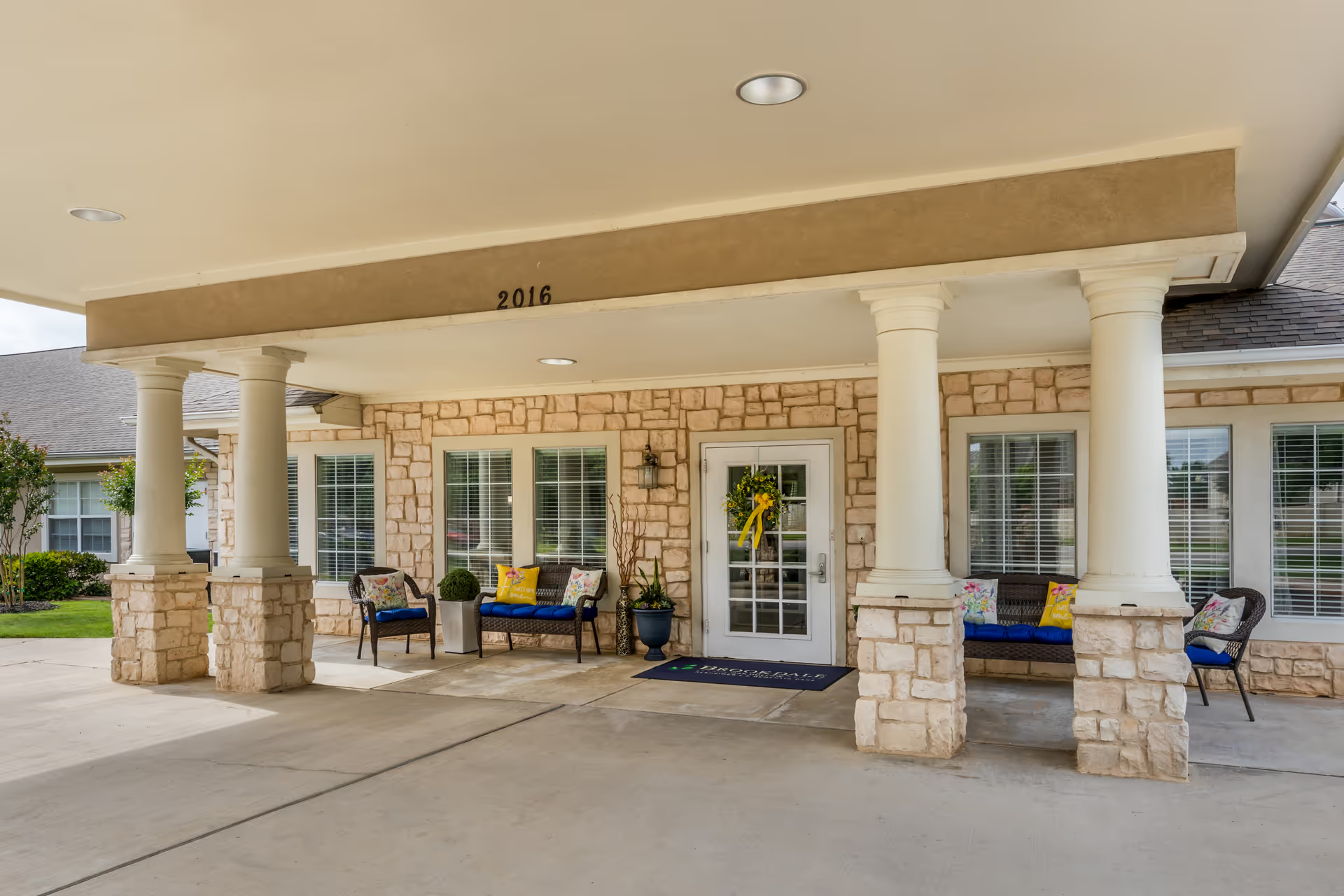
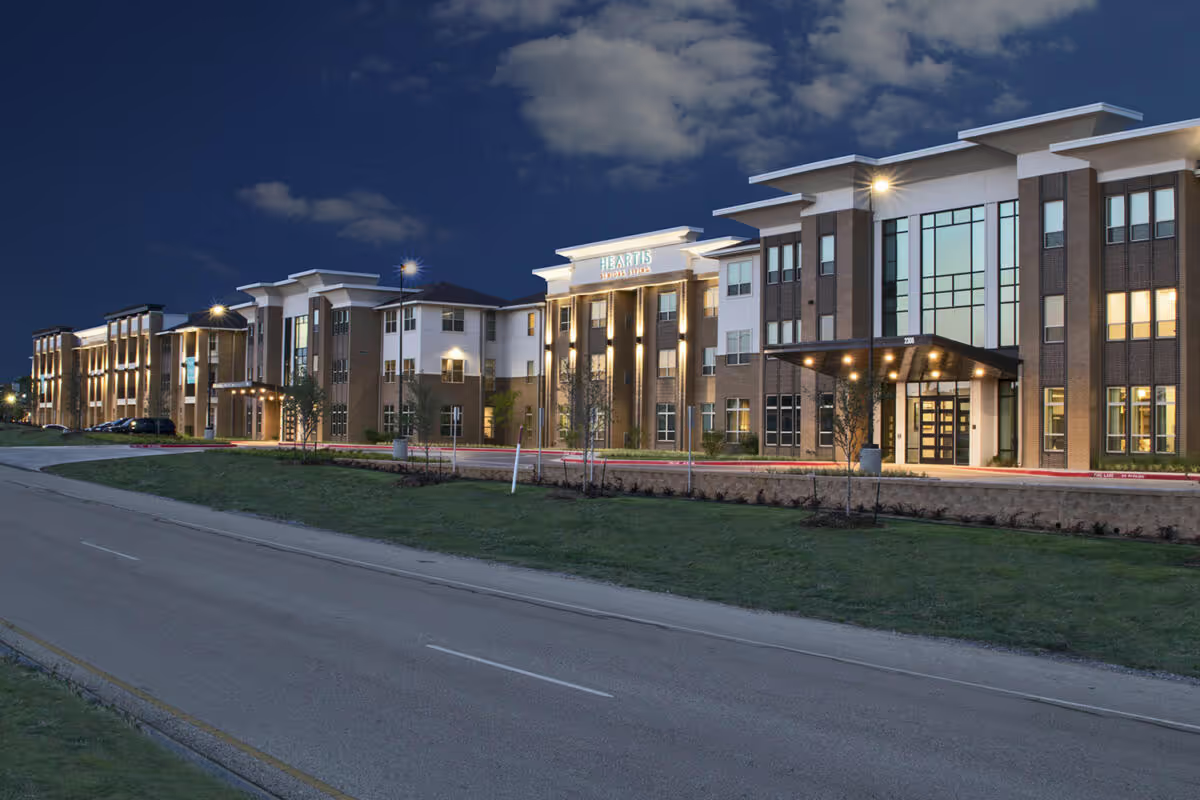
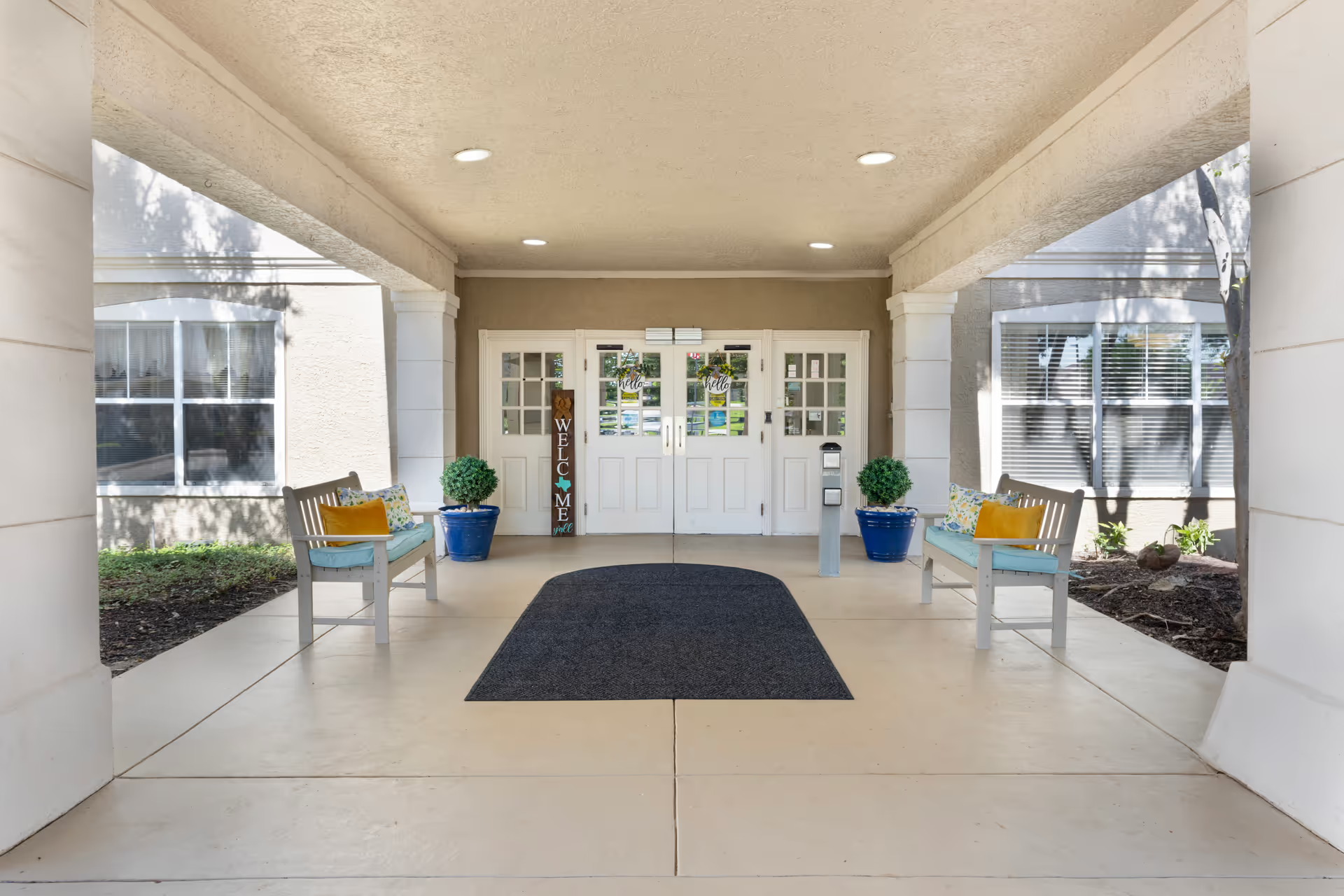
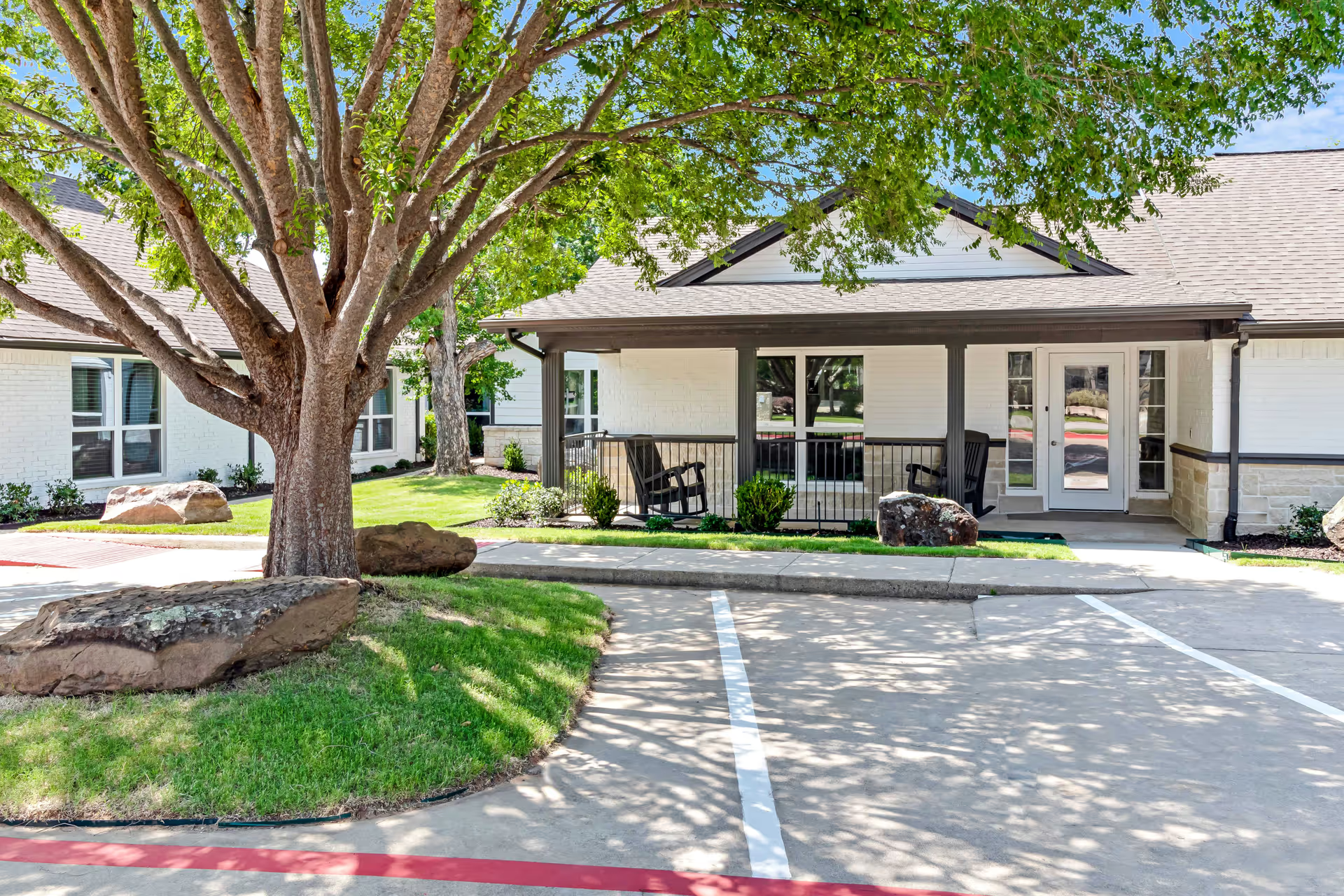
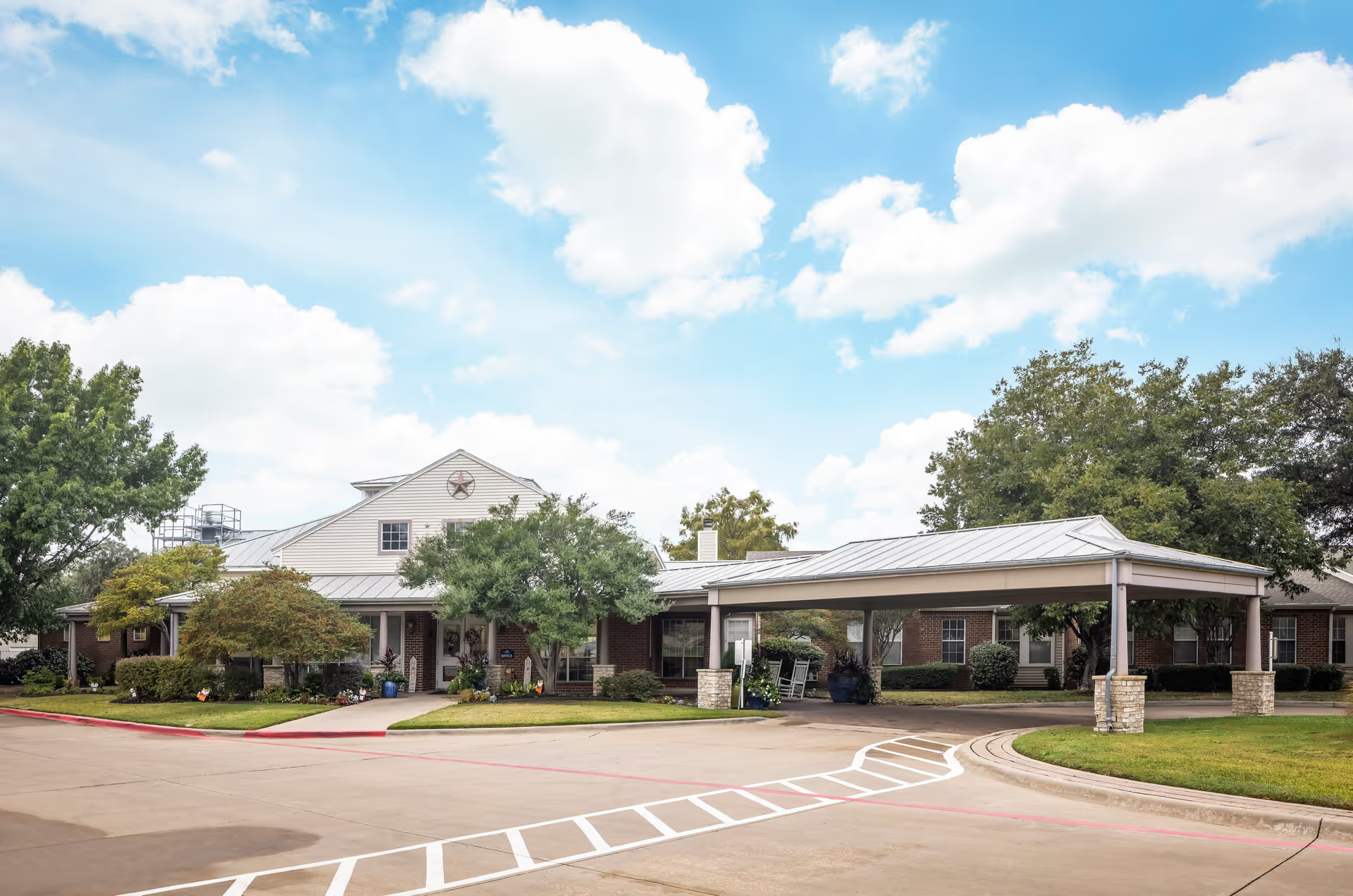
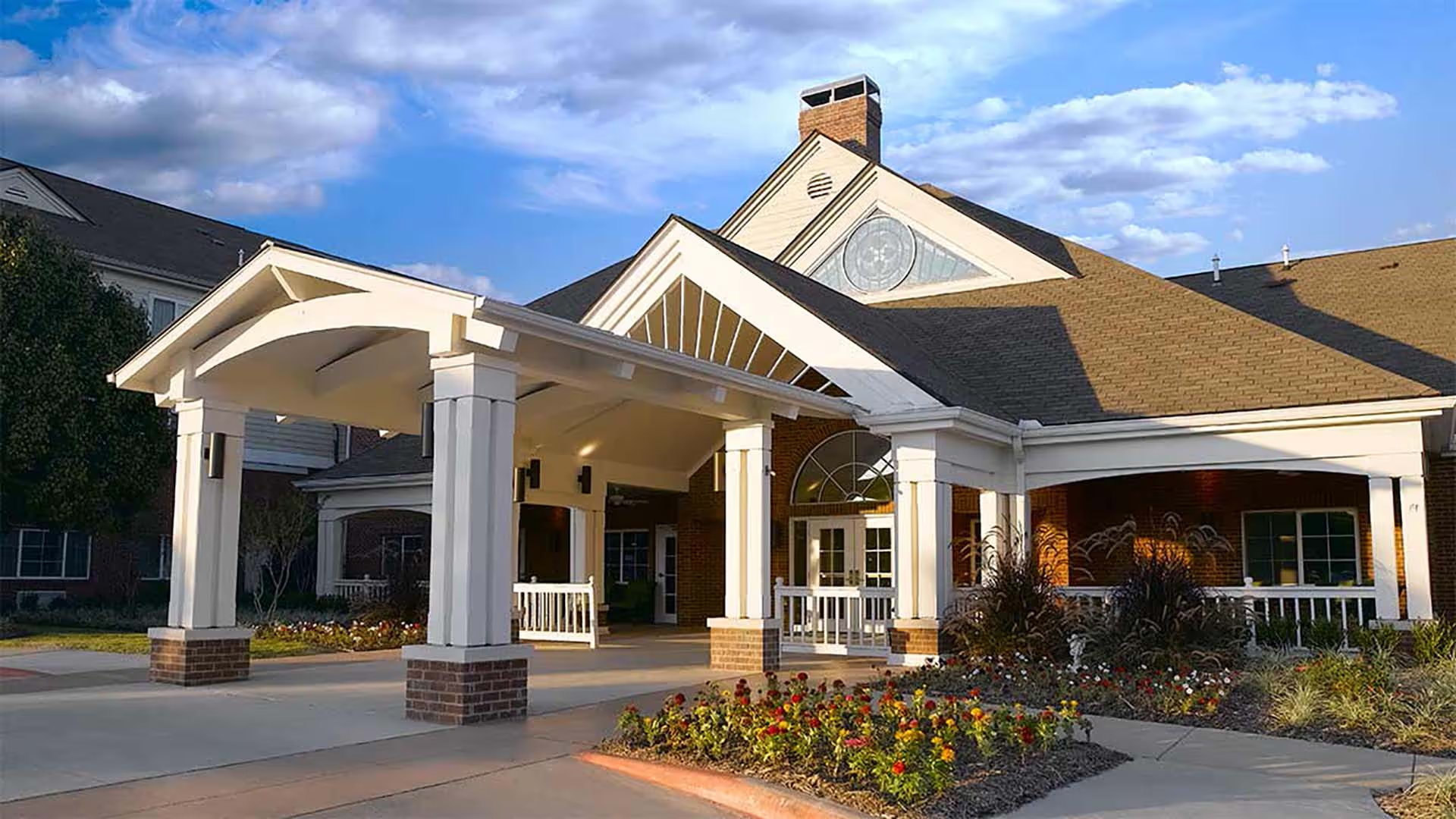
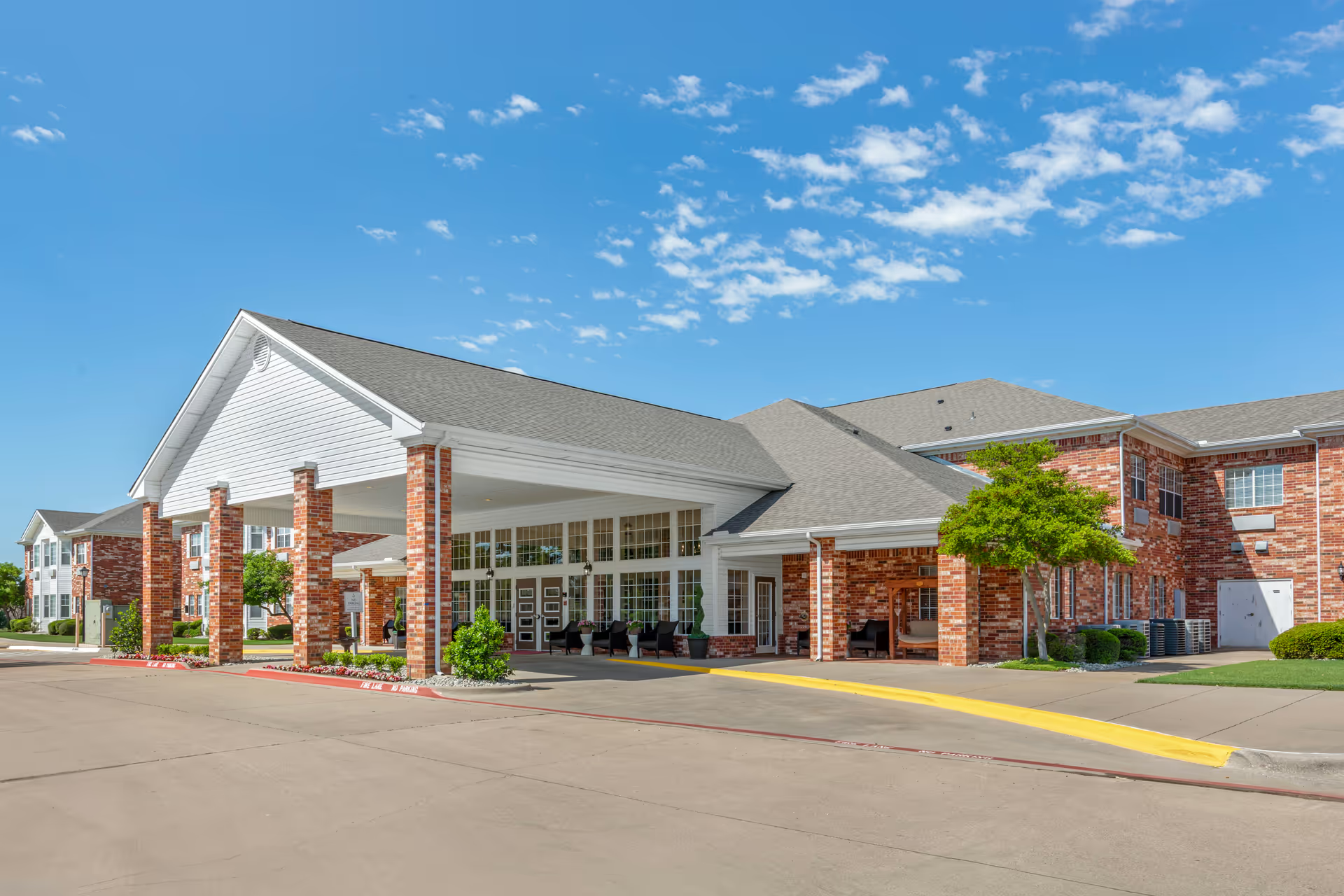
Physical plant and apartment offerings are mixed. The campus presents a park-like setting with mature trees, gardens, gazebos, private patios, and proximity to medical services and an adjacent assisted-living/rehab building that eases transitions. Many units have been updated with modern finishes (granite counters, new flooring, renovated bathrooms), but reviewers also describe older buildings and uneven exterior maintenance. Apartment sizes and layouts vary widely; some residents praise large, well-equipped two-bedroom units while others note very small two-bedroom floor plans and long walks or outdoor routes between buildings and common areas.
Operational and policy-level patterns emerge in two areas. First, meal-service hours are focused on daytime dining; routine evening meals are not standard, which matters for some prospective residents. Second, while most accounts emphasize reliable housekeeping and attentive care, a few reviewers raised serious concerns about medication administration, sanitation, and billing follow-up. These appear to be isolated reports amid broadly positive feedback, but they point to potential gaps in clinical oversight and family communication that merit direct inquiry during a tour.
Overall, Parkwood appears to offer a warm, family-like culture with strong staff engagement, active programming, and convenient access to medical services. Prospective residents should weigh the community’s operational model (two-meal service, campus layout, and mixed renovation levels) against personal needs for apartment size, evening dining, and clinical oversight. During a visit, families would be well advised to review unit condition, ask for specifics about medication administration and incident-follow up, confirm housekeeping schedules, and discuss pricing and billing policies to ensure the community matches their expectations.