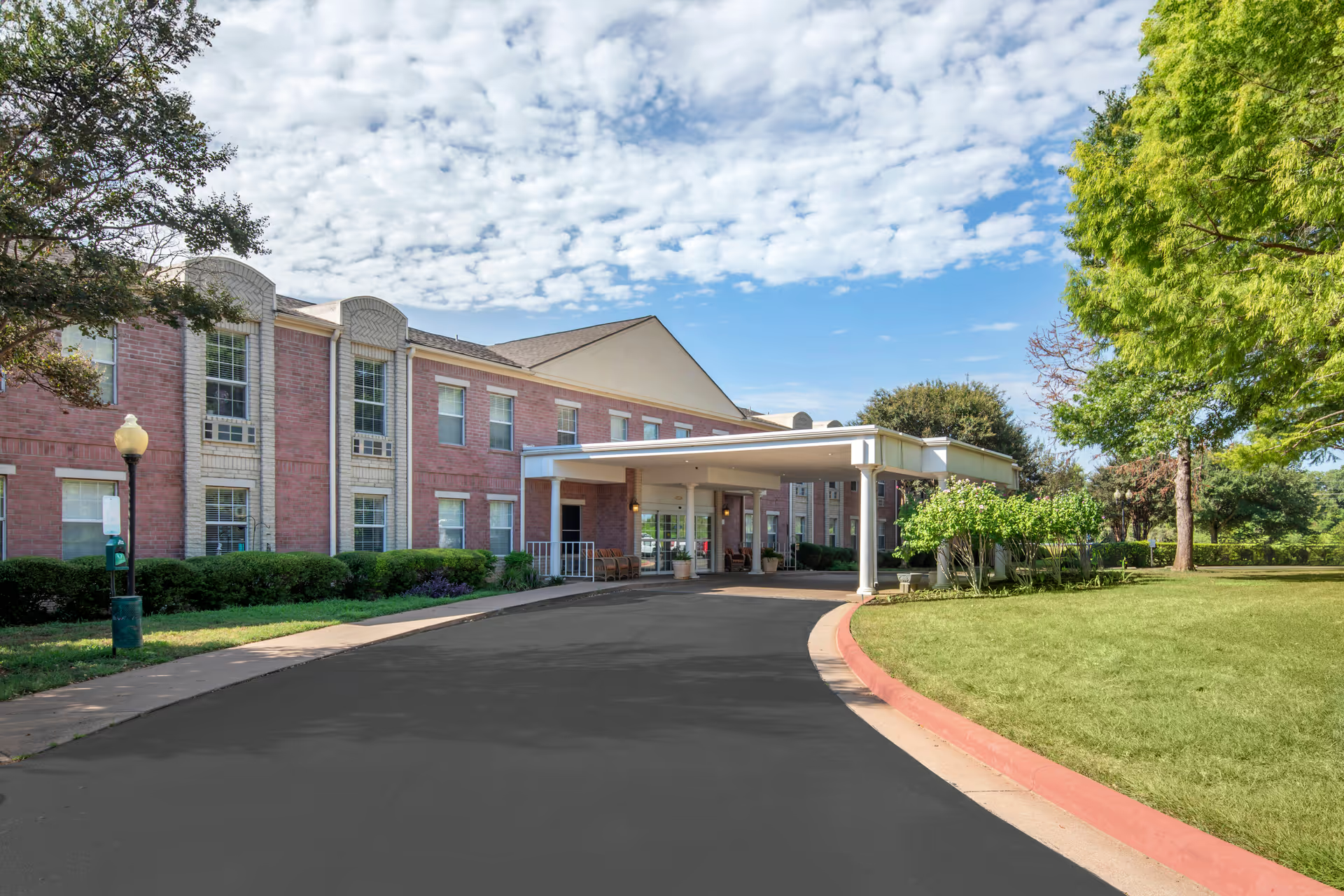
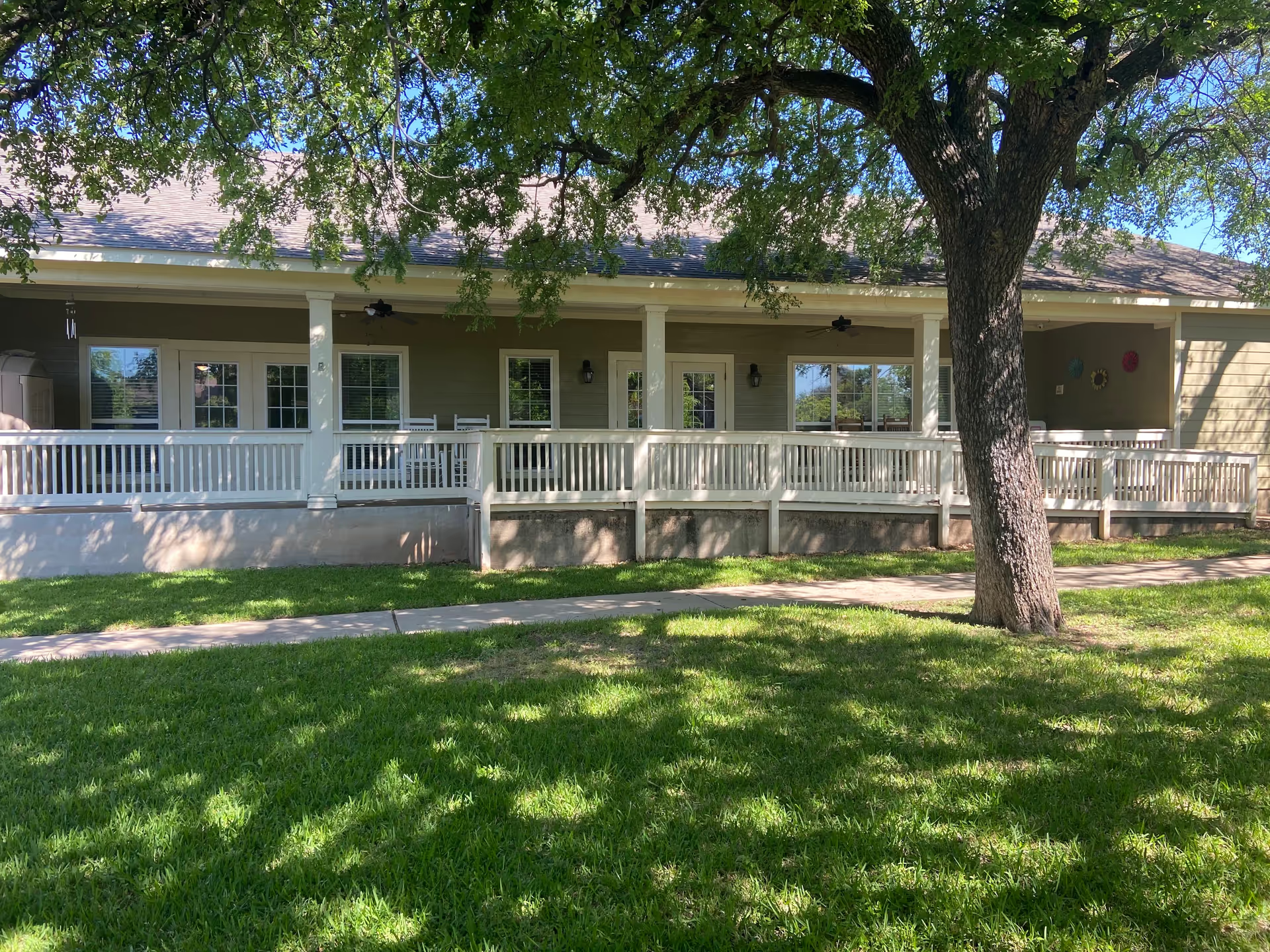
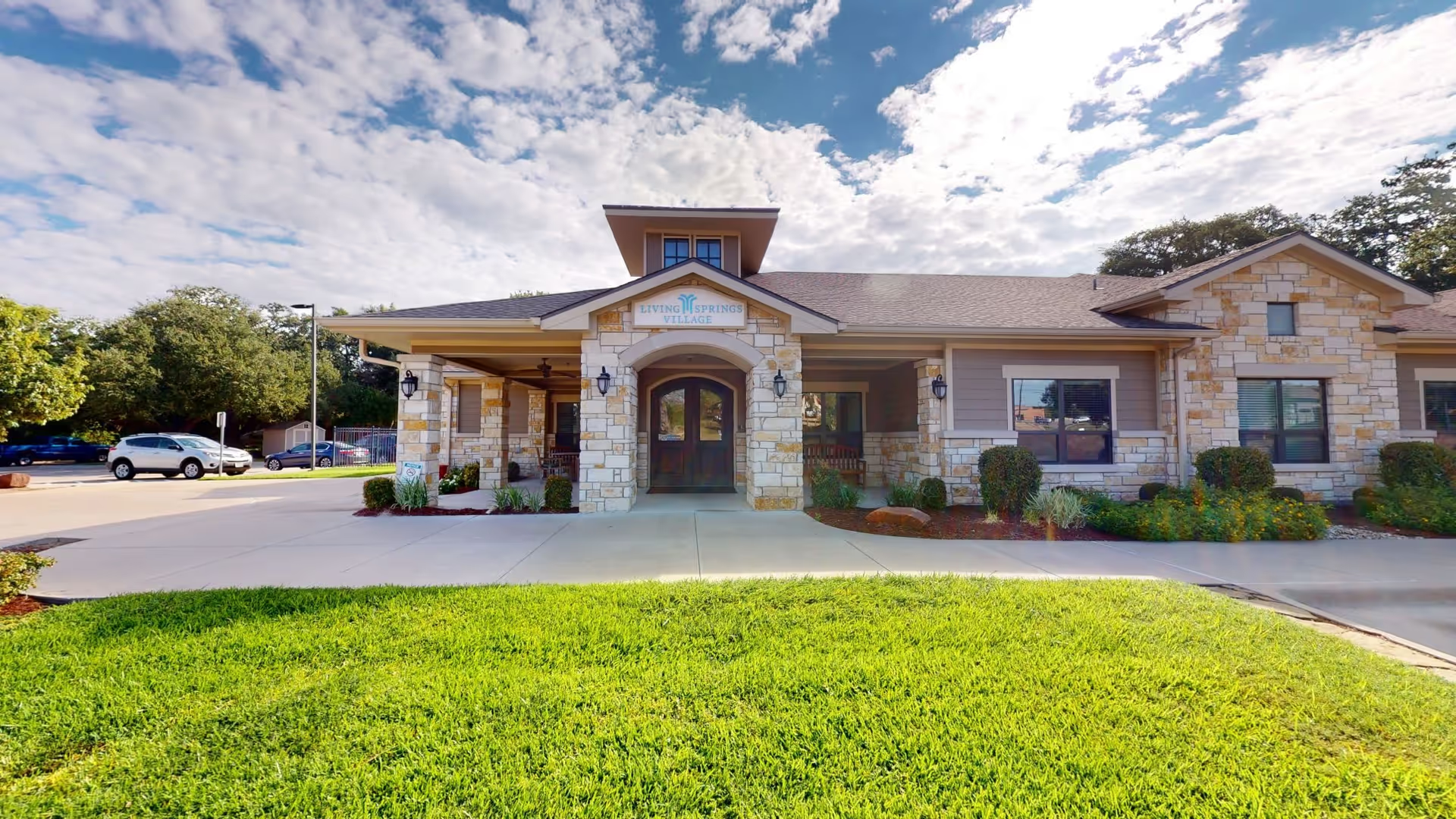
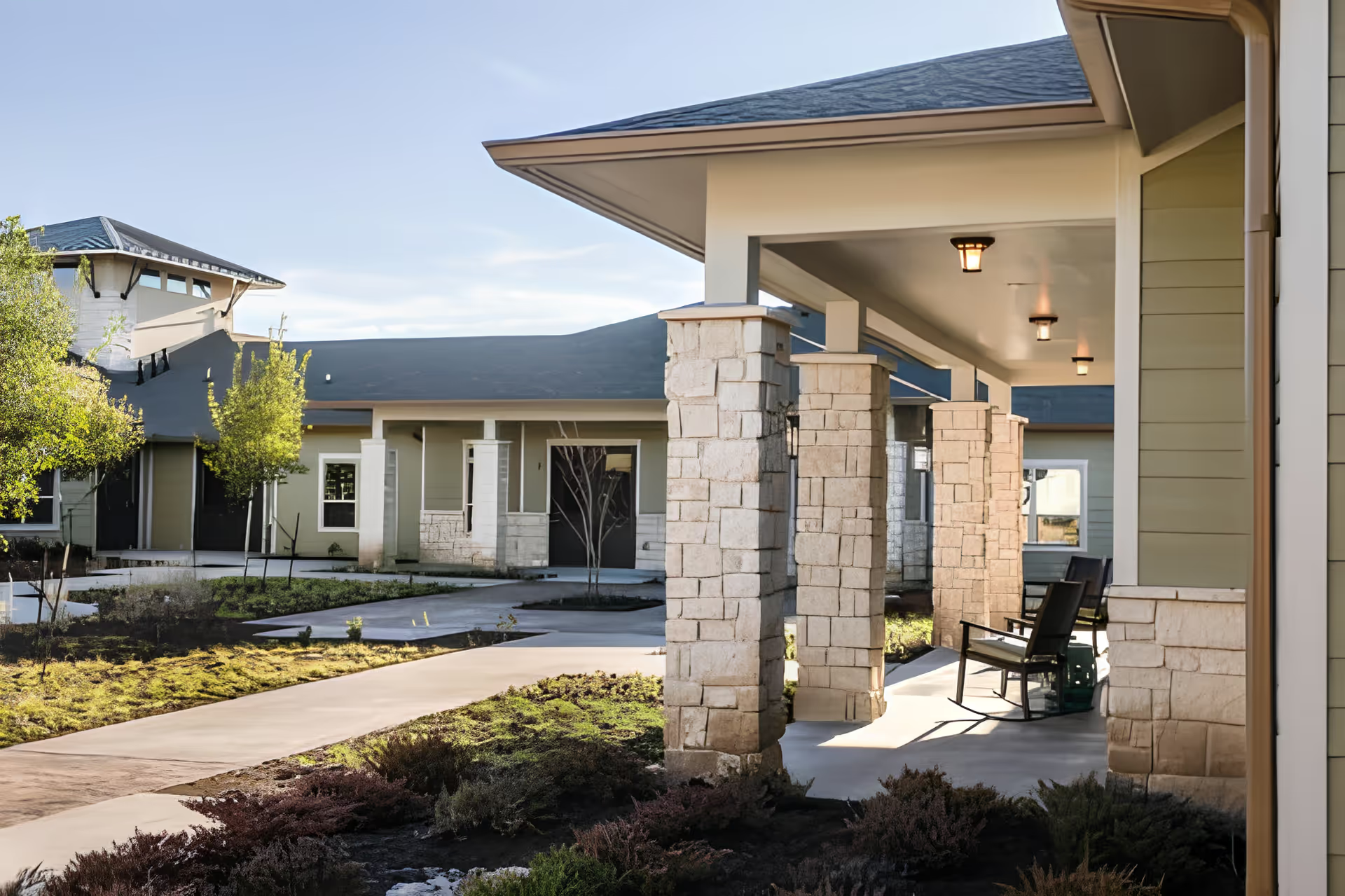
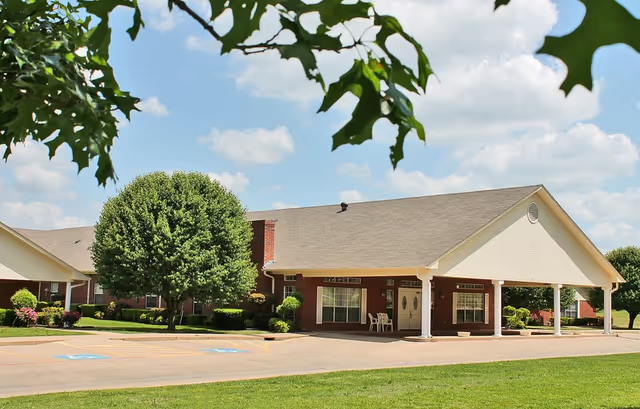
The Atrium of Bellmead elicits a strongly mixed set of impressions. Positive commentary emphasizes a modern, well‑maintained facility with attractive common areas and a bright courtyard, accompanied by a generally pleasant atmosphere. Multiple accounts highlight effective, goal‑oriented physical and occupational therapy, welcoming admissions and marketing interactions, and a business office that families find helpful. Dining and activities receive frequent praise: food quality is often described as good, and residents benefit from structured programming, games, Bible study and social opportunities that support engagement.
Care quality and direct caregiving are described in two tones. Many families and residents praise compassionate CNAs, attentive aides and nurses, and specific staff members who demonstrate empathy and clinical skill. Therapy teams and several clinical leaders are repeatedly commended for attentive rehabilitation and clinically appropriate pacing. However, a recurrent countervailing pattern describes inconsistent caregiving experiences: delays in responding to requests or call lights, missed medication administrations or documentation lapses, and intermittent lapses in bathing/incontinence support and basic room cleaning. These operational inconsistencies appear to be associated with variable staffing levels and turnover.
Staff behavior and communication are another dividing axis. Reviewers note examples of warm, family‑oriented interactions, calming routines and staff who go above and beyond. At the same time, there are recurring concerns about tone, dismissive responses, and inadequate family communication following clinical events. Families report difficulty obtaining timely updates, inconsistent follow‑through after incidents, and instances where personal‑effects management and incident resolution were unsatisfactory.
Facility-level strengths include an attractive, recently updated physical plant, visible therapy capabilities, and administrative areas (admissions, marketing, business office) that many families find accessible and helpful. Operational weaknesses center on staffing reliability, cross‑department communication, and practice consistency. Specific safety and process gaps appear in areas such as door security, bed‑rail and transfer procedures, and medication administration controls; these are operational traits rather than isolated perceptions and would merit targeted quality‑improvement attention.
For prospective residents and families: The Atrium may offer strong rehabilitation services, a pleasant physical environment, and several dedicated caregivers who provide high‑quality, person‑centered interactions. At the same time, families should assess current staffing patterns, inquire about private‑room availability and roommate policies, clarify communication and incident‑notification processes, and review medication‑management and safety protocols. Those steps will help balance the facility’s clear programmatic strengths against the operational variability described across experiences.