Overall impression: Reviews describe a facility with many strengths alongside specific operational inconsistencies. Positive comments emphasize a clean, up-to-date environment, warm communal life, and staff members who provide compassionate, skilled care. However, multiple comments point to variability in daily practice — particularly around staff responsiveness, property management, and infection-control procedures — that prospective families should evaluate during a visit.
Care and staff: The facility receives frequent praise for its nursing staff and CNAs, who are described as skilled, attentive and caring; rehabilitation and physical-therapy services are also highlighted as effective. At the same time, several accounts note variability in responsiveness and attentiveness, which appears to fluctuate by shift or individual caregiver. There are also isolated but important concerns about staff conduct and communication tone; these indicate a need to confirm how the facility trains and supervises staff behavior and how it manages complaints or performance issues.
Dining and activities: Dining is commonly cited as a strength. Reviewers mention home-style, well-liked meals and a friendly dining-room staff that contributes to a positive mealtime atmosphere. Engagement opportunities such as bingo, puzzles, holiday parties and other social events are noted as contributing to a family-like community feeling and resident satisfaction. Some comments, however, suggest occasional lapses in mealtime attentiveness that may affect resident experience.
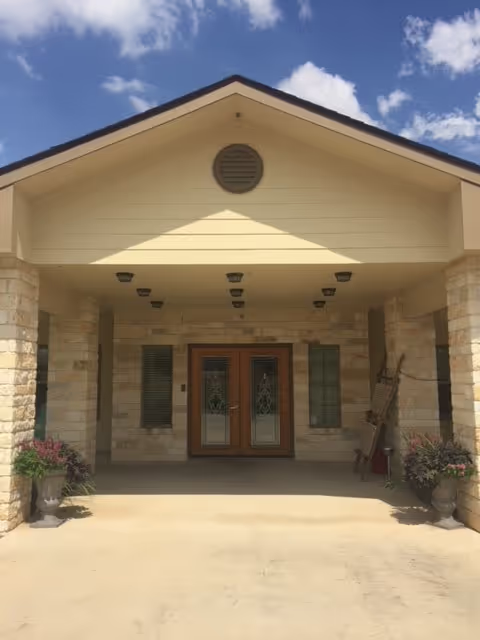
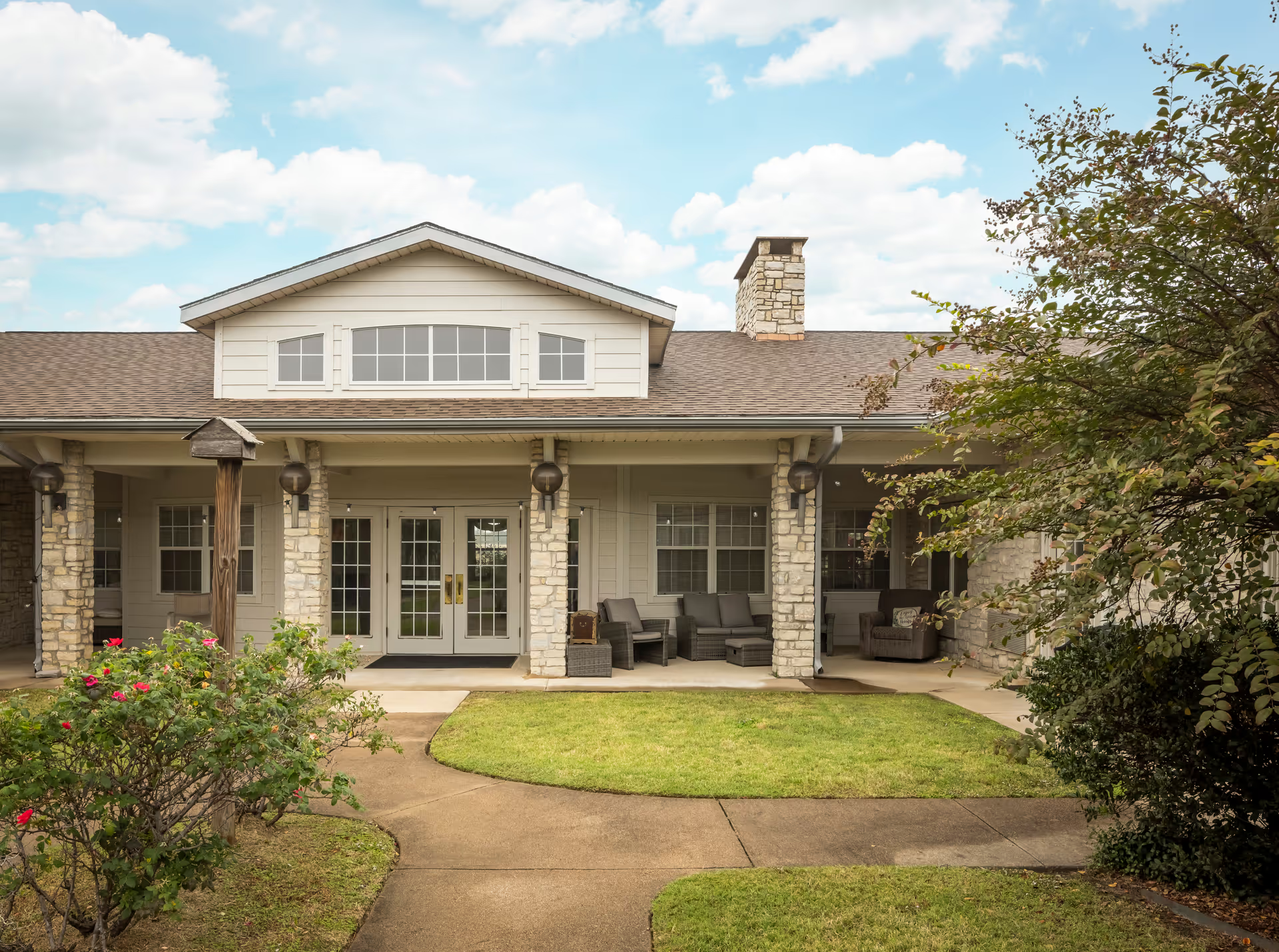
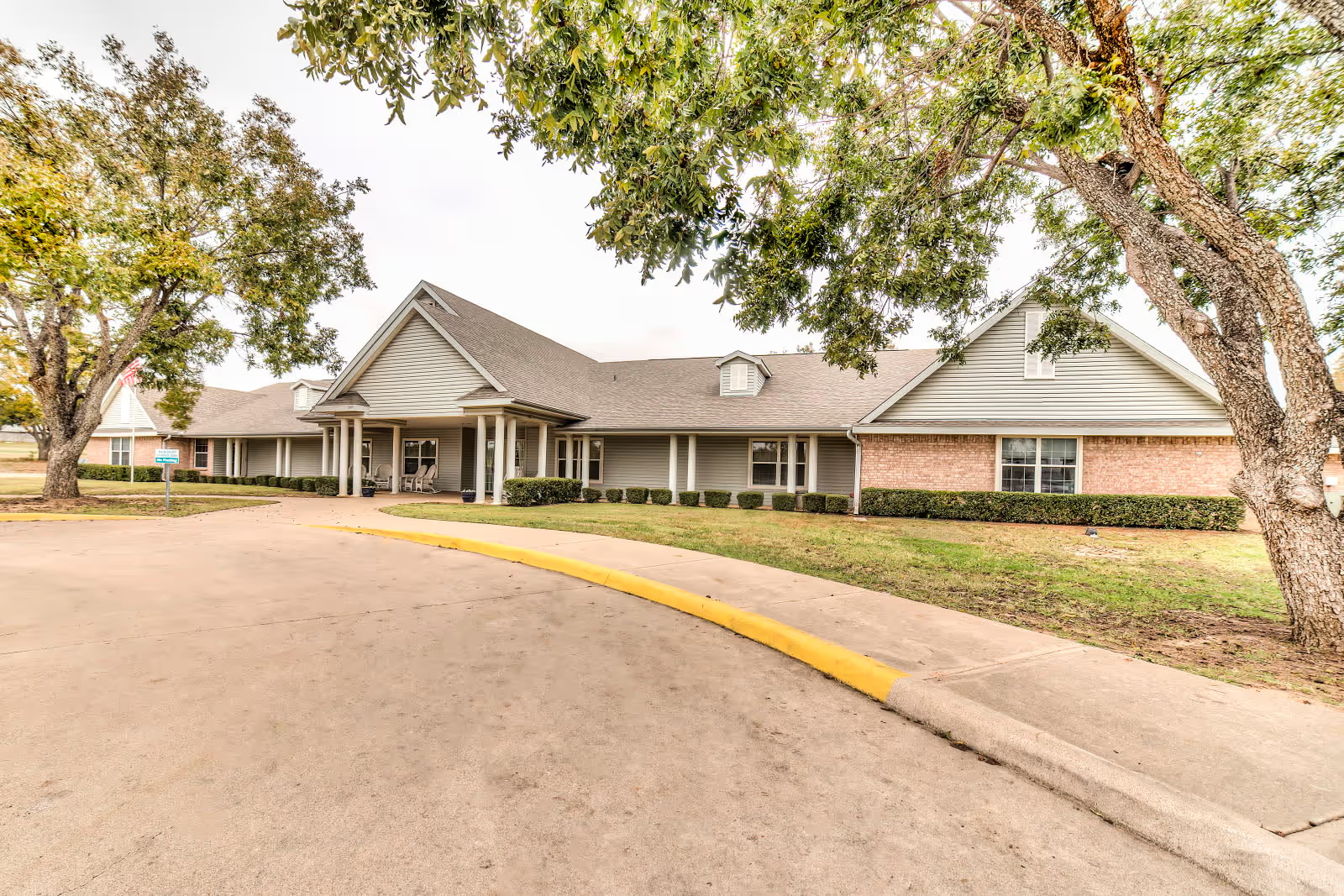
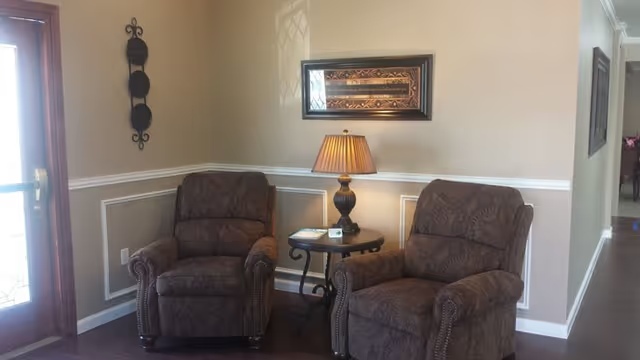
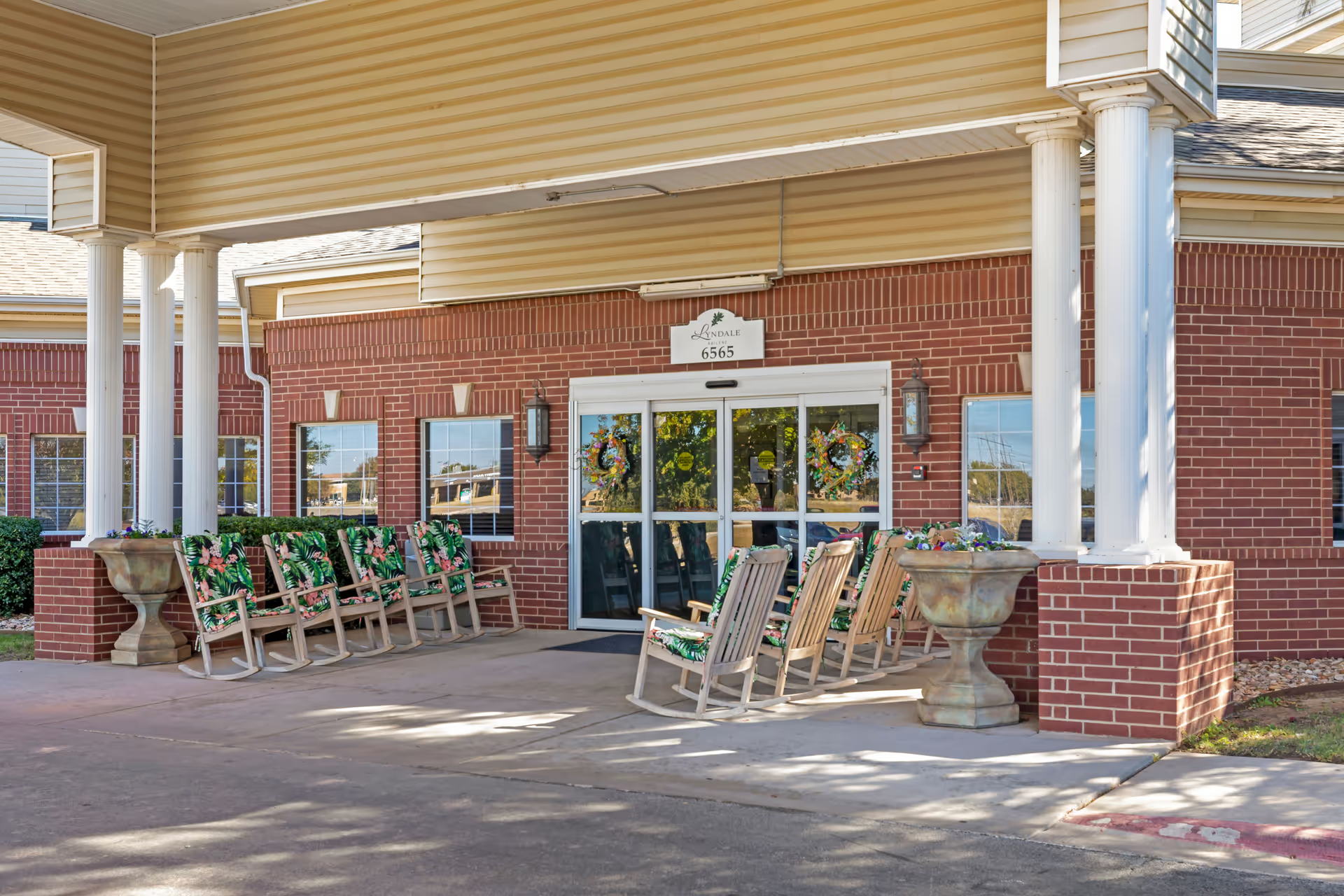
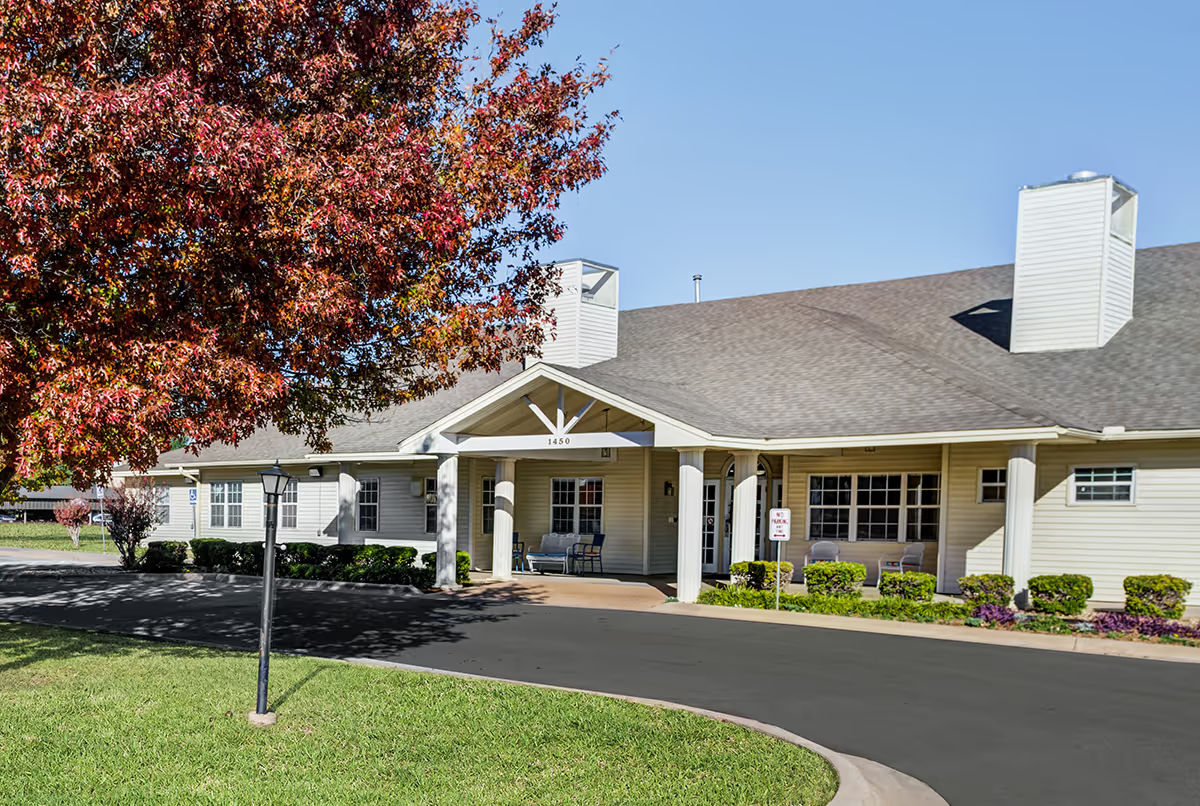
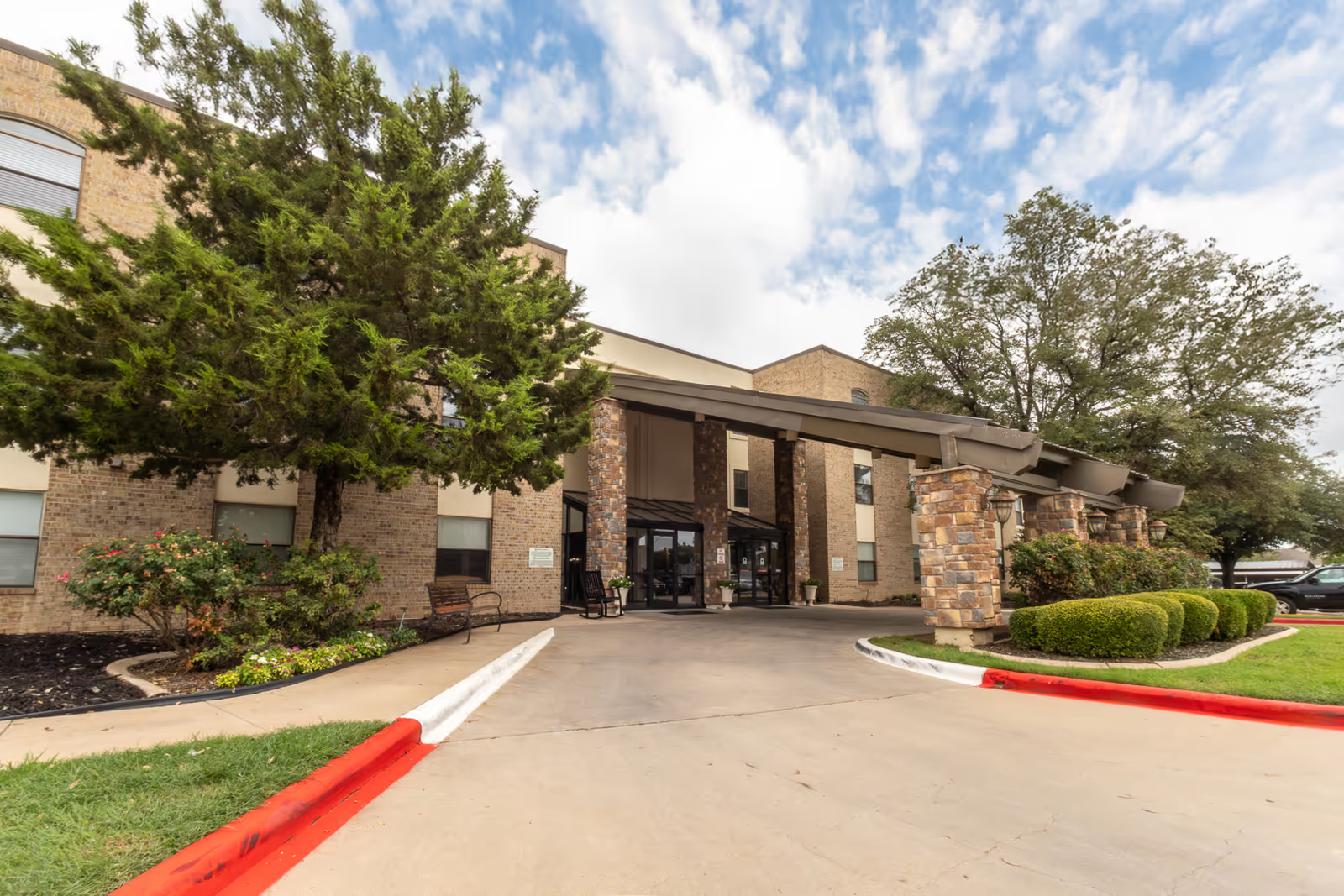
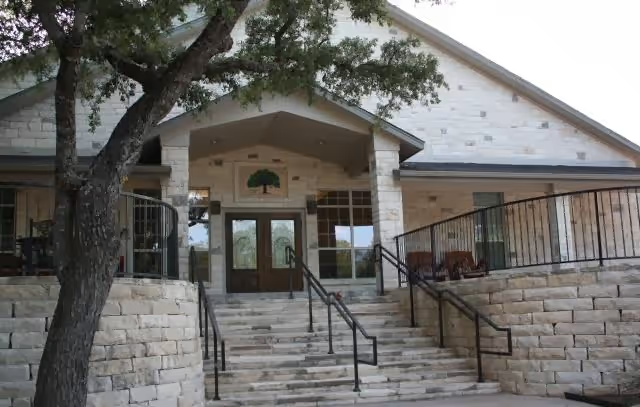
Facilities and operations: The building and common areas are repeatedly described as clean and well-maintained. Contrasting with those positives, there are recurrent operational concerns around personal-property handling and laundry processes, including missing clothing and related security worries. These point to gaps in inventory, labeling, or oversight procedures rather than a problem with the physical plant itself.
Management and communication: Several reviewers welcomed a new administrator and described proactive ideas for improvement. Still, communication weaknesses appear in a few areas: entrance and visitor messaging, enforcement and explanation of infection-control policies, and follow-up when families raise issues. In particular, inconsistent adherence to infection-control practices and mixed communication at the door were raised as family concerns, suggesting that policy clarity and staff compliance are areas for attention.
Notable patterns and recommendations: The strongest, most consistent positives are cleanliness, quality meals, effective therapy services, and many compassionate staff members who create a supportive community. The recurring negatives are variability — in staff responsiveness, conduct, infection-control adherence, and property handling — rather than a single pervasive failing. Prospective residents and their families should consider touring the facility, asking specific questions about staffing patterns by shift, property/laundry procedures, infection-control protocols, and how management documents and resolves conduct or service concerns. Doing so will help determine whether the facility’s strengths align with a particular resident’s needs and whether the noted inconsistencies are being actively addressed.