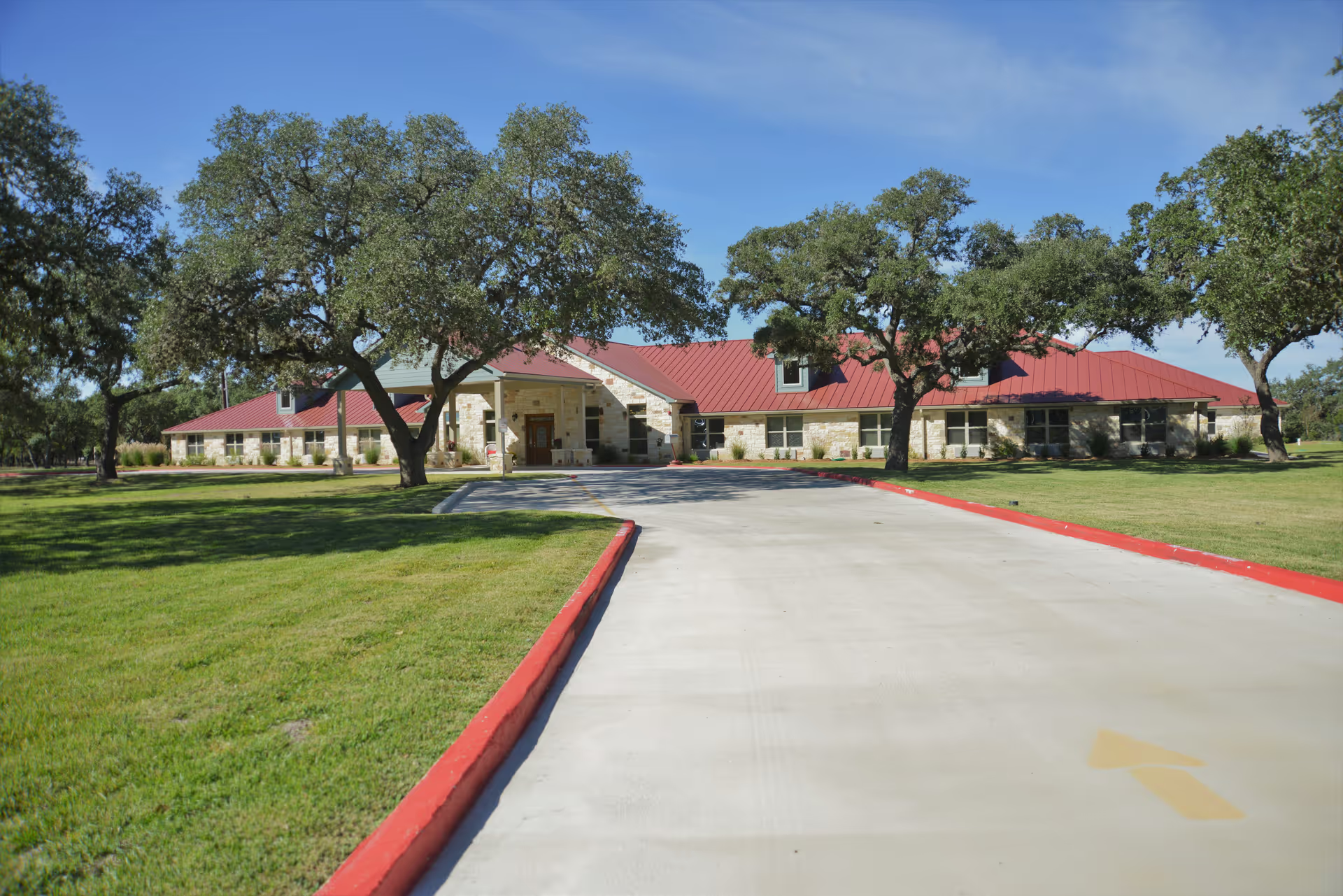
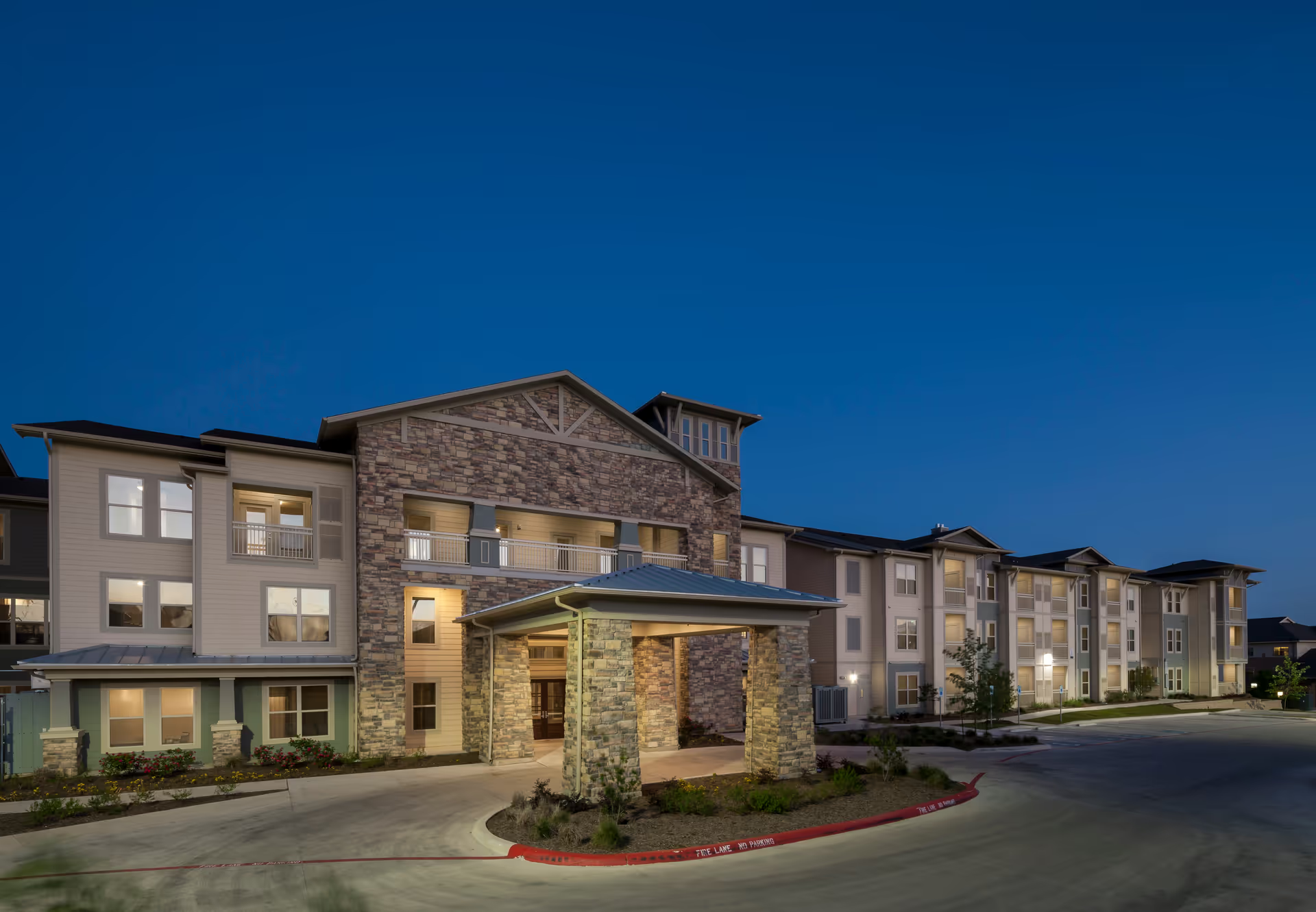
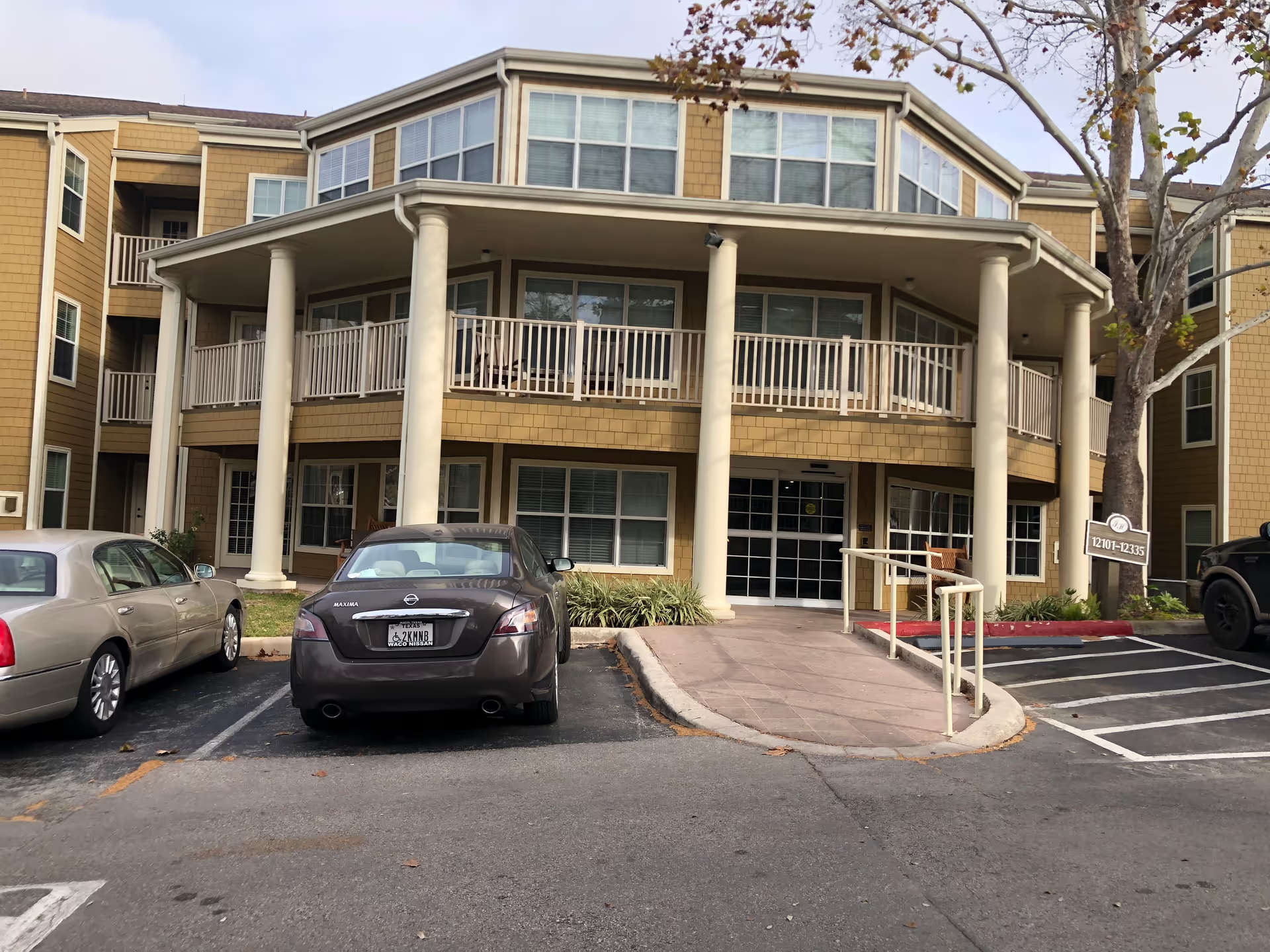
Overall impression Hill Country Care Home LLC is described by reviewers as a small, residential-style provider that emphasizes personalized, compassionate care in a homelike setting. Families consistently highlight attentive caregiving, frequent communication, and a strong sense that residents are treated like family. The physical environment is noted as clean, comfortable, and private, with individual rooms and en-suite bathrooms and scenic views that contribute to a peaceful atmosphere.
Care and staff The dominant theme across feedback is the quality of direct care and staff demeanor. Caregivers are frequently characterized as kind, patient, respectful, and proactive; several mentions single out staff members and coordinators for being welcoming and effective advocates. Reviewers describe smooth transitions into the home and relief for family members when clinical needs — including hospice and respite care — are being met. At the same time, one pattern that emerges is variability in how external hospice teams are coordinated: while some families experienced easy collaboration with hospice providers, at least one account described difficulties with external-team coordination, suggesting this is an area that can fluctuate depending on the external provider relationship.
Clinical capacity and services As a small, home-based setting, the facility appears to rely on skilled live-in caregivers and partnership with external clinical teams for higher-level medical oversight. That model yields strong personalized attention and dignity-focused end-of-life support, but it also implies more limited on-site clinical resources compared with larger facilities. Families seeking intensive, on-site medical therapies or frequent specialist interventions should confirm available services and hospice arrangements in advance.
Dining, activities, and daily life Reviewers note that meals are provided and that the residence is comfortable and family-friendly, but there is limited specific feedback about the variety of menus, therapeutic diets, or structured activity and therapy programs. The setting’s residential scale and peaceful neighborhood were repeatedly valued for quality of life, scenic views, and a sense of safety; however, prospective residents and families may want to ask management about scheduled social programming, rehabilitative therapy options, and details of meal planning to ensure those meet individual needs.
Management and notable patterns Management and coordinators receive positive mention for being welcoming, communicative, and for advocacy on behalf of residents. Cleanliness and maintenance are consistently praised. Two operational patterns stand out: the benefits and limits of a small-home model (highly personalized care and privacy, but constrained on-site clinical infrastructure), and dependence on external hospice or clinical providers, which can lead to variability in coordination. Families who prioritize individualized attention, a homelike environment, and dignity-centered hospice/respite care are likely to view the facility favorably; those needing extensive on-site clinical services or structured therapy schedules should verify those capabilities before admission.