Overall impression: Reviews of Whispering Springs Rehabilitation and Healthcare Center are predominantly positive, with frequent praise for the clinical staff, rehabilitation outcomes, and the facility’s community-oriented culture. Many families described compassionate, engaged nurses, therapists, CNAs and office staff who provided individualized therapy plans and clear communication. At the same time, a subset of accounts indicates operational inconsistencies—primarily around cleanliness, responsiveness and some aspects of room upkeep—that prospective families should evaluate during a visit.
Care quality and clinical services: The facility is frequently described as providing strong rehabilitative services. Reviewers highlight tailored therapy programs, skilled therapists, and measurable functional gains following stays. Nursing staff are commonly characterized as professional and attentive; families also appreciated coordinated end-of-life care and proactive medical attention when needed. These strengths suggest effective clinical programs and an emphasis on both physical recovery and resident dignity.
Staff, communication and management: A recurring positive theme is the interpersonal quality of staff—courteous, warm, and family-oriented interactions were emphasized across many accounts. Multiple reviewers noted responsive administration and availability to answer questions day or night, and clear family communication about care plans and progress. However, there is evidence of variability in staff responsiveness depending on shift or time of day. That pattern indicates that management communications and on-the-ground staffing levels may differ across units or shifts.
Activities, dining and resident life: The facility appears active and socially engaging. Reviewers mention organized events, group activities (for example, bingo and projects), communal dining areas, and staff involvement that contributes to a homelike atmosphere. These programs were credited with supporting resident morale and participation.
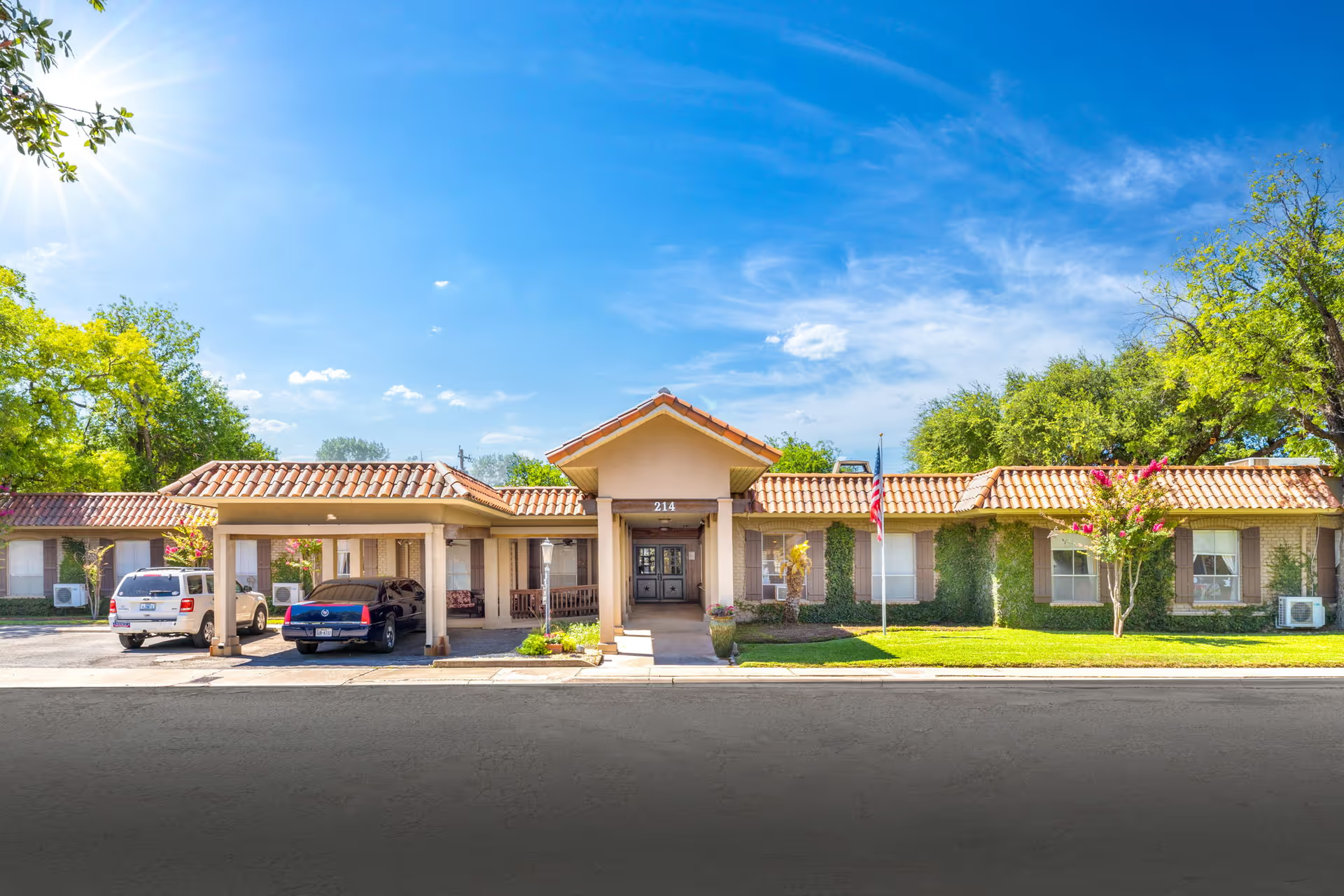
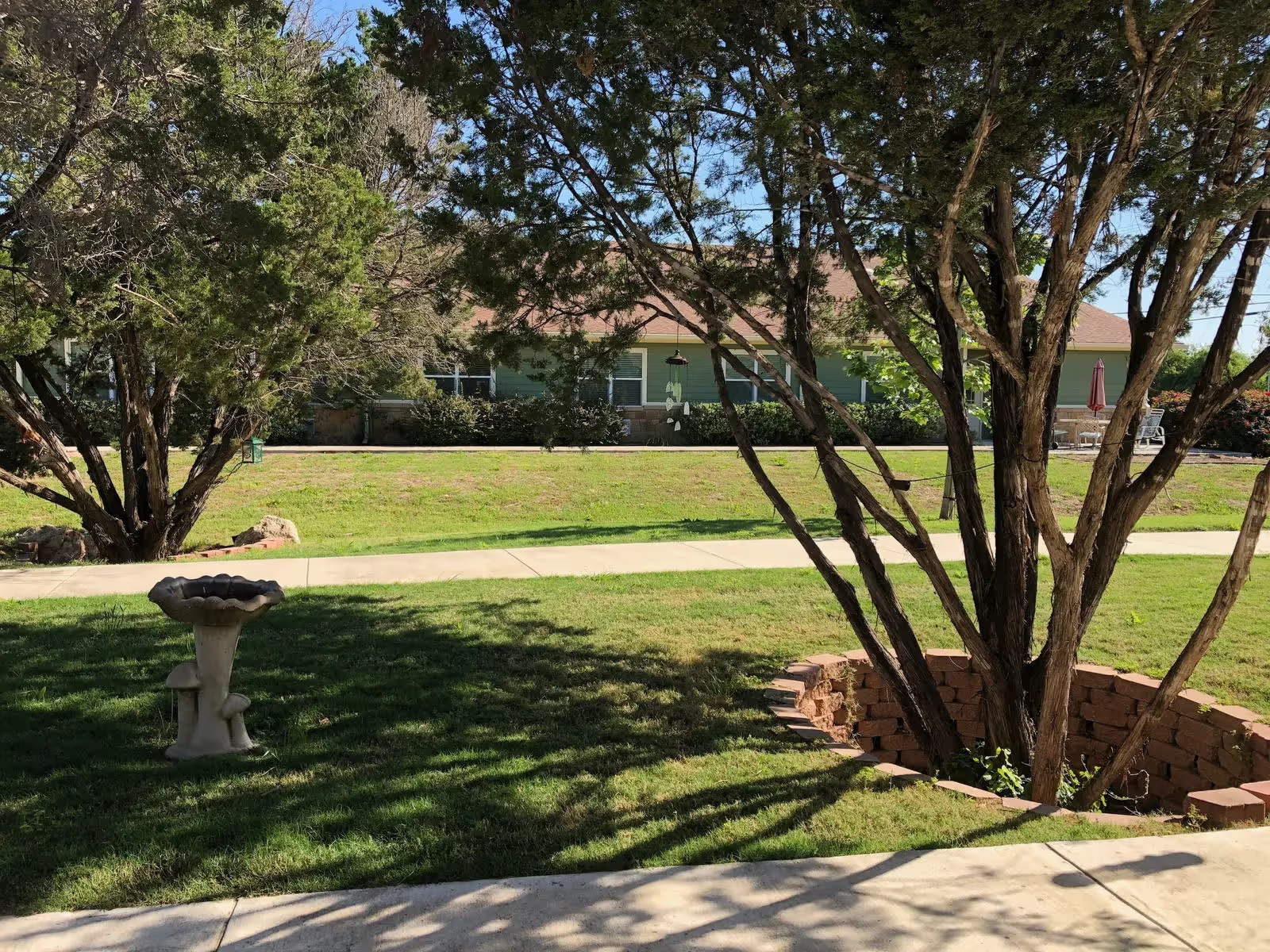
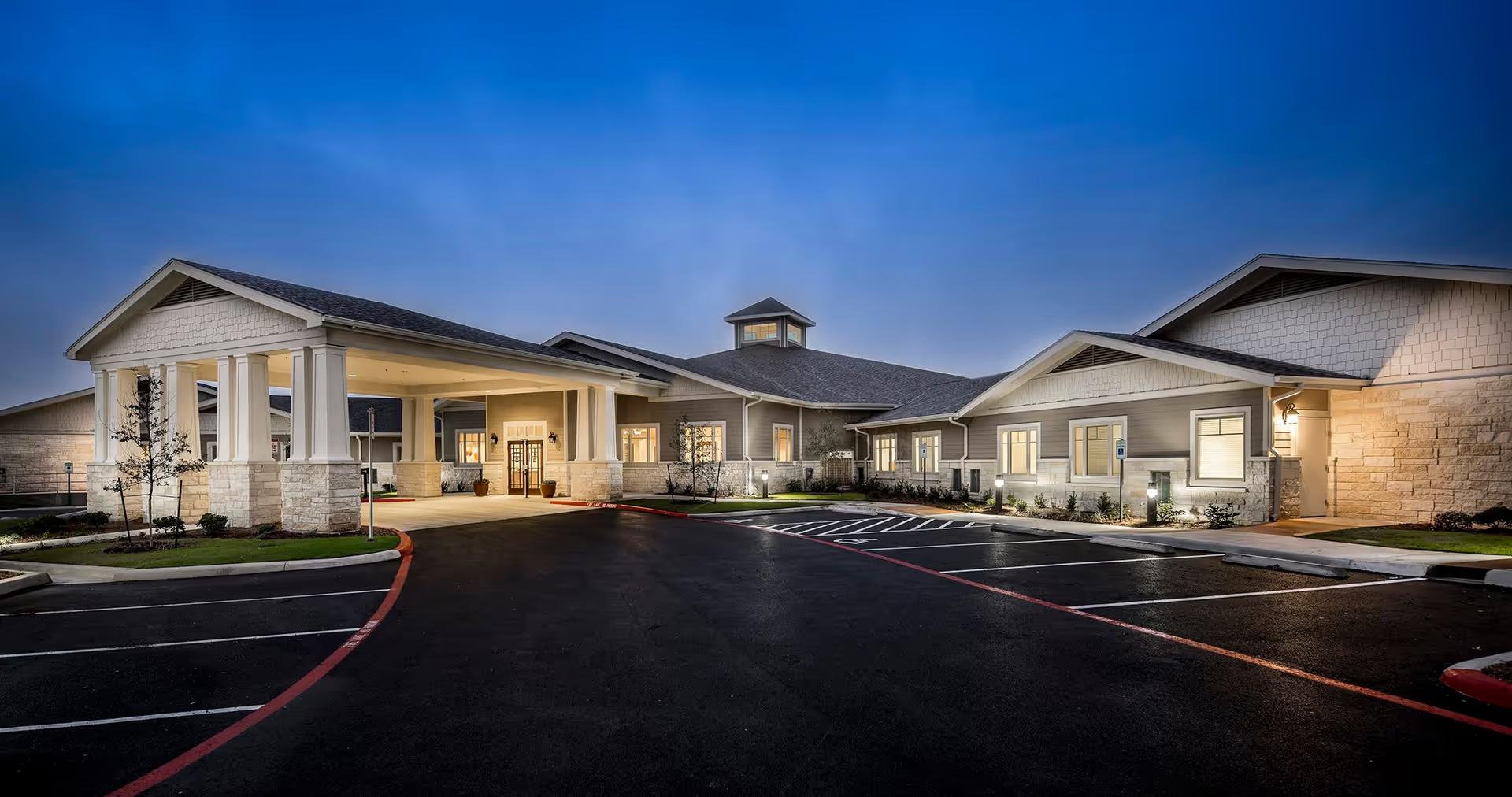
Facilities and maintenance: Many families described clean, comfortable common areas, attractive dining spaces and well-appointed rehab areas and rooms. Conversely, other accounts raised sanitation concerns, odor control issues in certain areas, and inconsistent room maintenance (including linen replacement and smaller bathrooms). These mixed observations point to variability in housekeeping and environmental services across the facility.
Notable patterns and recommendations: The dominant pattern is strong interpersonal care and effective rehabilitation, supported by a community-minded staff and active programming. Operational inconsistencies—particularly in cleanliness, timely staff responses, mobility-assistance practices, and room upkeep—appear episodically and may be linked to specific units or shifts rather than facility-wide policy. Prospective residents and families should plan a focused tour that includes observation of housekeeping routines, questions about staffing levels by shift, clarification of transfer/escort protocols, and a walkthrough of specific rooms and bathrooms. Those steps will help confirm whether the aspects most important to them (sanitation standards, responsiveness, and mobility assistance) are consistently met alongside the facility’s documented strengths in therapy and compassionate care.