Summary:
Care quality: The reviews reflect a wide range of experiences. Many families describe highly compassionate, attentive caregivers and good clinical support for routine and end-of-life situations; others describe minimal care, medication errors, and gaps in follow-through. There is a clear pattern of inconsistent care delivery: when experienced staff are present outcomes and satisfaction are high, whereas staffing shortfalls and turnover correlate with delays in assistance and concerns about medication-management controls.
Staff: Individual caregivers and activity staff receive frequent praise for warmth, professionalism, and going beyond expectations. Several reviewers named specific aides and nurses as strengths. At the same time, reviewers identify high turnover, understaffing, and slow response times as ongoing problems. These staffing patterns appear to drive much of the variability in day-to-day resident experience and family satisfaction.
Dining and nutrition: Many reviewers praised the culinary program, the chef, and particular meals (including homemade items and special desserts). Conversely, other accounts describe frozen or reheated meals, heavy reliance on starchy and sugary items, and inconsistent nutritional balance. Overall the dining program is a notable strength for some residents but appears inconsistent across time or units.
Activities and memory care: The facility offers a range of activities and several reviewers noted engaging programming, a proactive activity director, physical therapy, and social opportunities that helped residents settle in. However, there are also reports of limited memory-care engagement in some cases, suggesting variability in how activity programming is delivered to residents with higher needs.
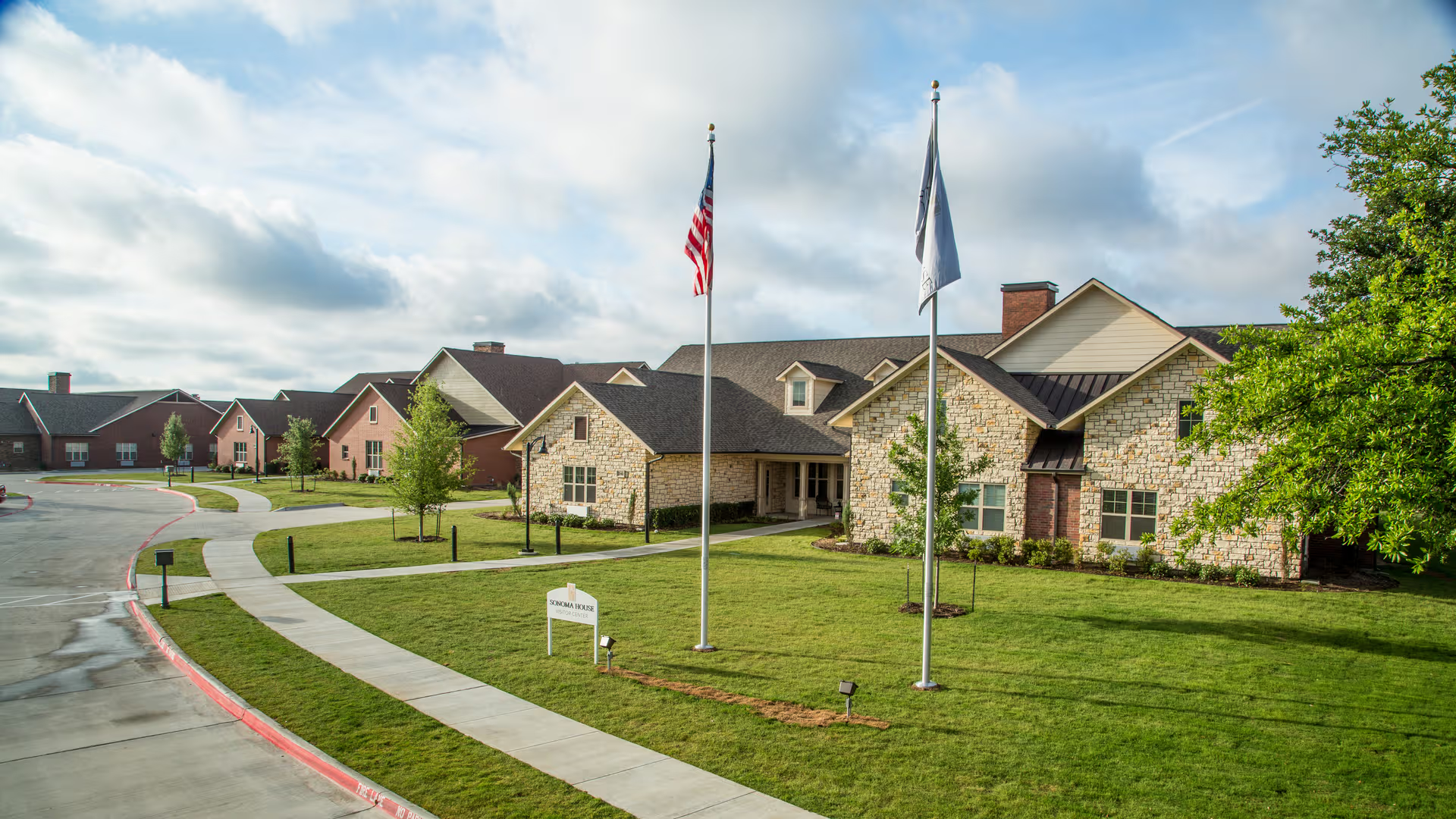
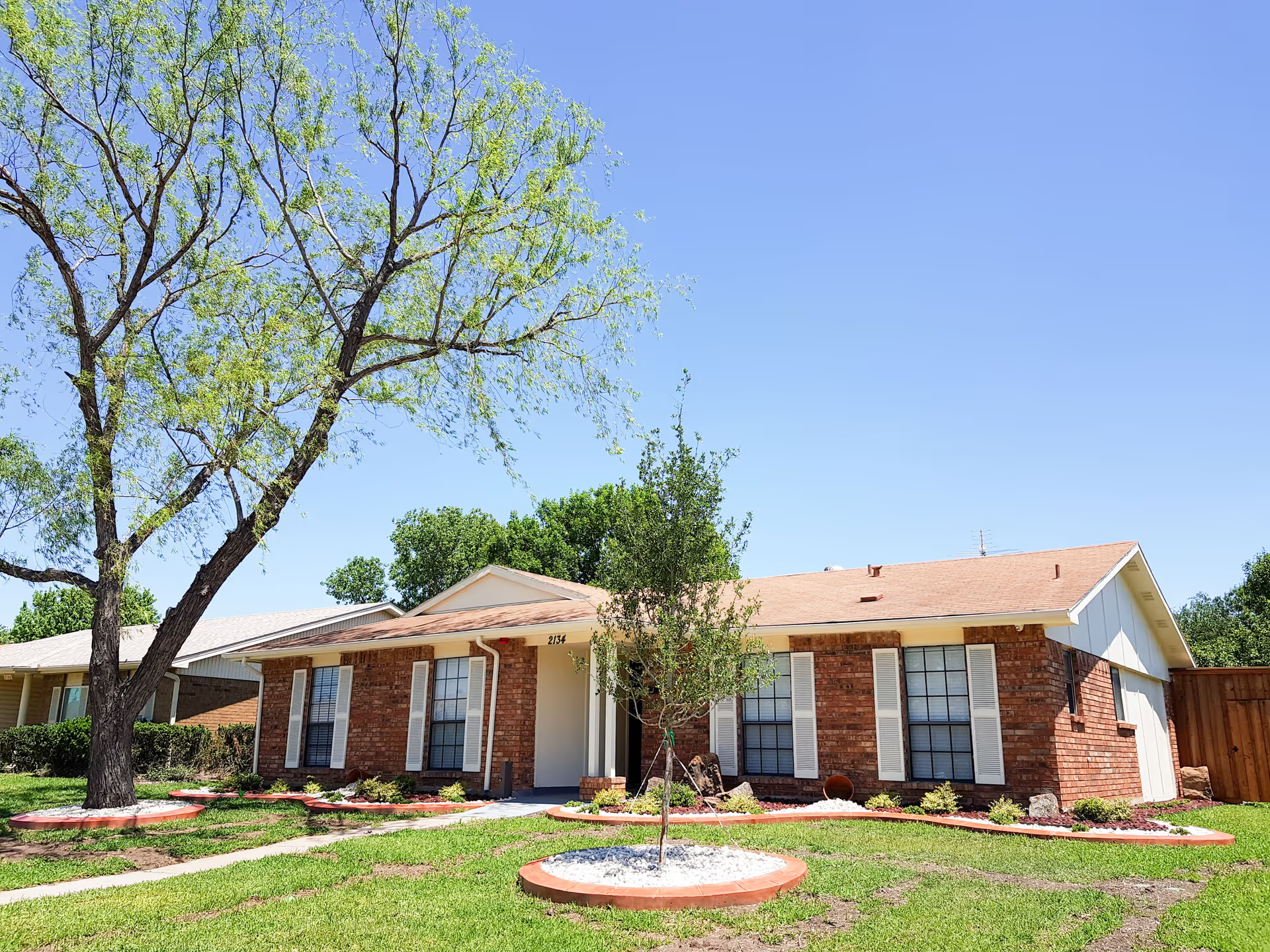
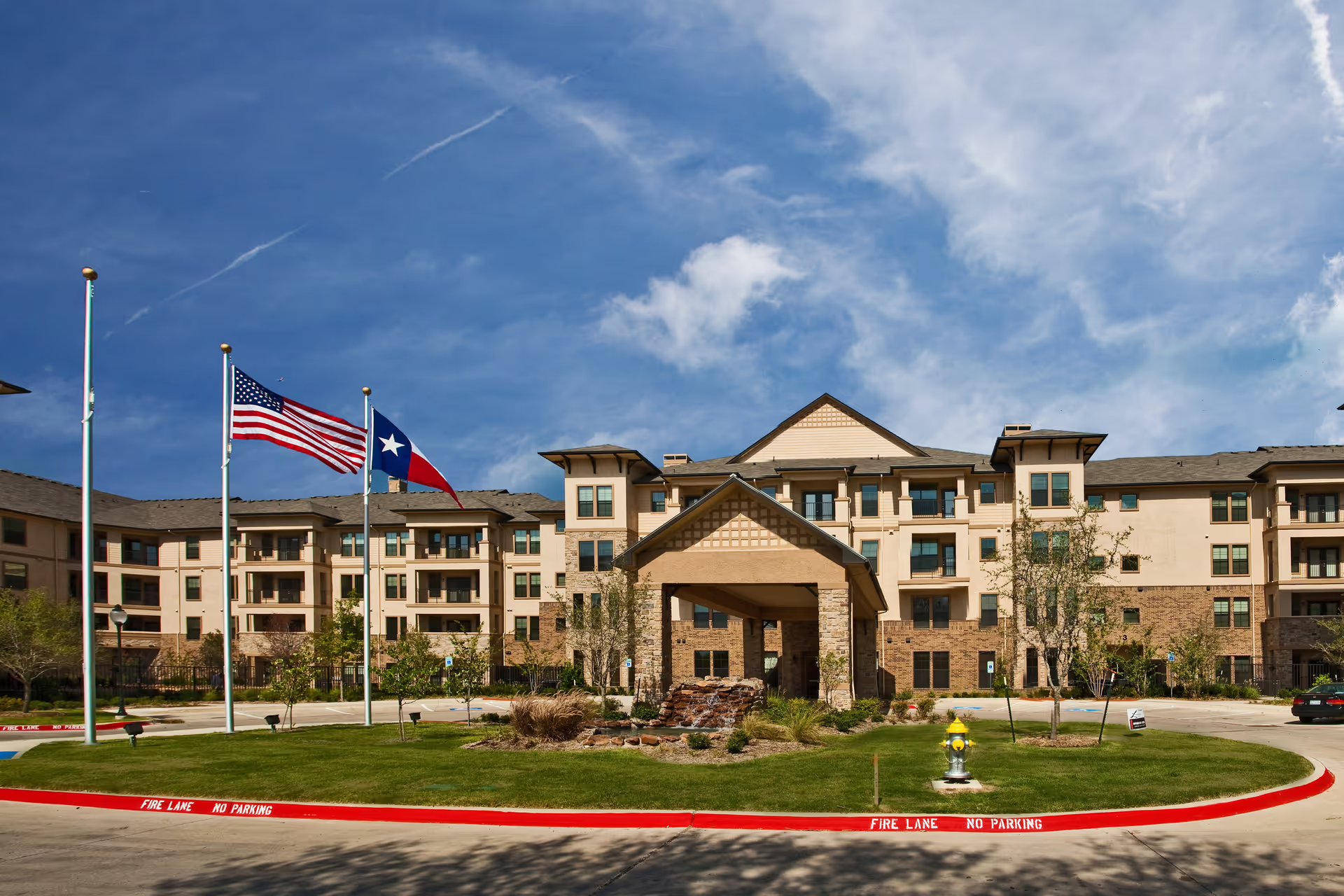
Facilities and housekeeping: Many describe comfortable, home-like apartments and a pleasant, well-maintained interior. Other comments note an older building in need of updates, courtyard damage after storms, and variability in housekeeping and laundry responsiveness. Importantly, there are documented pest-control concerns that some families say were not handled or disclosed to their satisfaction; this appears to be an area that warrants scrutiny.
Management and operations: Perceptions of leadership are mixed. Some reviewers praise on-site directors, new ownership initiatives, and proactive management changes; others describe weak leadership, poor communication with families, and prioritization of building expenditures over programmatic supports. Families also raised serious financial concerns, including allegations of theft and lapses in financial-controls, and cited inconsistent incident disclosure practices. These operational issues — especially around transparency, incident communication, and financial safeguards — are recurring themes.
Notable patterns and takeaway: The overall picture is polarized. Positive, stable experiences are strongly associated with committed caregivers, engaged activity staff, and active onsite management. Negative experiences tend to cluster around periods or units affected by staff shortages, leadership lapses, and operational weaknesses (medication controls, pest control, housekeeping, and financial safeguards). Prospective residents and families would be well served to ask targeted questions about current staffing levels, medication-administration procedures, pest-control history and remediation, housekeeping schedules, financial safeguards, and the presence of on-site clinical leadership (RN coverage). Doing so will help clarify whether the conditions that produced the more positive accounts are present at the time of a move.