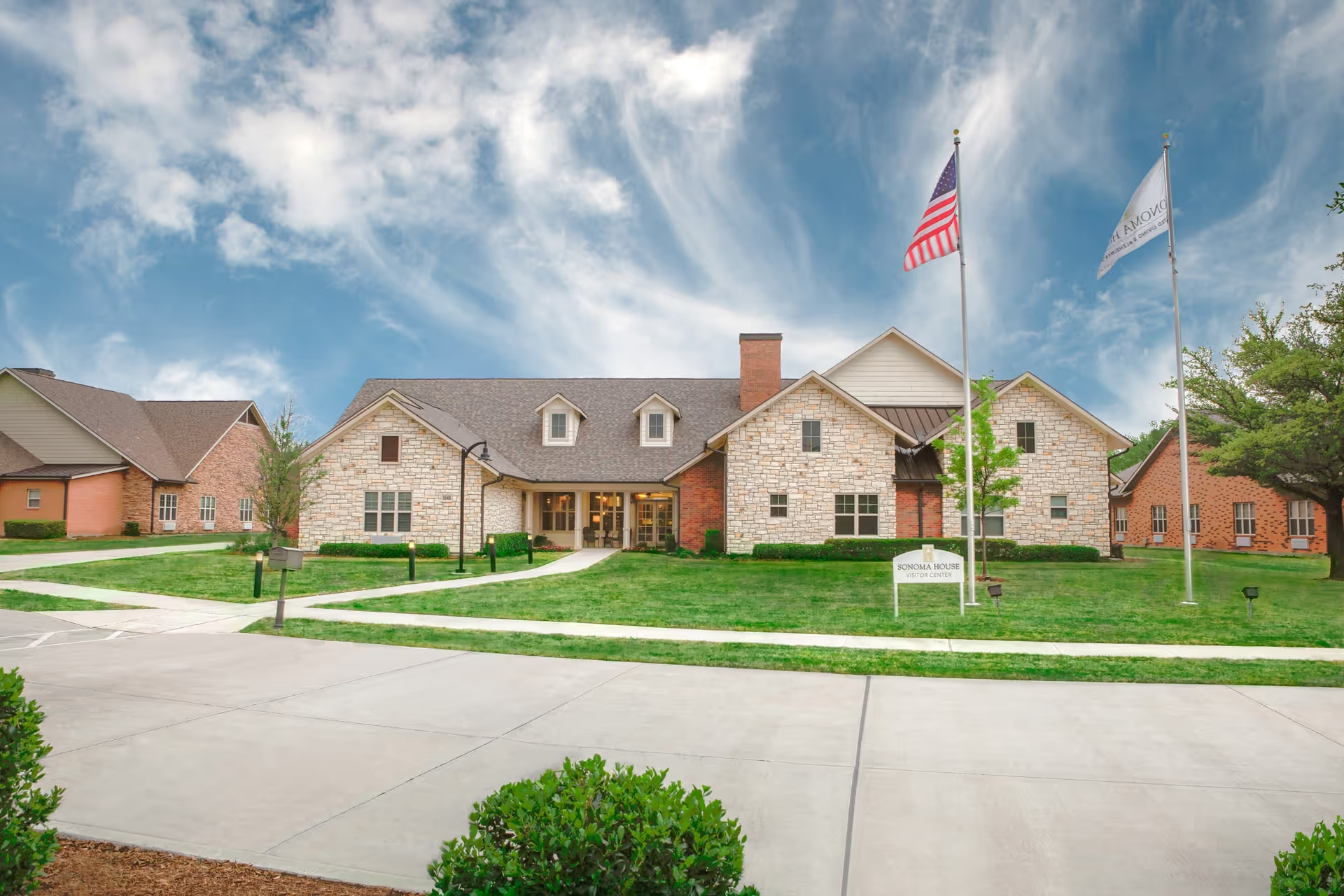
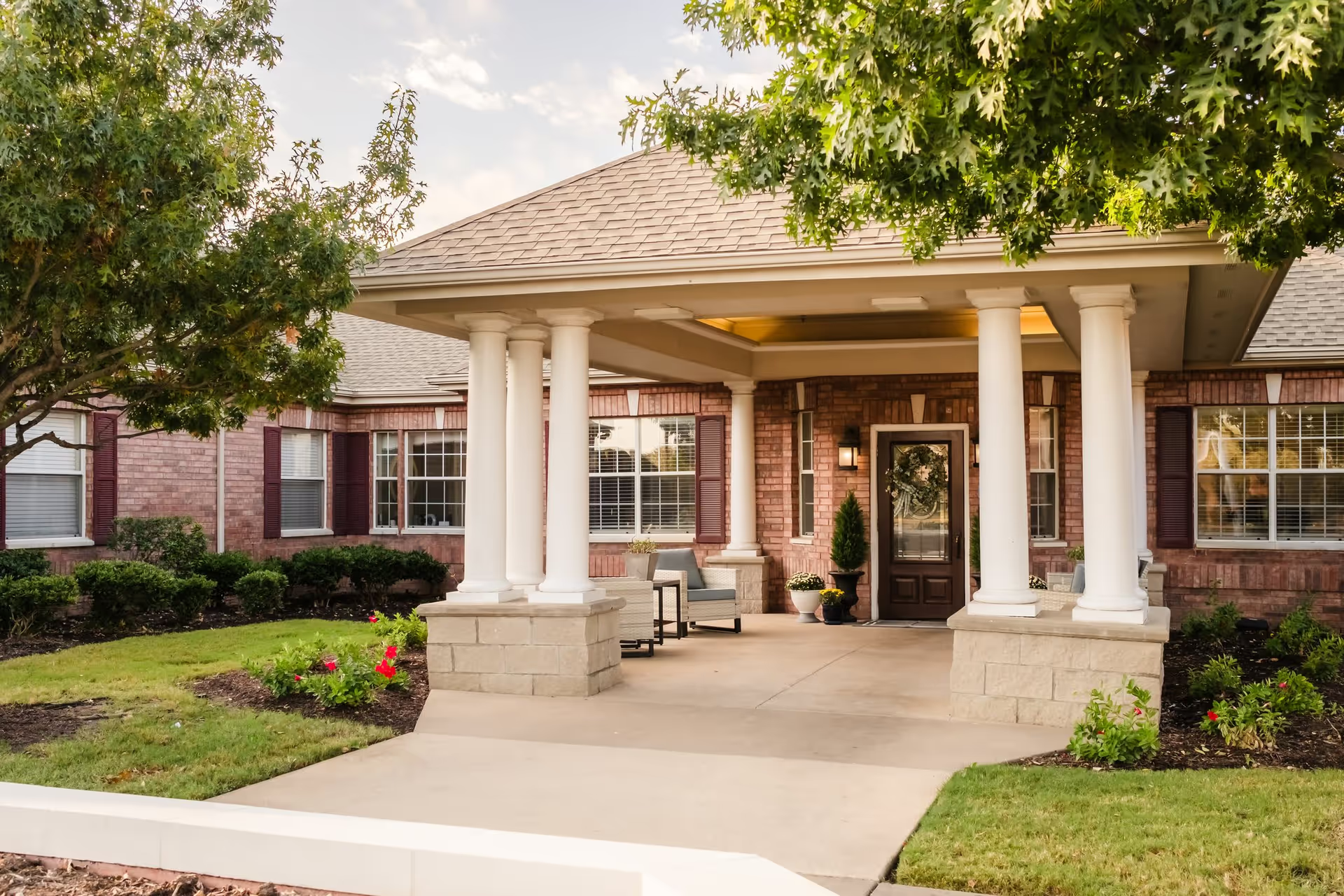
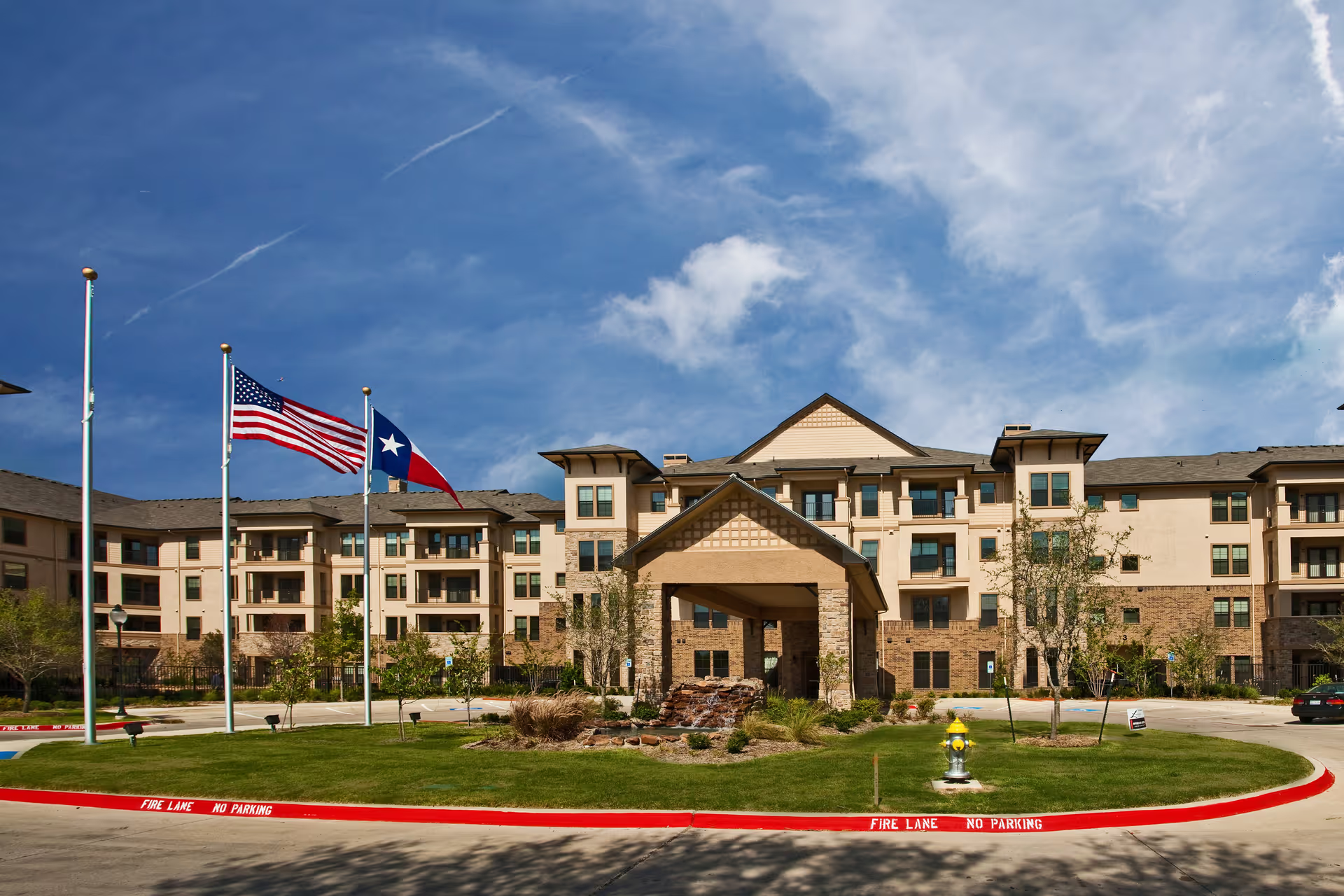
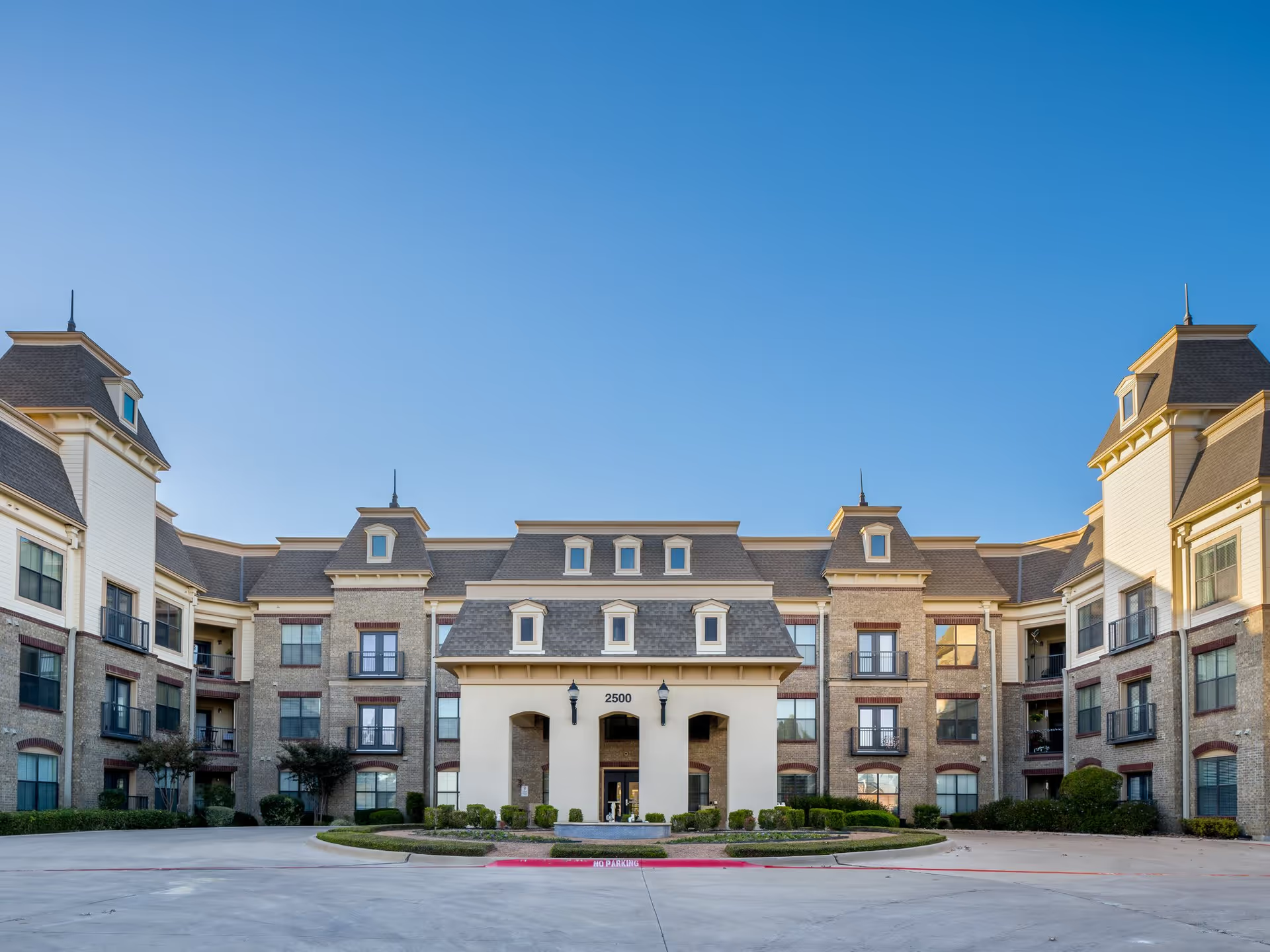
Overall impression: Feedback for Emerson at Rosemeade Park is mixed and appears polarized along two main themes. A sizable set of families and residents praise the community for its warm, familiar atmosphere, attentive frontline staff, robust activity schedule, pet-friendly amenities, and recent cosmetic upgrades. Conversely, a portion of reviewers describe operational and management concerns—particularly following ownership or leadership changes—that affect housekeeping, maintenance, communication, and clinical responsiveness.
Care and staff: Many comments highlight compassionate, familiar staff members, therapy resources, and an in-building home health option that support independent residents who need occasional clinical services. Staff who work on dining and activities are repeatedly described as engaged and kind. At the same time, reviewers raised concerns about clinical follow-through for higher-acuity needs: wound-care support, wandering-risk management, and the absence of an internal move-up care level (residents needing more supervision typically must arrange external home health). There are recurring complaints about delayed responses to emergency call buttons and slow attention when residents require assistance; these indicate an operational weakness in resident-assistance processes that prospective families should clarify during a tour.
Dining: Dining is a clear strength for many residents. Several families praised restaurant-style dining, the salad bar, menu choices, and specific kitchen staff members who are popular with residents. However, others described variability in meal quality, temperature, portion size, and consistency—ranging from high praise for the kitchen to accounts of cold, dry, or overcooked entrees. Meal scheduling changes and reduced meal options were also mentioned; prospective residents should ask about current menus, meal times, and quality-control procedures.
Activities and community life: The community offers a broad calendar—movie nights, bingo, outings, arts and crafts, happy hours, and regular transportation to shopping—resulting in an active social environment for many residents. The pet-friendly courtyard and dog amenities are appreciated. A few residents found programming repetitive or less engaging for particular interests; activity-level fit will depend on individual needs and preferences.
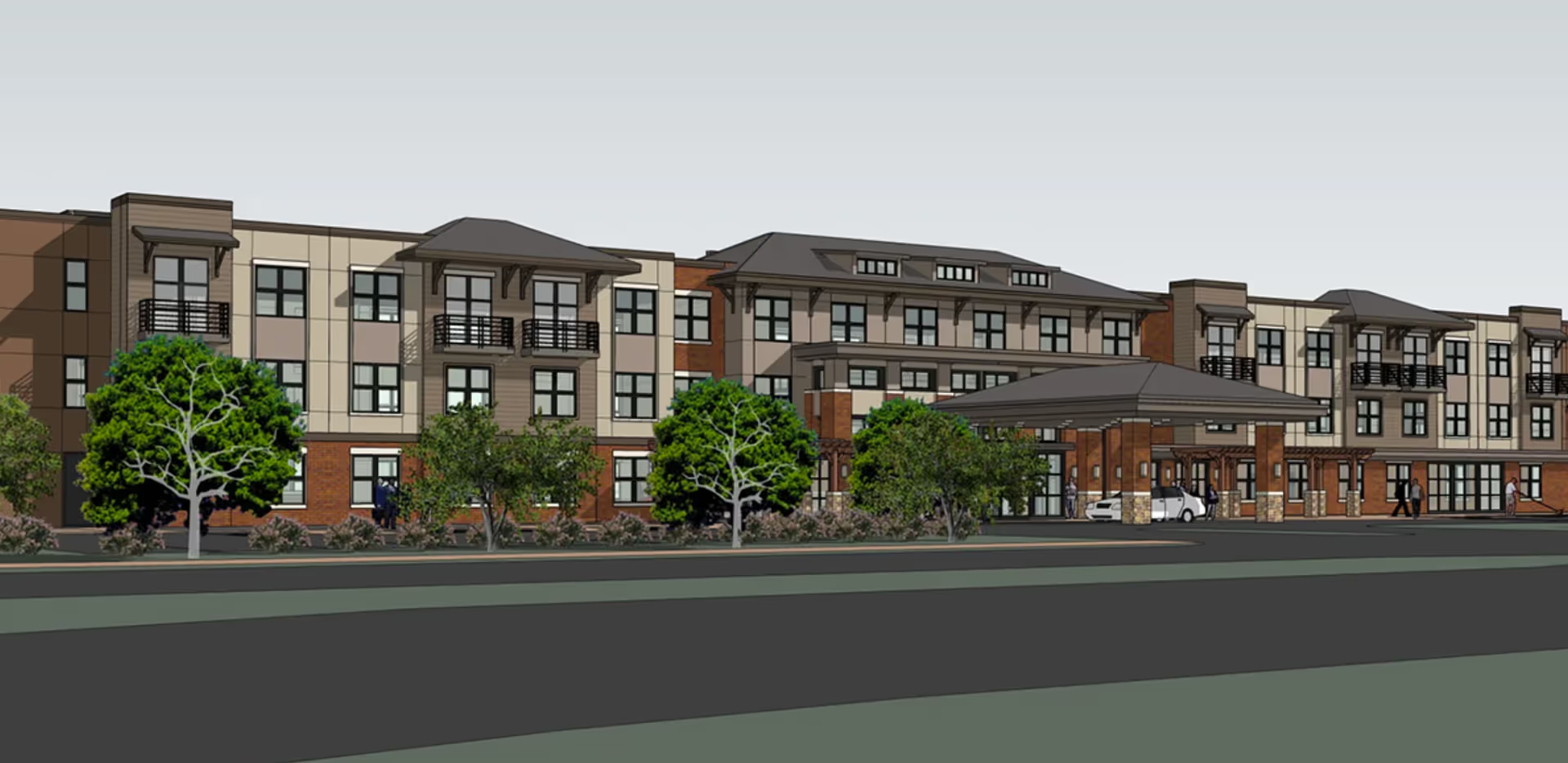
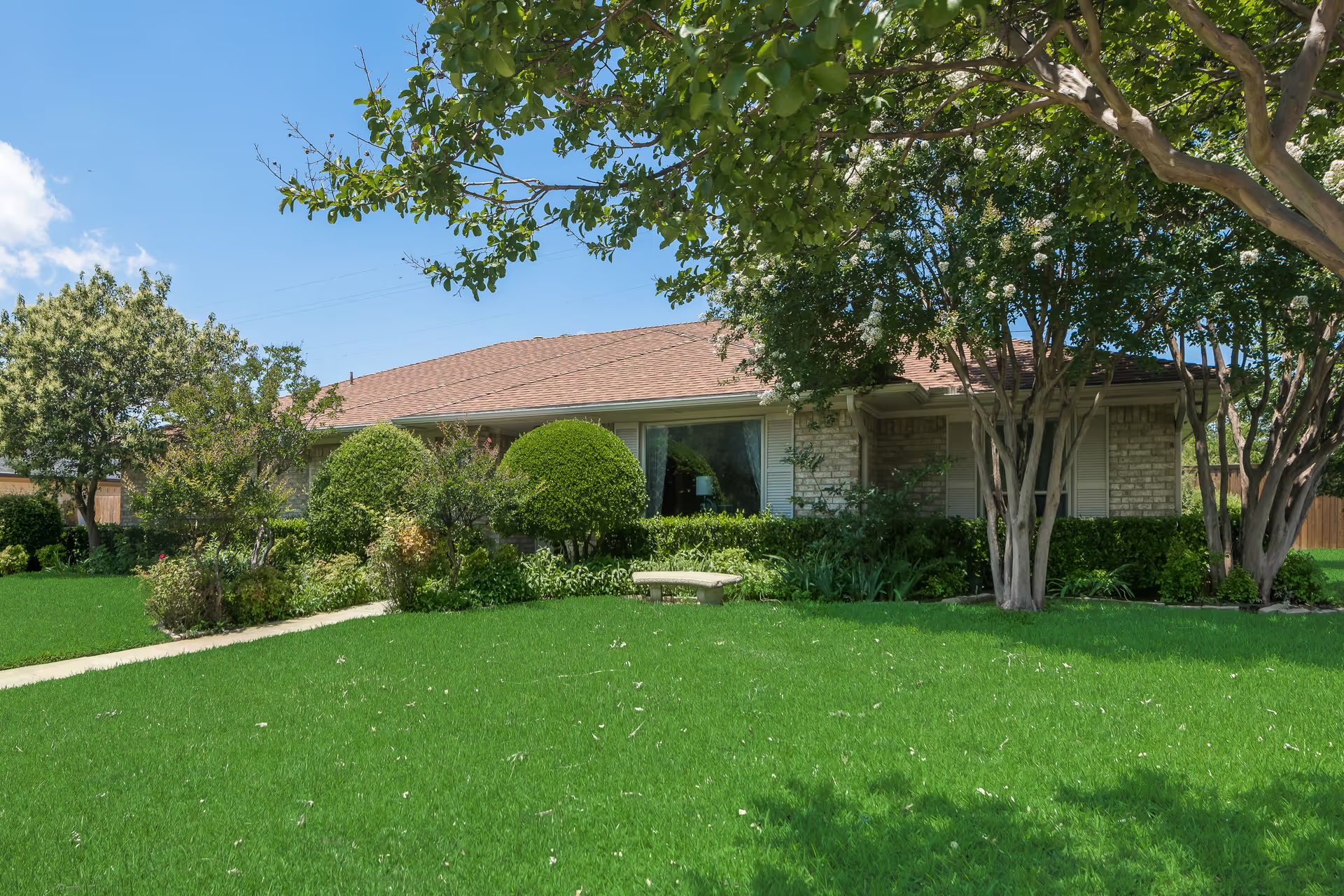
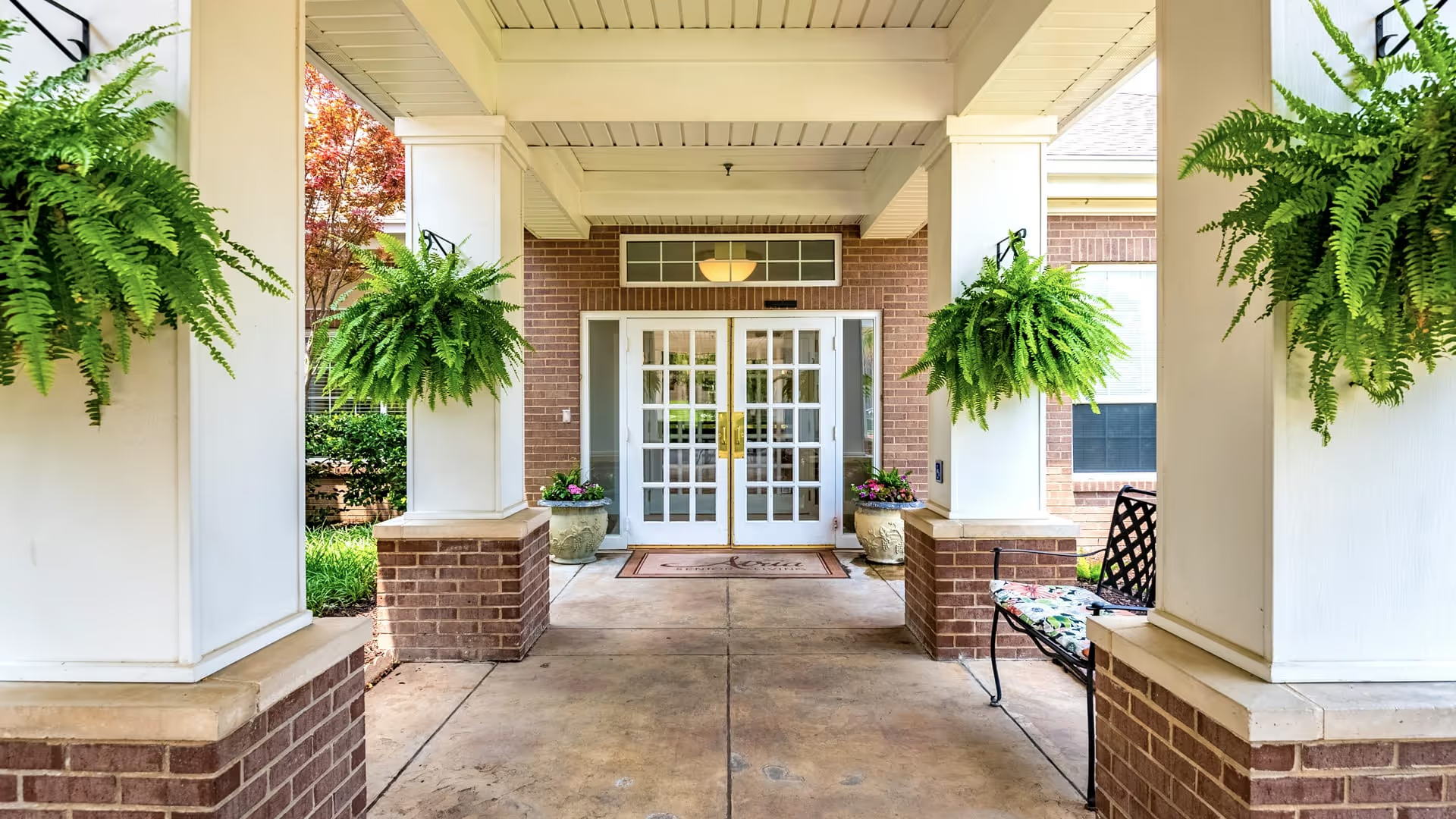
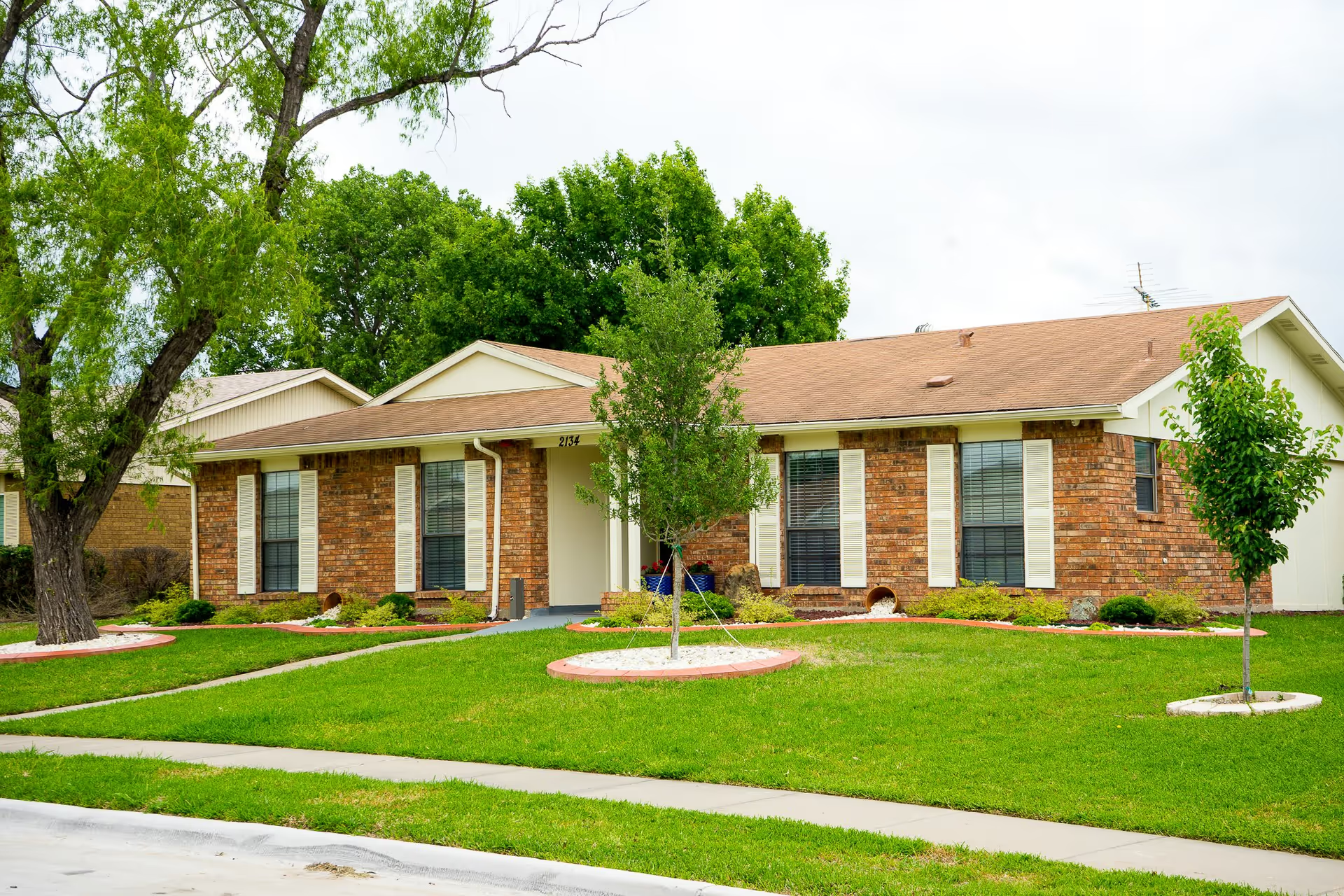
Facilities and maintenance: Renovations and attractive common areas are often cited positively, and apartments include practical in-unit features such as refrigerators and microwaves. Accessibility features and wheelchair-friendly layouts are available. Counterbalancing this, there are repeated operational concerns: deferred or slow maintenance, recurring laundry and cable service failures, intermittent HVAC and corridor-air issues, and uneven cleanliness in private rooms versus common areas. Pest-control concerns and a housekeeping policy that limits routine dusting unless requested were noted; these items suggest variability in environmental-management practices.
Management and communication: Management impressions vary widely. Some reviewers name specific managers positively and describe strong leadership, clear infection-control practices, and rapid problem resolution. Others describe turnover, inconsistent leadership since ownership changes, unfriendly communication tone from management, and limited proactive family outreach. Front-desk staffing and communication availability were cited as inconsistent; families should confirm current leadership stability, communication protocols, and emergency response procedures when evaluating the community.
Notable patterns and practical guidance: The strongest consistent positives are staff warmth (particularly dining and activities teams), an active social program, pet-friendly outdoor space, and recent facility updates. The primary operational concerns cluster around housekeeping consistency, maintenance and building-systems reliability, variability in food quality/temperature control, emergency-call responsiveness, and limits on higher-acuity care within an independent-living model. Prospective residents and families should tour during a meal and an activity, ask about current housekeeping schedules and pest-control practices, request documentation on emergency response protocols and staffing ratios, confirm the availability and scope of on-site clinical services, and inquire about recent management changes and any corrective action plans. A trial stay or short respite visit—if available—can help assess daily service consistency before a long-term commitment.