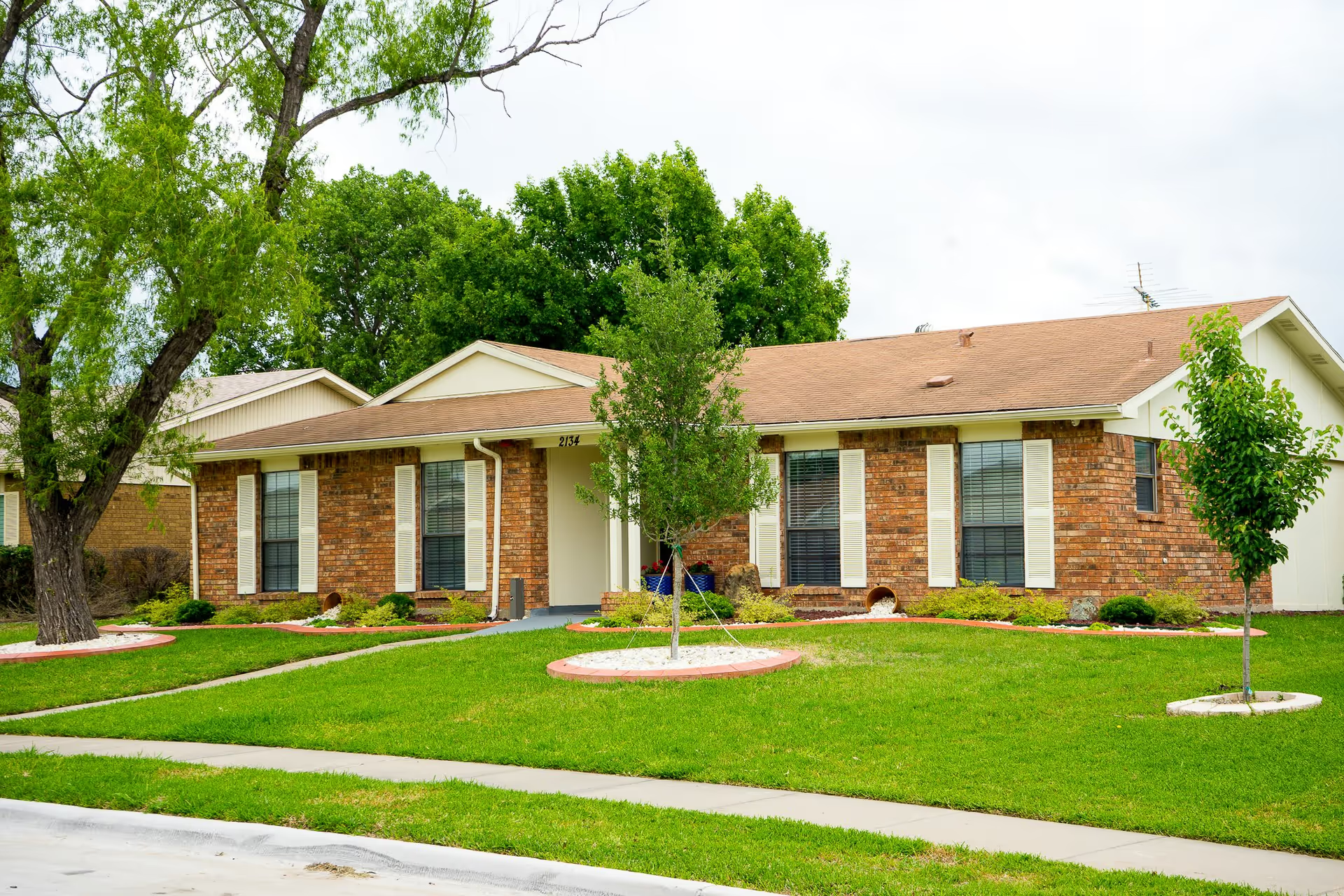
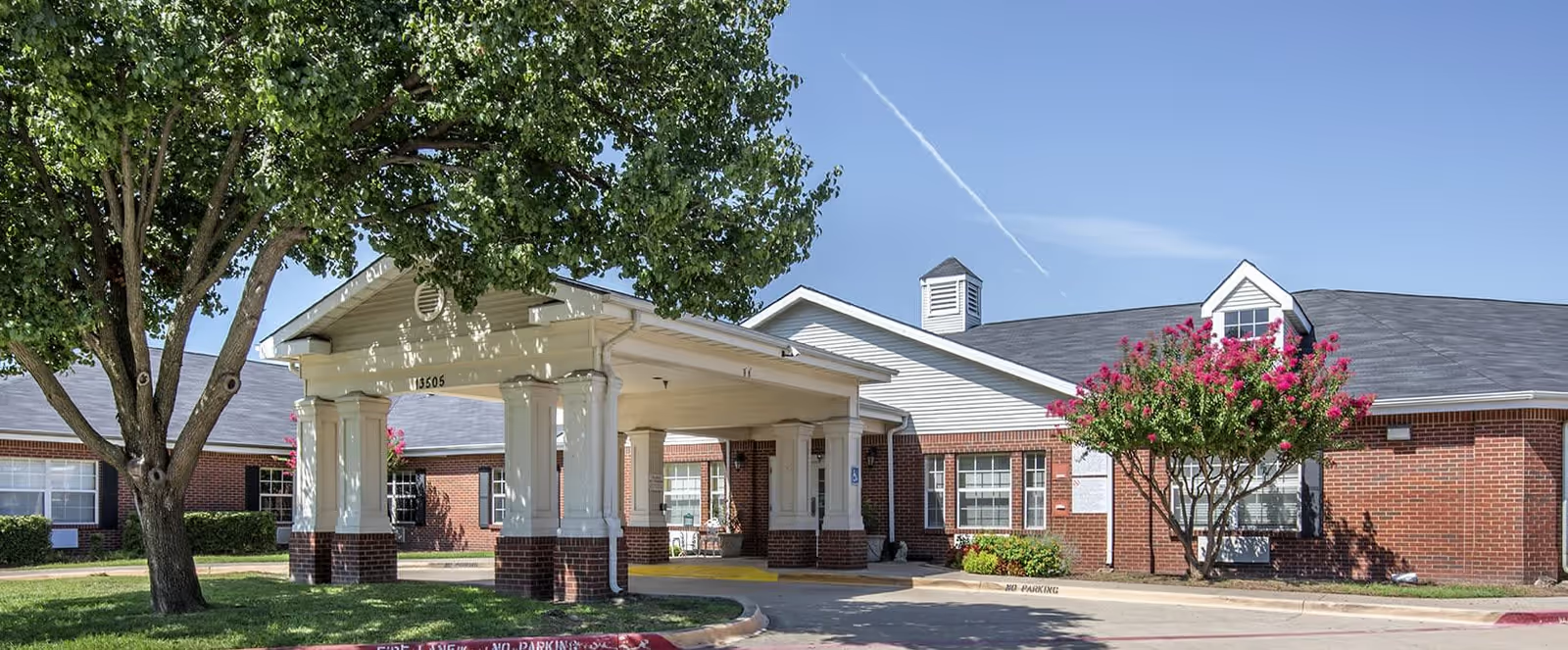
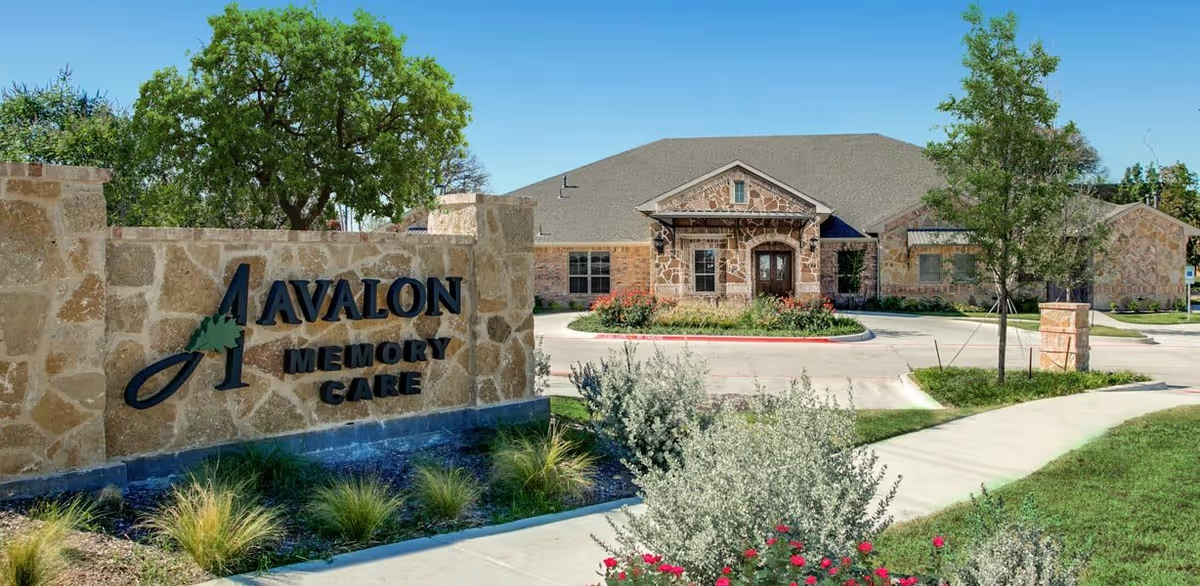
Overall impression Oxford Glen Memory Care at Carrollton is described primarily as a small, home-oriented memory-care community with a strong emphasis on compassionate caregiving and visible leadership. Many families highlight the facility's house-based layout, horseshoe design, and secure access, which together support easy navigation for residents and a sense of safety. The community projects a family-friendly atmosphere and a personalized approach to memory care, with frequent mentions of assigned attendants, a primary nurse structure, and staff who know resident preferences.
Care and staff Care quality is a prominent strength: reviewers consistently cite compassionate, experienced caregivers, strong training, and an engaged activity and nursing team. Leadership is frequently described as present and authoritative, and families report clear points of contact such as care managers and an executive director. Continuity of caregivers and personalized attention are recurring positives that families value. However, there are recurring operational concerns about staffing consistency. Reviewers reference periods of skeleton crews, uneven skill levels among some staff, and instances of staff distraction or delays in attending to residents. These items suggest variability in day‑to‑day responsiveness and the need to confirm staffing ratios and training practices during tours.
Dining and activities Dining receives mixed but generally favorable commentary: many families praise meal quality and attentive kitchen staff, while other accounts note variability in food satisfaction. The activities program is frequently highlighted as purposeful and engaging — activity staff are noted for creating meaningful events and encouraging movement. That said, activity engagement can vary depending on a resident’s cognitive stage; some families noted that residents who are earlier in the disease process were less engaged by the existing programming. Prospective families should review activity schedules and observe sessions to confirm an appropriate match for their relative’s level and interests.
Facilities and maintenance The facility’s physical design and cleanliness are often cited as strengths: reviewers mention welcoming common areas, comfortable living quarters, and outdoor spaces. The secure key-code entry and technology integration for family updates are additional positives. Counterbalancing this, there are repeated maintenance and upkeep gaps referenced across reviews — examples include broken fixtures, dust in vents, and water-pressure/temperature issues in showers. Room size and storage are practical considerations: several reviewers described bedrooms as compact with limited built-in closet space, which may necessitate additional furniture that reduces living space.
Management, communication, and notable patterns Management and leadership receive largely favorable remarks for visibility, responsiveness, and building a particular culture of care; many families praise daily communication through an app with photos and updates. At the same time, there are concerns about admissions transparency and perceived sales-driven interactions in some accounts. Property management is another area of concern: there are references to missing personal items and inconsistent room access controls, which point to gaps in personal‑property safeguards and inventory practices. Cost is flagged relative to perceived value by some families, and pet-policy practices appear inconsistent across accounts.
Summary assessment and guidance for families In sum, Oxford Glen Memory Care at Carrollton presents a strong, relationship-driven memory-care model with experienced leadership, a focused activities program, and a home-like layout that many families find reassuring. The primary operational weaknesses to investigate further are staffing consistency, facilities maintenance protocols, personal‑property safeguards, room size/storage limitations, and clarity around admissions and pet policies. Prospective families should plan an in-person tour that includes: observing staff–resident interactions during a care shift and during activities, reviewing staffing ratios and training procedures, inspecting several room options for size and storage, asking about maintenance response protocols and documented property-control practices, and sampling meals. These targeted inquiries will help determine whether the facility’s many reported strengths align with a particular family’s priorities and tolerance for the operational concerns noted above.