Morada Cedar Hill elicits strongly mixed impressions: many families and residents emphasize a warm, social community with attentive front-line staff and robust programming, while a significant minority express substantive operational and clinical concerns. The strongest recurring positives are the community atmosphere, active engagement offerings, and on-site amenities. Multiple reviewers praised specific staff members and activity leaders, described a lively calendar of events (bingo, arts and crafts, exercise classes, outings, pastoral visits), and noted well-kept common spaces such as a movie theater, library, fitness room and country store. Several accounts point to bright, spacious apartments and to dining presentations that are attractive and sociable on many days.
Care quality and staffing present a polarized picture. Numerous families describe compassionate, responsive caregivers, dependable medication timing, and attentive 24/7 support; these accounts often highlight staff who go beyond expectations and end-of-life support that allows families to remain with residents. Conversely, a number of reviews describe inconsistent responsiveness, missed personal-care assistance (including bathing/shower support), medication-administration issues, and broader concerns about clinical oversight. High staff turnover and uneven training are recurring operational themes that correlate with fluctuations in perceived care quality. A few reviews contain serious allegations about staff conduct and safety; these are notable and suggest a need for prospective families to obtain up-to-date regulatory and investigative information.
Dining and activities are both important differentiators. Activity programming is widely seen as a strength—many reviewers cite engaging, frequent offerings and named activity staff who create a strong social environment. Dining feedback is mixed: several reviewers praise three-course presentations, friendly servers, and an appealing dining room, while others report cold or overcooked meals, high-sodium choices, limited diabetic/cardiac options, slow service, and occasional discrepancies between posted menus and what is served. Transportation is available for physician visits but is described as limited in schedule and destination flexibility.
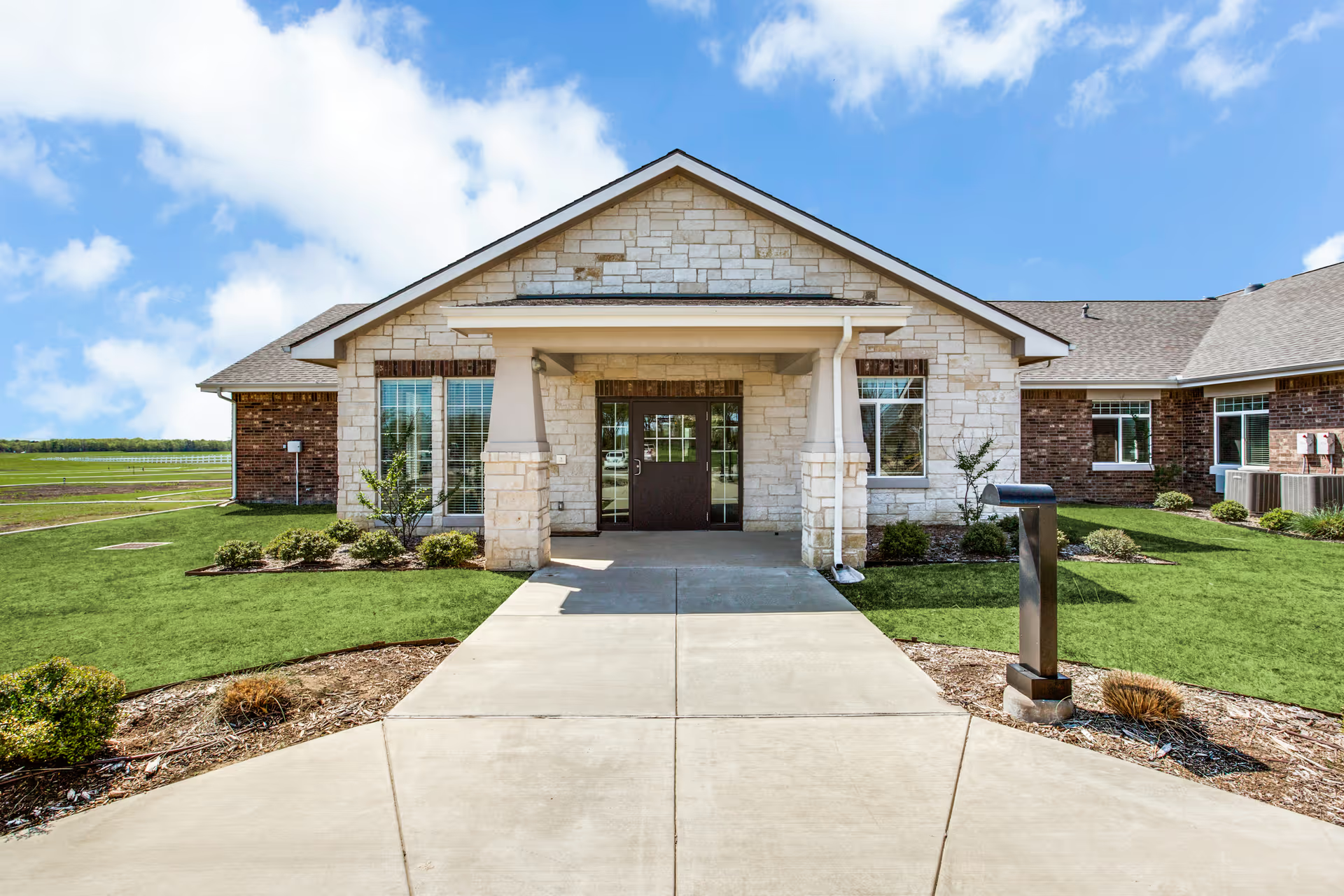
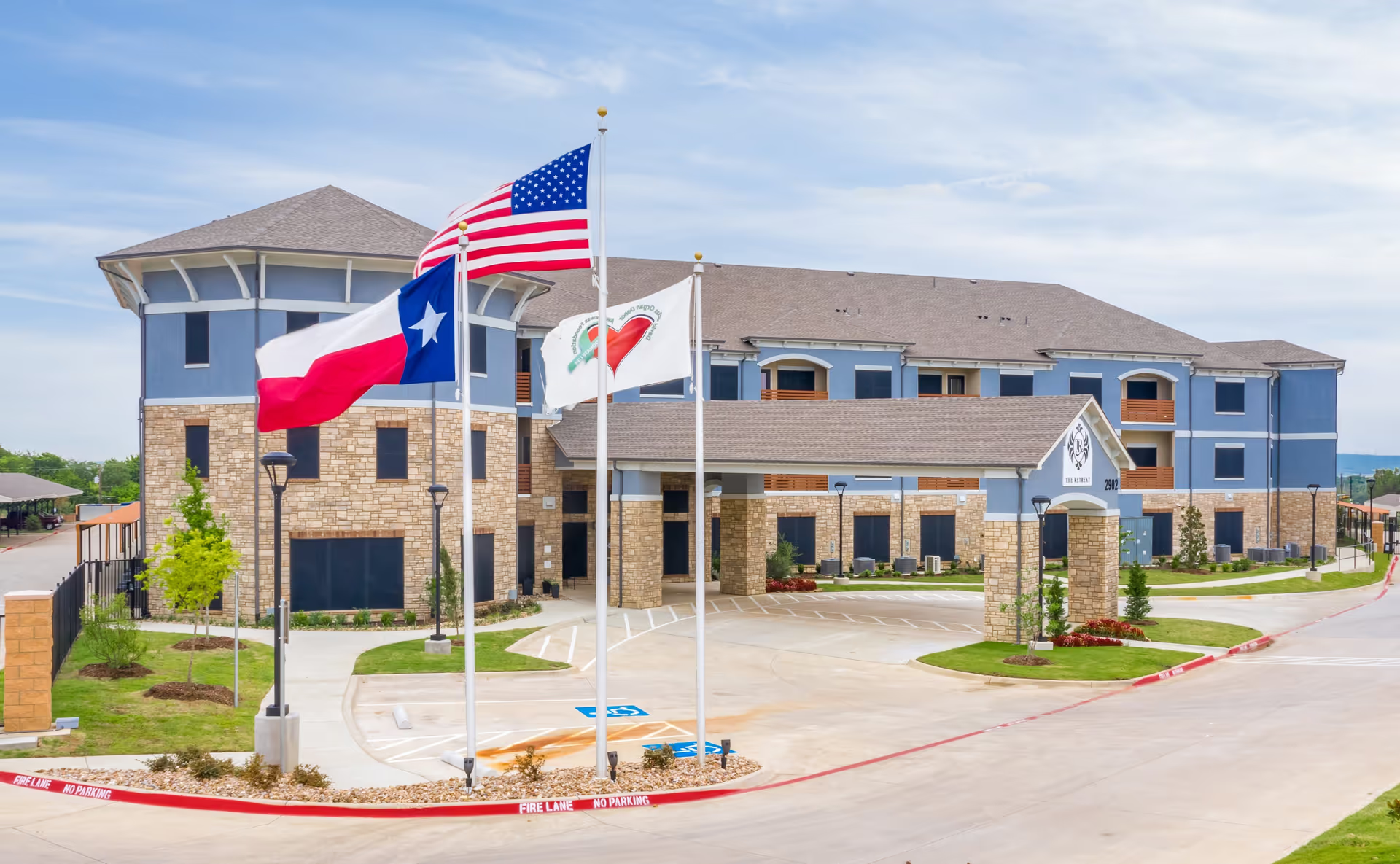
Facility condition and management observations are also variable. Many reviewers compliment cleanliness, bright communal areas, prompt maintenance, and a hotel-like aesthetic. At the same time, others describe episodic maintenance gaps (broken equipment, ventilation or mold concerns), pest-control issues, and inconsistent room-cleaning schedules. Management experience ranges from accessible, helpful leadership and smooth admissions to complaints about poor communication, billing errors, unexplained charges, restricted tour access, and problems escalating concerns to corporate or business-office staff. Financial-administration inconsistencies and a small number of allegations involving financial mishandling or staff-perpetrated assault appear in the record and warrant inquiry during tours.
Overall pattern: Morada Cedar Hill offers a strong social program, useful on-site amenities, and many staff who provide compassionate, person-centered care; these strengths make it a good fit for families prioritizing community engagement and social well-being. However, variability in staffing, clinical oversight, dining consistency, maintenance, and administrative communication creates uneven experiences. Prospective residents and families should tour in person, meet clinical leadership, ask for current staffing and incident histories, verify dietary accommodations, review billing processes, and confirm memory-care protocols and safety measures before committing.