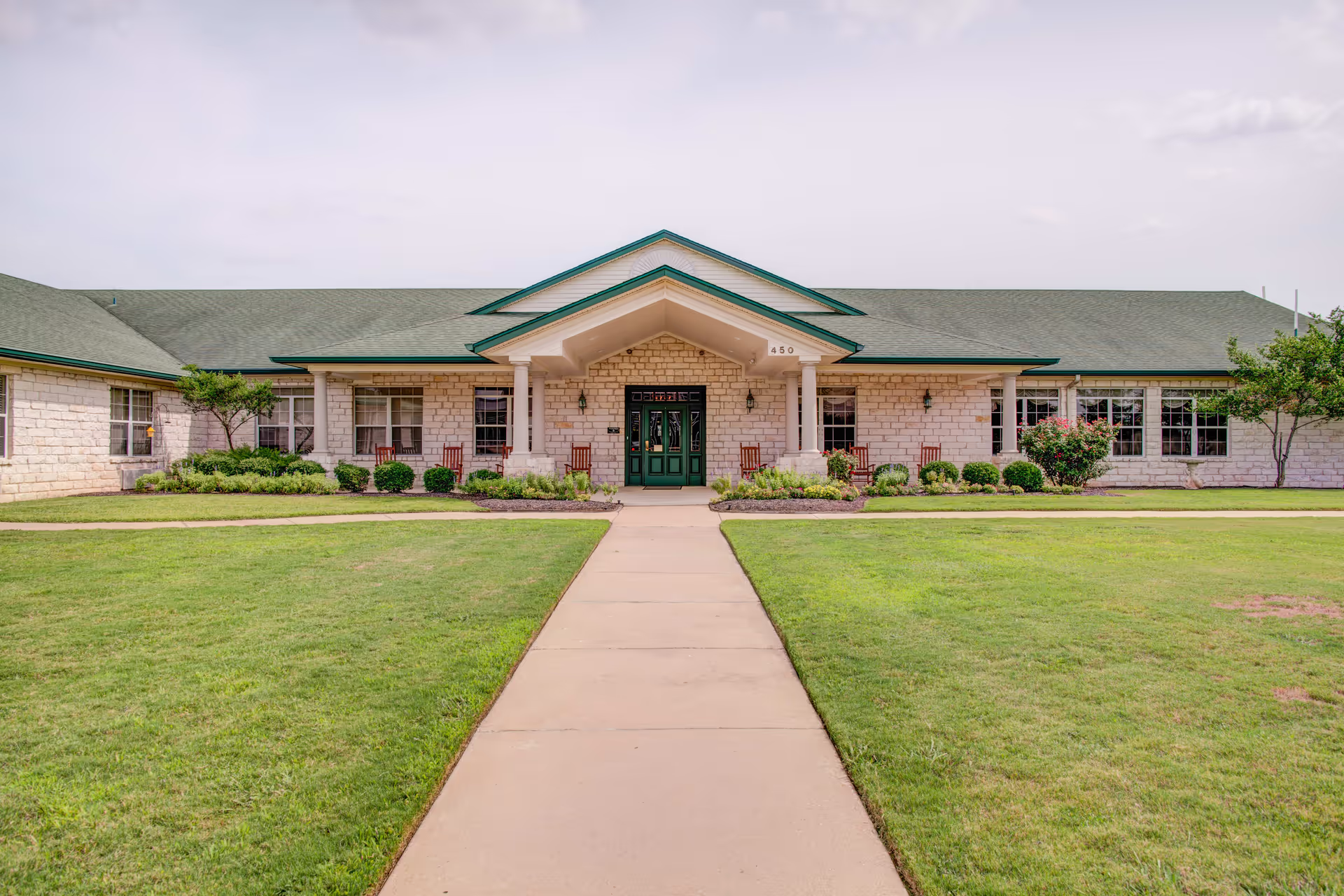
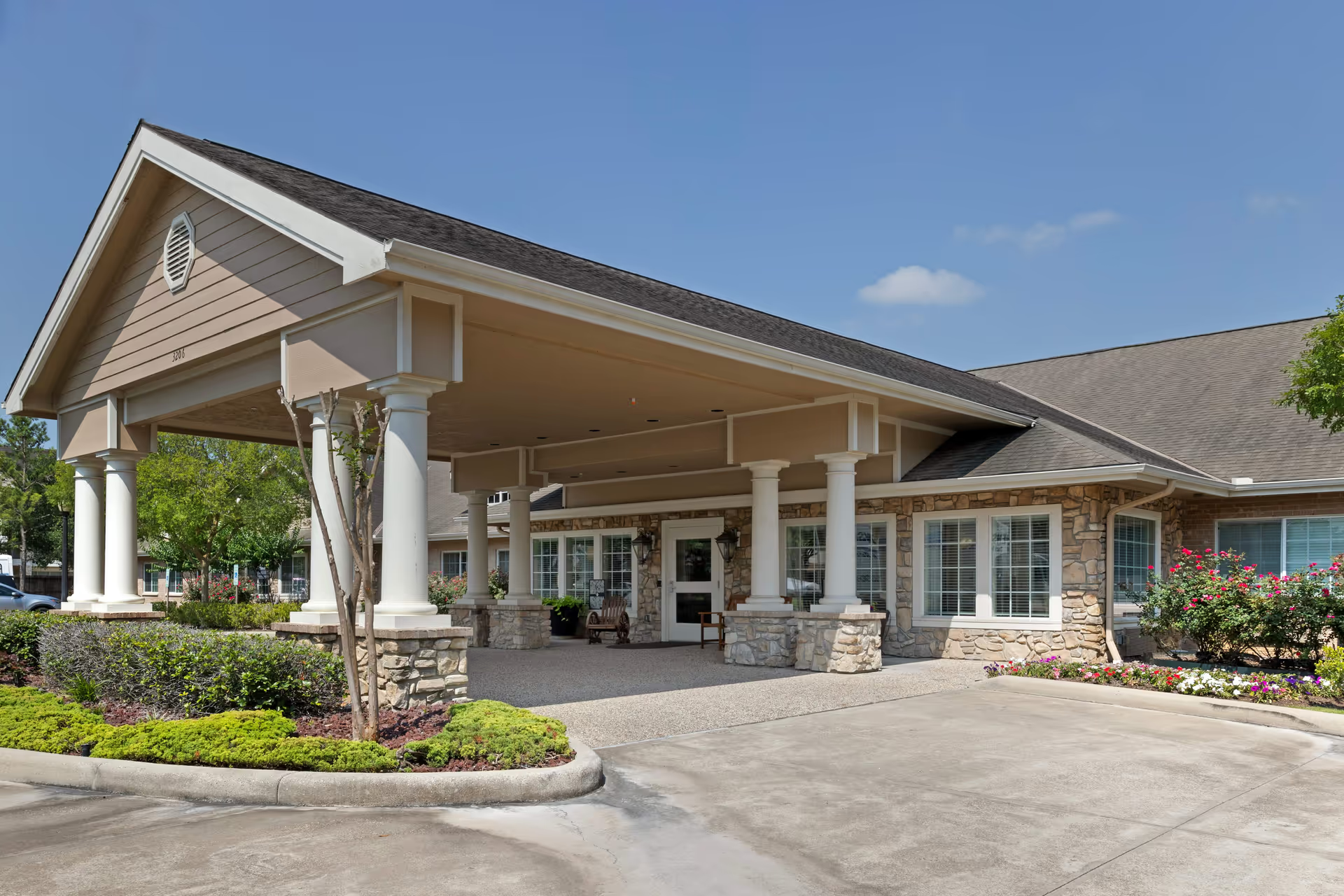
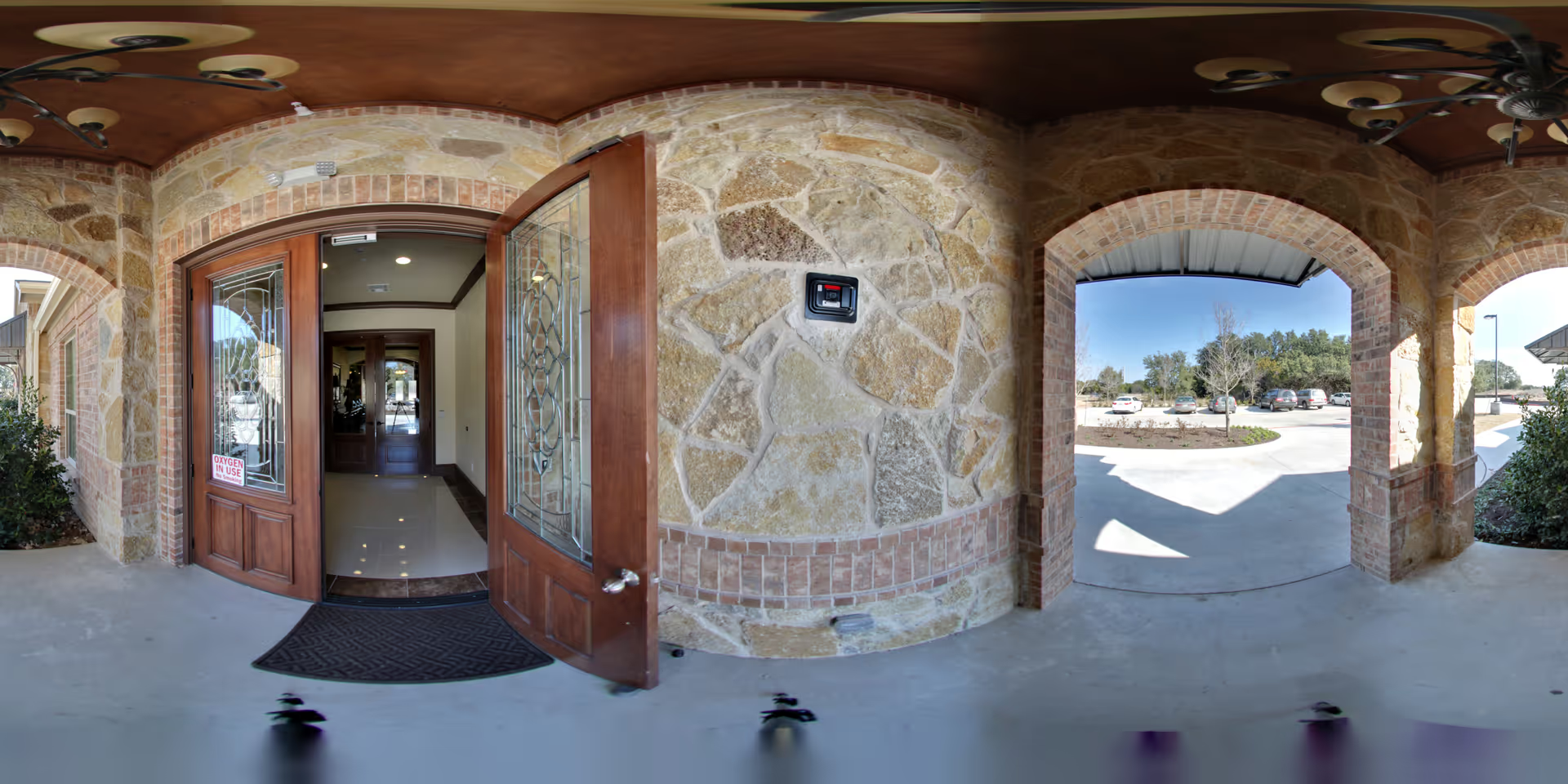
Cottonwood Creek presents a mixed profile across reviews: many families and short-term rehab patients describe strong, effective therapy services and several individual staff members who deliver attentive, outcomes-oriented care, while other reports identify persistent operational weaknesses that affect day-to-day resident experience. The facility's physical plant receives consistent praise — newer construction, spacious rooms, a central outdoor courtyard and generally well-kept common areas — but those positives coexist with intermittent sanitation and odor concerns that reviewers identified as affecting parts of the environment.
Care quality and staffing are the most polarized areas. Rehabilitation and therapy teams — physical and speech therapists in particular — are repeatedly credited with measurable functional improvements and successful discharges. Individual caregivers and some nurse practitioners receive notable praise for compassion and clinical attentiveness. At the same time, reviewers frequently describe inconsistent staffing levels, especially overnight and during evenings, resulting in delayed responses to call lights, missed assistance, and situations where family members felt compelled to intervene to ensure basic needs were met. Several narratives indicate variable nursing skill and fatigue-related performance, along with specific concerns about clinical responsiveness and medication-management practices.
Dining and nutrition emerge as a clear operational concern. Multiple accounts describe long meal waits, missed beverages or condiments, and lapses in meal delivery continuity. There are also mentions of differential meal handling by payer status; reviewers characterize this as inconsistent meal-service practices that warrant direct inquiry by prospective families. Food quality is described as monotonous by some and acceptable by others, indicating variability in the dining experience.
Activities and social programming are uneven. Some reviewers found engaged activities staff and polite social-work contacts, while others described limited or insufficient programming and low resident engagement. This suggests that recreational offerings and activity staffing may fluctuate over time or across units.
Management and oversight appear to have a strong influence on perceived quality. Several accounts state that care improved when management was present and declined when leadership was absent, and multiple reviewers mentioned staff and management turnover. Communication gaps and delays in documentation or charting were also highlighted, which can complicate family coordination and clinical continuity. There are a small number of serious allegations — including concerns about financial practices and isolated incidents of poor clinical response — that prospective families may want to explore further through direct questioning and review of recent inspection records.
Notable patterns for prospective residents and families: therapy services are a clear strength and may make Cottonwood Creek a good option for short-term rehabilitation; however, durable long-term placement decisions should weigh documented variability in nursing-staffing, meal reliability, sanitation consistency, and management stability. When evaluating the facility in person, families may wish to ask about current staffing ratios, mealtime processes, medication-management protocols, activity schedules, turnover rates, and recent quality or regulatory inspections. Doing so will help clarify whether the facility's strong therapy capabilities are supported by consistent baseline nursing and operational practices for the intended length and type of stay.