The reviews for Sundance Memory Care at Brushy Creek present a mixed but distinctly polarized picture. Many families emphasize strong, compassionate caregiving and a resident-centered philosophy grounded in Montessori methods. Positive comments highlight staff who know residents’ names and preferences, active engagement in purposeful daily routines, meaningful activities (music, social programs, putting green), and visible efforts to promote independence and dignity. Families also note frequent, proactive communication from leadership — including webinars and photo updates — and an active role for residents in menu planning. Dining is frequently praised: menus are resident-driven and many relatives describe the meals as enjoyable.
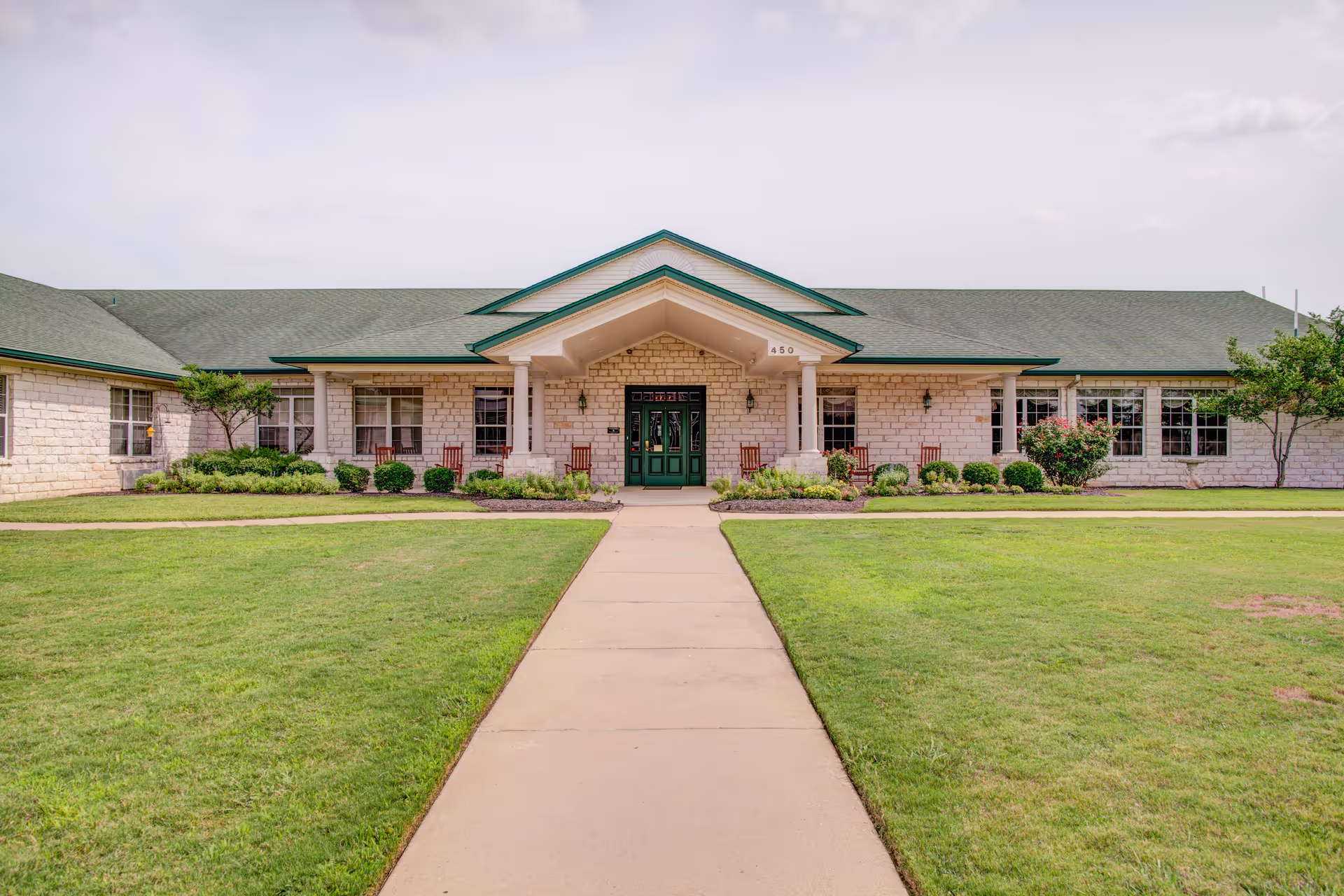
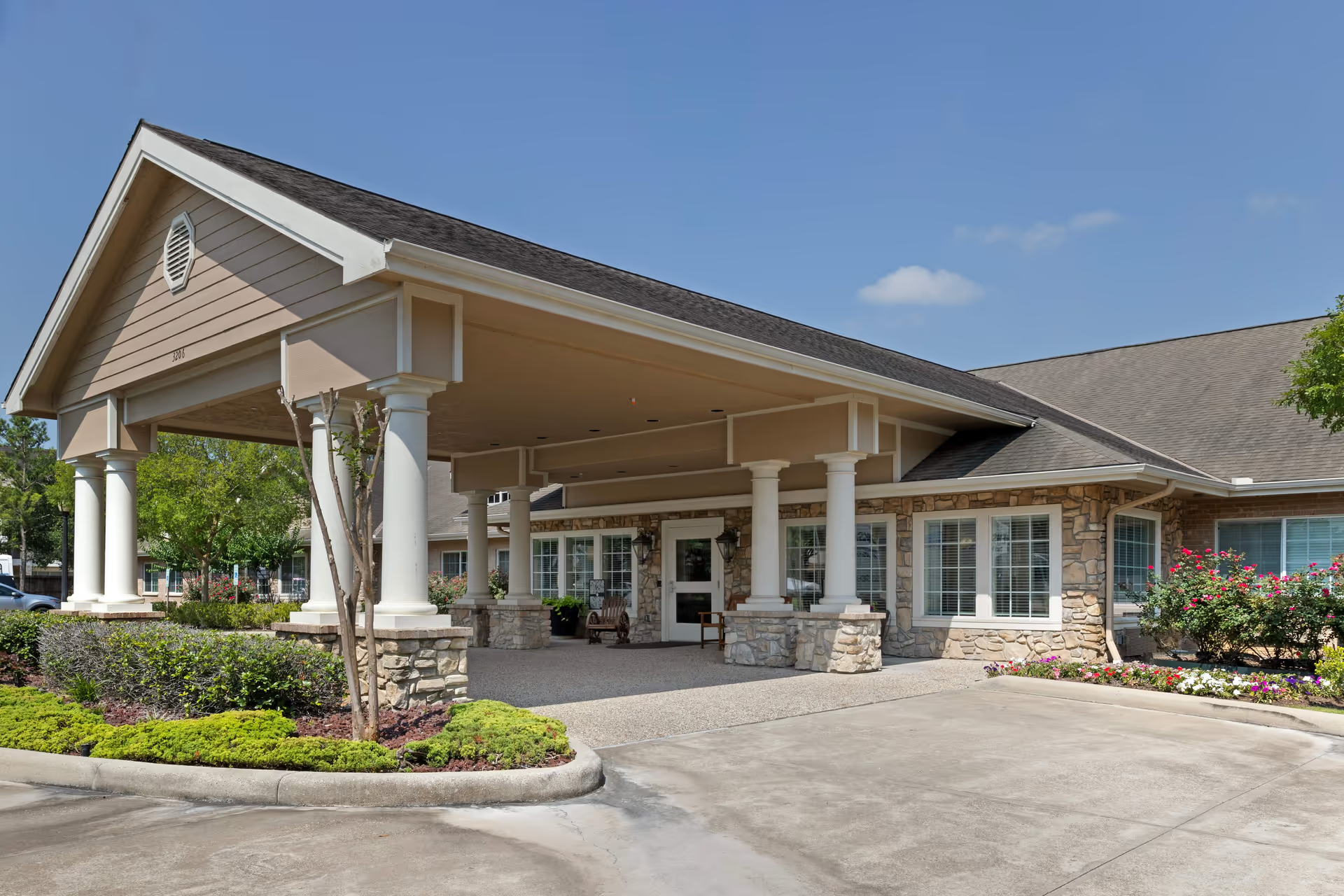
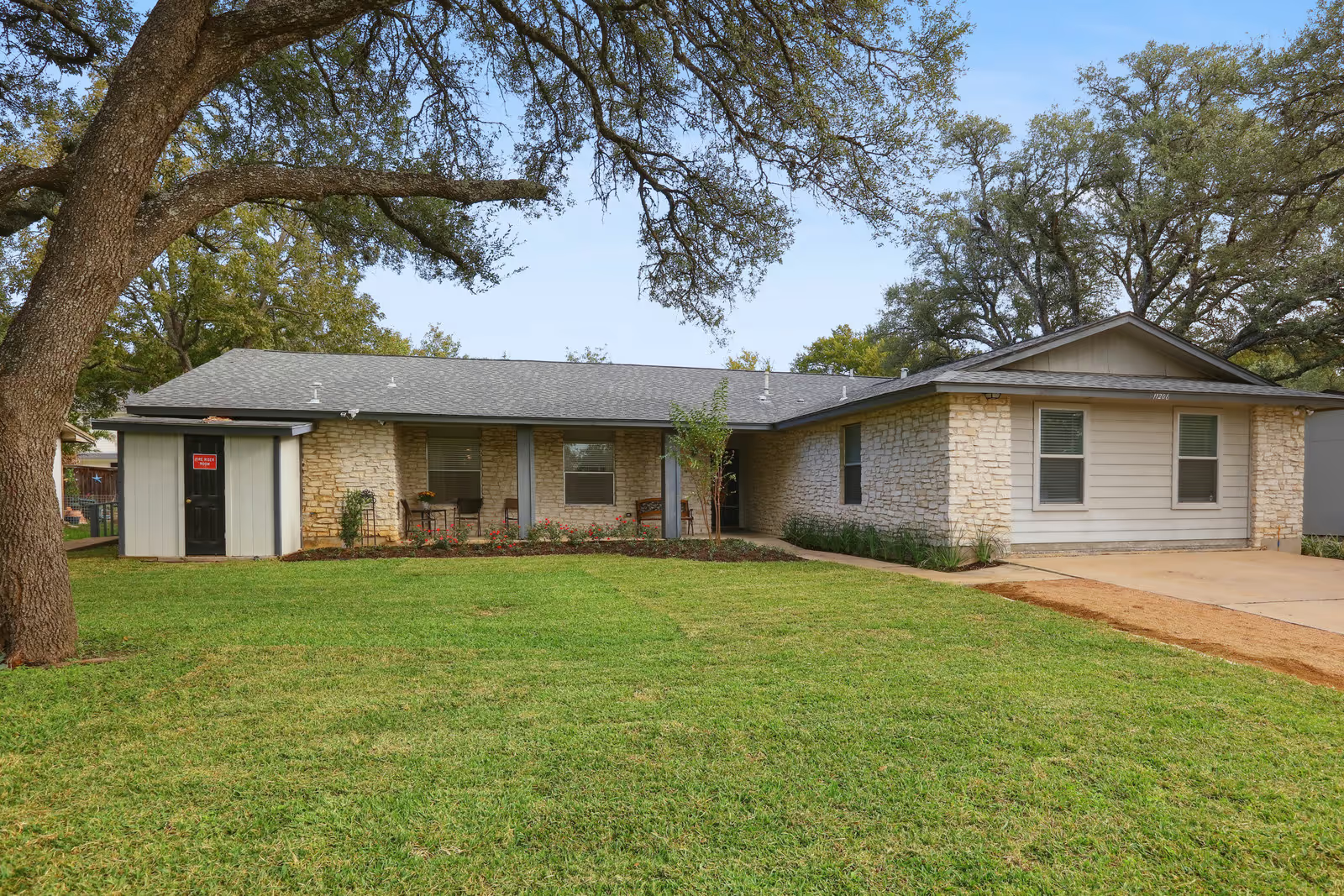
Staff and direct care practices receive praise for responsiveness and warmth, and reviewers frequently cite administrative staff and owners who are hands-on and communicative. The community’s infection-prevention measures, particularly COVID-related protocols, were also cited positively by multiple families. Facility attributes that drew favorable comment include a relatively new, home-like building, secure outdoor spaces, coordinated medical appointments and on-site therapy services, and several amenities that support engagement and autonomy.
Counterbalancing the positives are significant operational concerns that emerge repeatedly. The most consistent theme is chronic understaffing and high turnover, which reviewers say contributes to inconsistent coverage (especially evenings and nights), overuse of agency staff, and variable caregiver continuity. Related to staffing are criticisms of inconsistent training and clinical supervision; some families said nursing oversight on the floor is uneven and that wellness/administrative roles lacked clinical experience. Reviewers also described gaps in emergency response and clinical-incident management, including delays or perceived deficiencies in how incidents were handled and communicated to families.
A cluster of reviews raises sanitation and housekeeping issues, including pest-control concerns and inconsistent laundry/room cleaning practices. These accounts coexist with many other reviews that describe a clean, odor-free environment; the pattern suggests variability in housekeeping standards or inconsistency over time. Serious concerns about staff conduct and accountability appear in some narratives (including allegations of missing belongings and questionable incident documentation); these are operational risks that prospective families should evaluate directly with management.
Taken together, the pattern is one of a program with strong person-centered care approaches and many satisfied families, but with recurring operational weaknesses that can affect reliability and safety. Prospective residents and their families should balance the facility’s clear strengths — compassionate staff, Montessori programming, engaging activities, and resident-focused dining — against questions about current staffing levels, clinical oversight, housekeeping consistency, and management stability. When evaluating the community in person, consider asking for current staffing ratios and turnover data, examples of recent staff training and supervision, documentation of infection-control and pest-control measures, incident-response protocols, and references from families whose loved ones are currently in residence.