Overview: The Auberge at Cedar Park elicits a strongly mixed set of impressions. Many families and residents praise the caregiving team, the facility design, and the activity offerings; others describe operational shortcomings that have materially affected care consistency and family confidence. Reviews cluster around two themes: a core of positive experiences driven by engaged direct-care staff and a dementia-focused program, and a recurring set of operational and management issues that undermine that care for some residents.
Care and staff: Care quality is often cited as a strength when stable staffing is in place. Numerous comments highlight compassionate, attentive caregivers, several long‑tenured aides, and specific staff members who families found exemplary. The community also reports memory-care expertise, including behavioral-health nursing resources and familiarity with a range of dementia presentations. However, persistent concerns about staffing levels and turnover were raised across reviews. High turnover among line staff and leadership has been linked to inconsistent care, missed medication administration, gaps in documentation, and periods when families perceived insufficient supervision. Several reviews describe reliance on private caregivers to fill clinical or supervision gaps when facility staffing is thin.
Dining and activities: The physical dining environment and initial food offerings receive positive remarks: chef-prepared meals, varied menus, and pleasant dining rooms are frequently mentioned. That said, multiple reviewers noted a decline or inconsistency in meal quality and service over time. The activity program is a clear strength for many residents — music, Bingo, morning meetings, movies, and Montessori-style purposeful activities contribute to engagement. Activity staffing stability is variable; some reviews describe a robust calendar and weekly music, while others note weekend gaps and turnover in activity leadership that reduces programming consistency.
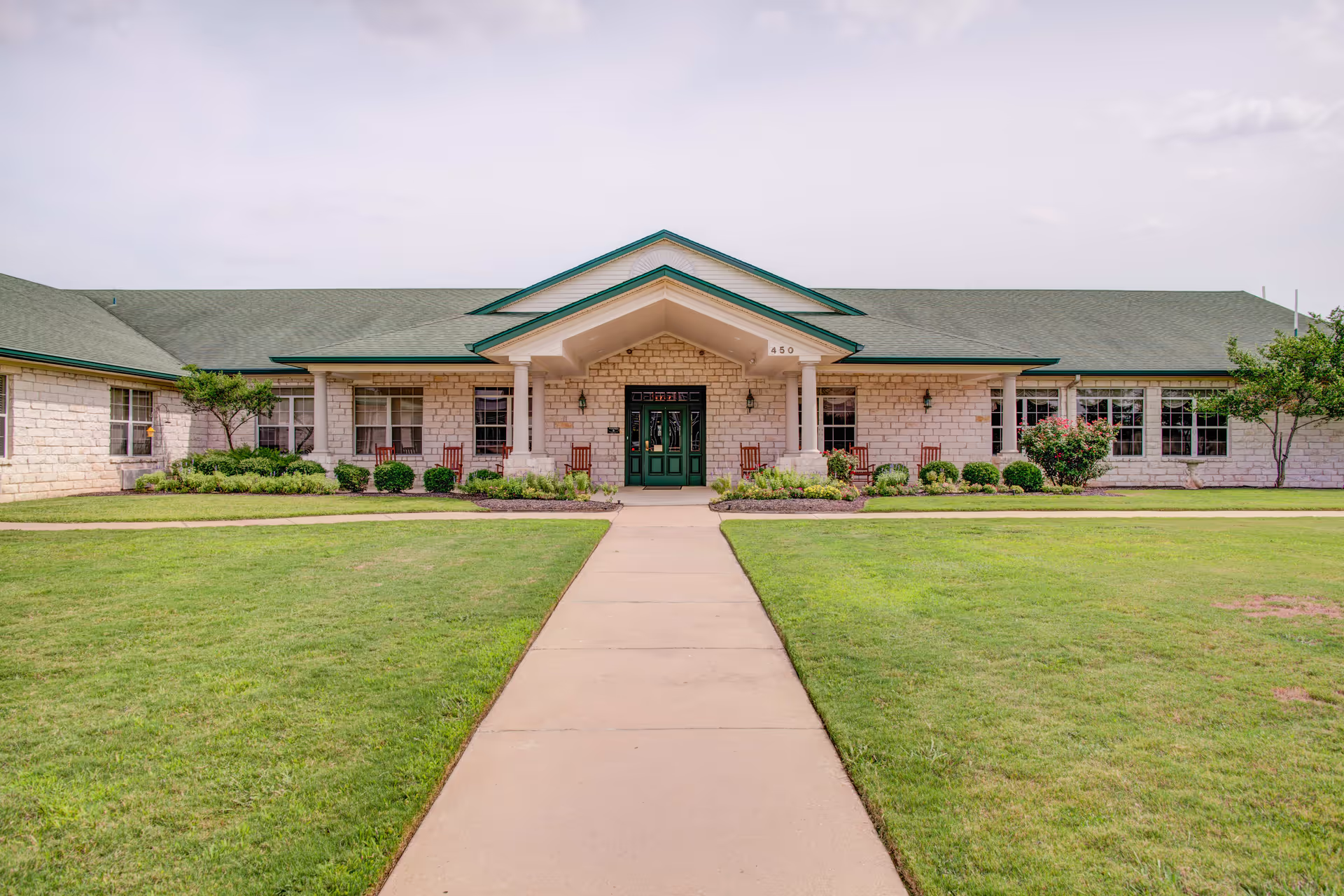
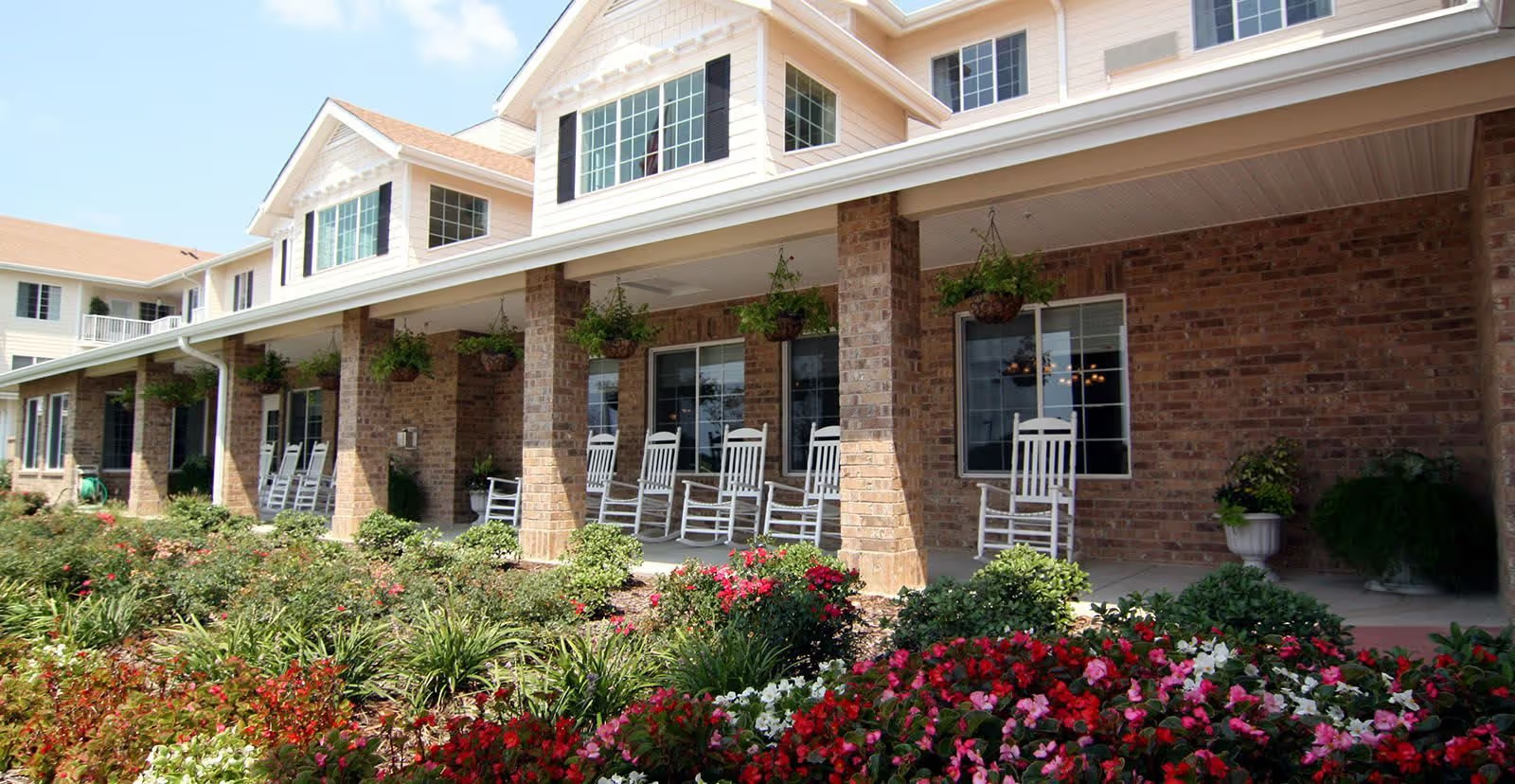
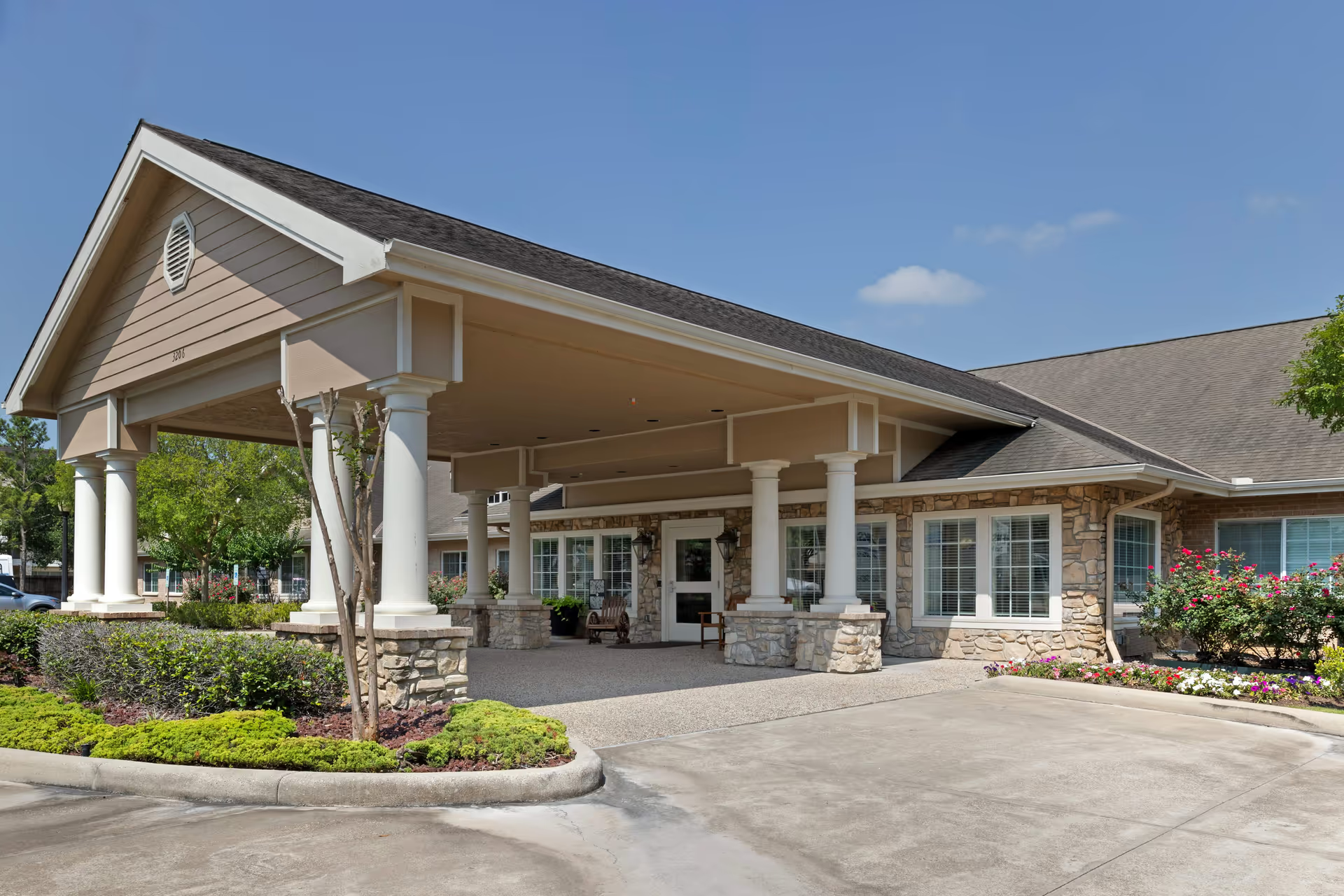
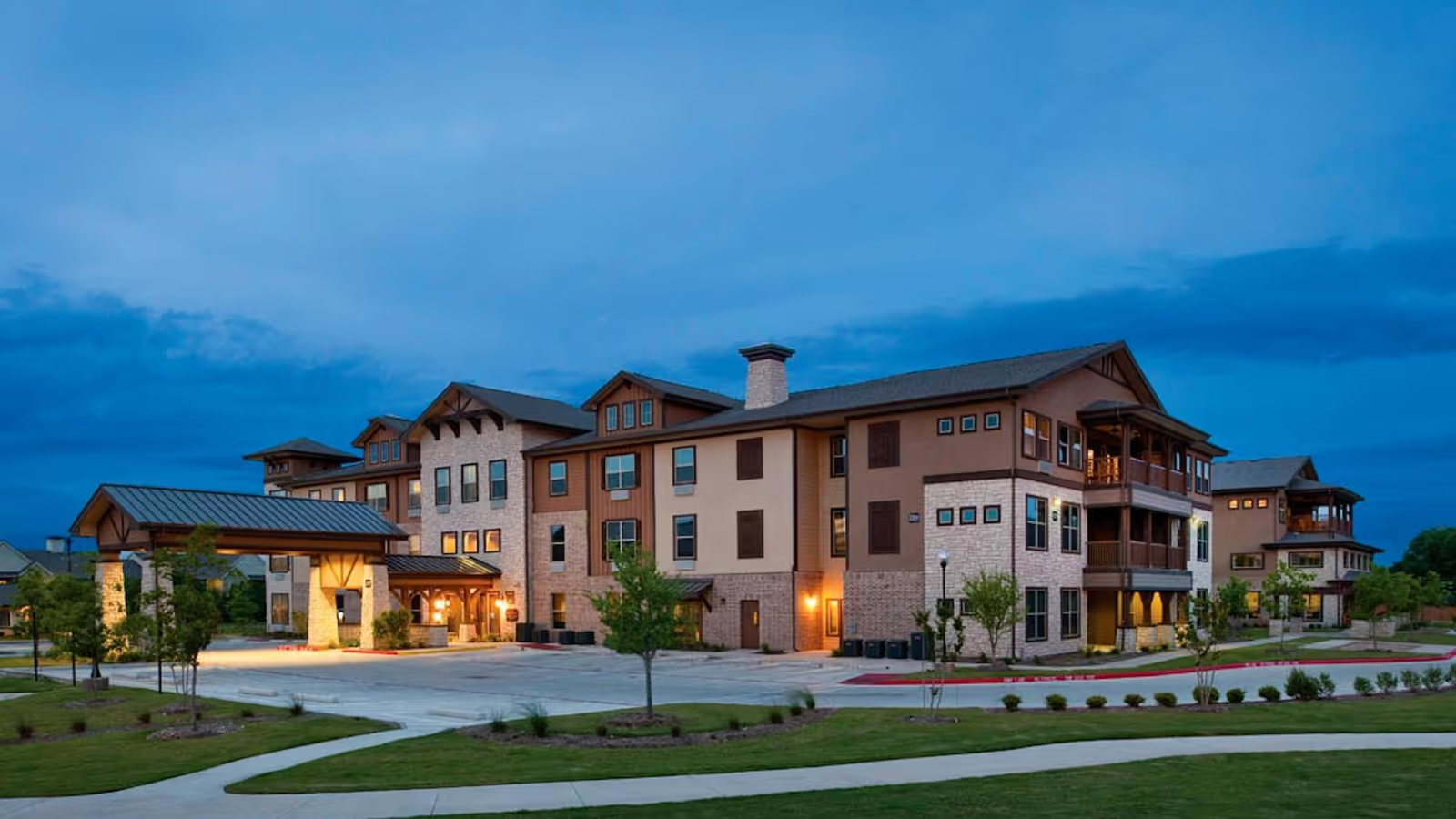
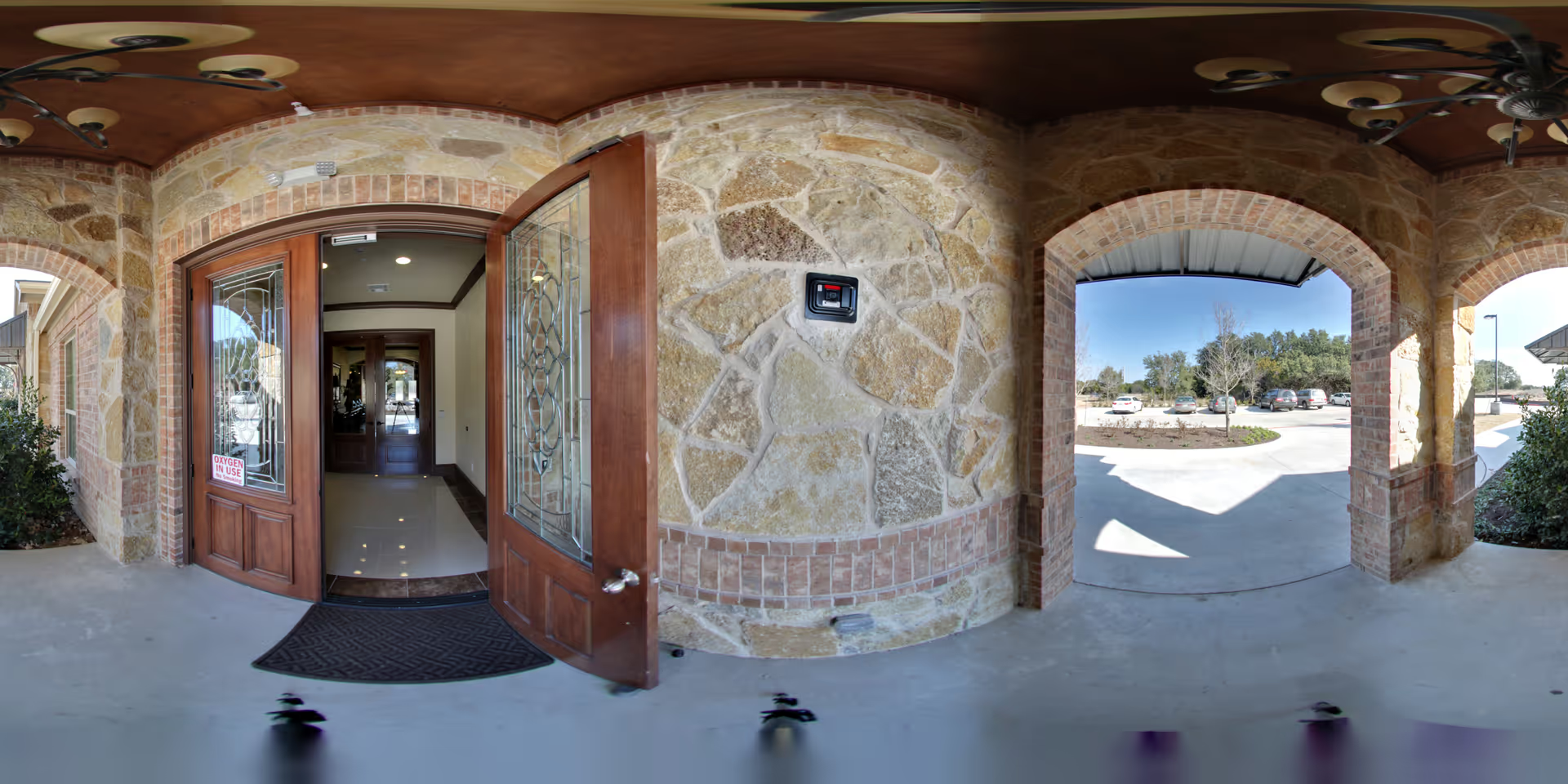
Facilities and amenities: The building and its design are regularly praised. The neighborhood-style layout (Main Street), bright airy spaces, theater, salon, coffee shop, courtyard, and garden areas are seen as dementia-friendly and attractive. Cleanliness and a well‑kept environment are common positive notes. Conversely, maintenance responsiveness and repair follow-through are areas of operational weakness in some accounts: unrepaired flood damage, broken equipment, and deferred repairs were cited as concerns by families.
Management, administration, and patterns: Management impressions are polarized. Some reviewers commend admissions and marketing staff for prompt, supportive transitions and highlight effective leaders; others report poor responsiveness, unprofessional behavior, and opaque communication from administrative staff. Billing and administrative processes were a recurrent problem theme, including overcharges, billing disputes, and difficulties obtaining timely refunds. Regulatory and compliance issues were also raised, including a cited lapse in required incident reporting; these are serious administrative concerns that families flagged as diminishing trust. Overall patterns indicate that when leadership and staffing are stable the community functions well; when turnover intensifies, operational gaps—especially in medication management, documentation, and family communication—tend to surface.
Notable takeaways for prospective families: If your priority is a dementia-focused, neighborhood-style setting with an emphasis on purposeful activities and individual engagement, the Auberge demonstrates substantive strengths in those areas and has staff who provide warm, respectful care. Evaluate current staffing stability, clinical coverage in the memory-care neighborhoods, and the community’s recent regulatory and billing history during your tour. Ask specific questions about medication-administration protocols, nurse/clinical coverage hours, weekend activity schedules, maintenance response times, and how the community manages transitions when staff turnover occurs. Speaking with current families and requesting recent staffing and compliance records can help determine whether the positive caregiving elements are consistently in place for your loved one.