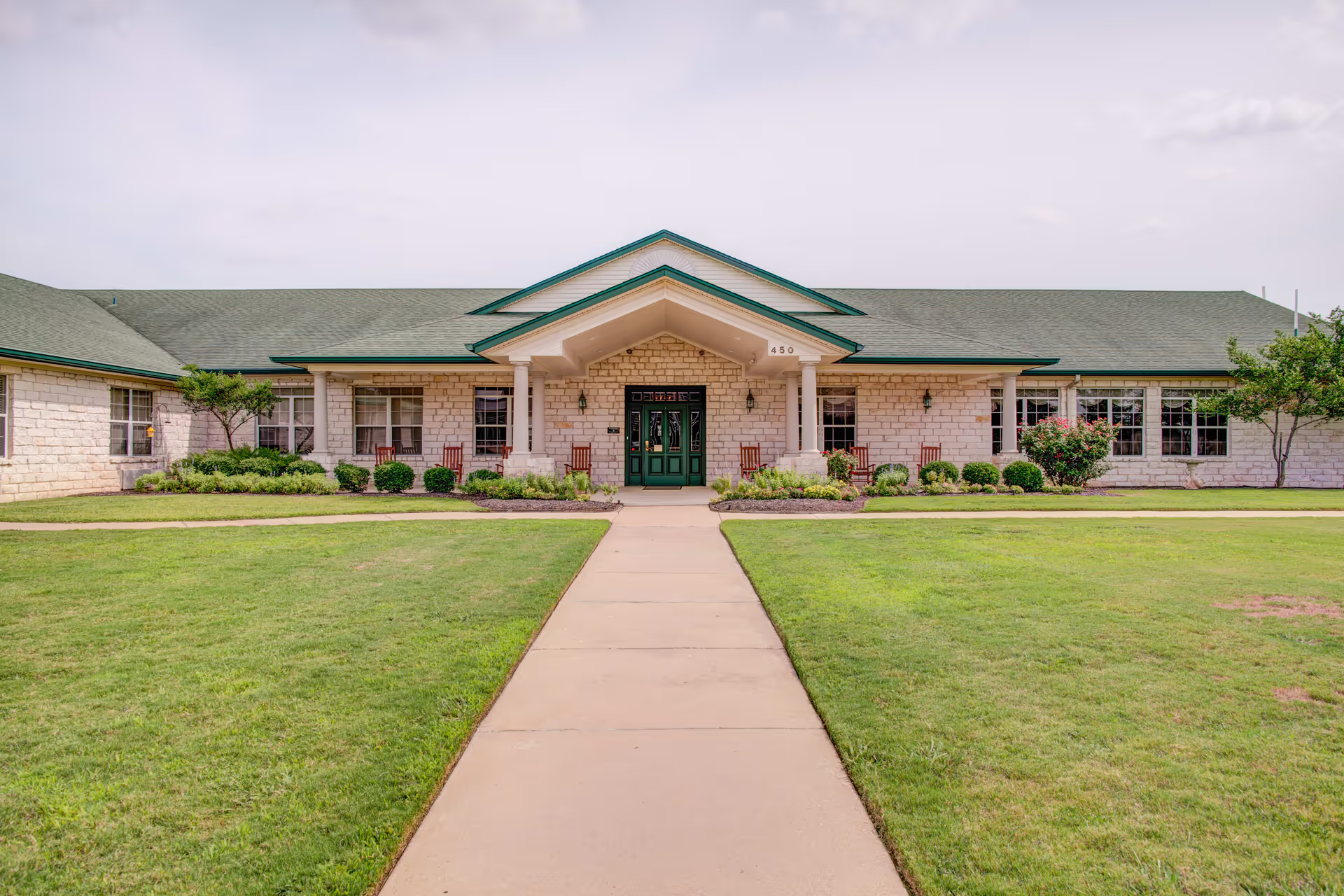
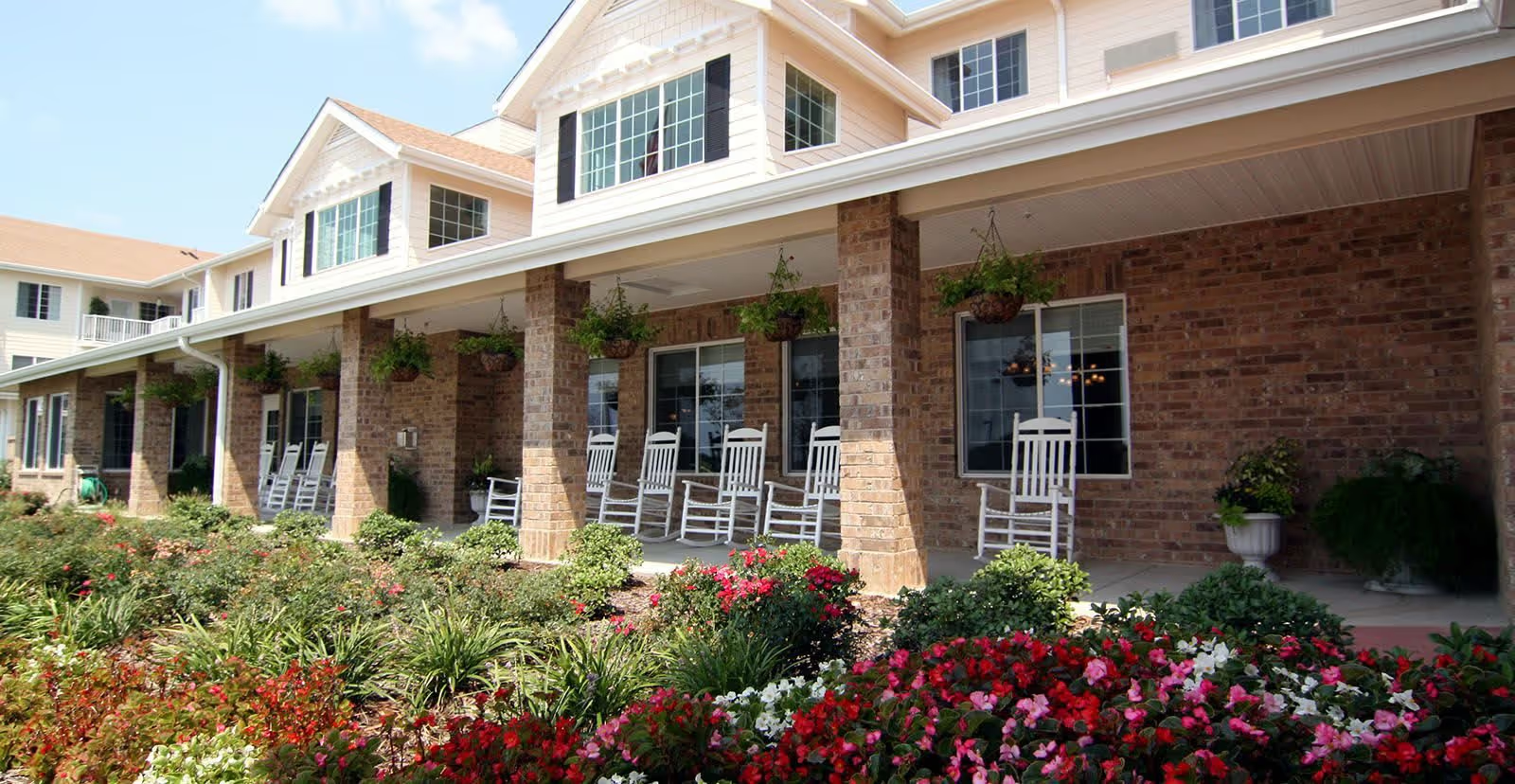
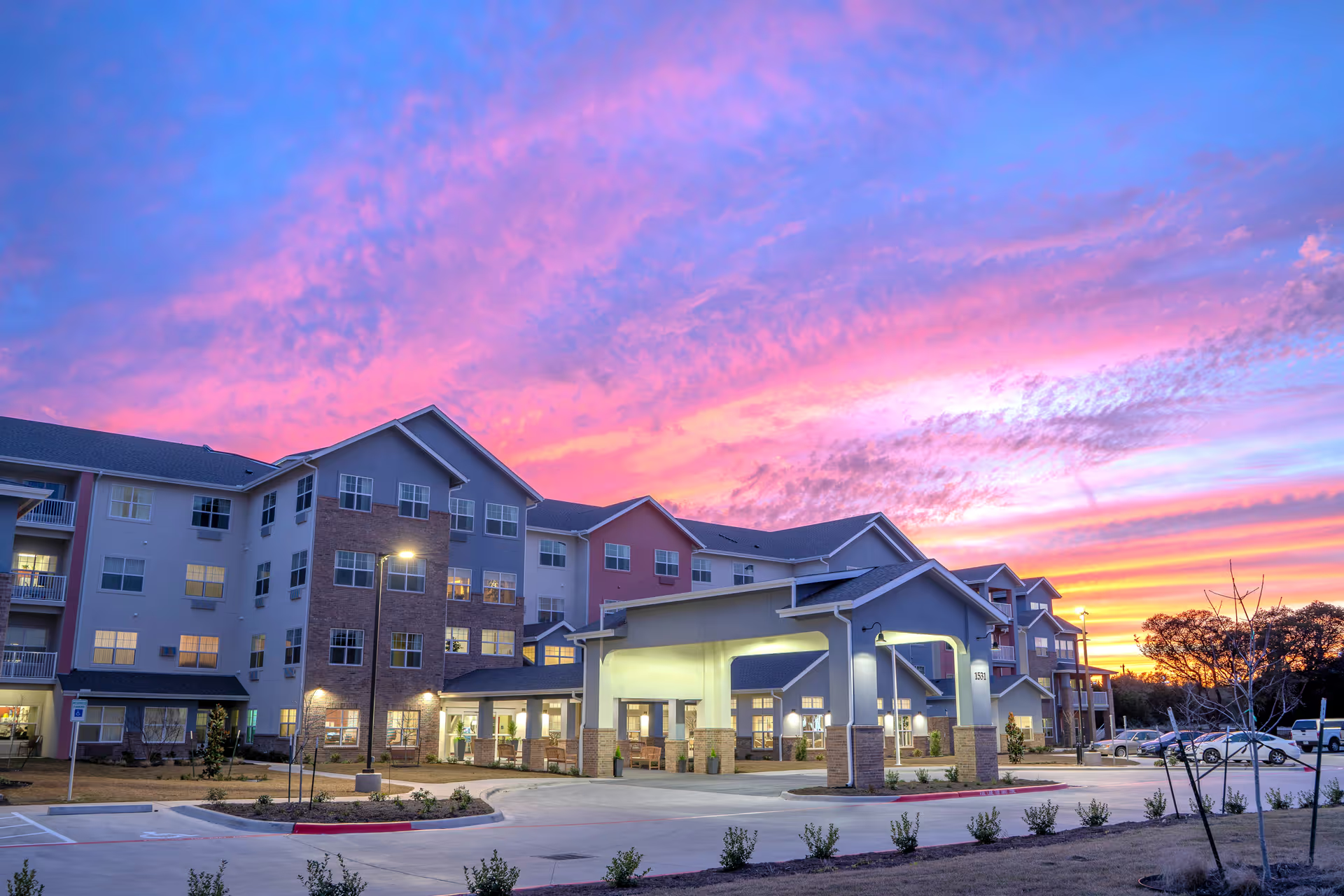
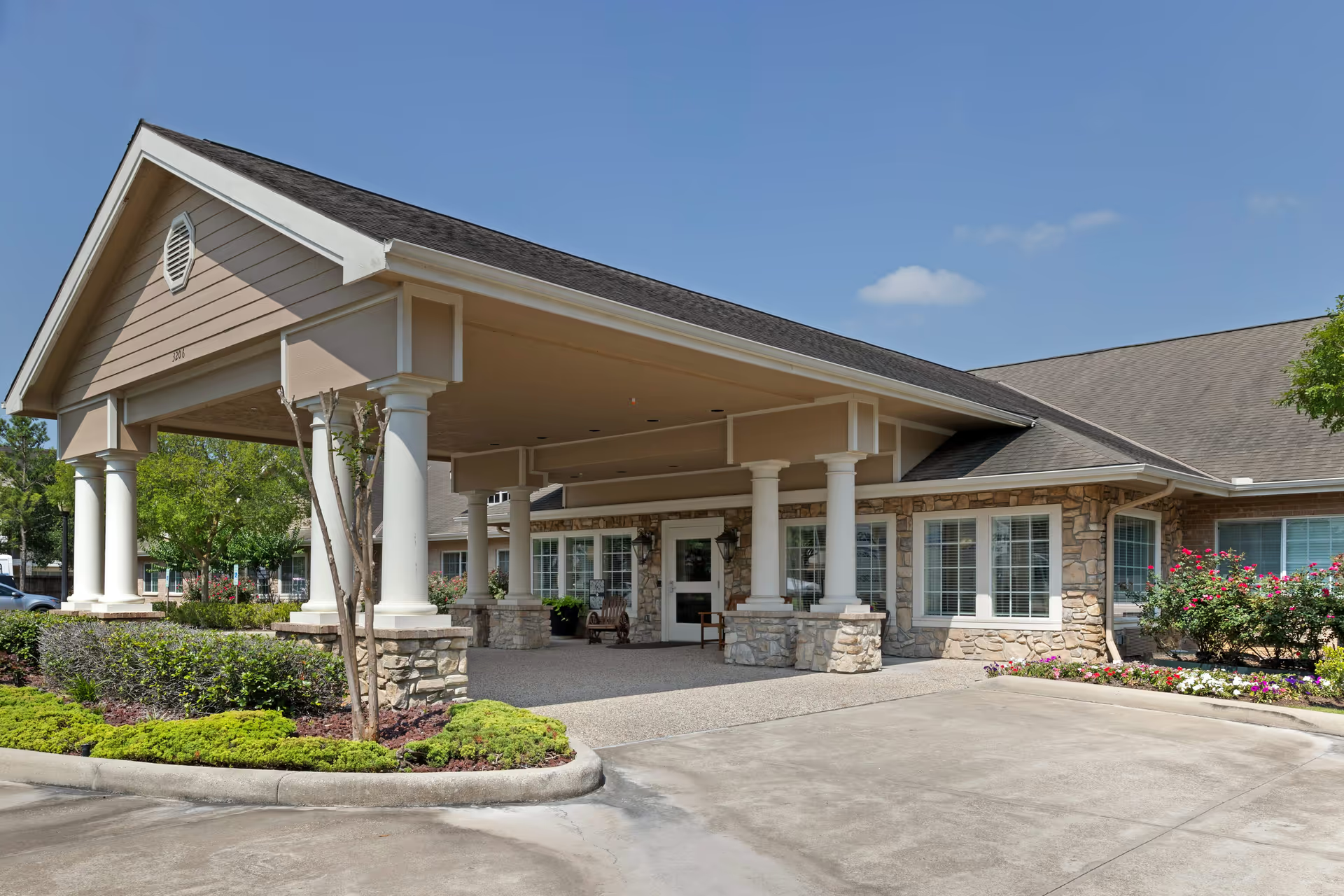
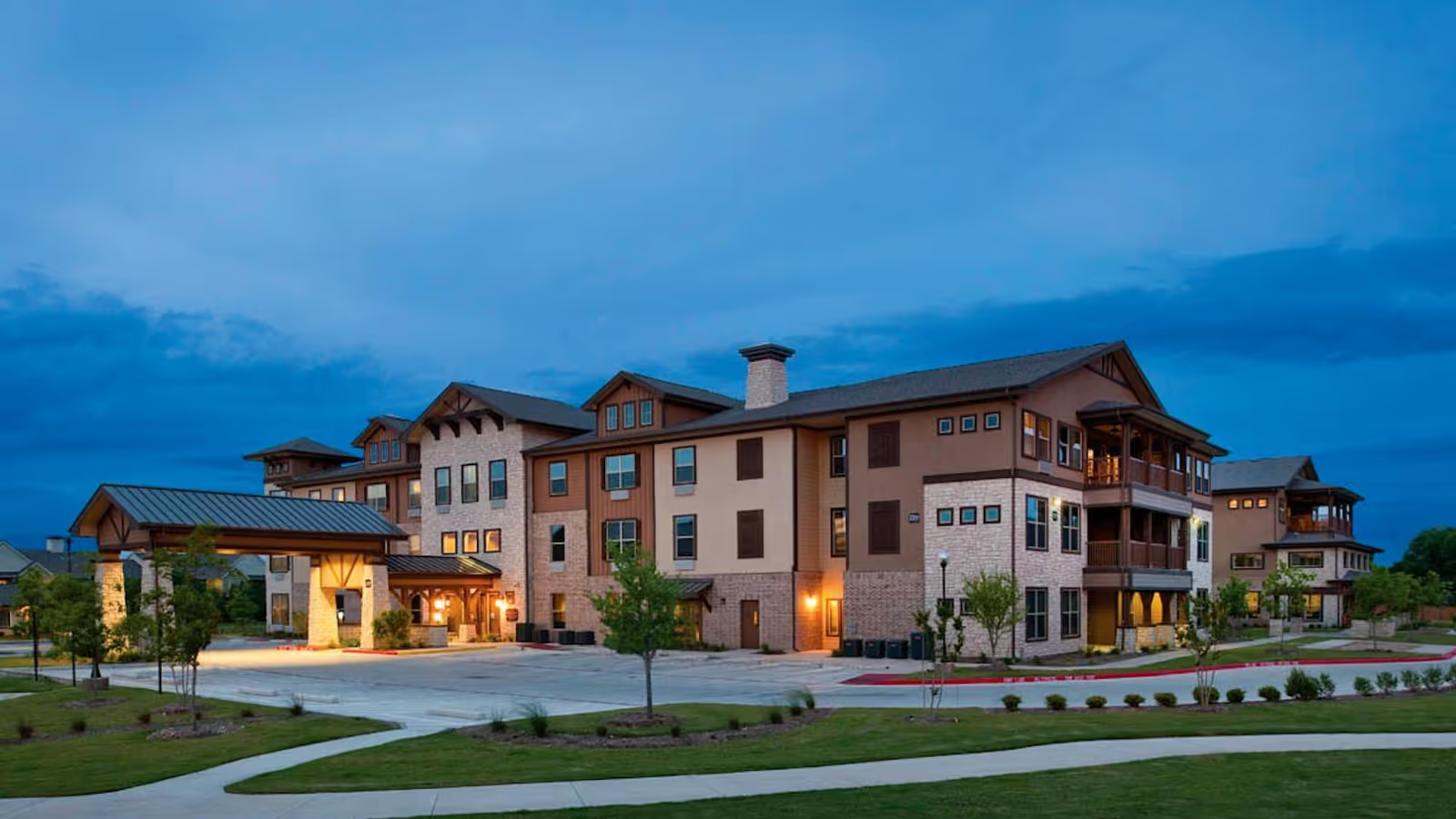
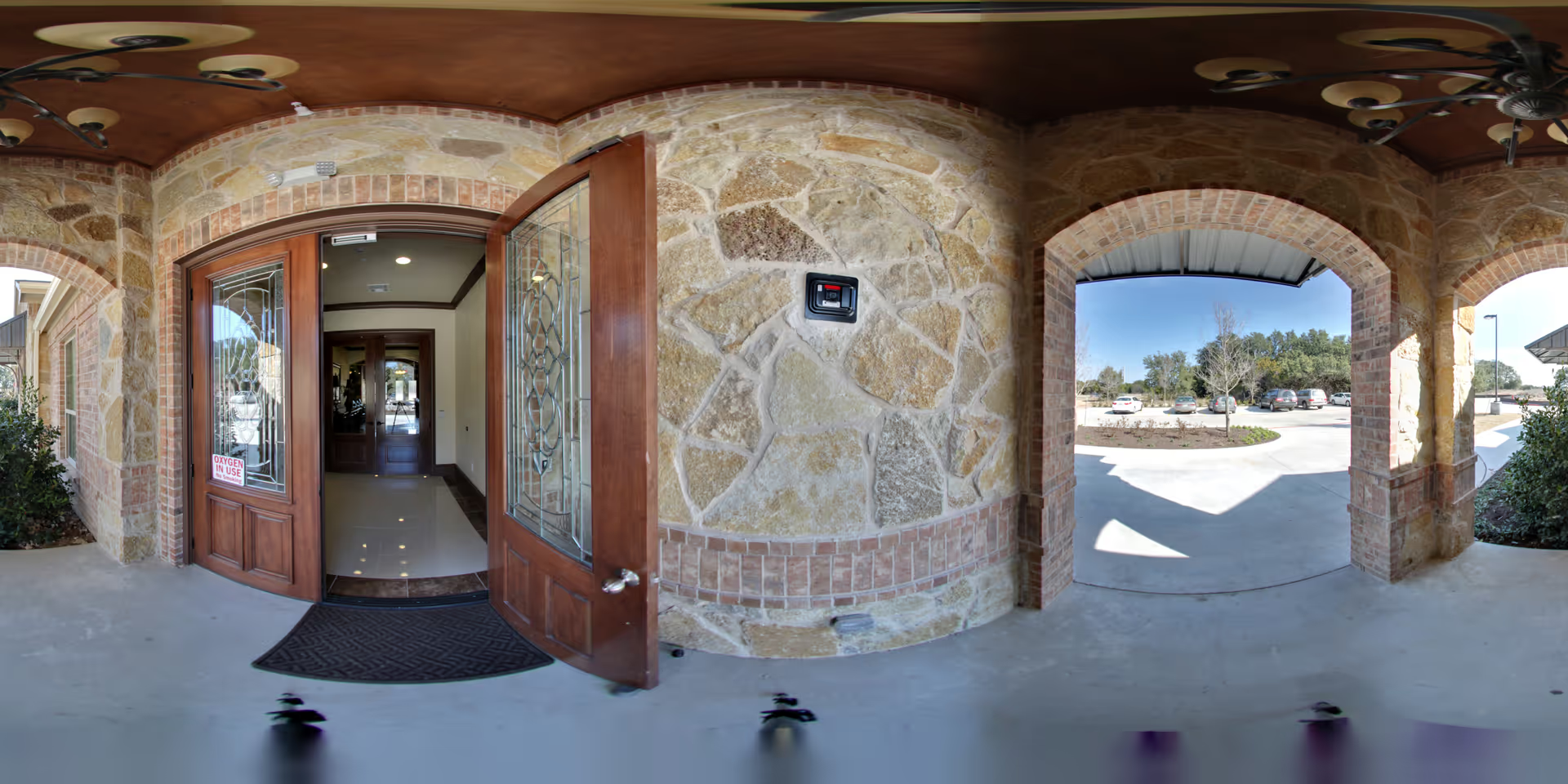
The Monarch at Cedar Park presents a mixed picture. Physically the community scores well: reviewers consistently describe a bright, airy facility with attractive outdoor spaces (courtyards, gardens, a chicken coop) and thoughtfully themed common areas. Many families praised the small size and familiar atmosphere, steady social work presence, welcoming front-desk staff, and a number of direct-care employees who are described as caring and engaged. Memory-care programming and dementia-focused activities receive strong positive mention in multiple accounts, and several reviewers highlighted meaningful arts, music, and live-performer programming as well as personalized social events such as birthday celebrations.
Care quality appears variable. Positive accounts describe an attentive clinical team, effective therapy interventions (speech and physical therapy adjustments), strong hospice collaboration in some cases, and leadership that is hands-on and responsive during transitions. Conversely, other reviewers describe persistent operational shortcomings tied to staffing: low caregiver-to-resident ratios, high turnover, inconsistent shift coverage, and limited RN presence (including gaps in night coverage). Those operational issues are associated with delayed care responses, inconsistent assistance with bathing/toileting, and lapses in hourly checks and documentation in certain cases.
Dining and activities are another area of contrast. Multiple reviewers praised varied menus, personalized meal options, and well-prepared food, and others reported enjoyable communal dining spaces. At the same time, some families raised concerns about inconsistent meal quality or menu suitability (for example, texture-modified diets), reductions in evening meals or outings when staffing is thin, and irregular activity schedules when coordinators are not consistently present. Prospective residents should directly confirm current activity schedules and meal accommodations during a visit.
Facility maintenance and cleanliness generally receive favorable remarks for common areas, but there are also sanitation and odor concerns noted in resident rooms and work areas in some reports. Privacy and surveillance questions—related to in-room cameras or monitoring—were raised and merit clear discussion with management. Communication and billing practices are recurrent themes: reviewers highlighted effective, empathetic communication from certain leaders and staff, yet others described poor transparency around charges, unexplained rate increases, abrupt discharge notices, and breakdowns in communication with families and hospice partners.
Overall pattern and recommendation: strengths center on the built environment, individualized social programming, certain compassionate staff members, and competent memory-care practices. Weaknesses cluster around workforce stability, consistent clinical oversight, medication and documentation controls, sanitation follow-through, and transparent family communication and billing. These patterns suggest the community can provide a positive experience when staffing and leadership are stable, but prospective residents and families should verify current staffing ratios, RN coverage (including night coverage), medication-management policies, activity staffing and schedules, sanitation procedures, privacy policies, and billing/charge disclosures during an in-person visit and follow-up conversations with leadership before making a placement decision.