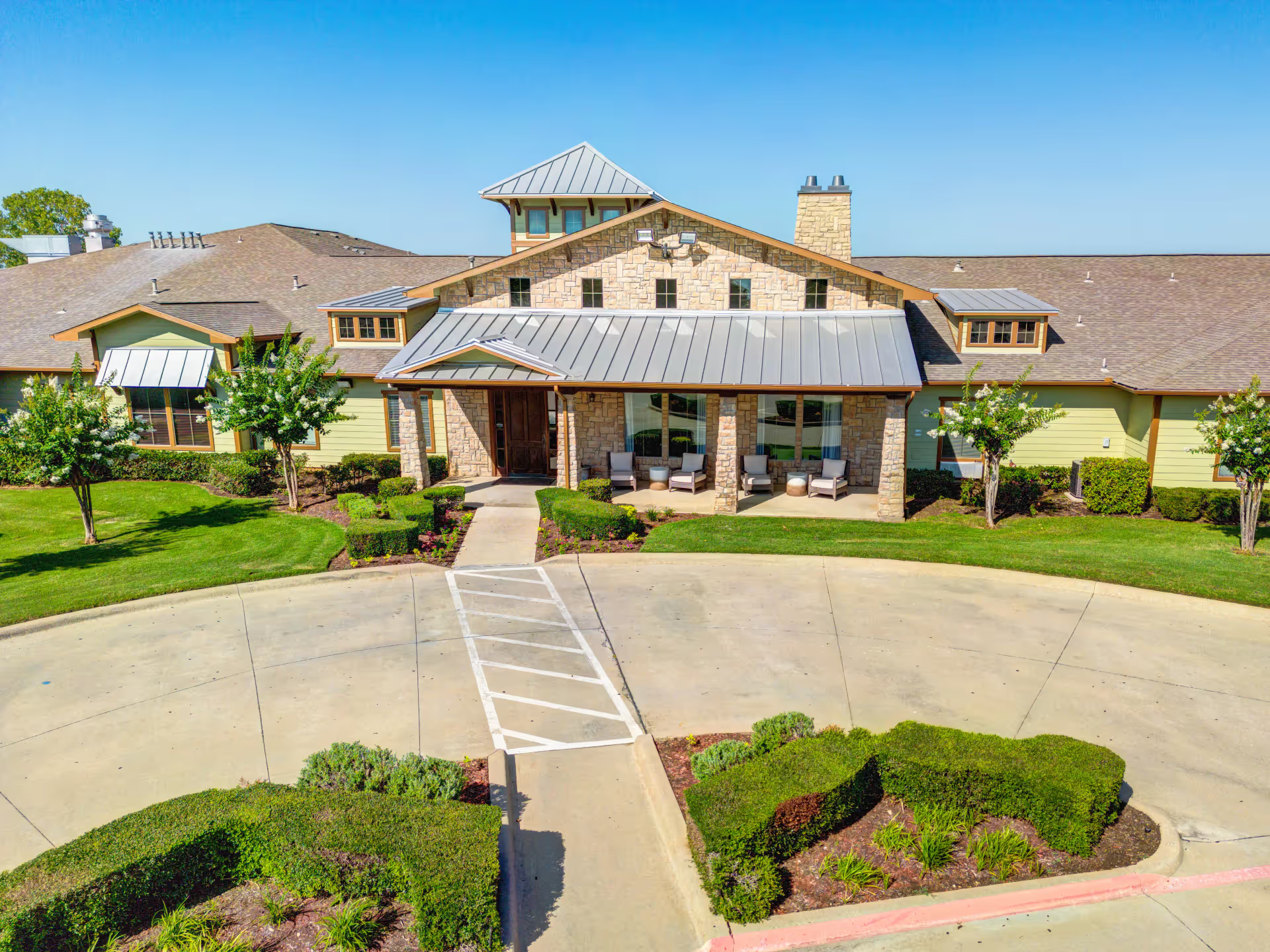
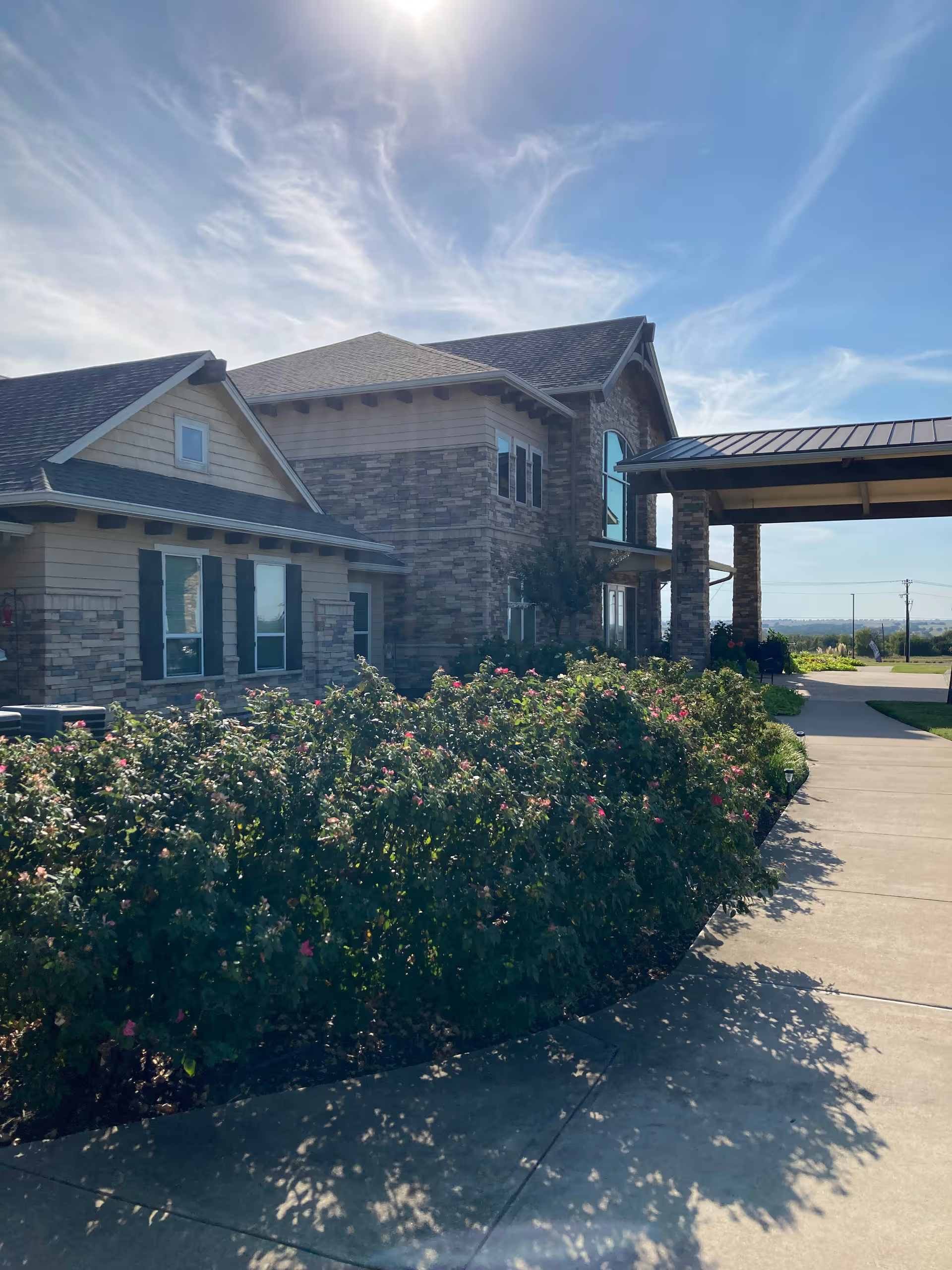
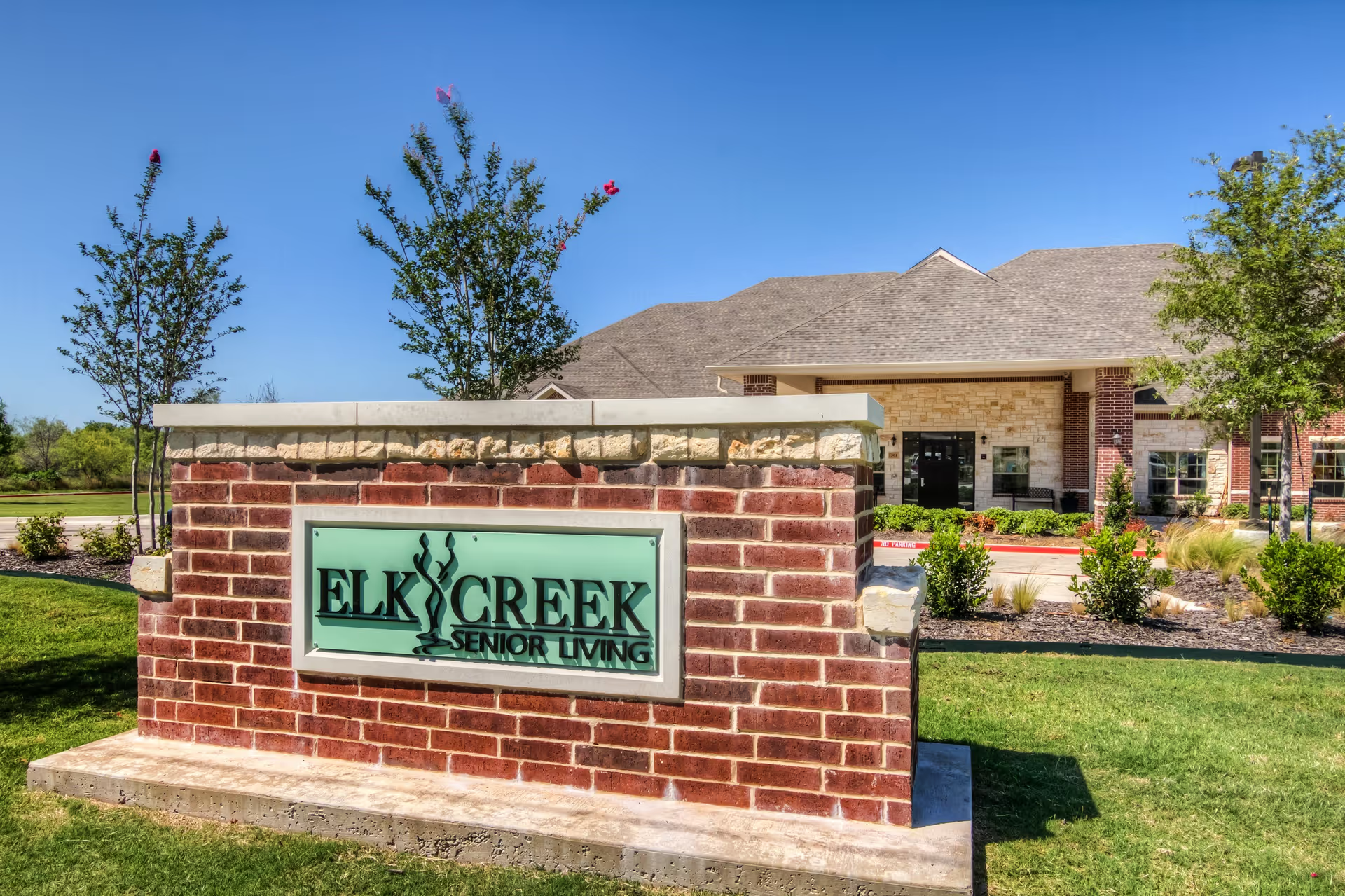
Heritage Trails Nursing & Rehabilitation elicits strongly mixed impressions. Many families and former residents emphasize compassionate, attentive caregivers, long-tenured staff, and a therapy-forward rehabilitation program that produces measurable improvement for some residents. Admissions staff and certain administrators receive repeated positive mention for professionalism and helpfulness, and the facility is frequently described as welcoming — with practical touches such as a welcome basket and efficient check-in processes. Several reviewers also praised a family-like culture, pet-friendly visitation, active resident engagement programs, and well-kept common areas.
At the same time, a pattern of operational weaknesses appears across multiple reviews. Staffing consistency and coverage are recurring concerns: reviewers describe delays in assistance, limited weekend or night coverage, and instances in which personal-care tasks (including bathing/showering) were not completed on schedule. Medication-management issues, including specific errors and conditions that could permit double dosing, were raised and represent a clinically significant area for scrutiny. Communication and documentation gaps during admissions and transfers — including lost paperwork, misplaced belongings, and difficulty reaching the facility by phone — were also commonly reported and can complicate care continuity.
Dining and clinical-support areas show variability. Some families note good, varied meals and adequate nutritional support; others report poor meal quality, limited options, and resultant weight loss or decreased appetite. Several reviews describe skin-integrity concerns and other clinical issues that reviewers linked to inconsistent monitoring or care. Facility-level sanitation and pest-control concerns were raised repeatedly enough to be notable; these comments, together with descriptions of an older physical plant and ongoing renovations, suggest that infrastructure and environmental controls merit attention from prospective families.
Management and culture present a mixed picture. A change in ownership and active leadership were cited by some as sources of improvement, while other reviewers expressed frustration with perceived administrative priorities and uneven responsiveness — for example, locked doors during after-hours admissions, voicemail systems that fill up, and social-media activity perceived as superseding staff support. Therapy staffing is frequently identified as a strength, but there are also reports that activity programming sometimes receives emphasis at the expense of direct care tasks.
Notable patterns for prospective families: the experience at Heritage Trails appears highly dependent on unit, shift, and specific staff involved. Positive experiences often highlight consistent caregivers, strong therapy involvement, and hands-on administrators; negative experiences cluster around staffing variability, medication-safety processes, sanitation and pest-control oversight, and communication/documentation breakdowns. When evaluating the facility, families may want to ask targeted questions about staffing ratios by shift, medication-safety protocols and incident reporting, pest-control schedules, dining menus and nutrition-monitoring, after-hours admissions procedures, and written processes for handling belongings and transfer documentation. Touring in person and speaking directly with therapy staff, the director of nursing, and administrative leadership can help clarify how the facility is addressing the operational concerns that appear in these reviews.