Overall impression: Willow Park Rehabilitation and Healthcare Center elicits strongly positive feedback about its culture, daily life, and many frontline caregivers. Numerous comments emphasize a warm, family-like atmosphere, frequent and creative activities, clean and bright common spaces, and staff who go beyond basic duties to assist residents and families. Housekeeping, laundry, and visible staffing in communal areas are frequently praised, and several families highlighted quick transitions home, helpful social-work support, and reliable coordination for primary-care appointments.
Care and clinical quality: Clinical feedback is mixed. Many reviewers commend the rehabilitation and therapy teams for an active focus on mobility and recovery, with specific staff members and therapy outcomes singled out for praise. Conversely, a number of accounts describe inconsistent clinical oversight — including delays in personal-care routines, concerns about medication handling, and at least one mention of a skin-integrity event that required emergency care. These contrasting reports suggest variability in day-to-day clinical execution that may be influenced by staffing levels or shift coverage. Prospective families should clarify current staffing ratios, therapy schedules, and clinical oversight processes during tours.
Staff, leadership, and communication: Staff-level interactions are a facility strength for most reviewers: nurses, CNAs, activities staff, and ancillary departments are often described as attentive, compassionate, and resident-focused. Leadership presence is also noted positively by many reviewers—open-door managers and engaged directors of nursing are cited as accessible and problem-solving. That said, there are intermittent concerns about management tone and internal employee relations, and some reviewers referenced staff turnover that could affect continuity of care. Families may want to ask about recent turnover trends and staff training/retention initiatives.
Dining, activities, and amenities: The activity program receives consistent praise for creativity and resident engagement (bingo, holiday events, music, and communal meals). Dining feedback is generally favorable but not uniform; while some families praise meal quality, others indicated kitchen performance could improve. Transportation and external-access offerings are described as reliable by some and limited by others; clarify available transport options and frequency of community outings if these services are important.
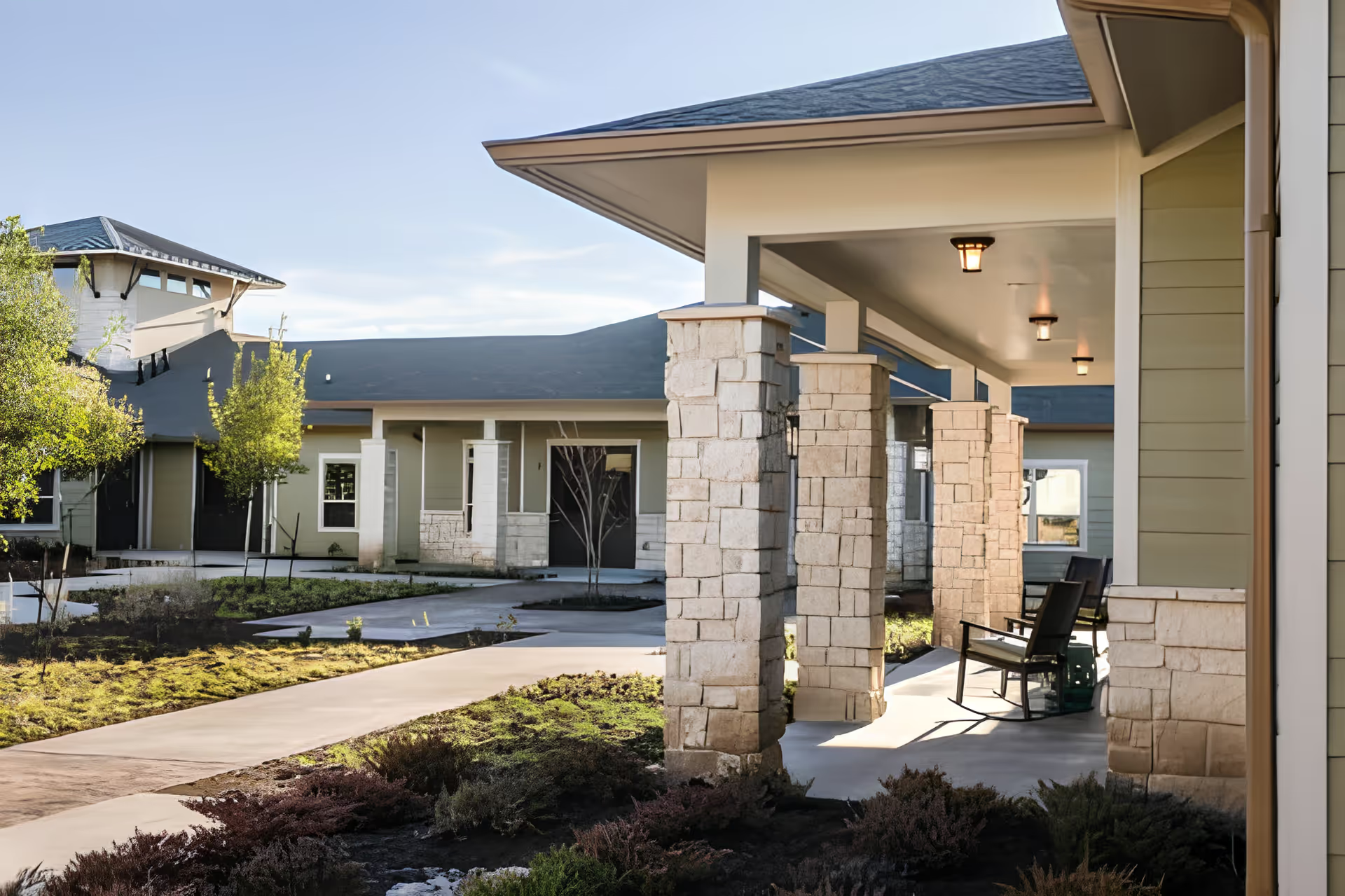
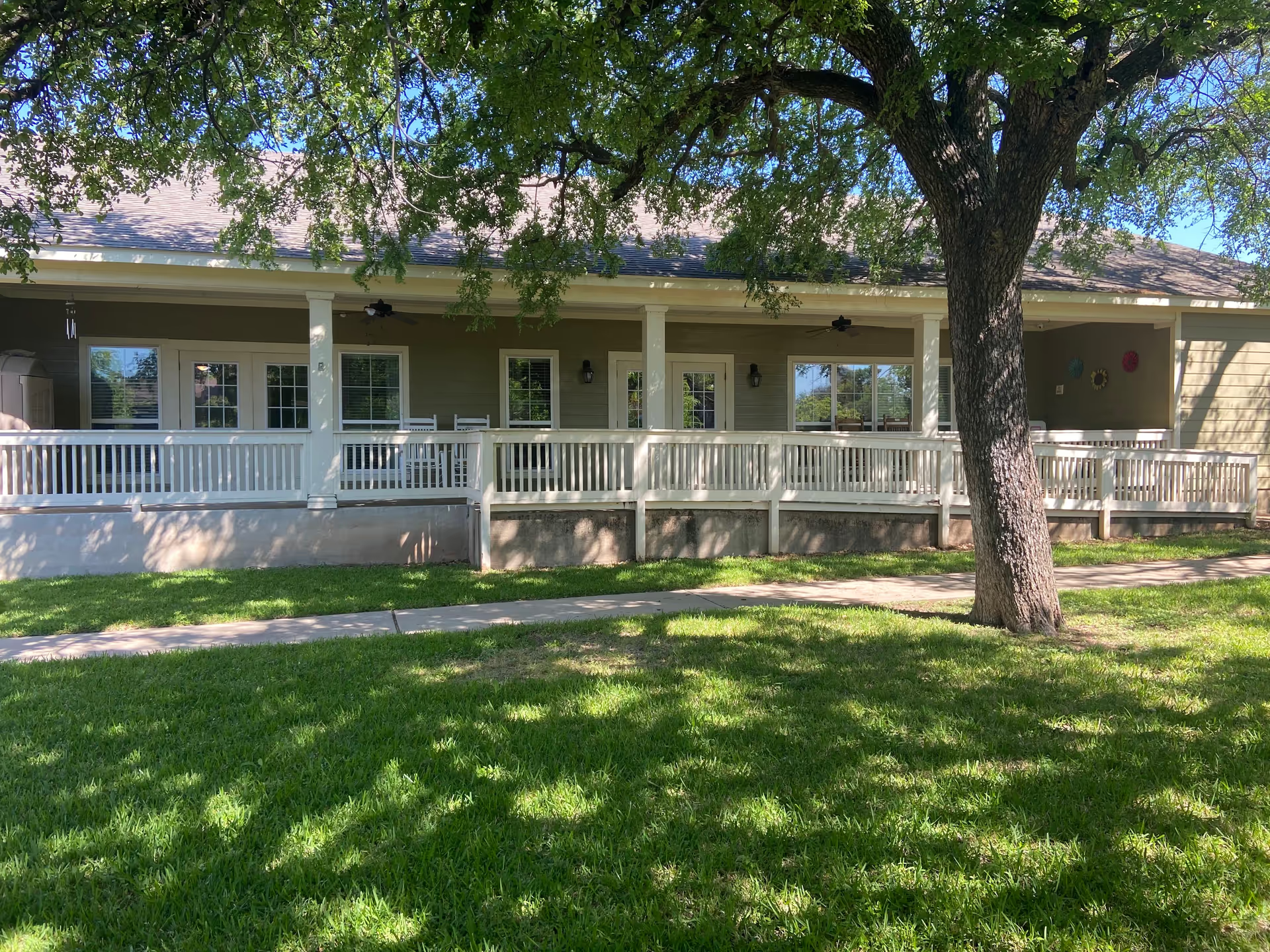
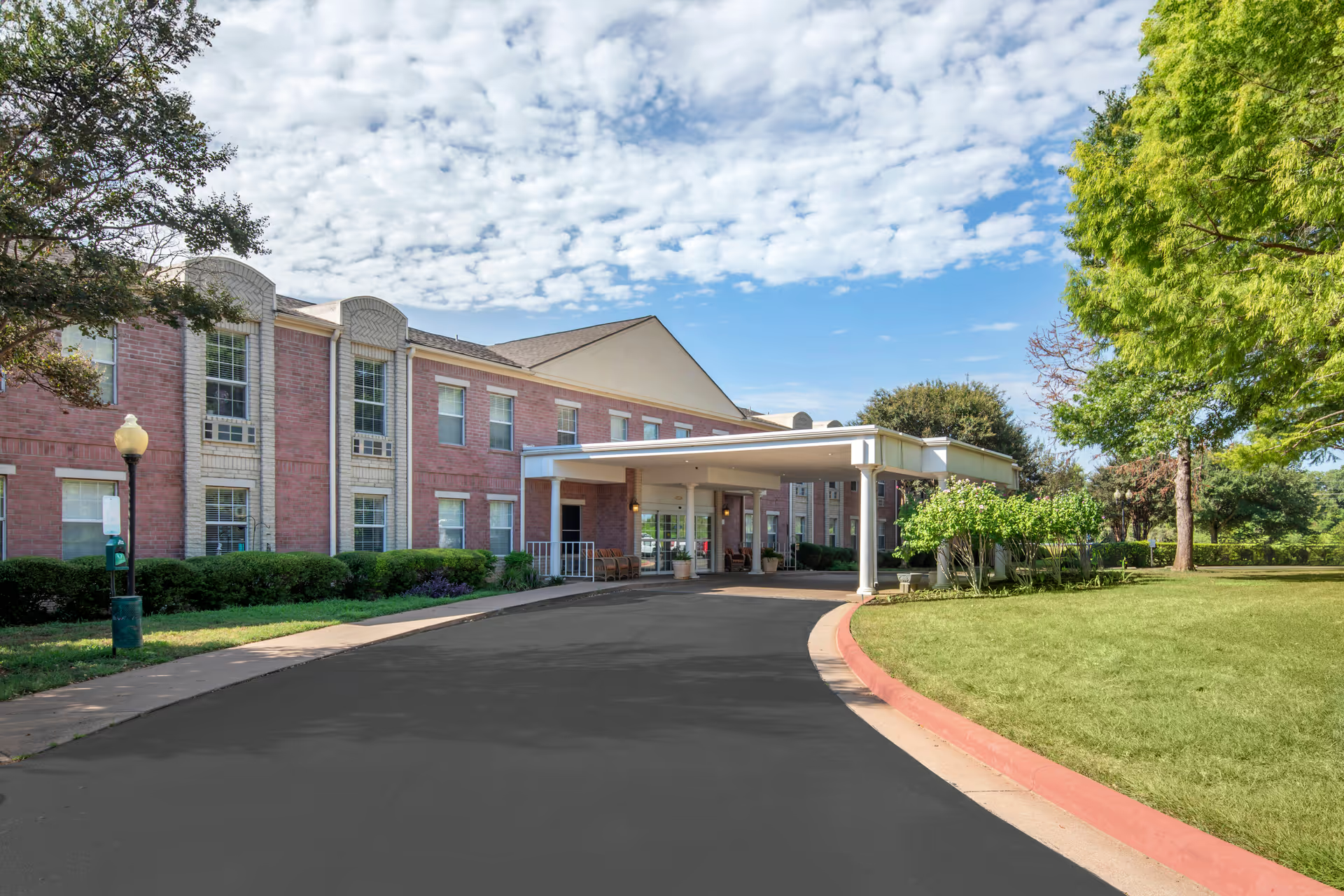
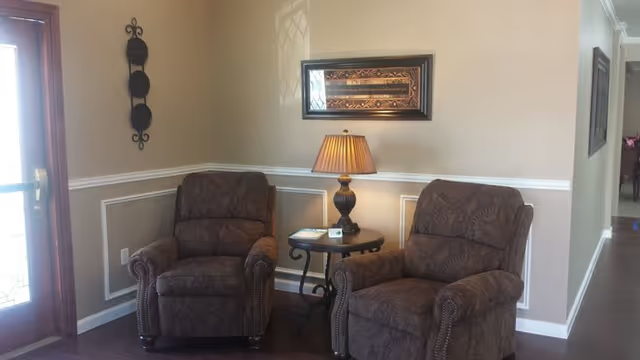
Facilities and operations: Physical spaces are routinely described as clean, bright, and well cared for, contributing to a homelike atmosphere. Still, a few comments point to occasional room-level maintenance issues and limited on-site store/trip access. Operational weaknesses that emerge across reviews include inconsistent medication and property-management practices and delays in routine personal care—areas that have clinical and quality-of-life consequences.
Notable patterns and guidance: The dominant theme is strong, person-focused caregiving from many staff members and a lively activity environment that supports resident quality of life. Counterbalancing this are recurring operational concerns—staffing variability, uneven clinical oversight, and sporadic issues with medication handling, skin integrity, and personal-care timeliness. For prospective residents and families, recommended steps include asking for current staffing ratios, reviewing recent quality or inspection reports, inquiring about wound-prevention protocols and medication-administration controls, and observing therapy sessions and activity programming during a visit. These targeted questions can help determine whether the facility’s strong cultural attributes are supported by consistent clinical and operational practices at the time of placement.