The reviews for Park Manor of Conroe present a markedly mixed picture with clear strengths and persistent operational weaknesses. On the positive side, many families and patients praised caregiving staff as compassionate and attentive; the admissions and front-desk/concierge teams were frequently described as helpful and organized. The facility’s rehabilitation and therapy programs receive consistent praise — several reviews singled out therapists and therapy leadership for effective, outcome-oriented care. Activities programming (movies, seasonal events, outings) and accessible on-site specialty services including wound care and pressure-injury treatment were also noted as beneficial to residents’ recovery and social engagement.
At the same time, a recurrent pattern in the reviews points to variability in staffing and clinical reliability. Multiple accounts describe slow or inconsistent call-response times, delays in basic assistance (bathing, toileting assistance, repositioning), and uneven coverage on nights and weekends. These staffing gaps correlate with other concerns: delayed or missed medication administration, occasional medication errors or supply shortages, and inconsistencies in hygiene and incontinence-care processes. Because these are core safety functions, several families expressed that they needed to monitor care proactively while their relative was onsite.
Therapy and clinical services are a clear strength when they are available, but availability appears inconsistent. Some reviewers praised in-room therapy, strong therapy outcomes, and weekday coverage; others described limited or absent therapy on weekends or poor scheduling communication. Similarly, while wound care and certain clinical interventions are available, a subset of reviews described gaps in clinical-safety oversight — for example, issues documenting oxygen use, emergency-equipment readiness, and coordination with physicians — that warrant verification during admission.
Dining and daily living feedback is mixed. Many reviewers found meals acceptable and noted diabetic-friendly options, but others reported late meal delivery, missed tray service, and variability in food quality. Activities and social programming were often highlighted as strengths, though a number of reviewers observed little or no programming during certain shifts or units.
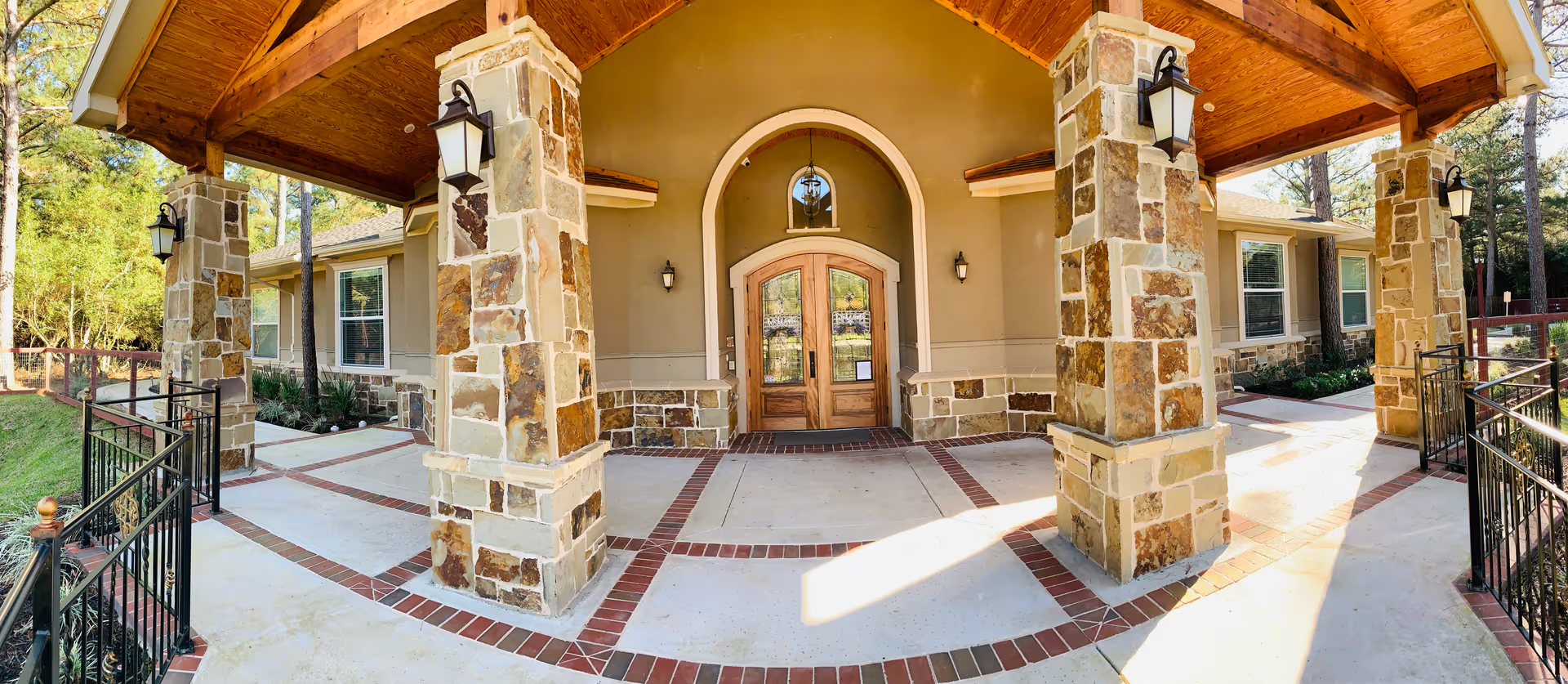
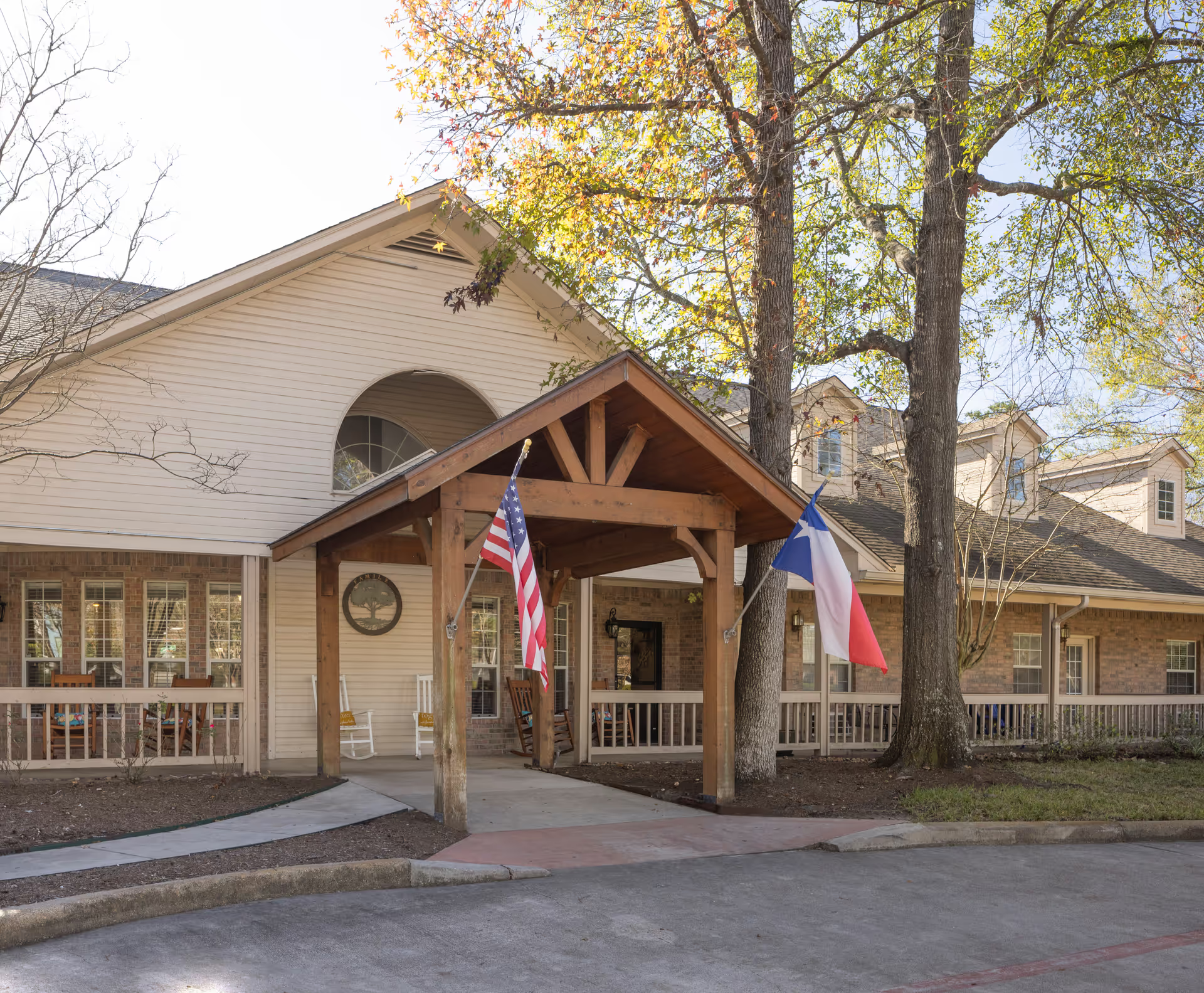
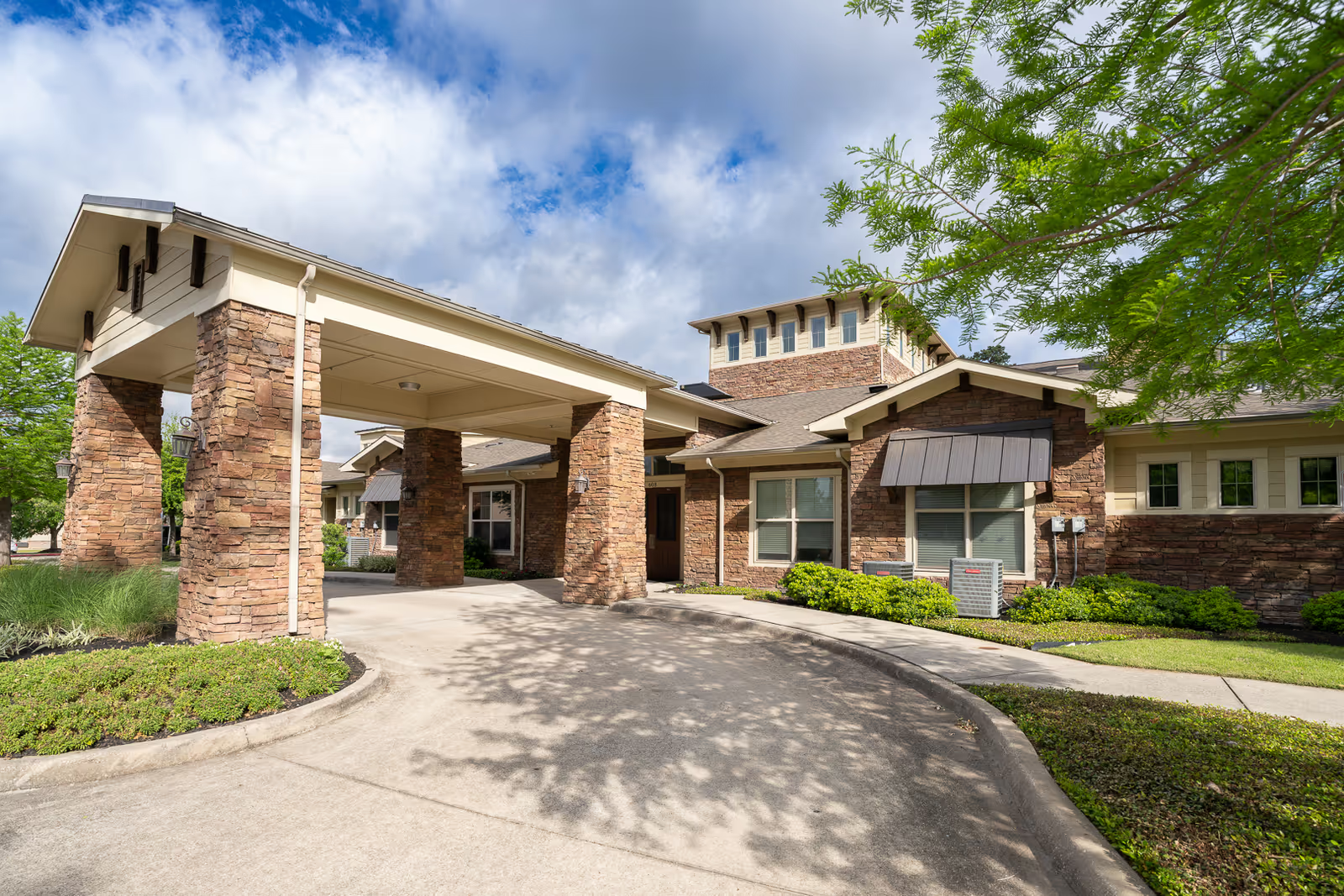
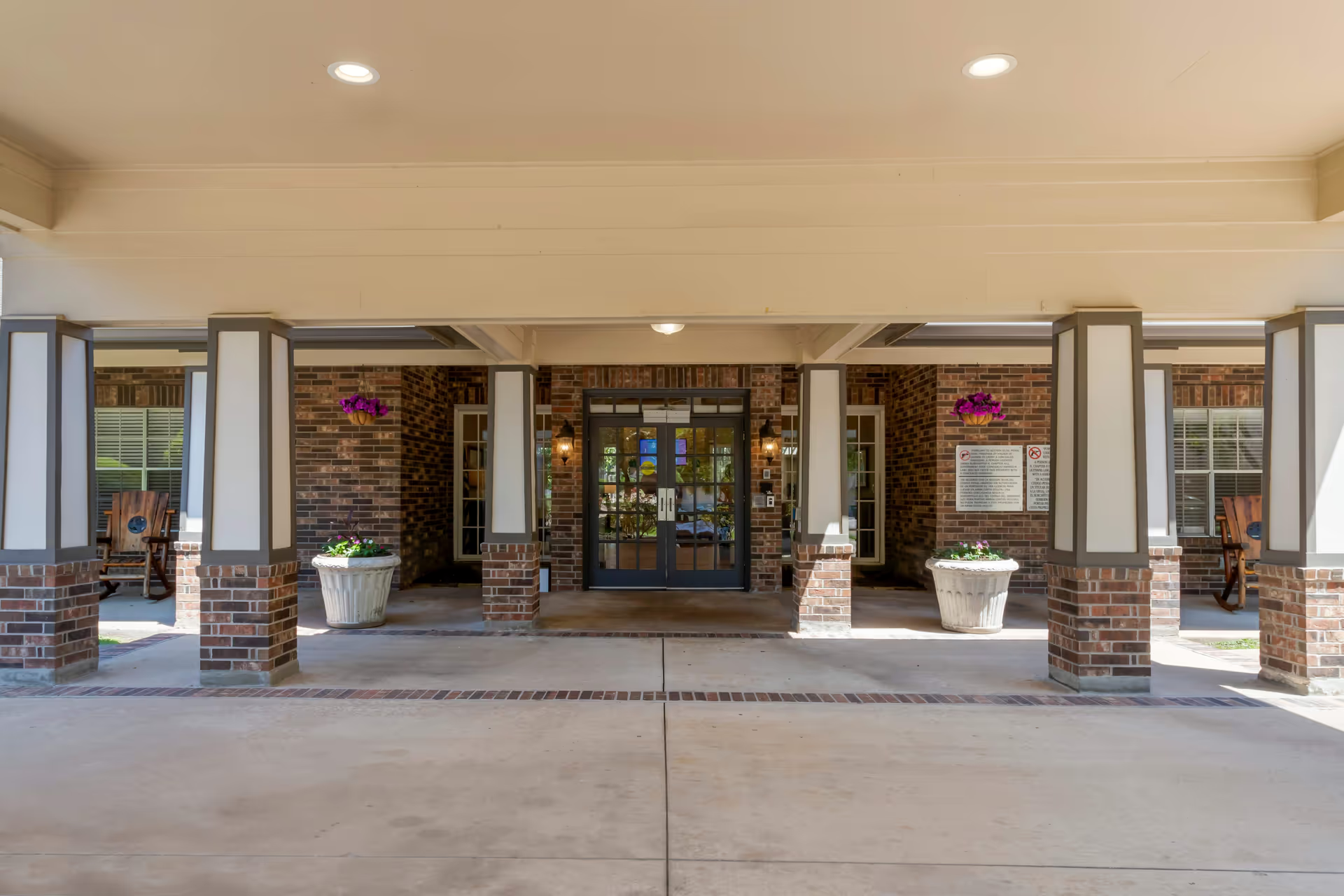
Facility condition comments are polarized. Many accounts describe a clean, well-maintained interior and positive state-survey references; conversely, a portion of reviews cite sanitation and odor concerns in some areas, maintenance issues (for example, mold or rust), and occasional problems with room readiness and equipment installation. Management and administrative themes show a similar split: admissions and some unit managers earned praise for helpfulness and communication, while others reported delays in paperwork, poor discharge coordination, slow leadership responsiveness, and billing problems. Notably, there are serious financial-administration concerns in some reviews, including allegations of theft and irregular billing practices; these are substantial matters that families should investigate directly with facility leadership and regulators.
Overall, the pattern is one of significant variability: Park Manor of Conroe can deliver strong rehabilitation, compassionate staff interactions, and engaging programming, but these strengths coexist with operational weaknesses that affect safety and family confidence for some residents. Prospective residents and families should perform an in-person assessment focused on current staffing ratios, weekend/night coverage, medication reconciliation and supply controls, emergency-equipment checks, infection-control procedures, sample meal timing, and billing transparency. Asking for recent state survey results, incident-reporting procedures, and written care plans will help clarify whether the facility’s strengths align with an individual resident’s clinical and safety needs.