Experiences at The Brightpointe vary considerably. Many residents and families describe attentive, compassionate care and meaningful rehabilitation progress, while other accounts describe inconsistent day-to-day support. Positive experiences include recovery after surgery, fractures, and serious illness, with residents improving mobility, strength, transfers, and independence. The rehabilitation team—especially physical and occupational therapy—is frequently praised for encouragement and individualized care. Some accounts also commend speech therapy, wound care, and access to medical specialties. However, other families report missed or irregular therapy, limited assistance with basic care, and delays in responding to requests. These contrasting experiences suggest that the quality and consistency of care can differ across stays and care teams.
Staff interactions are similarly mixed. Families often describe nurses, aides, therapists, and support staff as kind, professional, and respectful; some specifically value responsive administrators, social workers, and staff who help families stay connected with residents. Conversely, other accounts raise concerns about delayed responses, uneven bedside manner, and difficulty reaching staff or obtaining timely updates. Medication concerns include delays, missed or incorrect administration, and problems arranging prescriptions around discharge. Reviewers also describe gaps in clinical monitoring and follow-through when a resident’s condition changes. One account raised concerns about the timeliness of comfort measures during an end-of-life stay.
Personal care and housekeeping are recurring areas of concern in critical accounts. Families describe inconsistent bathing and toileting assistance, delays in incontinence care, and missed changes to linens or room cleaning. Other accounts praise clean rooms and daily housekeeping, so standards appear uneven rather than uniformly poor or strong. Reports of misplaced or poorly handled belongings also point to a need for reliable tracking and storage practices. Safety concerns include inconsistent monitoring and assistance for residents at risk of falling, as well as concerns about communication with families after clinical events.
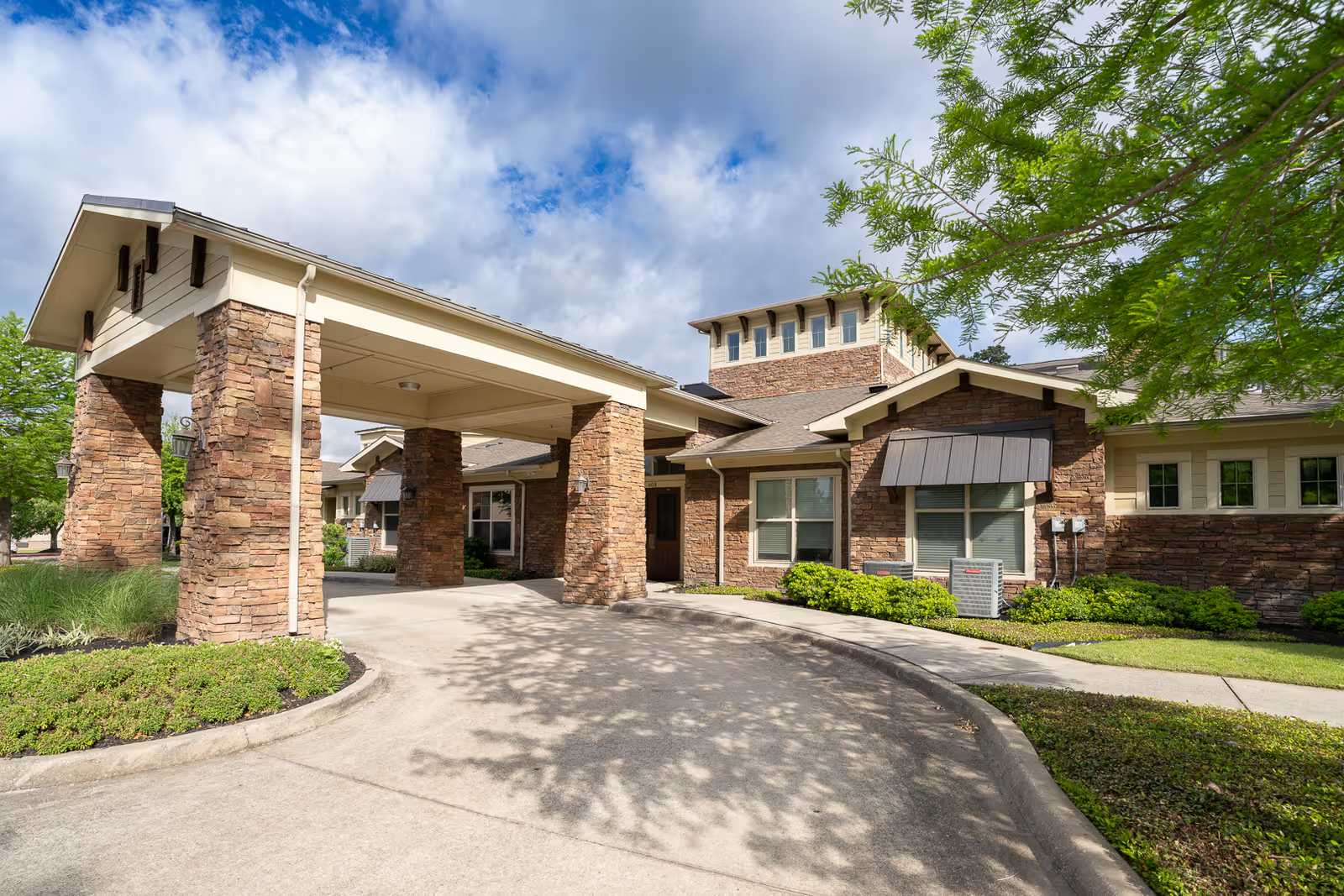
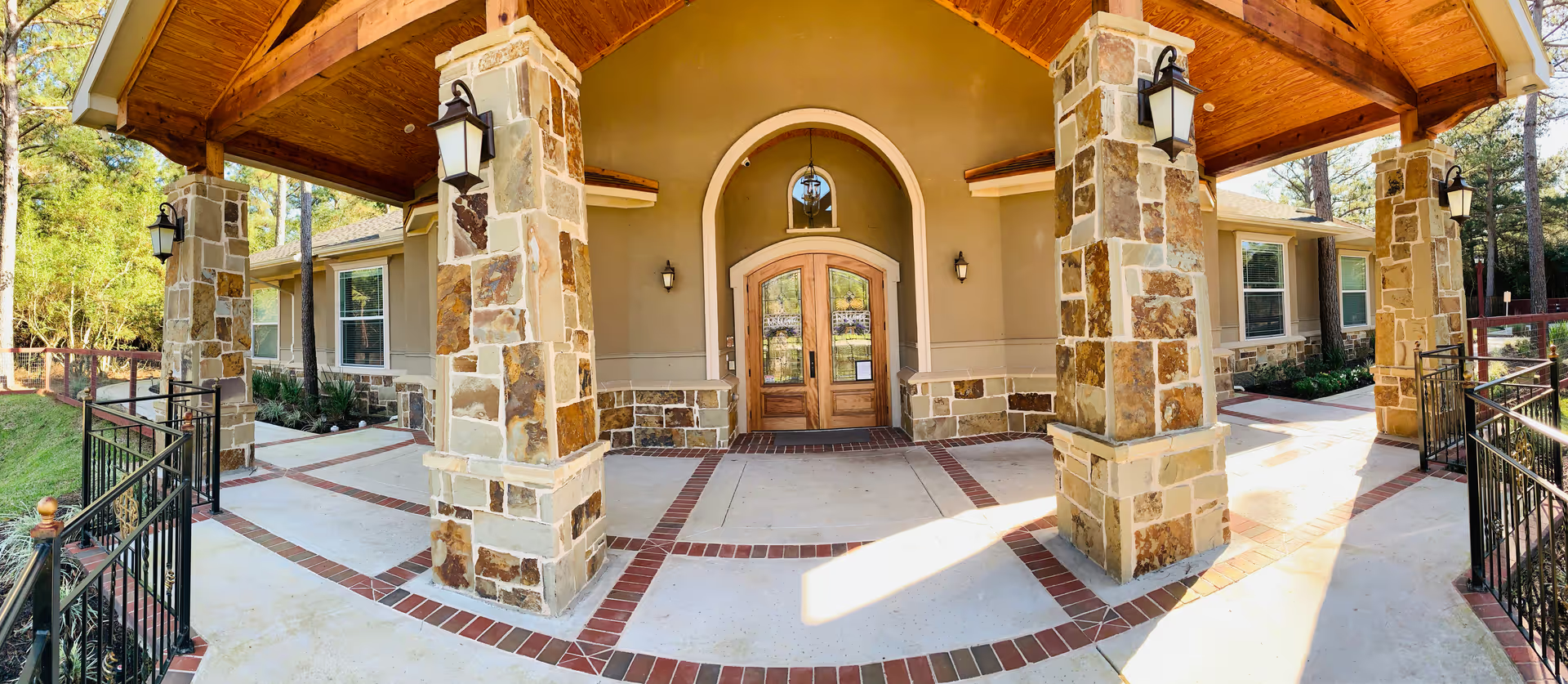
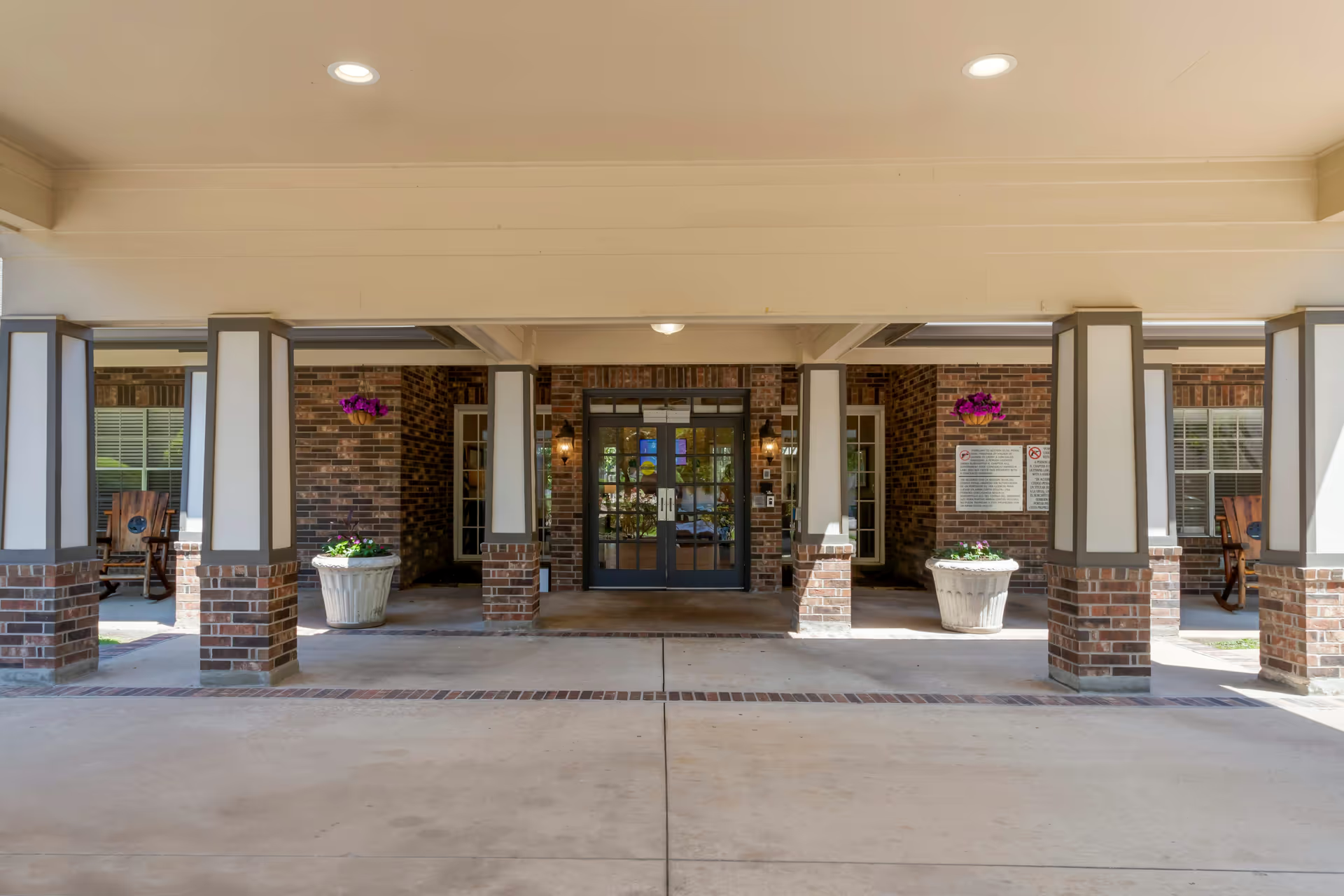
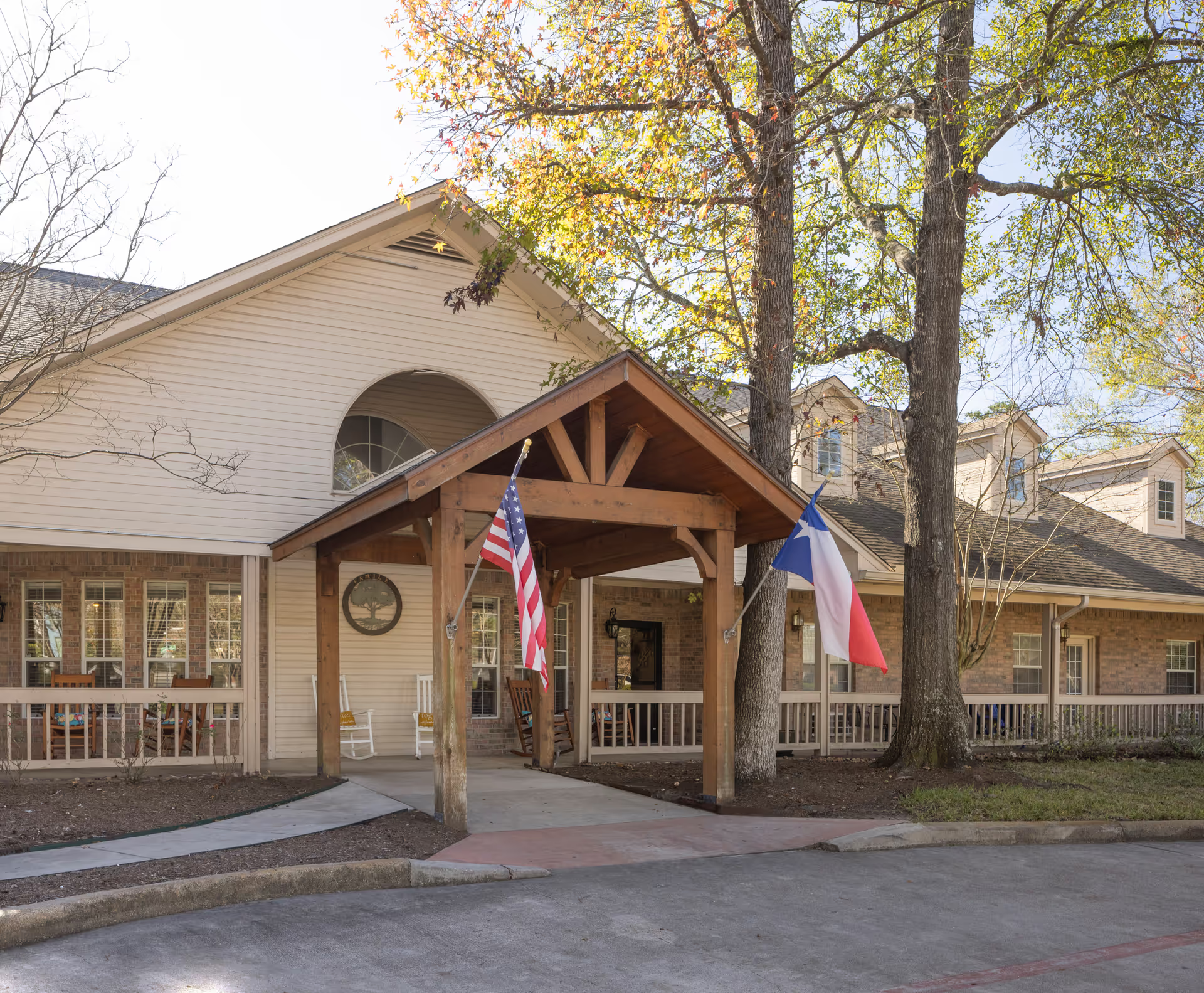
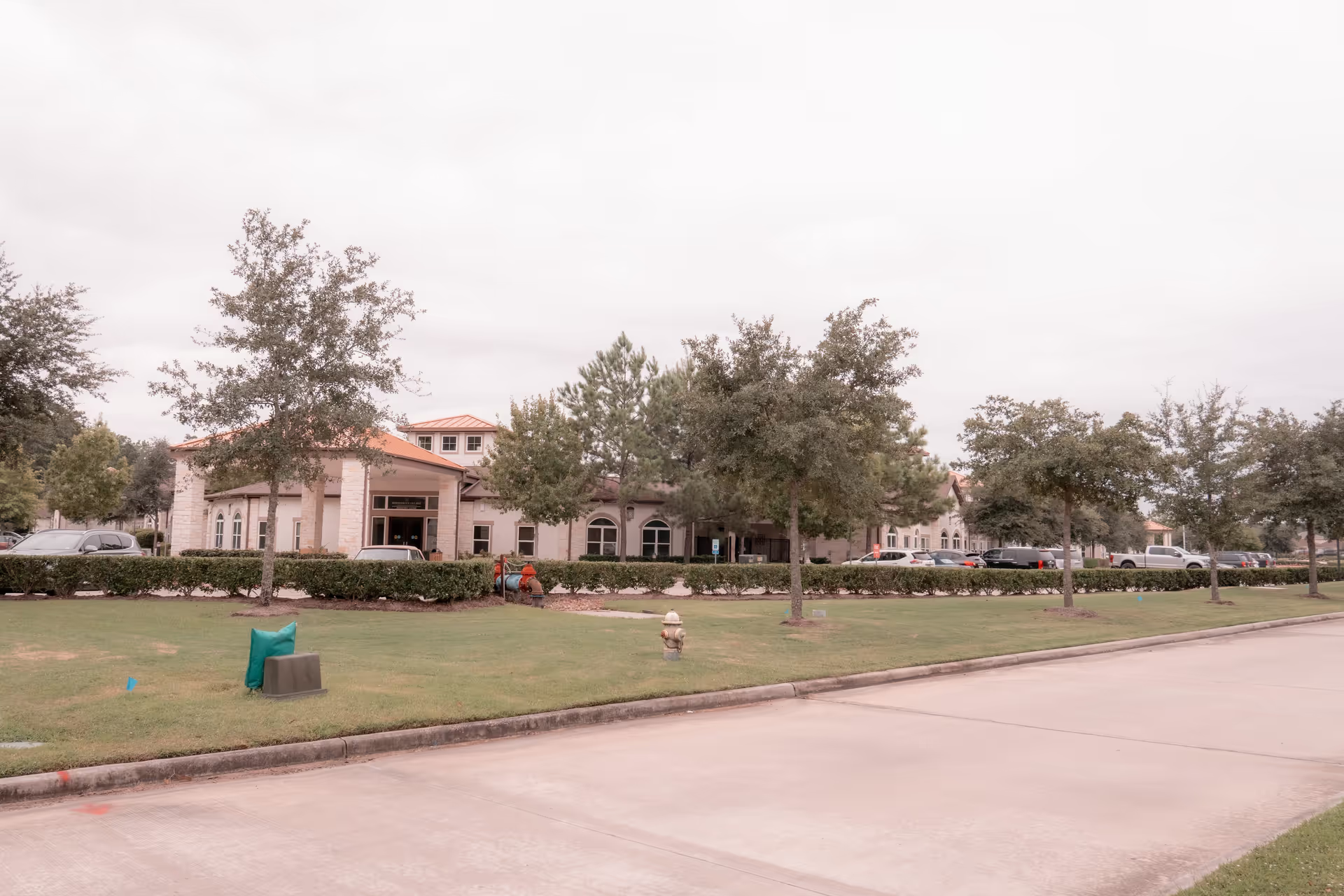
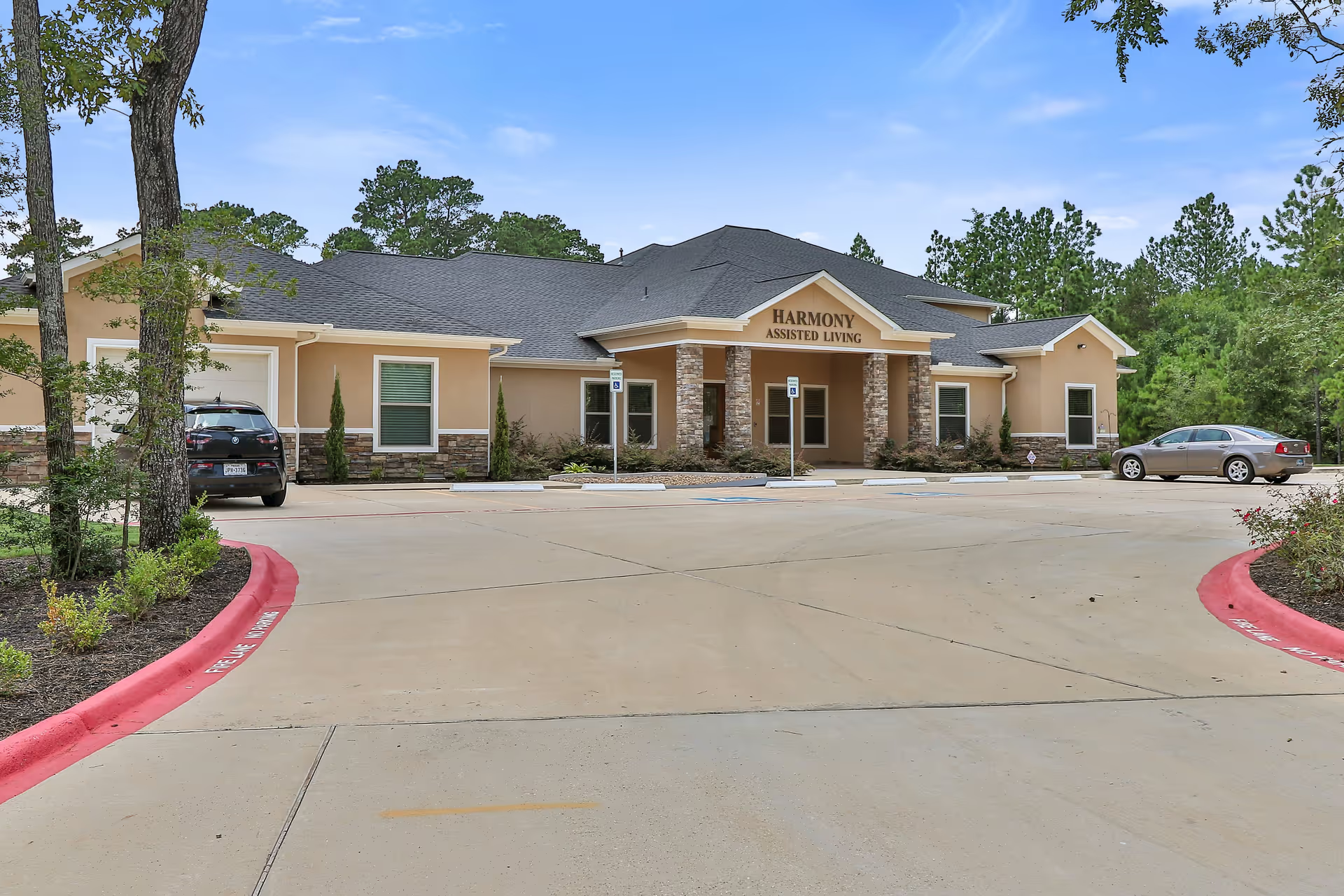
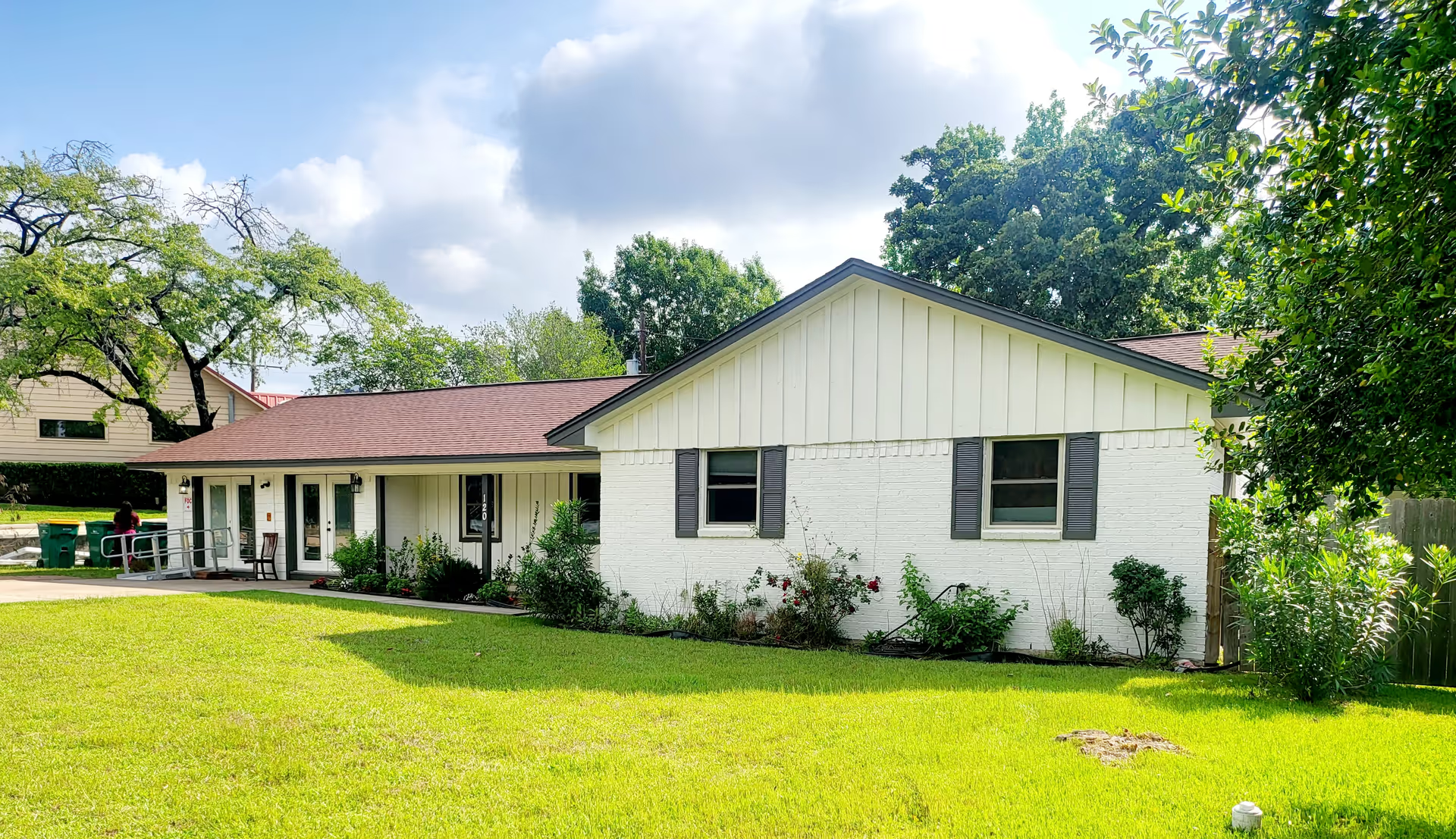
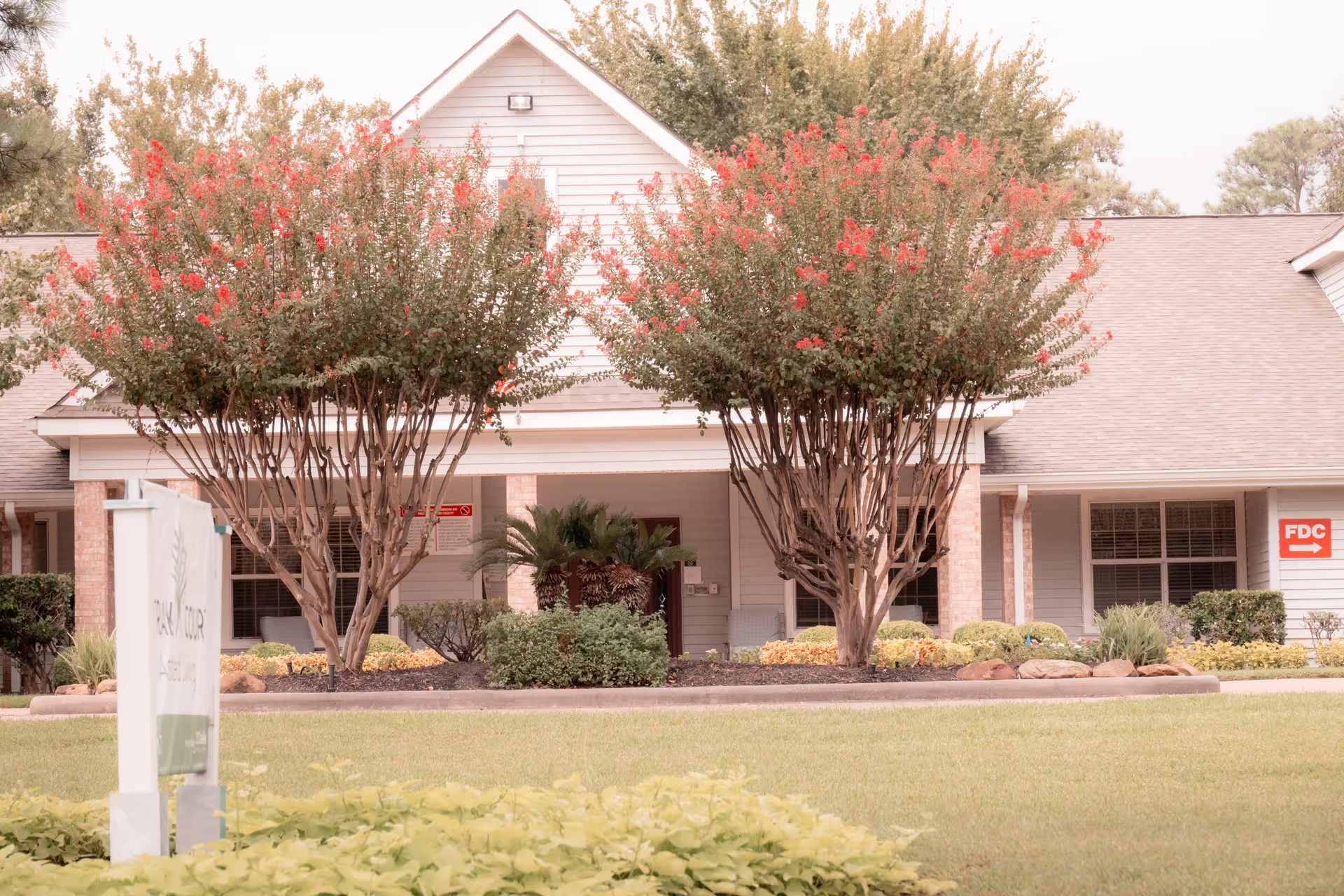
The building itself is often described as attractive, modern, spacious, and well maintained, with private rooms, comfortable shared areas, and patios. Activities staff and programming receive positive attention, including organized events and efforts to engage residents. Some visitors, however, say residents needing mobility assistance were not reliably helped to reach dining or activity areas, and some describe stays with limited social interaction. Dining feedback ranges from favorable comments about food and available alternatives to criticism of meal quality and concerns about adherence to prescribed diets.
Management and care coordination also draw mixed feedback. Some families praise clear communication, prompt problem-solving, and support with transitions; others describe difficulty obtaining records or updates, arranging transportation, coordinating discharge, and resolving concerns. Overall, the reviews present a facility with notable strengths in rehabilitation, physical surroundings, and individual staff contributions, alongside recurring concerns about consistency in nursing responsiveness, personal care, medication processes, housekeeping, and communication. Families considering the facility may wish to ask how staffing, therapy schedules, medication reconciliation, family updates, and support for residents with mobility or cognitive needs are handled during a typical stay.