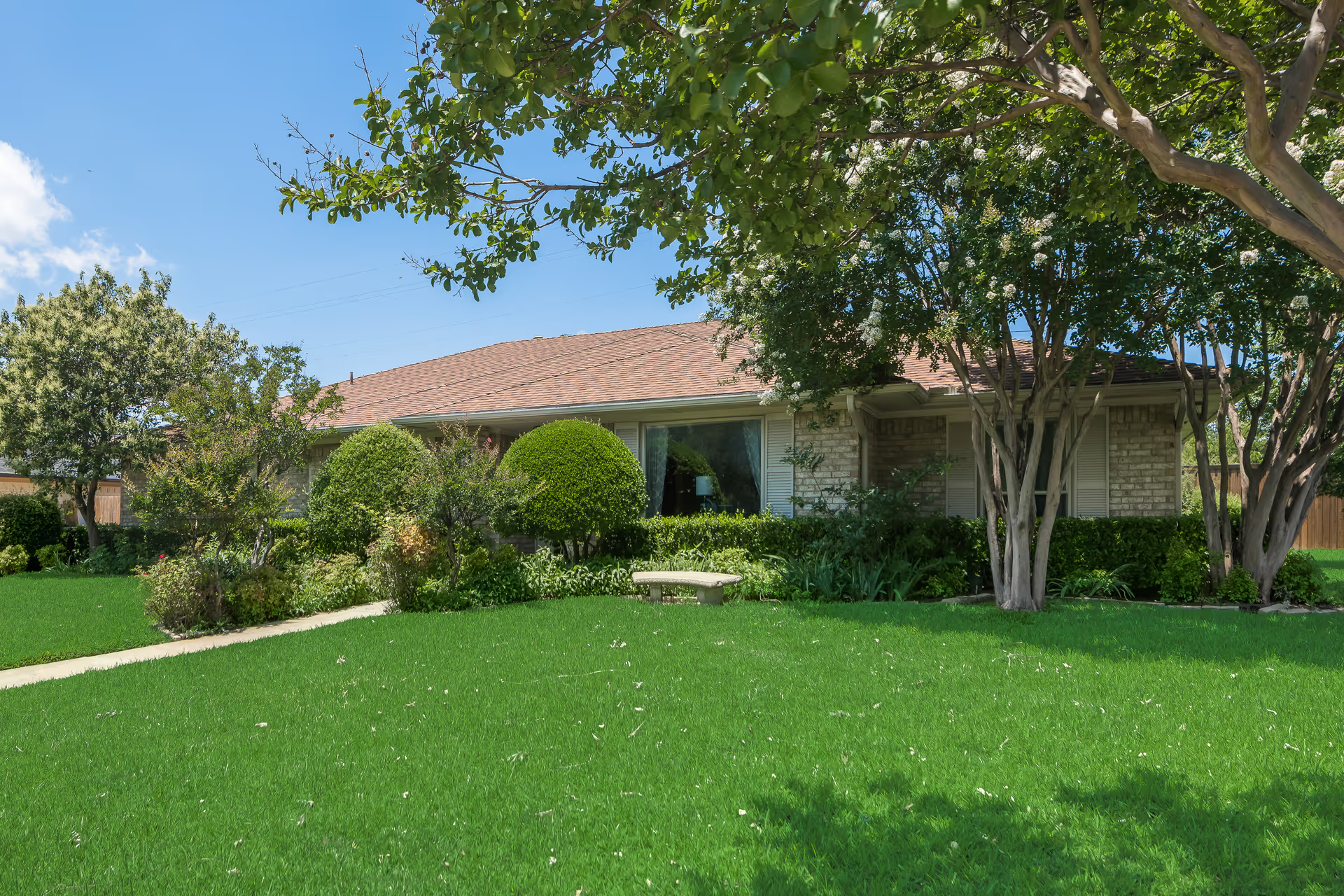
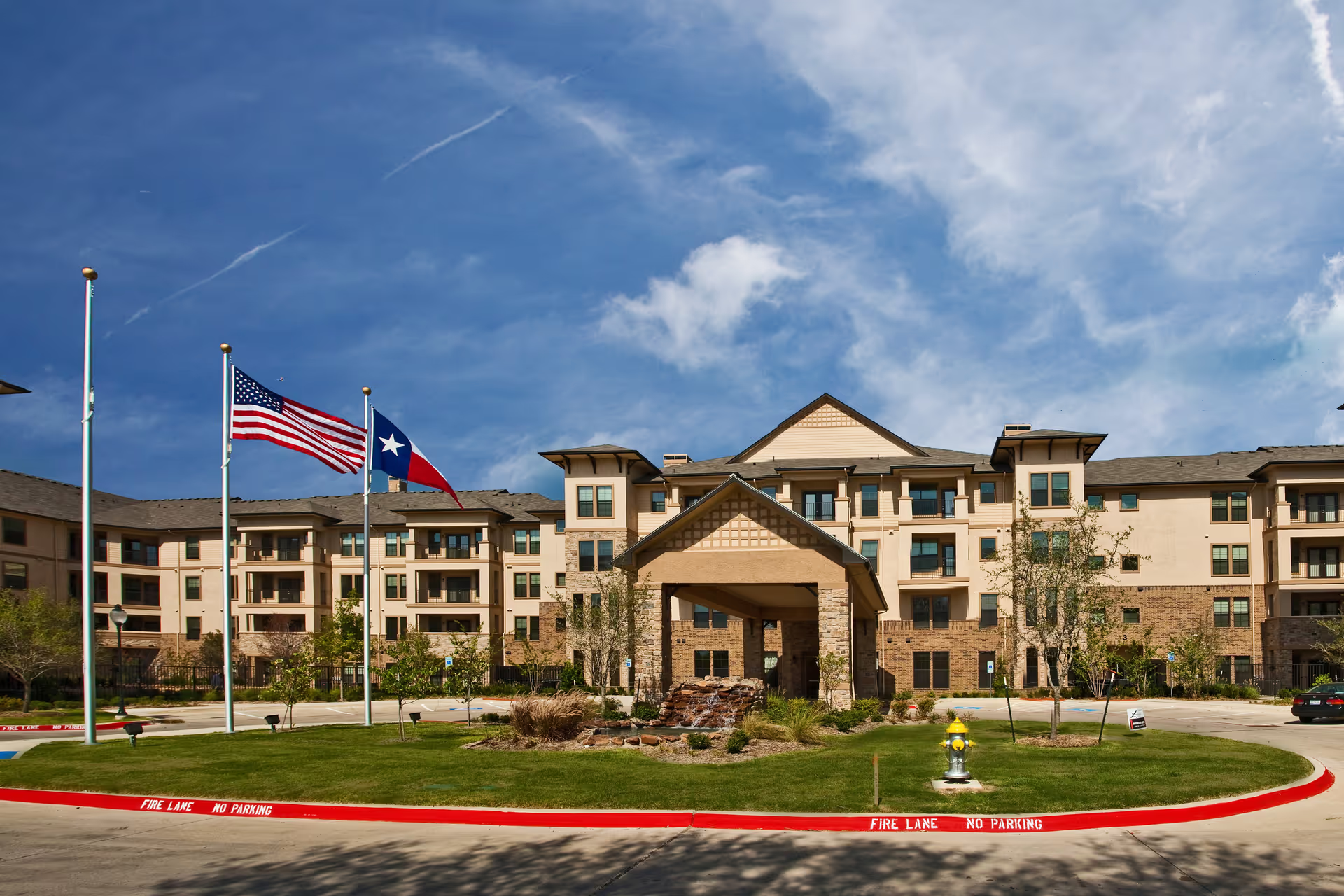
Sandy Lake Rehabilitation and Care Center elicits strongly mixed impressions. Many families praise the facility’s rehabilitation services, therapy teams (physical, occupational, speech), and an activities program that several describe as creative, inclusive, and well-run. Admissions and intake staff are frequently noted as helpful, and numerous accounts describe attentive CNAs and therapists who supported measurable clinical progress. Common-area cleanliness, landscaping, and certain rooms are often singled out positively, and private-room options and equipment availability are appreciated by some families.
At the same time, a recurrent pattern of operational weaknesses appears across reviews. Staffing levels and turnover are commonly cited as persistent concerns, and reviewers describe slow or unreliable responses to call bells and personal-care needs. Several accounts point to inconsistent medication administration (late doses and coordination problems), gaps in bathing and incontinence-care processes, and variability in wound or skin-care follow-through. These issues are frequently framed as systemic — related to workload, staffing mix, or reliance on agency personnel — rather than isolated incidents.
Dining and daily living receive mixed assessments. A number of families find the food adequate or appreciate individualized meal accommodations when available; others find menu variety limited, experience late or cold meals, or note dietary errors. The activities program and several named activity leaders receive consistent positive feedback for keeping residents engaged and socially included. Maintenance and common-area cleanliness are often praised, yet there are repeated mentions of variable sanitation in resident rooms, bathrooms, and on equipment such as rolling trays; laundry and personal-item handling are also a recurring operational problem.
Communication and management are important differentiators in family experiences. Positive reports describe clear, timely updates and proactive staff; negative reports cite inconsistent family communication, slow coordination during medical events or transports, and frequent leadership changes that undermine continuity. A small number of reviews raise serious concerns — including allegations of theft and concerns following a resident’s death — which families said prompted state-level attention; such accounts suggest the need for external follow-up and family vigilance. Overall, prospective residents and families may find Sandy Lake offers strong rehabilitation and an active social program, but should carefully assess current staffing levels, medication-management practices, sanitation in resident rooms, and the responsiveness of nursing and administration before committing, especially if they cannot provide regular advocacy on behalf of a loved one.