Reviews of Copperas Cove Nursing & Rehab present a mixed picture with clear strengths alongside recurring operational concerns. Many families praised the facility's caregiving teams, particularly nursing, CNAs, hospice staff, and the rehabilitation/therapy staff — describing attentive, compassionate caregivers who helped residents progress through short-term rehab and provided supportive end-of-life care. Admissions and insurance assistance received positive mention, and several reviewers highlighted clean rooms, pleasant common areas, volunteer involvement, and a community-oriented atmosphere.
At the same time, a consistent theme is variability in staff performance and responsiveness. Multiple accounts describe strong care on some shifts (often evenings) and poor responsiveness or abrupt communication on others (frequently mornings). Reviewers also raised concerns about staffing levels and morale, which contributors linked to long wait times for assistance and inconsistent attention to personal-care tasks such as bathing and wound dressing. Clinical-concern themes include inconsistent medication-management (with specific concerns around insulin administration), episodes requiring hospital transfer, and infection-prevention gaps that families found worrisome.
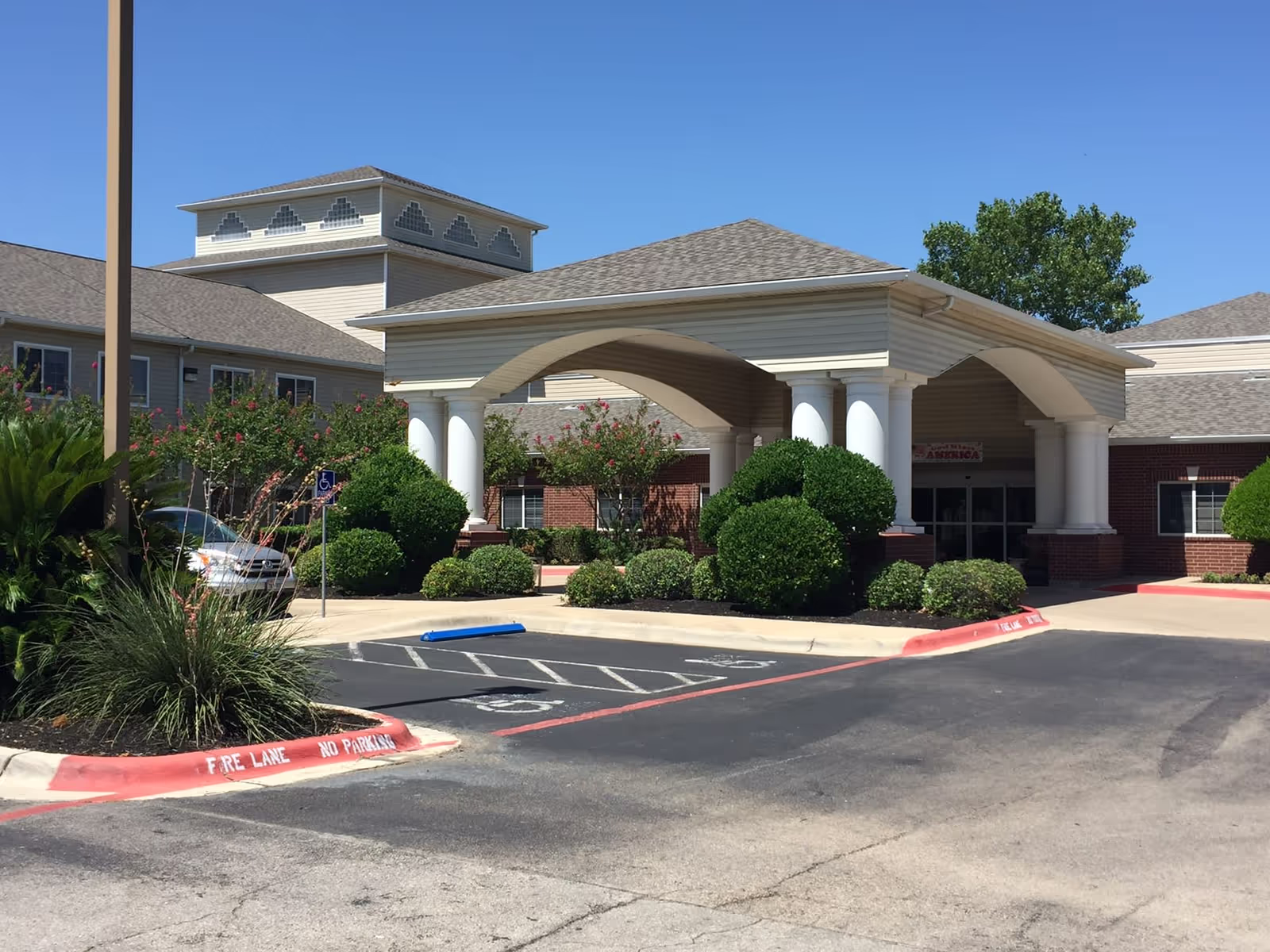
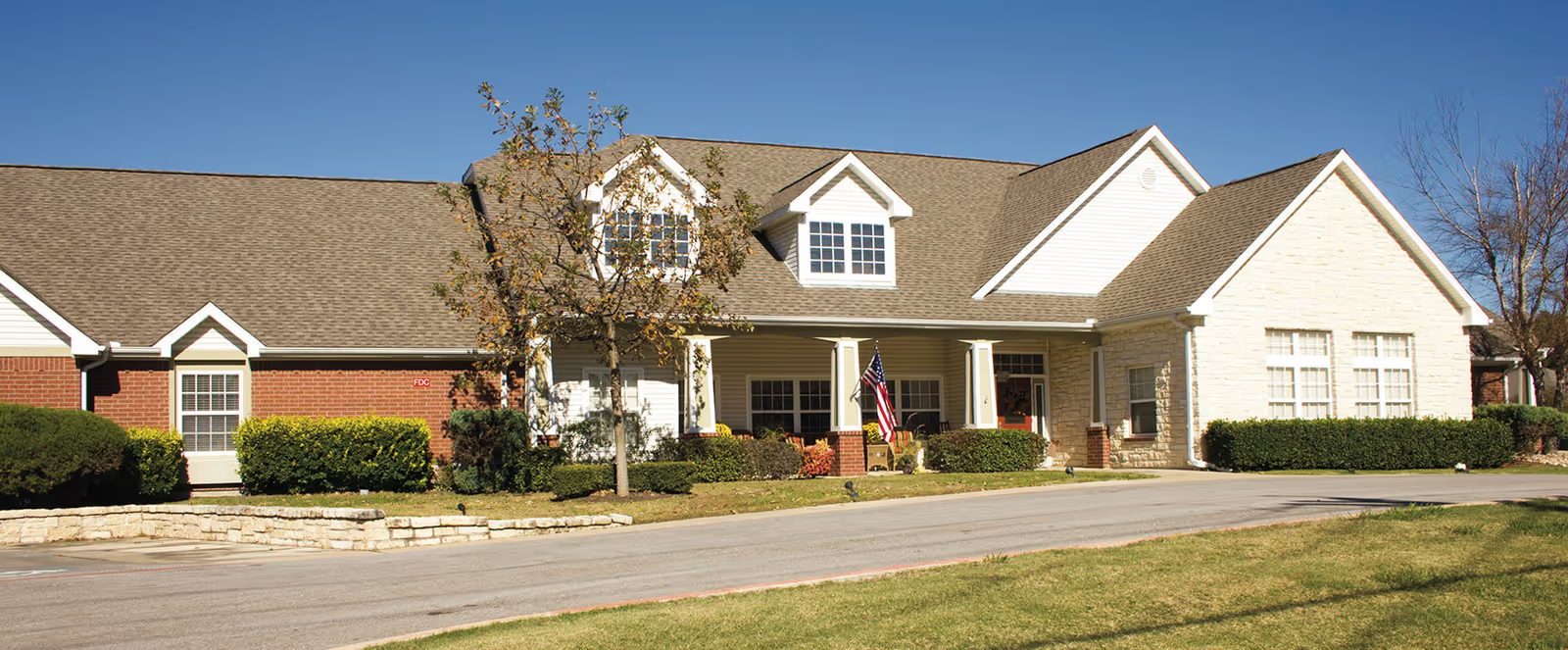
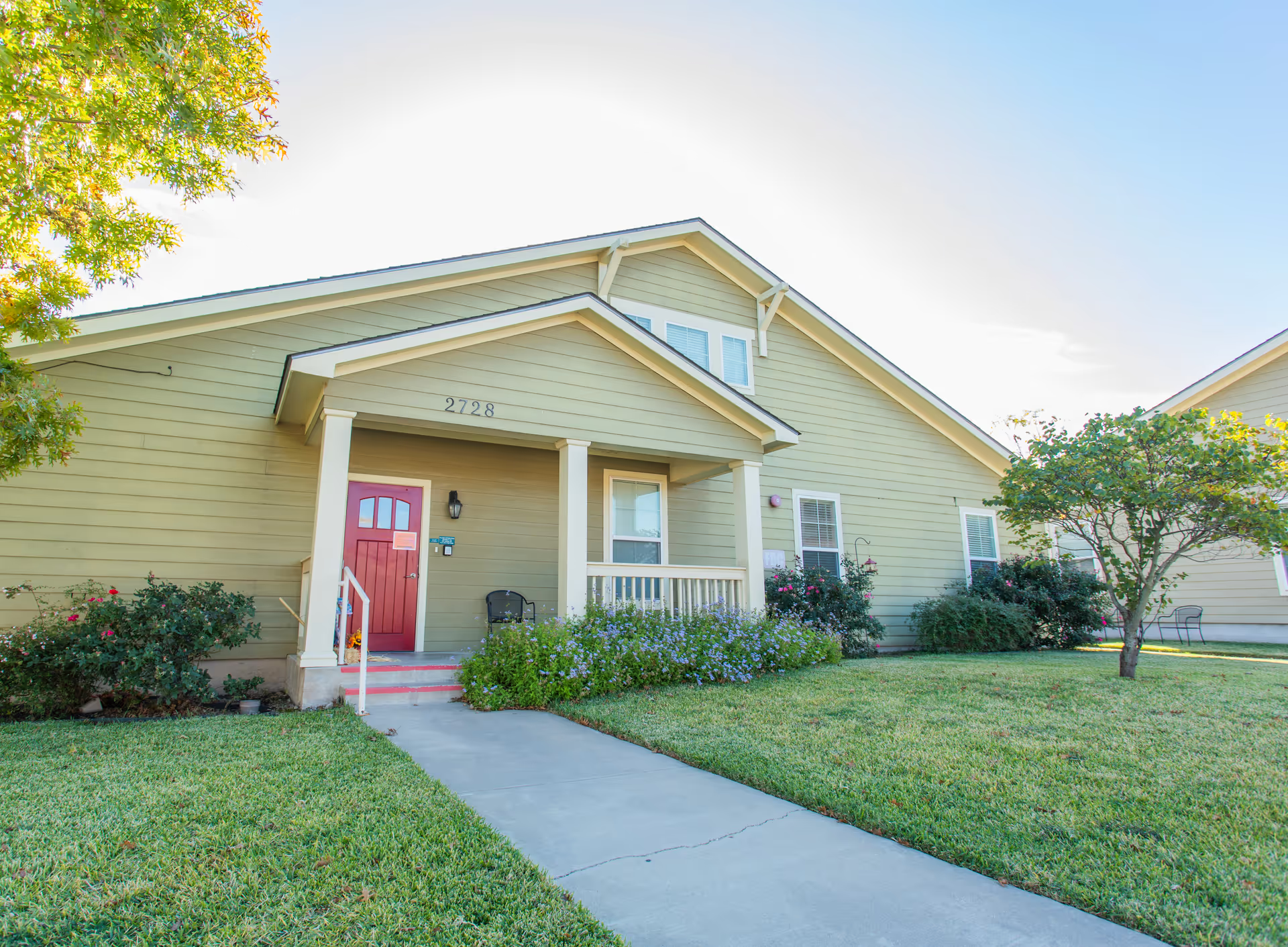
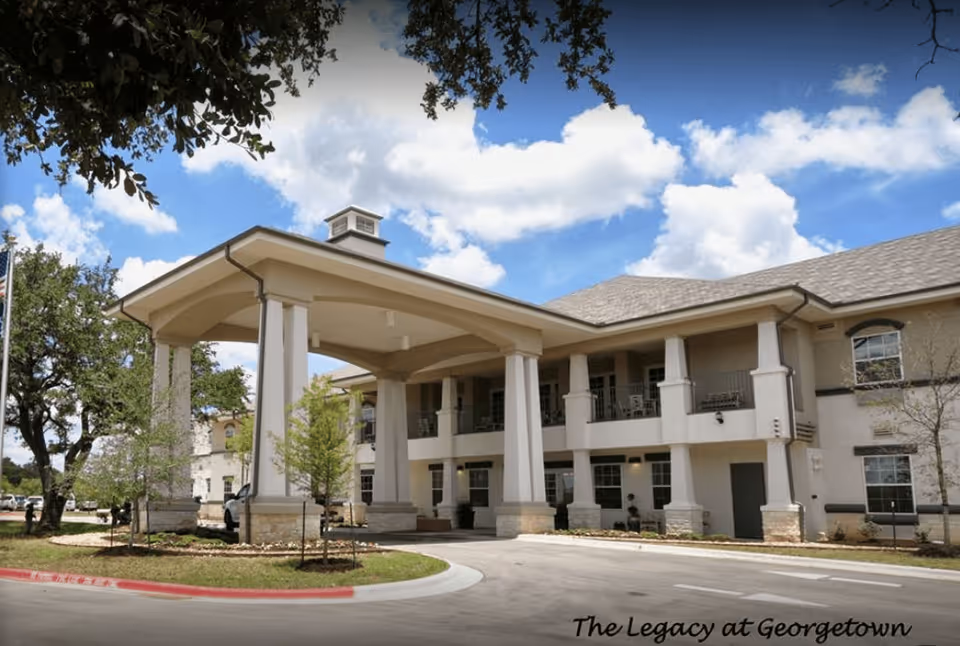
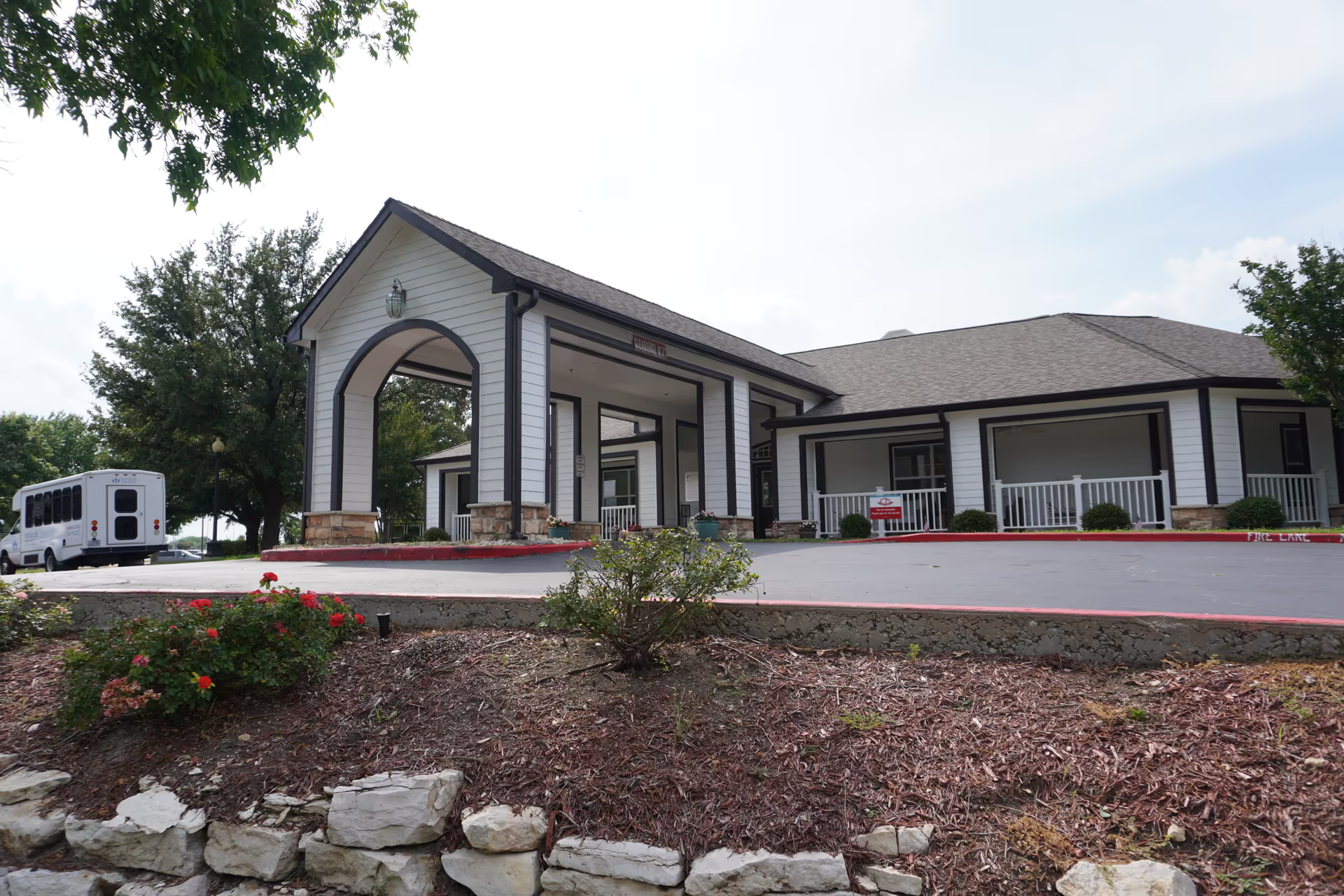
Dining and activities are areas of mixed feedback. Several families praised meals and the therapy/rehab program, and a regular activities calendar with items like bingo and scheduled events was noted positively. However, others described inconsistent meal quality and limited daytime programming or access to fitness/therapy amenities. Facility condition reviews likewise vary: some guests found rooms and common spaces clean and welcoming, while others described odor concerns, outdated furnishings and equipment, and localized sanitation or pest-control issues. Exterior and common-area aesthetics were generally seen as strengths compared with some interior maintenance items.
Management and policy issues were also raised. Admissions and admissions-staff responsiveness are cited as a strength, yet there are multiple mentions of disputes over placement type or discharge notices and concerns about communication and perceived prioritization of operational or financial goals over family communication. A small number of reviews referenced regulatory attention and serious incident allegations; these elevate the need for prospective families to review inspection records and ask specific operational questions.
Given the variability in experiences, prospective residents and families would benefit from in-person, multi-timepoint tours (including different shifts), direct questions about staffing ratios, medication administration protocols, infection-control measures, bathing and wound-care procedures, and clarification of admission/placement policies. Reviewing recent state inspection reports and speaking with current families can help clarify whether the facility’s strengths — particularly its therapy program and many compassionate staff — align with a particular prospective resident’s clinical and daily-living needs.