Hill Country Heights elicits a wide range of impressions that cluster into distinct strengths and operational vulnerabilities. Many families and residents praise the facility’s caregiving core: nurses, CNAs, and therapy teams are frequently described as compassionate, hands-on, and effective, with particular commendations for physical and occupational therapy, wound/pressure-injury care, and positive rehab outcomes that supported discharge home. Admissions and intake processes are often singled out as smooth and supportive, and several accounts note thoughtful family outreach and hospice coordination during difficult transitions.
Dining and activities are consistent strengths in the record. The facility operates an in-house kitchen that reviewers describe as producing home-style meals, and the activities program is active and varied (crafts, seasonal events, outings, and pet/therapy-animal visits). Residents and families who emphasize quality-of-life factors highlight a welcoming, family-like atmosphere, long-tenured staff, a dedicated activities director, secure electronic sign-in, shuttle services, and options for private rooms and short-term respite stays.
At the same time, a pattern of operational issues appears across reviews. Clinical responsiveness is inconsistent in some accounts — long call-bell response times, delays in personal-care assistance, and reports of late medication administration appear repeatedly enough to be a concern. More serious clinical-process gaps are implied by descriptions of delayed recognition or escalation of acute events; this is compounded for some families by the absence of an on-site physician, rotating nurse practitioners, and the need to repeat medical histories at each admission. Transfer safety and the inconsistent use of mobility aids are also noted as workflow gaps needing attention.
Sanitation and housekeeping feedback is mixed. Many reviews praise housekeeping and cleanliness, but others describe sanitation concerns and odor issues in certain areas, as well as variability in timely room and personal care cleaning. Dietary management is generally well regarded for the food itself, yet a subset of reviews cite inconsistencies with special-diet adherence and menu choices for residents with dietary restrictions. Communication and staff conduct present a divided picture: numerous reviews commend friendly, helpful staff and strong administrative contacts, while others report unprofessional tone, poor responsiveness by phone, and occasional curt or disrespectful interactions. A few reviews raise serious interpersonal-conduct allegations involving leadership or staff behavior; these are individual but significant and warrant administrative attention.
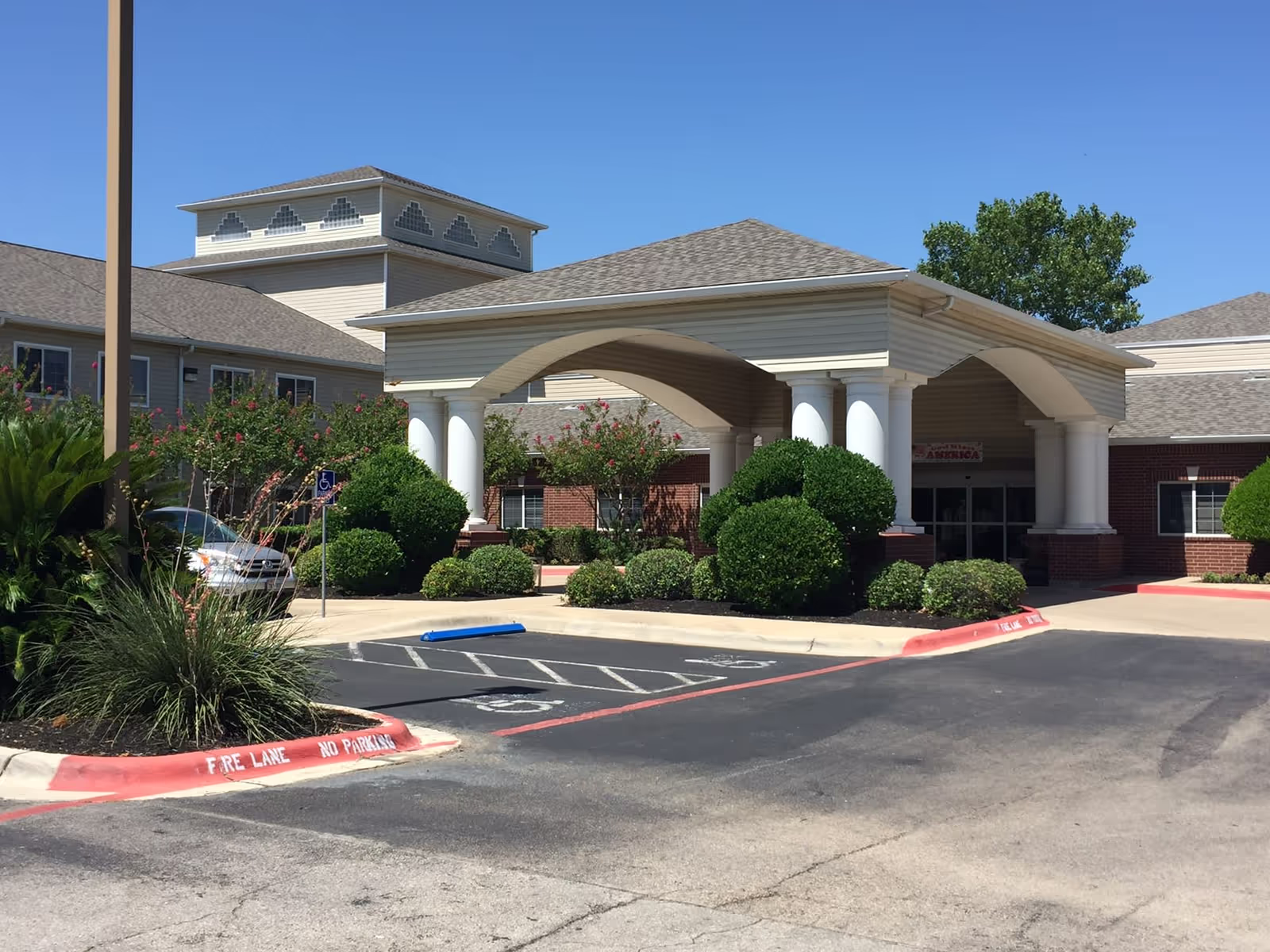
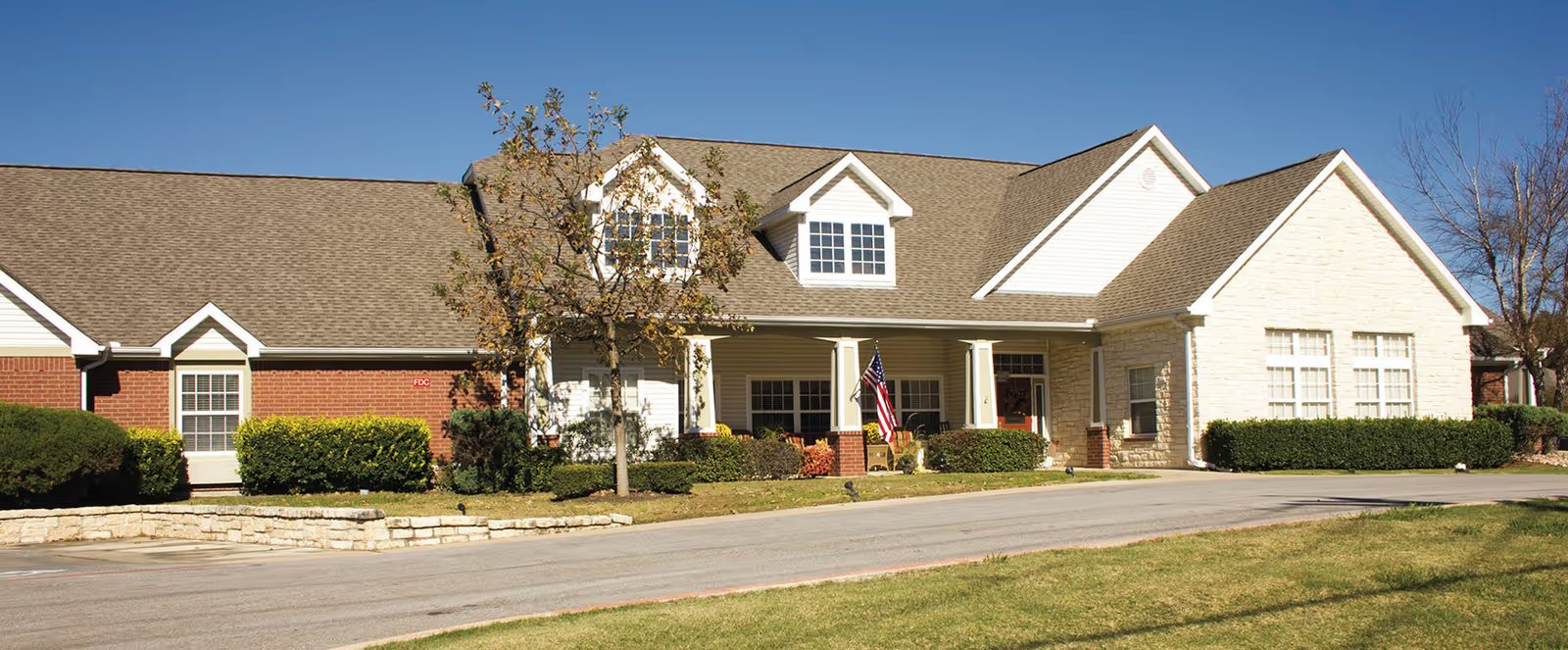
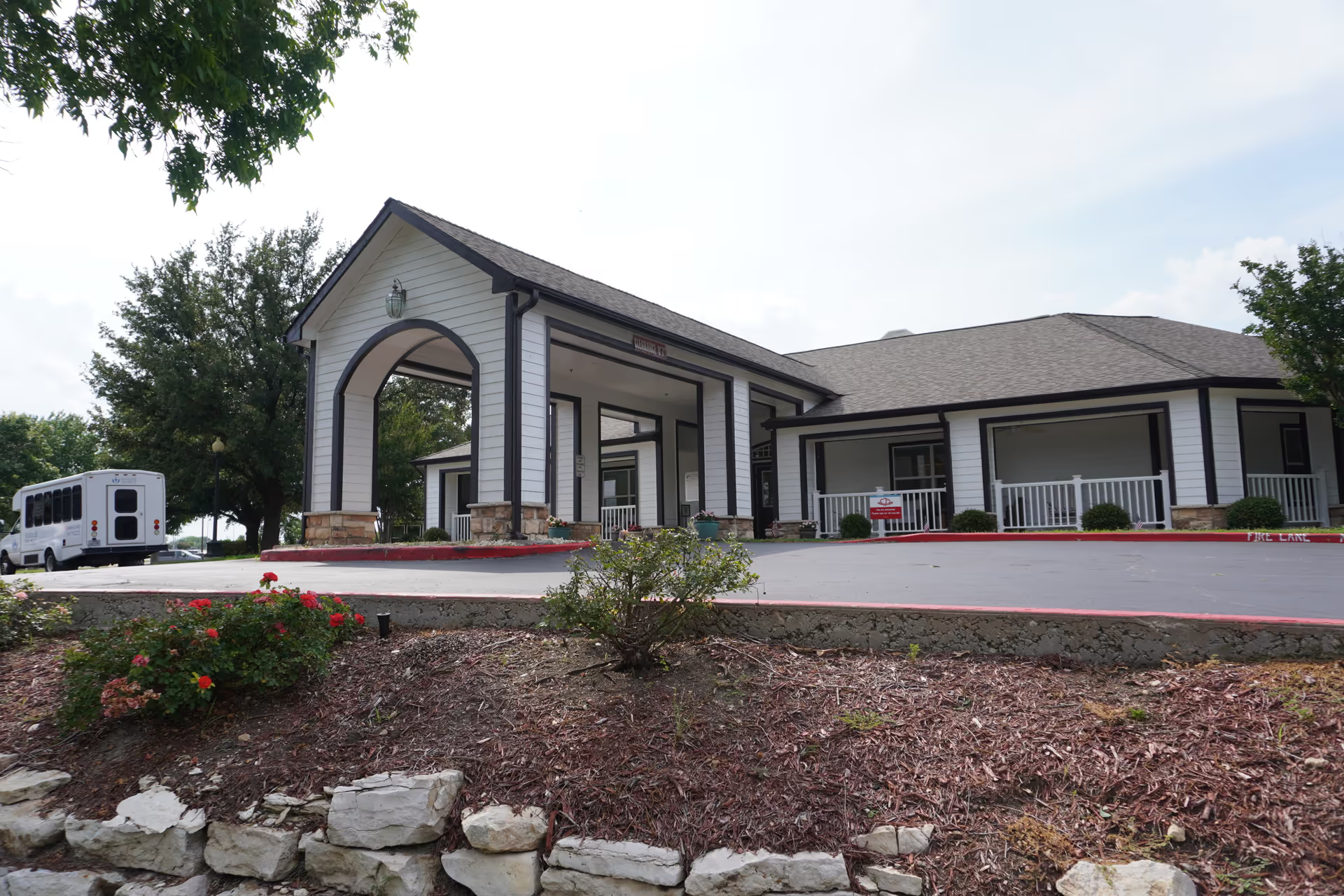
Facility condition and management practices are mixed. The building is described as aging with smaller rooms, though management activity on repairs and maintenance is noted positively by some families. Leadership and department responsiveness are praised in many accounts—particularly for admissions, activities, and therapy teams—but other accounts point to variable leadership follow-through on clinical concerns and family communication. In summary, Hill Country Heights offers strong therapy services, a robust activities program, and many caring staff members, but prospective residents and families should weigh those strengths against documented variability in clinical responsiveness, sanitation consistency, dietary adherence, and staff communication. Those considering placement may want to verify current clinical staffing patterns, response-time performance, and dietary protocols during a tour and discuss specific care oversight expectations with administration.