Overview: Reviews of The Hills Nursing and Rehabilitation present a predominantly positive picture of daily care and rehabilitation, tempered by a set of recurring operational concerns. The most consistent strengths described are the caregiving staff and therapy teams: reviewers frequently highlight compassionate, attentive nurses and aides, long-tenured leadership, and a cohesive rehabilitation staff that facilitates observable functional improvements and successful transitions home. Families commonly cited individualized attention, warmth, and end-of-life compassion as distinguishing aspects of the facility’s culture.
Care and clinical services: Clinical strengths include skilled nursing in areas such as wound care and coordinated therapy services that many families credited with improvements in mobility and cognition. At the same time, there are accounts describing delayed clinical attention and concerns about medication-management processes. Those reports suggest intermittent variability in response times and clinical oversight; while many residents receive timely and attentive care, prospective families should inquire about current staffing ratios, on-shift clinical coverage, and medication reconciliation protocols.
Staff and management: Staff culture is a prominent positive theme: reviewers describe a family-like atmosphere, approachable administration, and several long-serving staff members who foster continuity. The administrator and some department leaders receive specific praise for hands-on involvement. Offsetting this, there are repeated references to staffing turnover in some roles and episodes of front-office unresponsiveness, including billing and refund delays. Notably, at least one review raises a serious financial concern and indicates a formal complaint filed with corporate; this is characterized here as an allegation that families should investigate directly with facility leadership and corporate oversight.
Dining and activities: Dining is frequently described as a strength — home-style, flavorful meals with good variety and attention to nutrition, supported by praise for the dietary staff. However, there are also reports of occasional meal-service interruptions, late or cold trays, and limited options at times, indicating inconsistency in meal delivery. Activities programming is often highlighted as engaging and personalized, with specific activities staff receiving high marks; conversely, some accounts describe gaps in programming or periods without an activities director and instances where activities lacked funding or resident participation support.
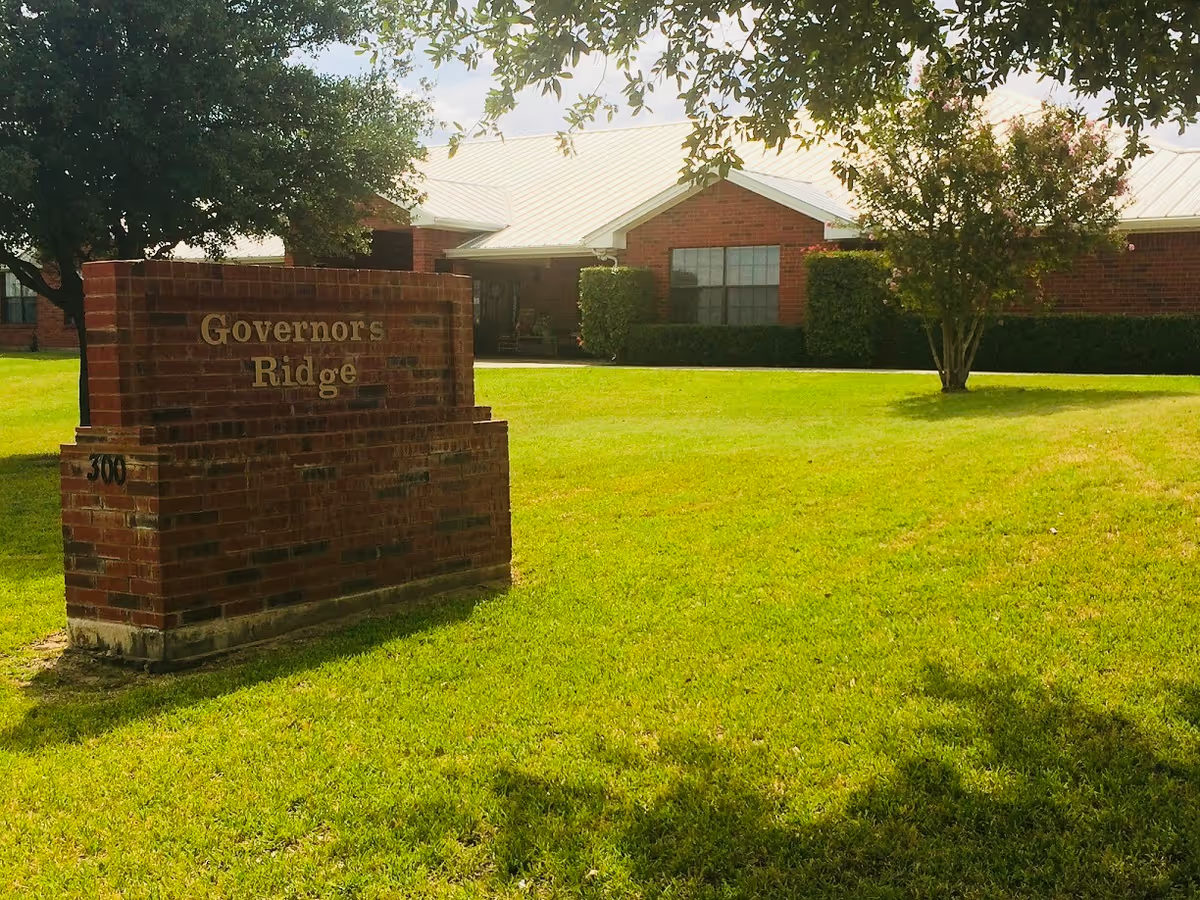
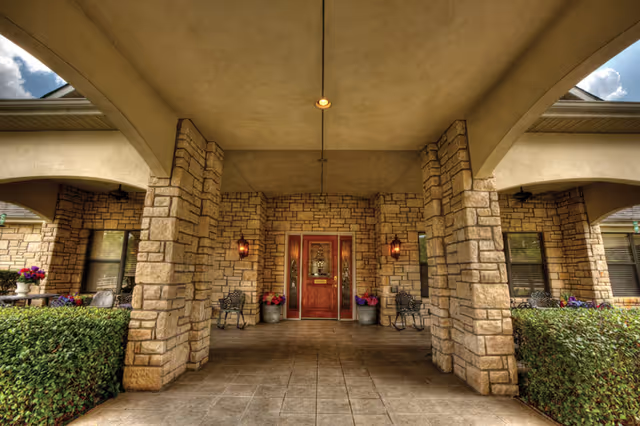
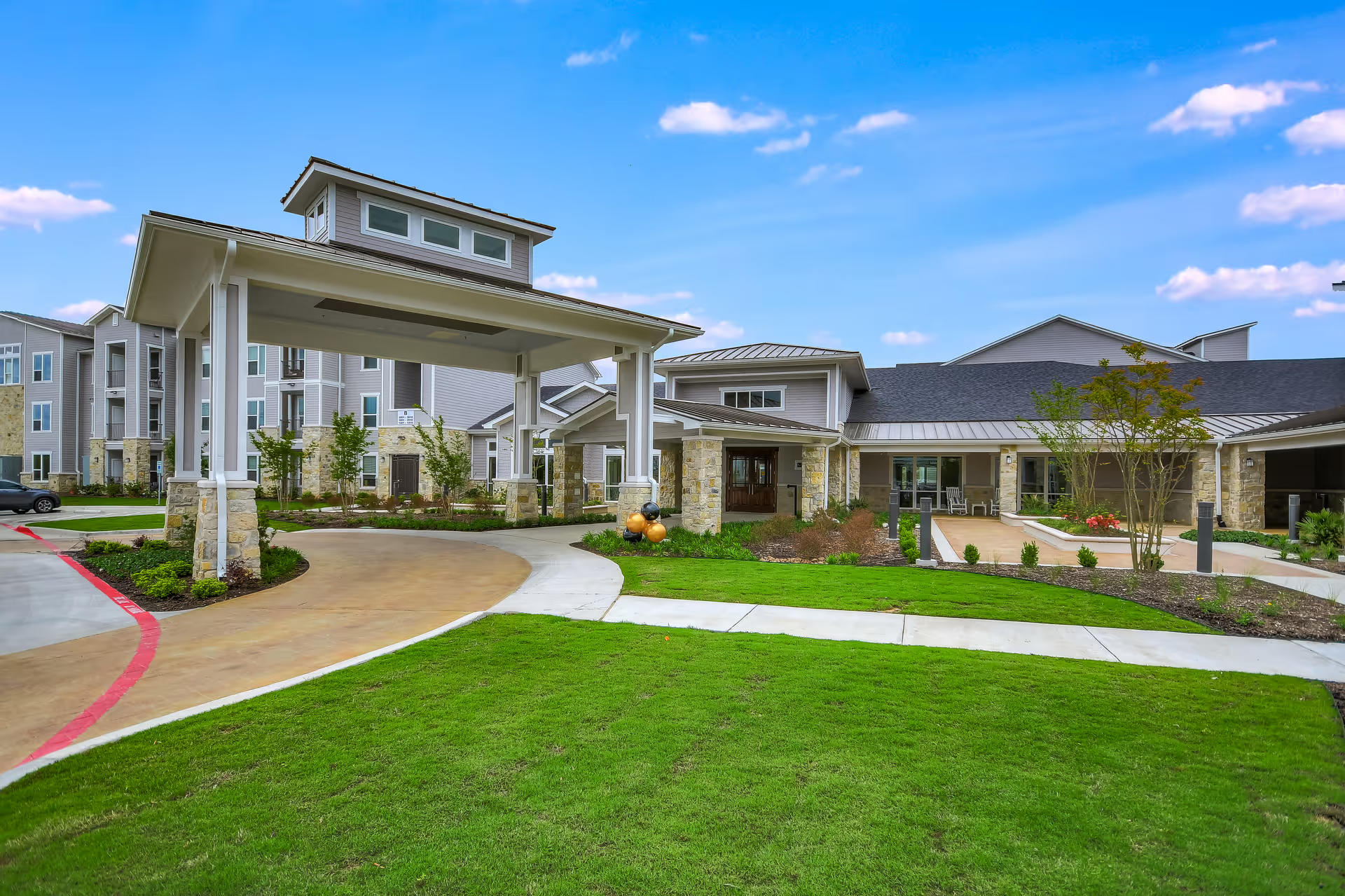
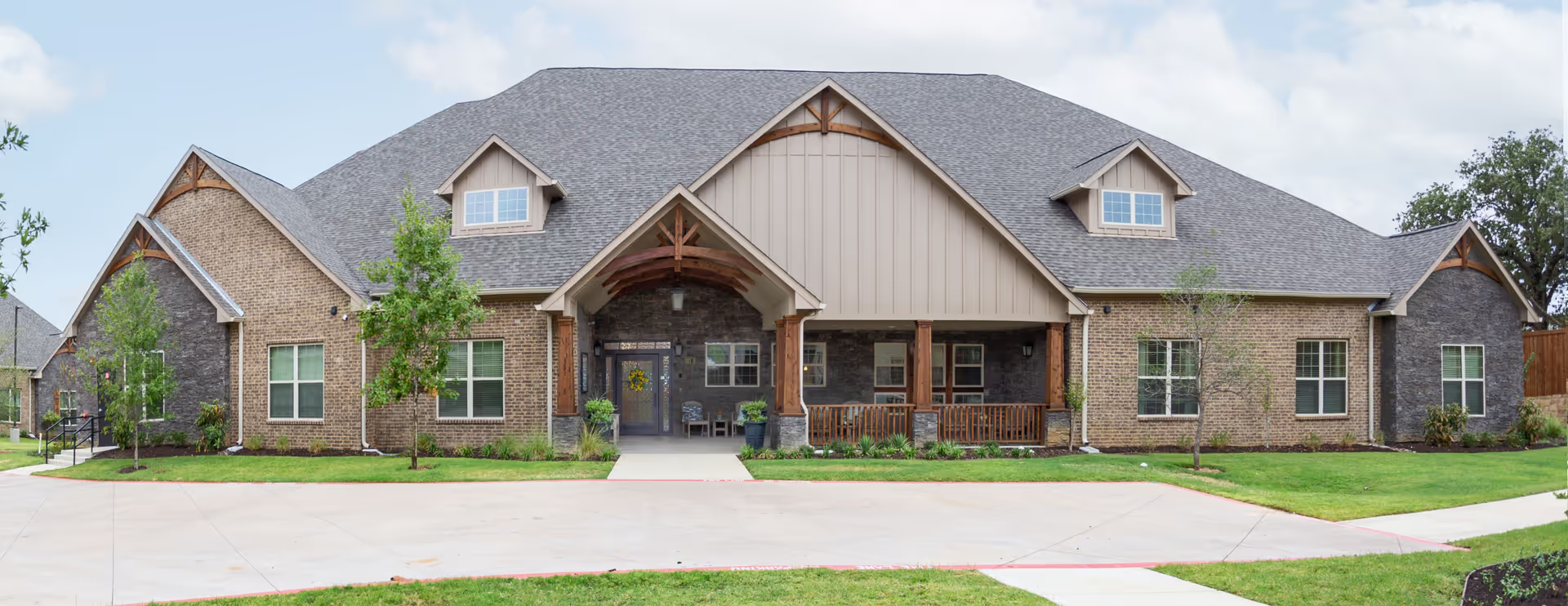
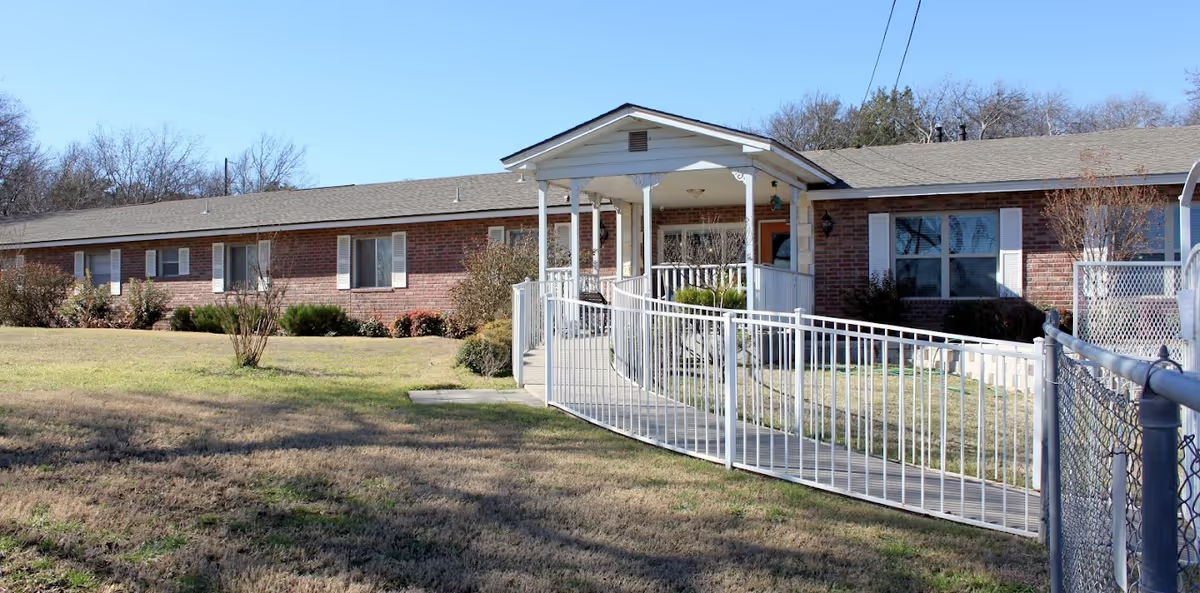
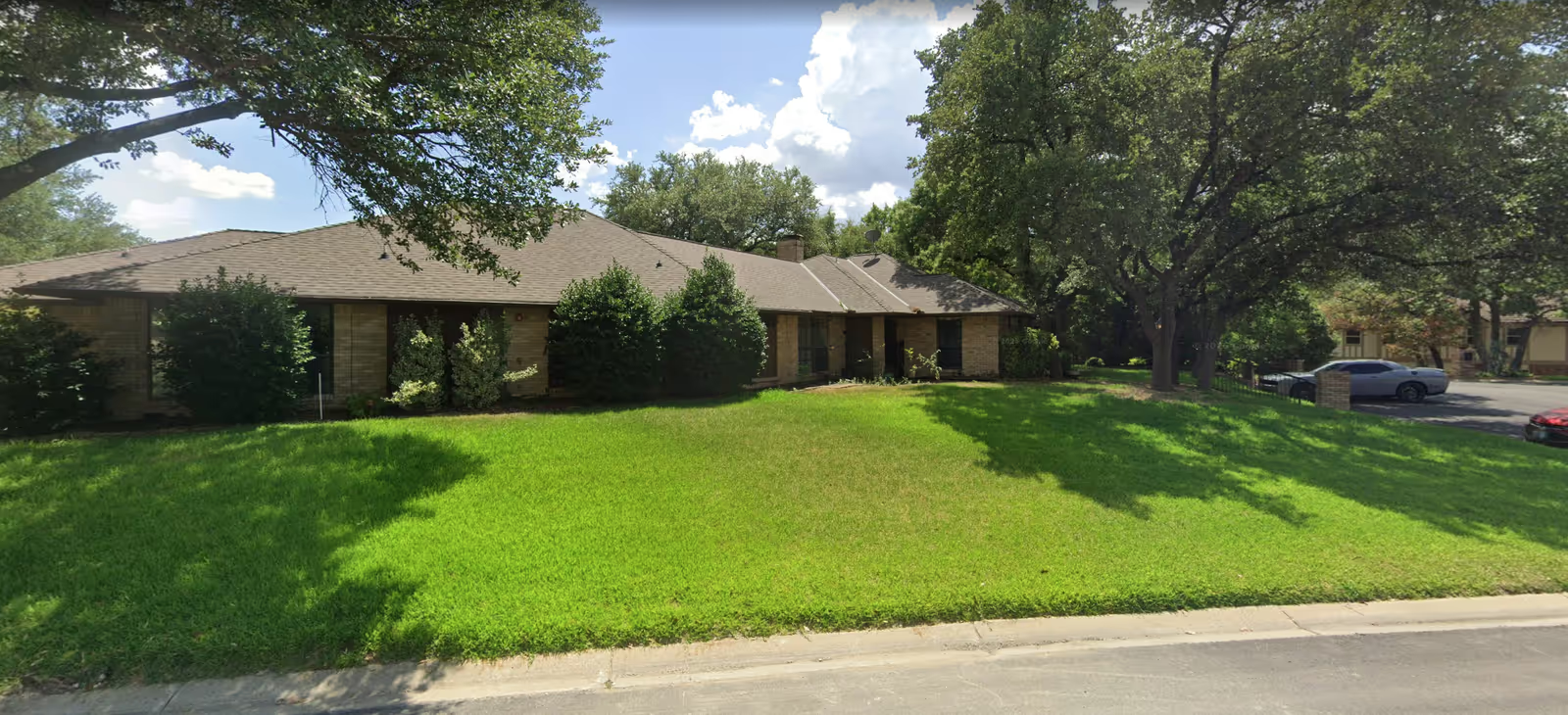
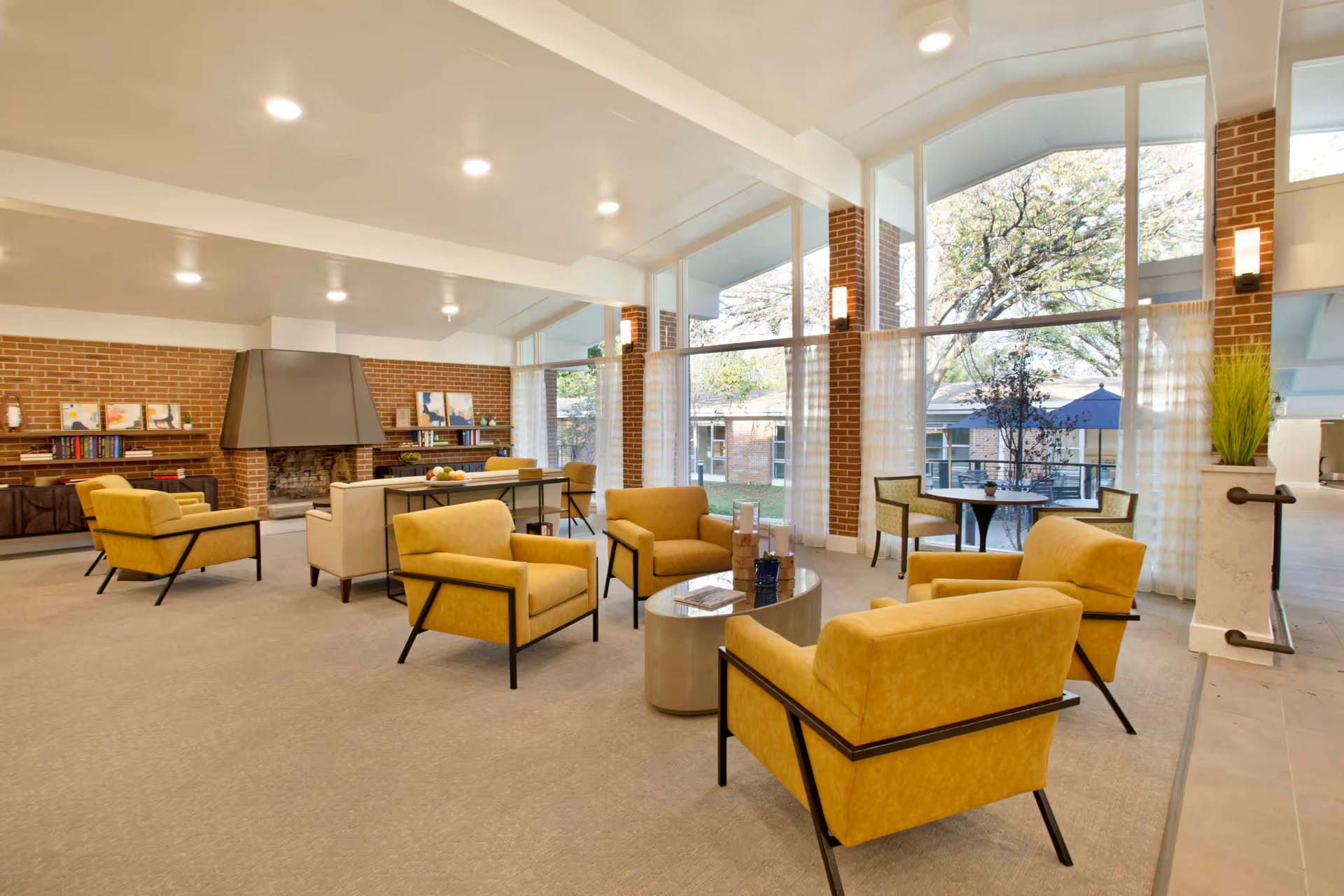
Facilities and environment: The interior environment is repeatedly described as clean, fresh, and well maintained, with spotless hallways and rooms and an inviting atmosphere for residents. A few reviewers note that certain exterior or courtyard areas could benefit from refurbishment, and the facility does not offer on-site memory-care programming, which may matter for some residents.
Notable patterns and guidance for families: Overall, the dominant pattern across reviews is positive — strong caregiving relationships, effective rehab outcomes, and a focus on cleanliness and community. Nevertheless, a minority of reviews describe concerning operational gaps: variability in staffing and clinical responsiveness, front-office and billing inconsistencies, occasional meal-service problems, and at least one serious allegation regarding financial handling. Prospective residents and families should plan an in-person tour, ask for current staffing ratios and turnover metrics, review medication and incident-response protocols, request written billing and refund policies, and speak with kitchen and activities leadership about meal schedules and programming. Verifying how the facility has addressed past complaints and what safeguards are currently in place will help determine whether The Hills’ strengths align with an individual resident’s priorities.