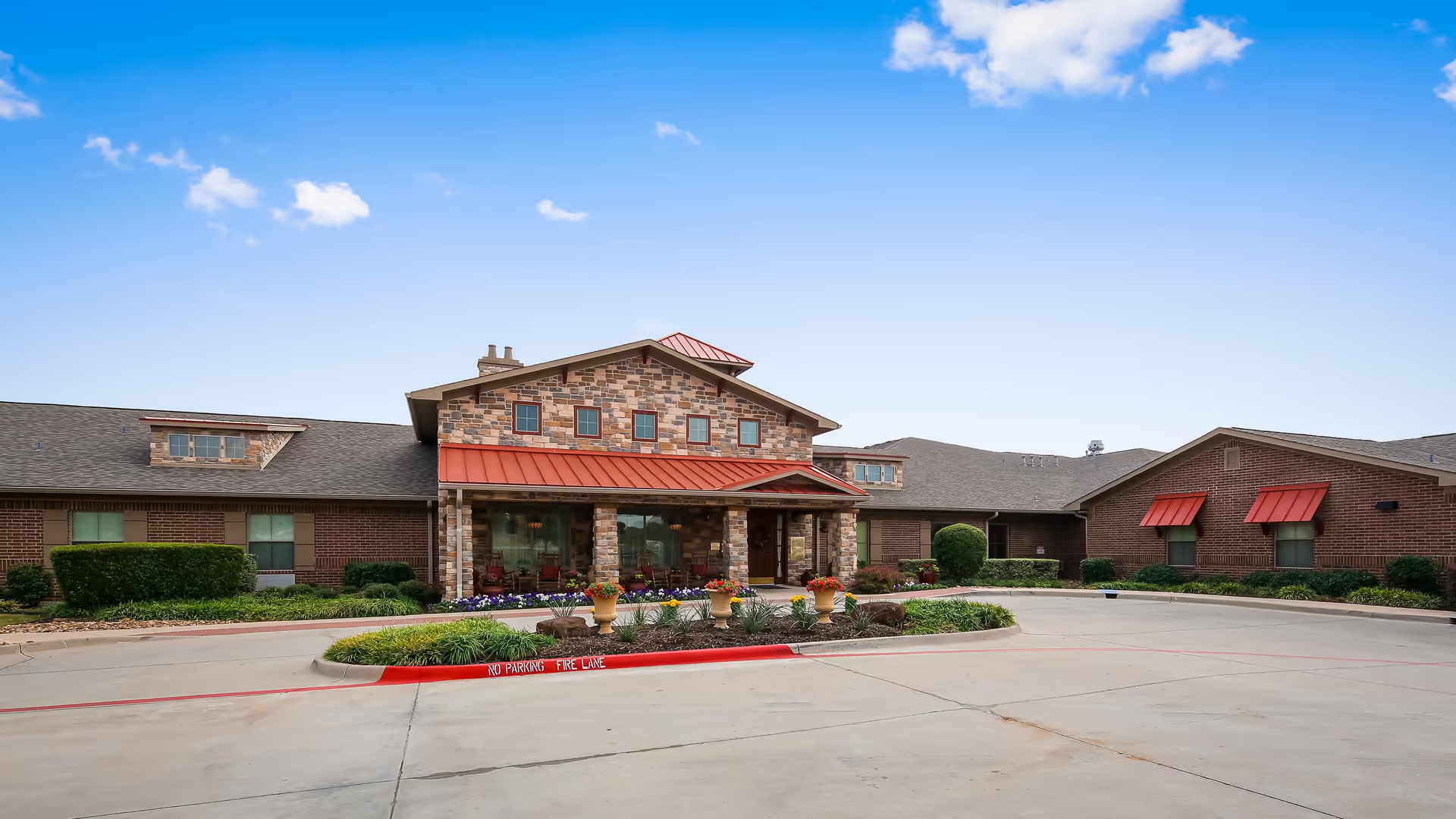
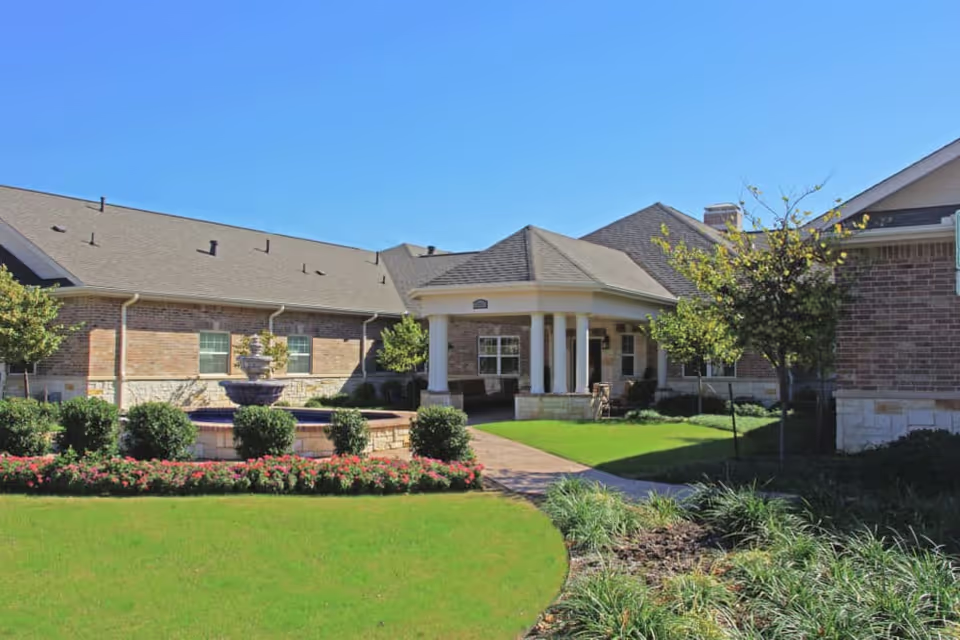
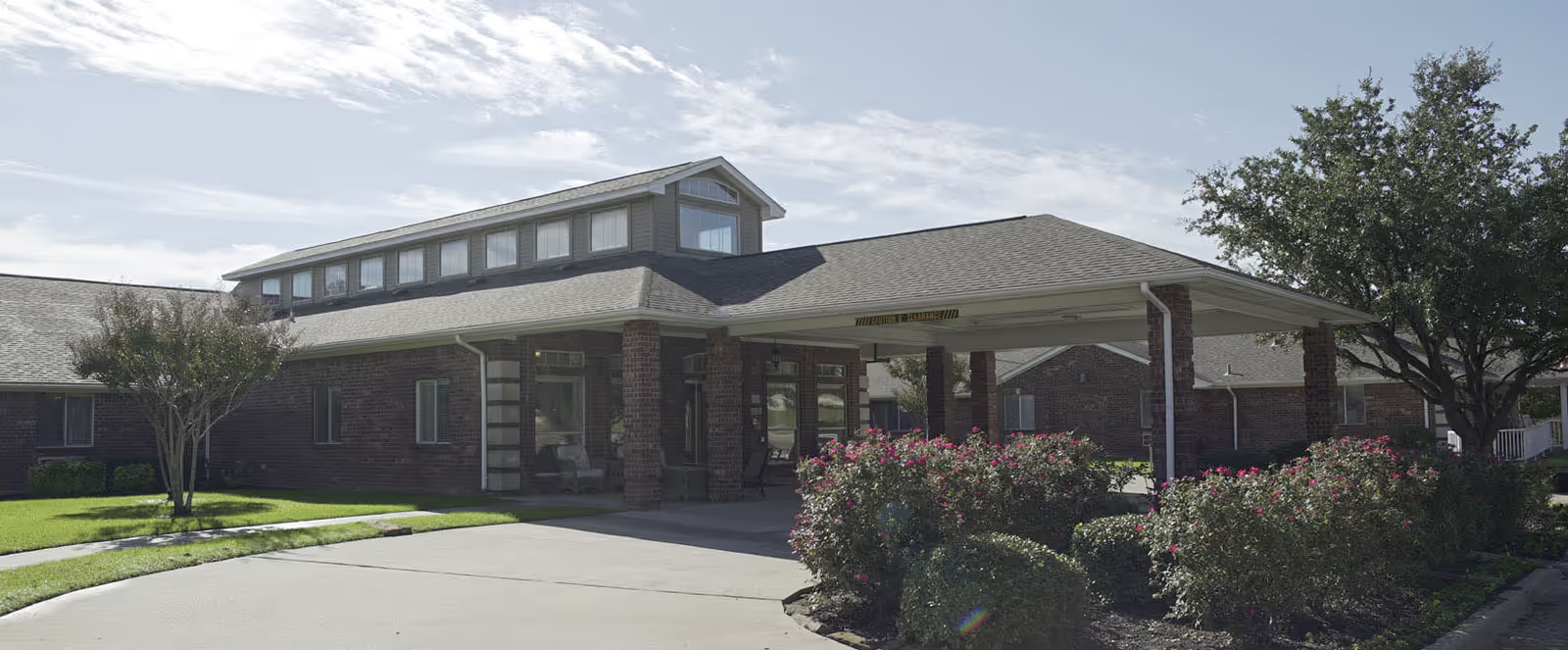
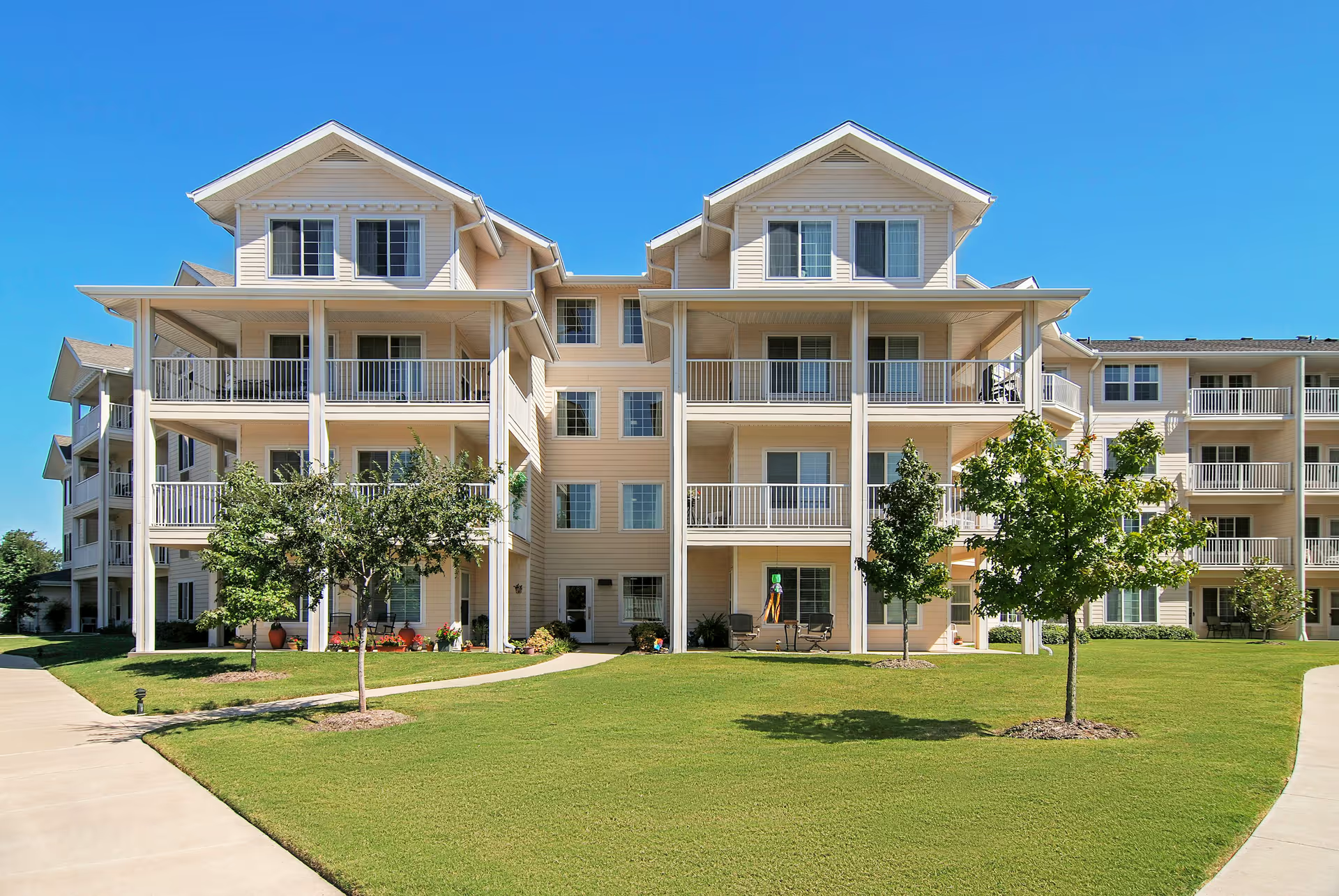
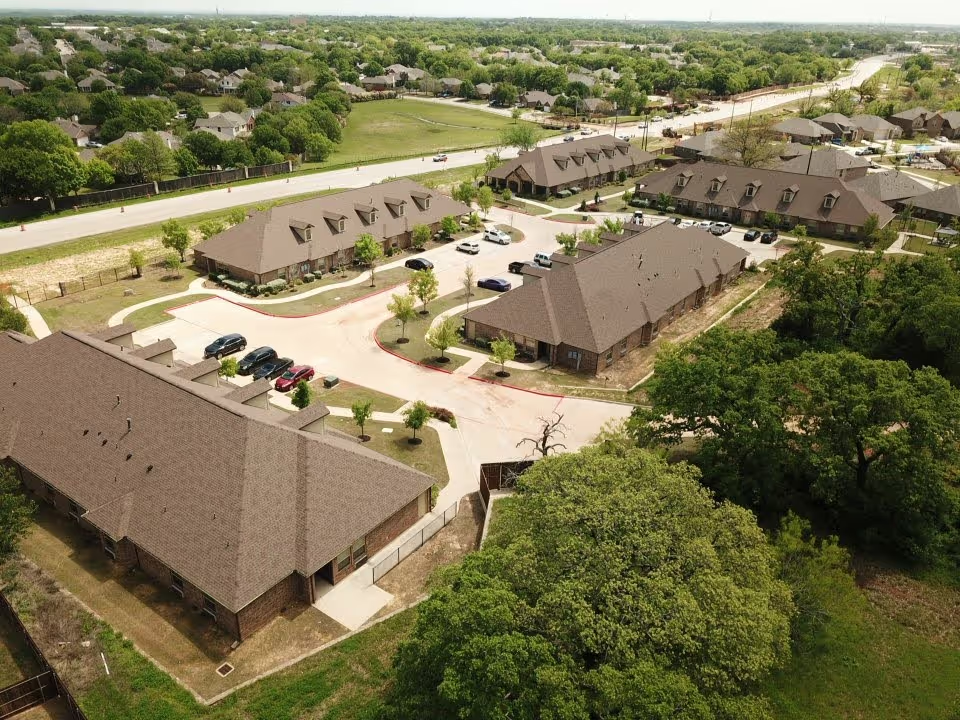
Village on the Park Denton presents a mixed but clear pattern: the physical environment and many direct-care interactions are frequently praised, yet operational and consistency challenges recur across reviews. The community commonly earns positive comments for its attractive, well-maintained campus, bright common areas, spacious apartments, and a wide range of on-site services including rehab/therapy, salon offerings, and pet-friendly outdoor spaces. Activity programming, special events, private dining, and memory-care programming receive strong favorable remarks; several families described meaningful social engagement and supportive memory-care practices that brought peace of mind.
Care and staffing impressions are divergent. Numerous reviewers describe caring, compassionate staff members and proactive nursing leadership who provide attentive support. At the same time, a consistent operational theme is understaffing and turnover that appears to affect daily care consistency. Consequences noted include delayed responses to call buttons, inconsistent assistance with bathing/dressing, skipped or delayed housekeeping tasks, and variability in how individualized care plans are followed. There are also specific concerns about medication handling and delivery delays; a subset of reviewers characterized these as serious safety events that required further medical attention. In addition, a small number of reviews raised allegations of staff misconduct (for example, on-duty impairment and unsafe smoking practices); these are serious claims that families should verify through management discussions and regulatory records.
Dining and clinical support show mixed signals. The community has supporters who praised chef-driven menus and holiday meals, but other reviewers reported declines in food quality after staffing changes, inconsistent meal temperatures and textures, and occasional difficulty accommodating dietary restrictions. Clinical supports such as in-house pharmacy policies, medication delivery procedures, and coordination with external hospitals also varied in reported effectiveness; some families praised timely coordination, while others experienced delays and extra costs tied to pharmacy mandates.
Management, communication, and administrative processes are another area of contrast. Several reviews commend accessible directors and responsive administrators who resolve issues promptly. Contrasting accounts describe unreturned calls, delayed paperwork or benefit filings, opaque billing, and strained family communication. These administrative inconsistencies can affect move-in/move-out logistics, benefit processing, and perceived value for cost. Maintenance and safety practices are generally adequate at the facility level, but intermittent maintenance lapses and unit-level cleanliness or sanitation concerns were cited and tied to resident safety and comfort.
What emerges is a facility with many structural strengths—physical environment, therapies, activities, and a core of dedicated staff—alongside recurring operational weaknesses that can materially affect daily resident experience: staffing consistency, medication controls, housekeeping reliability, dining consistency, and administrative transparency. Prospective residents and families should tour in person, meet the care and leadership teams, and ask targeted questions about staffing ratios, call-response metrics, medication administration and pharmacy options, housekeeping schedules, visitor policies, maintenance protocols, and contract/billing transparency. Checking recent state inspection records and asking for references from current families can also help validate whether the facility’s strengths are consistent and whether operational concerns have been addressed.