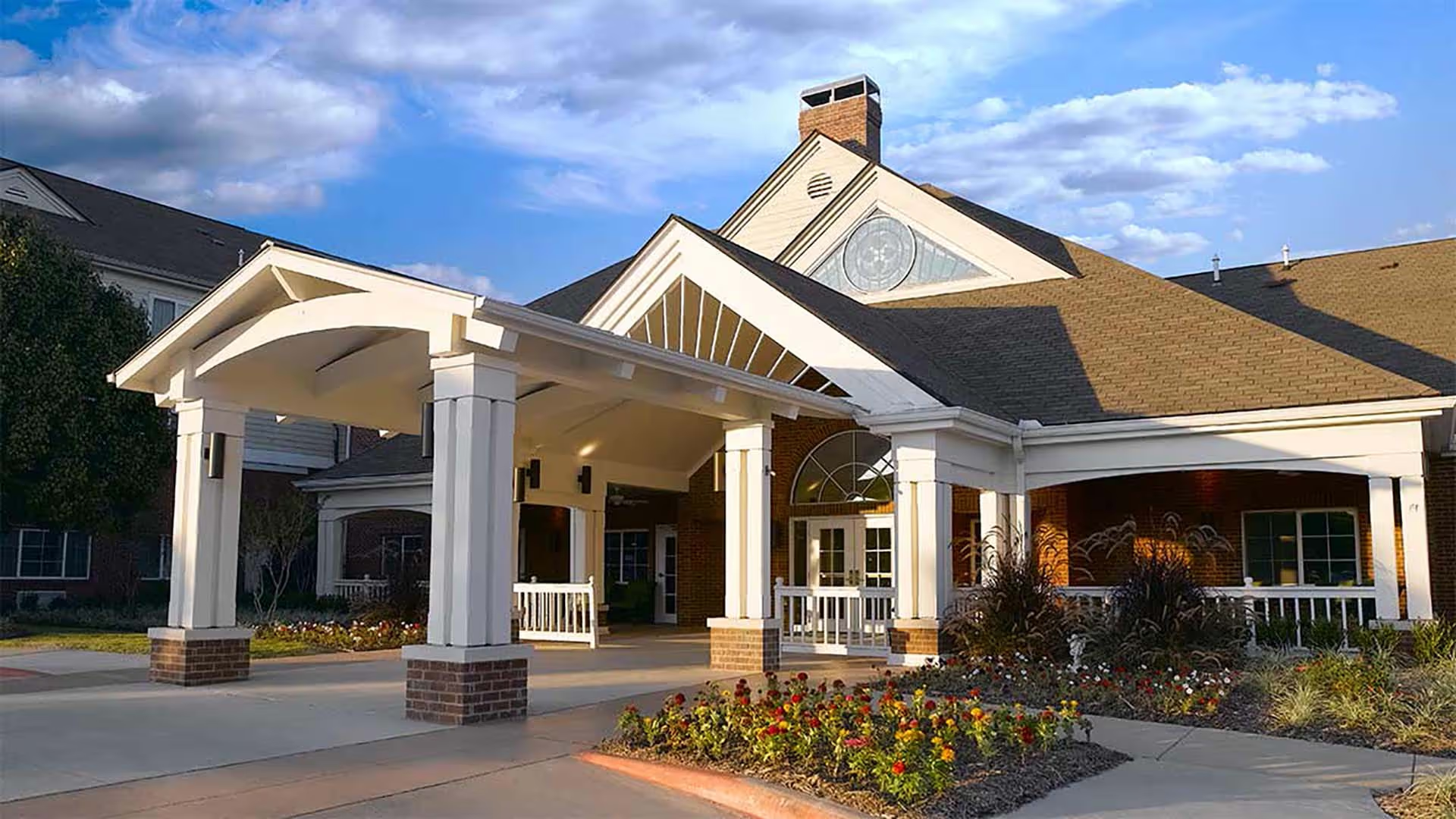
Westpark Rehabilitation and Living elicits a strongly mixed set of impressions. Many families and clinical contacts praise the facility's rehabilitation strengths: physical, occupational and speech therapy programs are frequently highlighted as effective, with consistent therapist assignments and positive functional outcomes after surgery or complex medical events. Several accounts describe coordinated therapy-driven recoveries that avoided long-term placement, and admissions/transition staff are often described as helpful in facilitating moves from hospital to facility or home.
Staffing and direct-care quality show a bifurcated pattern. Numerous guests report compassionate, attentive nurses, CNAs and therapists who provide person-centered interactions and clear communication. Conversely, a substantial set of reviews describe inconsistent staffing levels, frequent personnel turnover, and slow or missed responses to resident needs — including delayed medication delivery and delayed assistance with toileting or bathing. These patterns indicate variability in frontline responsiveness and continuity of care depending on shift and unit.
Clinical oversight, medication administration, and care-plan adherence emerge as recurring operational concerns. Families describe occasions in which physician orders, medication schedules, or individualized care plans were not followed or documented consistently. Related issues include gaps in medication controls and record-keeping, weak coordination during discharges or transfers to other facilities, and variable communication with families and external providers. There are also reports of state-level regulatory action and fines; some reviews include allegations of financial misconduct, which prospective families should verify through public records.
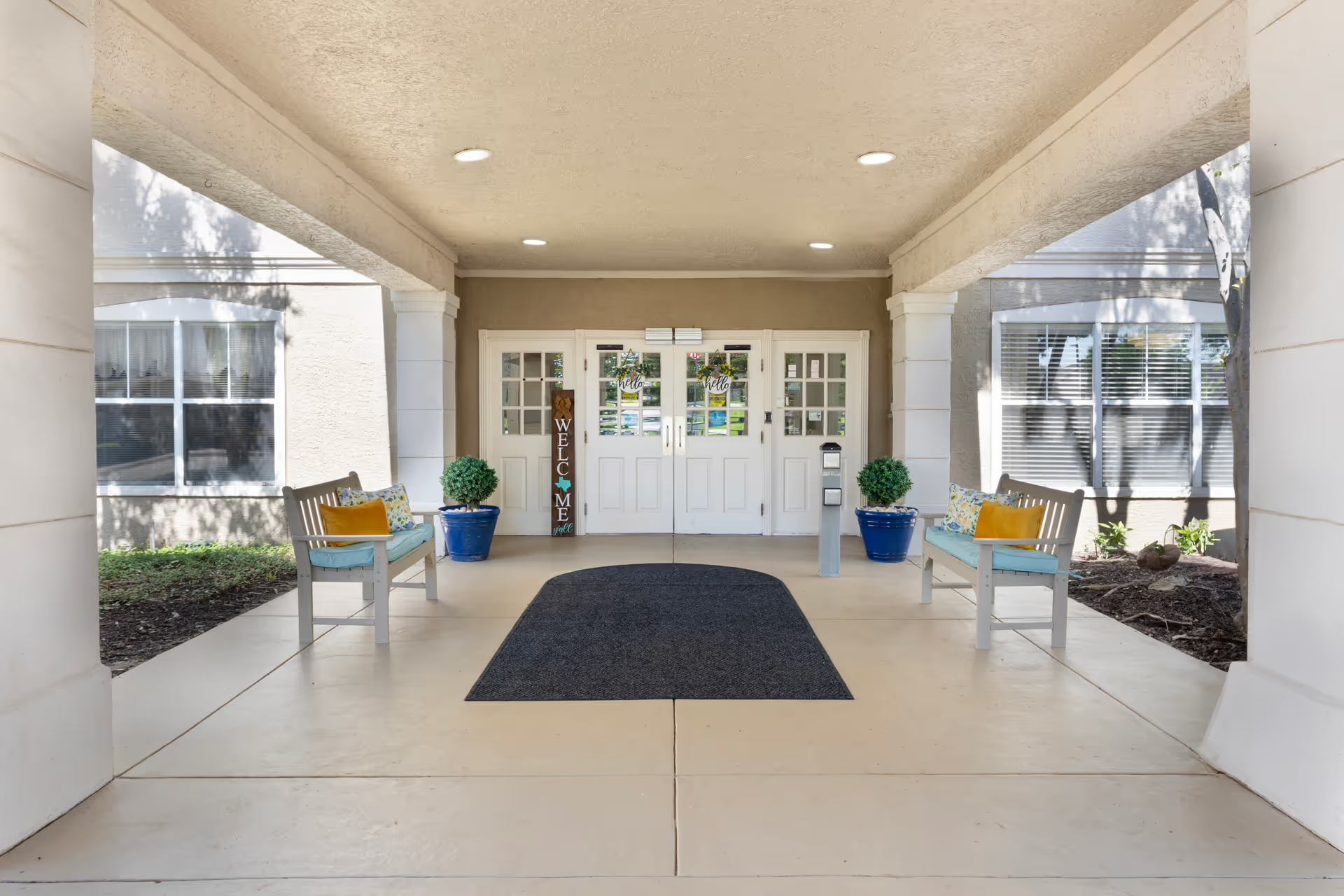
Facility environment and dining are similarly mixed. Several visitors note clean, comfortable private rooms and welcoming communal spaces with active programming. At the same time, other accounts raise sanitation and odor concerns in portions of the building, pest-control issues in some rooms, and inconsistent housekeeping. Dining quality is described as variable: while some residents find meals acceptable, others report problematic food quality and incomplete accommodation of dietary restrictions.
Management and leadership appear to be in transition. Multiple reviews credit newer administrative and clinical leaders with measurable improvements, better family communication, and efforts to address prior deficiencies. However, other accounts describe persistent front-desk unavailability, poor telephone responsiveness, uneven weekend and after-hours coverage, and inconsistent follow-through on complaints. These mixed signals suggest that operational changes are underway but not uniformly implemented across all shifts and services.
For prospective residents and families: the facility offers strong therapy services and a program of activities that can support post-acute recovery and social engagement. At the same time, the facility displays operational variability in staffing, responsiveness, medication documentation, and sanitation in parts of the building. Families should tour the unit, ask about current staffing ratios, review recent regulatory findings, confirm dietary accommodations, and clarify discharge and medication-management procedures before placement. Regular family involvement and clear communication with clinical leadership may help mitigate some of the observed inconsistencies.